
Reviewed · ATHENS MYTHOLOGY TOURS
Athens: Guided Mythological Walking Tour
Myths feel real in Athens. This 2-hour guided walk uses Greek mythology to make central neighborhoods click, from Zeus stories to street-level details in Plaka. It is not just legends for legends sake. You get a themed route through classic landmarks and everyday Athens, tied together by the gods and their human messes.
I especially like the way the guide turns architecture into story prompts, so you start noticing things most people walk past. Penelope (a name that shows up often) gets praise for connecting myth to what you are seeing, and she has a knack for keeping the pace lively. On quieter dates, the group can feel small and conversational, which makes it easier to ask follow-ups.
One possible drawback: this walk runs info-heavy. If you want a light, casual stroll, you may find the mythology and history layer too thick, especially in warm weather, since you are mostly on foot.
Key points to know before you go

- Myth first, Athens second: legends are used to explain real places, not the other way around
- Expert English guide storytelling: the narration stays central, with lots of chances to ask questions
- Plenty of landmark spotting: you pass major sights and learn what they mean in Greek life and myth
- A city orientation in two hours: the route helps you understand where neighborhoods sit relative to each other
- Comfort matters: you walk throughout, so good shoes and sun-smart habits are worth it
Why this mythological walk feels different than a standard city tour
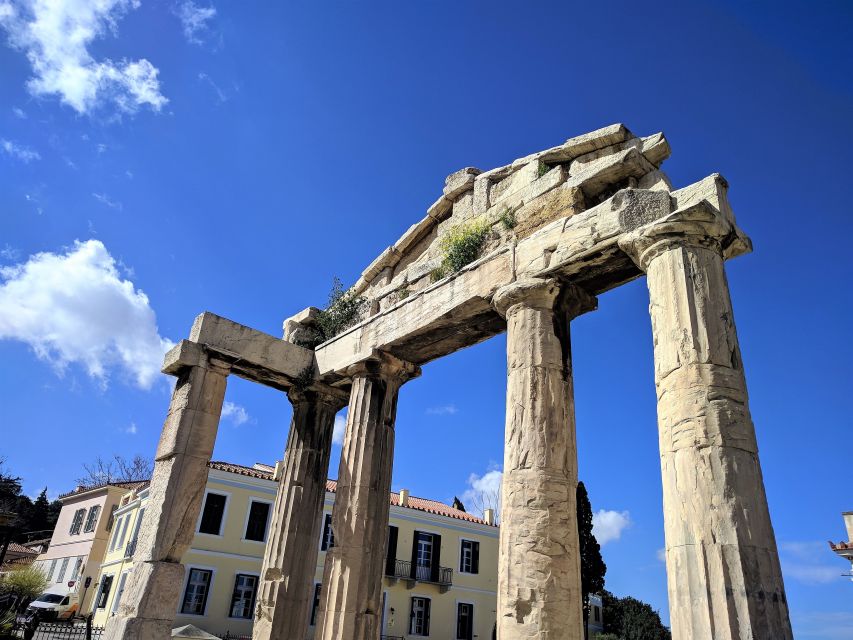
Athens is easy to treat like a highlights reel: a few famous monuments, some photos, then move on. This tour works differently. It uses mythology as a lens, so the city becomes a storybook you can walk through.
The themes lean into the things Greek myths are famous for, including divine affairs, deception, jealousy, and punishment. What makes that more than just entertainment is how the guide ties those themes back to human behavior in ancient Athens. You start to see myths as a kind of cultural memory, a way people explained power, relationships, and consequences.
I also like that the tour is designed to be practical. Even if you do not consider yourself a myth person, you still get a guided pass through central Athens. That means you leave with a better sense of the city map, plus specific buildings and streets you will recognize later when you are on your own.
You can also read our reviews of more walking tours in Athens


Starting point at Korai 4, and how to get ready for the walk
The meeting point is in front of Starbucks at Korai 4. This is helpful because it is a clear, easy-to-find anchor. Plan to arrive a little early, because the group typically organizes right there before setting off on foot.
This is a two-hour walking experience, so your comfort affects your enjoyment. Wear comfortable clothes and shoes. In hot months, add sun protection and water to your day. Several past participants praised the guide for being aware of heat and taking steps to stay in shade when possible, which is exactly what you want from a good urban walking guide.
One more tip: if you are bringing kids, this can be a good fit, but expect it to be more story-driven and thoughtful than pure sightseeing. The mythology is engaging, yet the tour also brings in history and how ordinary Athenians lived.
Academy of Athens: seeing a landmark with a story behind it
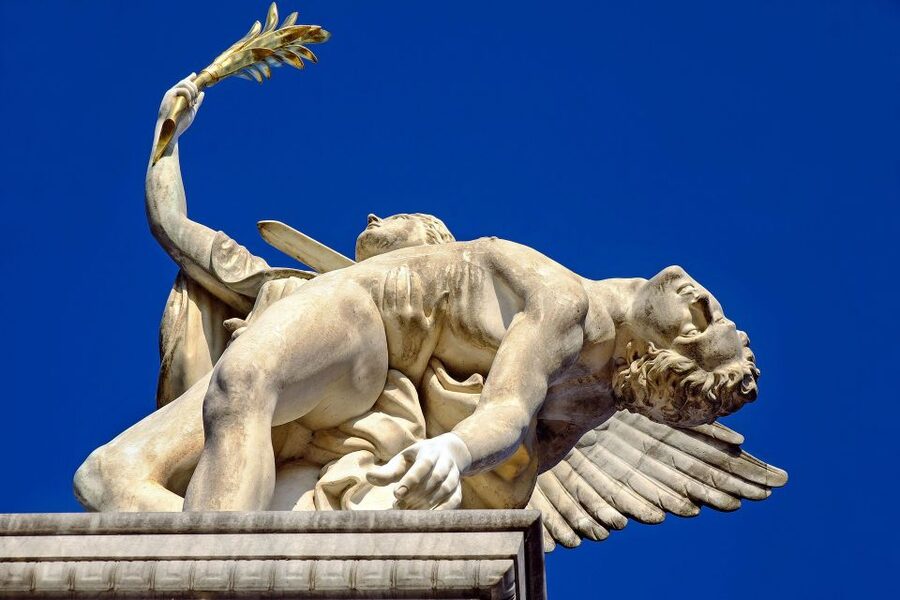
The walk begins with the Academy of Athens, a major neoclassical landmark. From the outside, it already looks built for dignity and ideas, which makes it a natural match for Greek myth themes about learning, fate, and human aspiration.
Even without entering museums or archaeological sites, you still gain value because the guide links what you see to the world the Greeks created. That is the core of this tour: the mythology is not floating in the air. It is treated as part of how the culture thought, dressed, argued, loved, and feared.
What to watch for here:
- Pay attention to the building’s overall form and setting, since the guide will often connect these details to symbolism in Greek storytelling
- Listen for how the myth angle transitions from gods and heroes to how cities reflect values
Potential drawback at the start: the first moments can be information dense. If you are jet-lagged or still waking up, give yourself a few minutes to settle in and then lean into the story.
Numismatic Museum and Akadimias: where myth meets daily life

Next you pass the Numismatic Museum area and continue along Akadimias. Since archaeological entrances are not included, you are mostly observing and walking past. That might sound limiting at first, but it actually keeps the pace moving and gives you time for the guide’s storytelling.
Numismatics, meaning coins and money, may not scream mythology. But it is a clever connection point because myths lived in the same society as politics, trade, and public life. When the guide explains interactions between humans and gods in ancient Greece, it often helps to remember that those beliefs were not trapped in temples. They influenced daily decisions and social expectations.
Akadimias is also a corridor that helps you feel Athens as a functioning city, not just a museum. You learn how neighborhoods link together, so later, when you are trying to get from one attraction to another, it feels less like wandering and more like navigating.
If you like anthropology and social customs, this is where that layer becomes clearer. You start to understand that myths were not just entertainment. They were part of how people explained relationships, status, and consequences.
Syntagma Square: shifting from myth into real Athens
You then reach Syntagma Square. This is one of Athens’s most important public spaces, near the heart of government and major transit. The tour’s mythology angle can feel almost surprising here, because modern Athens is loud and fast.
That contrast is the point. You get a sense of continuity, the way old cultural patterns can still color how people talk about power and identity. The guide’s stories around Zeus and other gods help you connect themes like authority, temptation, deception, and punishment to a city that today still revolves around leadership and public life.
What you might notice:
- People-watching becomes part of the lesson. You are in a place where social behavior is visible, which helps the guide talk about ancient customs as something you can compare to your own experience
- The square acts like a mental reset, so you can recalibrate your focus before the older streets
Practical note: as with any major square, it can be hot and busy. Keep water handy, and follow the guide’s cues on where to walk and how to stay comfortable.
You can also read our reviews of more guided tours in Athens



Mitropoleos and Plaka: the streets where myth sticks to the stones
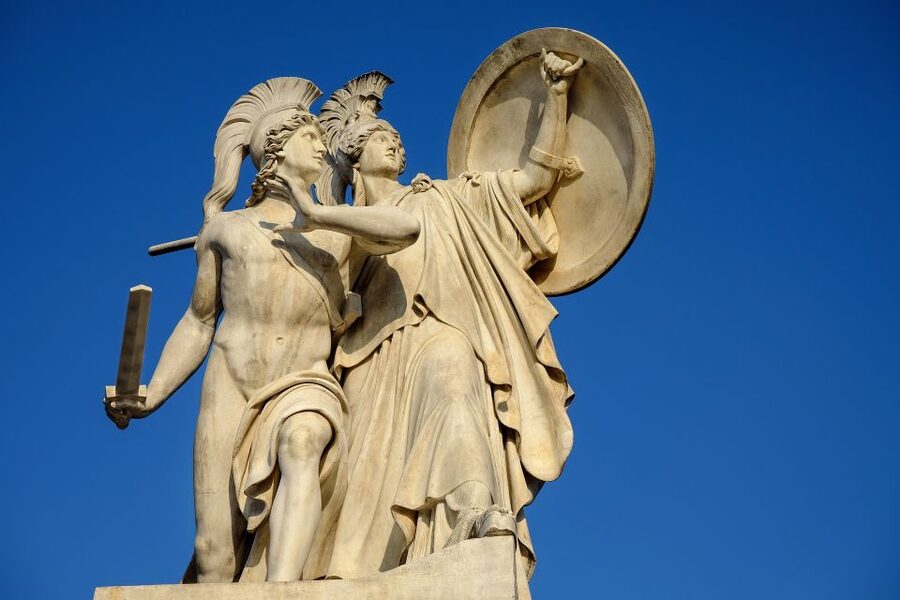
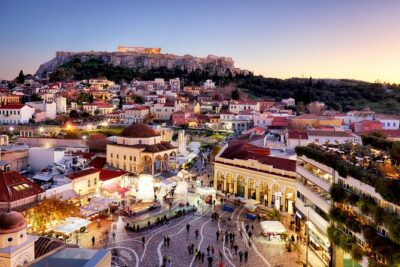
Next comes Mitropoleos and then Plaka, one of the most famous older areas in Athens. This is where the tour’s mood often shifts. Plaka is the kind of neighborhood where you want to slow down anyway, but the guide gives you a reason to look closer.
The best part of this section is the feeling that the city has hidden characters. Satyrs, nymphs, gods, and lovers are woven into the walking route, and the guide points out how the stories connect to statues, buildings, and the overall layout. You do not just hear myth. You learn how myth shapes how people read a place.
If you are a detail person, Plaka will reward you. Even if you think you have seen it before, the guide’s direction helps you spot features you would otherwise miss, like what certain landmark types communicate about ancient beliefs.
The tour’s value here is also educational in a way that does not feel like a classroom. You get context on how Greeks understood the relationship between humans and gods, and how those stories reflected social behavior. That is especially relevant if you have a literature or philosophy interest, because Greek myth is not only about monsters. It is also about how humans deal with desire, pride, and consequences.
Heat strategy matters here. Some guides, including Penelope in past experiences, are praised for staying in shade when possible. Use that support, but also bring your own comfort plan: hat, water, and a willingness to pause when it gets too warm.
From Plaka to Monastiraki: finishing with direction for the rest of your trip
The tour ends in Monastiraki. This finish matters because it places you in a lively, useful area for continuing your Athens day. If you want to explore markets, snack your way through neighborhoods, or simply reposition yourself for a museum or viewpoint later, Monastiraki is a good landing zone.
By the time you reach the end, you typically have more than mythology rattling around in your head. You have a working map in your mind. You know which direction major areas sit, and you have a set of landmarks you can recall instantly when you are planning your next stop.
If you like leaving tours with a game plan, this one often delivers. Even if you do not visit every famous archaeological site, you still learn how central Athens is laid out, and how the myths connect to that layout.
Price and value: is $47 for 2 hours a fair deal?
For $47 per person and two hours, the price is mostly paying for two things: time with an expert storyteller and a focused route that saves you from aimless wandering.
There are no included archaeological site entrances, and meals are not part of the tour. So you are not paying for ticketed access. You are paying for interpretation, guidance, and the ability to connect Greek mythology to what you see on the street.
That is a good value if you fit the tour’s style. If you want mythology tied to real places and you enjoy learning about daily life, it feels like a high return for a short timeframe. If you are purely chasing famous ruins without a narrative component, you might feel the value is lower, since you are not going inside major sites as part of the experience.
My advice: treat it as a foundation tour. Do it earlier in your trip if you can, so it enhances everything you see later. If you leave it for the last day, you can still enjoy it, but it may not shape your remaining itinerary as much.
Who should book this tour, and who might want to skip it
You should book if:
- You enjoy Greek mythology and want it explained in a way that links to place and culture
- You like history and social customs, not just story plots
- You want an English-guided walk that gives you real orientation through central neighborhoods
- You are traveling with kids who can handle stories, since several people appreciated how the guide kept young minds engaged
You might want a different option if:
- You want a light stroll with minimal information
- You prefer a tour that includes lots of entry tickets into archaeological sites
- You get overwhelmed by heavy storytelling in a short timeframe
Also, consider your weather tolerance. The tour is designed around walking through central Athens. Even with shade breaks, you still need to dress for the heat.
What the guide actually does well, especially for families and Q&A
The standout across many experiences is the guide’s storytelling skill. Penelope is often singled out for holding attention, explaining clearly, and answering questions with depth. Christina also appears in past experiences, and the shared theme is the same: the guide knows how to make Athens feel like a living myth scene.
This matters because mythology can go two ways on a walking tour. It can become a list of names, or it can become a thread you can follow. The best guides here turn myth into a narrative engine, so each stop feels like a chapter.
A big bonus for families is pacing. Several people praised the guide for being patient and using humor, which helps kids stay engaged. If you are an adult going solo, the same approach helps too, because it turns the walk into conversation rather than lecture.
If you love questions, take advantage of them. This tour style benefits from curiosity. The guide often has enough context to connect one myth to another theme, like deception leading to punishment, or desire leading to consequences.
Should you book Athens: Guided Mythological Walking Tour?
Book it if you want Athens with a point of view. This is not a generic walk. It uses gods, lovers, and drama to teach you how ancient Greeks thought, and then it points those ideas toward real streets and landmarks in the city center.
Skip or switch plans if you want mostly ticketed site access or a very casual, low-content stroll. With no meals and no archaeological entrances included, you will spend your money on interpretation, not on museum rooms and ruined halls.
If you do book, here is how to get the most out of it:
- Wear comfortable shoes and plan for walking time
- Bring water and sun protection, especially if you go in warmer months
- Ask questions as you go, because the tour’s format rewards curiosity
- Try to schedule it earlier in your trip, so you can use the city orientation right away
FAQ
How long is the Athens mythological walking tour?
The tour lasts 2 hours.
Where does the tour start?
It starts at Korai 4, in front of Starbucks cafe.
Where does the tour end?
The tour ends in Monastiraki.
What is included in the price?
Mythological story telling from an expert guide.
Is entrance to archaeological sites included?
No, entrance to archaeological sites is not included.
Are meals provided?
No, meals are not included.
Is the tour guided in English?
Yes, the tour has a live guide in English.
What should I wear?
Wear comfortable clothes and shoes.
What is the cancellation policy?
Free cancellation is available up to 24 hours in advance for a full refund.
More Walking Tours in Athens



More Tours in Athens

More Tour Reviews in Athens
- All Day Cruise -3 Islands to Agistri,Moni, Aegina with lunch and drinks included
★ 5.0 · 4,958 reviews



Not for you? Here's more nearby things to do in Athens we have reviewed









Athens Mythology Tours, compared.
 ★ 4.6Mythology of Delphi, Museum and Arachova Guided TourFrom $314,008 reviews
 ★ 5.0Athens & Acropolis Highlights: Greek Mythology Small-Group TourFrom $542,370 reviews
 ★ 4.8Acropolis and Mythology Highlights Small Group TourFrom $532,275 reviews
 ★ 4.8Mythology Tour for FamiliesFrom $79173 reviews
 ★ 5.0The History of Athens: Greek Mythology Private TourFrom $199138 reviews
 ★ 5.0Greek Mythology Treasure Hunt for Kids – Athens Private TourFrom $17477 reviews
 ★ 5.0Mythology, Philosophy and Democracy TourFrom $5064 reviews
 ★ 4.7The History of Greek Mythology Private TourFrom $18753 reviews
Browse the lists this tour appears in