
Reviewed · ATHENS MYTHOLOGY TOURS
Mythology, Philosophy and Democracy Tour
Athens feels like a history book, until you walk it. This Myths, Philosophy and Democracy tour turns the city into a living argument about how people went from blind faith to early science in one half-day stroll. I love the way the route connects ideas across centuries instead of treating each site like a separate museum stop, and I really like the focus on democracy in action, especially around Pericles and the Pnyx. One thing to consider is that this is a walking tour with several outdoor viewpoints, so warm weather can make the pace feel tougher.
The biggest reason this works is the guide, Panos. The tour blends stories, politics, philosophy, and everyday city life so the “why” sticks, not just the “what.” You get a strong through-line from Kerameikos to the Ancient Agora, then into Roman-era Athens, and finally to the hilltops where you can see the Acropolis in the bigger context. The possible drawback: you are moving all the time, so if you prefer long rests or slow wandering, you may want a different style of tour.
Key things I’d circle before you book
- Pericles at Kerameikos, tied to the funeral speech for early Peloponnesian War casualties
- Ancient Agora debates, where thinkers and politicians walked and argued through the streets
- Tower of the Winds as both wind indicator and clock, with solar and hydraulic timing ideas
- Two Acropolis viewpoints built into the route, at Pnyx and Philopappos
- A small group size (maximum 12) that makes it easier to ask questions and keep the discussion going
- English-speaking guide service with a mobile ticket, so you can stay flexible
Why This Athens Philosophy-and-Democracy Route Feels Different
Most Athens tours focus on the Acropolis first, then sprinkle in a few “also worth seeing” stops. This one flips that pattern. You start at the edges of the ancient world, where politics, burial rituals, and daily debate were part of how people lived. Then, you build toward the viewpoints that help you understand why those thinkers cared so much about public life.
What I like most is the tour’s idea of connections. It treats mythology, philosophy, and democracy as linked steps in how people explained the world and organized society. You do not just hear facts. You get the logic behind them, including the way later “science thinking” grows out of earlier questions.
And yes, you still get classic Athens scenery. You just see it with a sharper lens, especially when the conversation moves from speeches and institutions to the physical space where those ideas mattered. That is the magic here: the city stops being a set of ruins and starts acting like a classroom.
Price and Small-Group Setup (Max 12) for Real Value
At $50.69 per person for about 3 hours, this is the kind of tour where the real value is not only the sites, it is the time. You get a structured route across nine stops, with admissions listed as free at every stop on the plan. That matters because Athens can be a mix of paid and free attractions, and it is easy to lose value when you pay entrance fees on top of the tour cost.
The group size is capped at 12 travelers. In practice, that usually means the guide can keep a discussion going without everyone feeling like they are just listening from the back row. From the tone of the experience, Panos pushes for thought, not passive sightseeing. That is especially useful if you like asking questions or if you are traveling with teens who need more than simple “this is old” explanations.
Two practical notes from the tour details: it is offered in English, and it uses a mobile ticket. Service animals are allowed, and the start and end points are in areas that are near public transportation, which helps if you want to connect this day with the rest of your trip.
You can also read our reviews of more tours and experiences in Athens.


Kerameikos: Pottery Workshops, a Cemetery, and Pericles’ Democracy Speech
Kerameikos is not the stop most people think of first. That is exactly why it is such a strong start. The area is tied to ceramics, since the name Kerameikos means ceramic and the area was known for pottery workshops. Starting here gives you a sense of Athens as a working city, not only a grand stage for leaders.
Then the meaning shifts. Kerameikos also served as Athens’ cemetery for many centuries. That is where prominent Athenians, including people whose names became famous, were buried. In other words, this place anchors public memory. It also sets up the political theme of the tour because you connect a physical space to the way a city honors its dead.
The tour places Pericles at the center of this stop. It explains that Pericles pronounced his famous Epitaph speech here, honoring the first casualties of the Peloponnesian War and praising the virtues of democracy and how Athenians practiced it. Even if you only know the basics of Pericles, this framing turns a cemetery into a political text, spoken into a real landscape.
What to watch for: the atmosphere is quieter than the most crowded sites. If you want a head start on understanding Athens’ civic values, this is a smart place to begin.
Ancient Agora: Where Philosophers and Politicians Argued in the Streets
From Kerameikos, you move to the Ancient Agora, described as the heart of Athens. This is where you see what “public life” really meant. The tour presents the Agora as the walkable center where people gathered for discussions and debates on matters large and small.
The guide highlights famous names across multiple fields. On the philosophy side, you hear about Socrates and Plato. On the politics side, you connect to Solon, Themistocles, Pericles, and Thucydides. It also folds in culture through figures like Sophocles and Aristophanes, which helps the story feel less like a narrow lecture and more like how Athens blended thought, theater, and civic action.
The key value for you: you do not just learn that these people existed. You learn why the Agora mattered as a meeting place. If democracy is a system that needs participation, then streets like these are the infrastructure of ideas.
Small drawback to consider: this is still an outdoor walking experience with limited “sit down” moments. If you are sensitive to long standing, plan for short breaks when the guide offers them.
Monastiraki Square and Roman Agora: Everyday Streets Meet Power and Empire

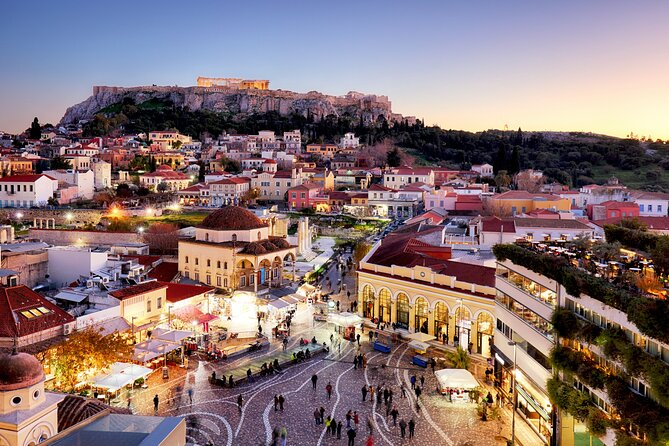
After the Ancient Agora, the tour takes an easy pace through Monastiraki Square. This is a softer, slower moment built into a schedule that otherwise leans academic. You pass through a colorful flea market area with antique and tourist shops.
That segment is not random. It helps you remember that Athens did not freeze at a single era. It keeps layering new life over old ground. Even if you do not buy anything, it breaks the mental rhythm so you can reset before the Roman-era stops.
Then you head to the Roman Agora, positioned north of the Acropolis and east of the Ancient Agora. That location matters because it shows the city’s continued importance after the classical period. You are watching Athens change hands and styles, but the urban center stays central.
This section is good for you if you like contrasts. The tour helps you see how Greek civic space and Roman civic space can sit in one geography while telling different stories. You also get a chance to keep your bearings, which helps later when you move toward Pnyx and the Acropolis viewpoints.
Tower of the Winds: Ancient Timekeeping and Early Science Thinking
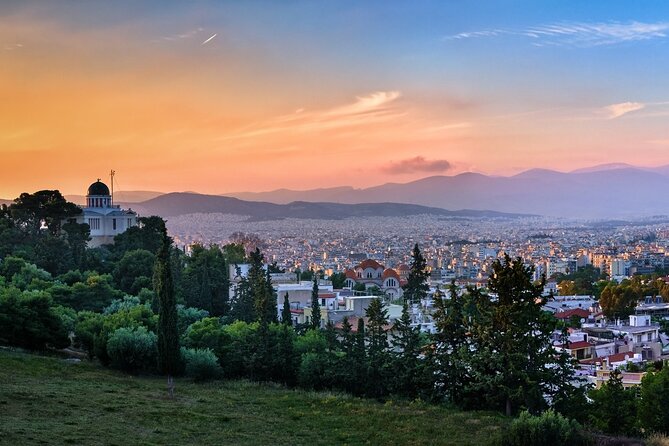
The Tower of the Winds is a standout stop because it mixes practical technology with a big idea. The octagonal building is connected to Andronicus of Kyrristos in the 1st century BC. The tour explains that it functioned as a wind indicator and also as a clock.
Here is the science angle you will care about. It includes mention of a solar clock mechanism, and when it was cloudy, there was also a hydraulic mechanism that produced a sound every hour. The tour frames this as a first meteo station, which is a fascinating way to connect everyday weather observation with early engineering.
For you, the payoff is simple: you leave with a mental picture of “science” as a practical response to real problems. Instead of thinking of science as a modern label, you see it as a habit of measurement and prediction that grows over time.
Tip: this stop is outdoors, so wear something comfortable that can handle sun or shade changes. The tower is worth pausing for, even if you have seen other ancient structures.
- All Day Cruise -3 Islands to Agistri,Moni, Aegina with lunch and drinks included
★ 5.0 · 4,958 reviews
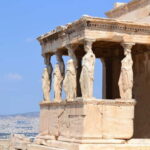


Hadrian’s Library and Plaka: Roman Learning and a Real Neighborhood Feel

Next comes Hadrian’s Library, created by Roman Emperor Hadrian in AD 132. The tour states it was on the north side of the Acropolis and was the second largest library in the world at that time. That is a bold scale claim, but it helps you grasp the ambition of Roman-era Athens as a place where knowledge was valued enough to build grand infrastructure.
From there you move into Plaka, described as a scenic neighborhood with small houses and narrow, picturesque streets. This part of the tour works as a reset, not just a scenery break. It gives you a sense of what it is like to move through Athens without immediately focusing on ruins.
For practical travel value, Plaka also helps you picture where you might wander after the tour ends. Even if you plan to do other museum stops later, the neighborhood feel helps your whole trip make more sense.
What to keep in mind: narrow streets can be crowded. This is why an organized pace helps. You do not want to be threading through tight lanes with no plan while trying to absorb the guide’s story.
Pnyx: The First Parliament and the Acropolis View You Can Feel
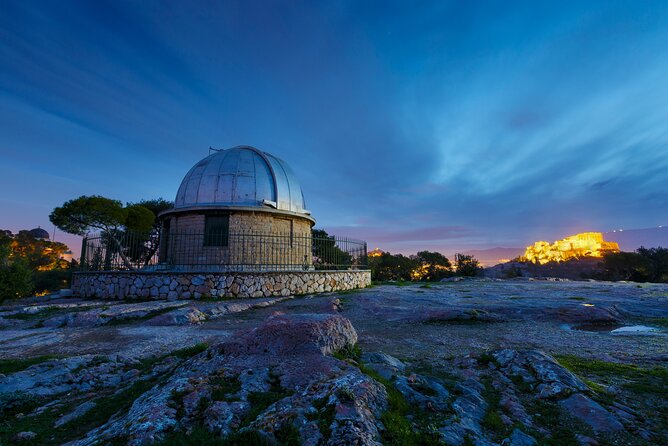
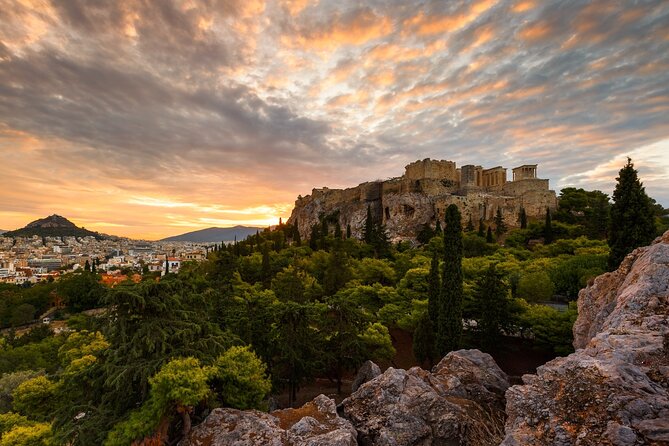
Pnyx Hill is one of the tour’s anchors. The plan calls it the first parliament of the world. Even if you treat that as a bold historical framing, you still get the right idea: this is where ancient Athenians practiced public decision-making in an open civic space.
The tour also gives you something practical and emotional, a strong view of the surrounding area and a great spot for sunset. That matters because the physical environment shapes how you understand institutions. Standing at the place where speeches and decisions were made helps you grasp why democracy was more than a concept.
When I think about value, this is where it clicks. You are not only learning what democracy was supposed to be. You are looking at the city it was supposed to shape.
Plan for time here. The schedule lists about 25 minutes at Pnyx, enough to take in the view, hear the guide’s framing, and get photos without turning it into a rushed sprint.
Philopappos Hill Night Views and the Tour’s Thinking Finale
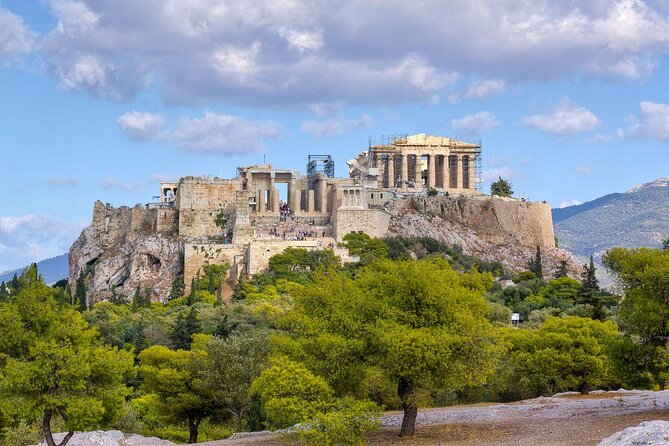
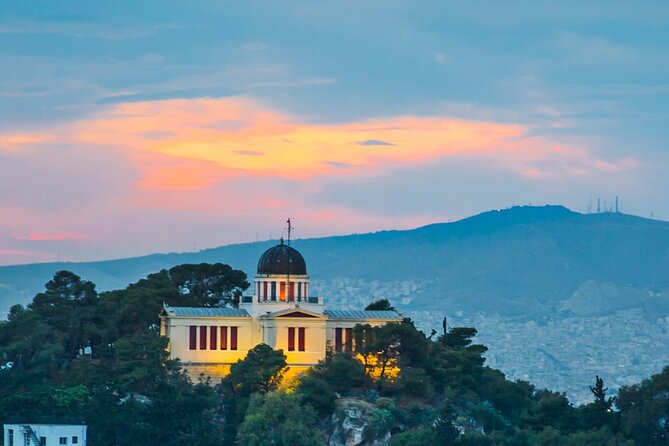
The tour ends at Philopappos Hill, also called Hill of the Muses. The plan highlights this as a place for the best vistas of the Acropolis and Athens by night, which is why it is a strong finishing point. The tour gives you about 45 minutes here, so you are not just dropped at a viewpoint and told to figure it out.
If you are the type of person who likes to connect the dots, this ending makes sense. You have moved from cemeteries and marketplaces to civic spaces and early science, and now you see Athens from above with the Acropolis in your line of sight. That view helps you understand why ancient Greeks tied identity to place.
The “big picture” theme of the tour is philosophy, politics, and how human reasoning evolves. The end location and longer pause feel designed for reflection, not only pictures.
Practical consideration: bring layers if you are going in cooler months or if you get into evening. Hilltop wind is real.
Practical Tips to Make This Walk Easier and More Fun
A tour like this rewards good basics. Here is how to set yourself up.
First, prepare for outdoor time. Stops include hilltops and open spaces, so sun protection, comfortable shoes, and water help a lot. If it is hot, the pacing can feel intense, but the guide has a track record of keeping things manageable with small refresh breaks, including water and ice cream stops noted in past experiences.
Second, if you care about the democracy-and-philosophy angle, do not treat this as sightseeing only. Ask questions when they pop up. The tour is built for conversation, and that is where you get the most value per minute.
Third, timing matters. This tour is booked fairly far ahead on average (about 37 days). If your dates are firm, book early so you get the slot that matches your schedule.
Finally, use the start and end points to plan the rest of your day. It starts at the Statue of Theseus area and ends at Philopappos Hill. That means the tour naturally “pulls” you through the city toward the elevated viewpoints, which can save you time compared with trying to assemble this route yourself.
Should You Book This Democracy, Philosophy and Mythology Tour?
Book it if you want Athens to explain itself through ideas. This is a strong choice for first-time visitors because it gives you a mental framework fast, and it is also great for repeat visitors who feel they have seen ruins but not the thinking behind them.
It is especially worth it if you like history with questions. The tour’s themes connect mythology, philosophy, politics, and the beginnings of science thinking into one storyline. It is also a good fit for families with teens and older kids who can handle discussion and want more than basic descriptions.
Skip it if you hate walking between multiple outdoor stops or if you want only free time to browse shops and take your own route. This is structured and focused, so you will be participating, listening, and moving.
If your goal is to leave Athens not only with photos, but with a clearer sense of how democracy and philosophy formed in real places, this is a very sensible booking.
FAQ
How long is the Mythology, Philosophy and Democracy tour in Athens?
The tour runs for about 3 hours.
Where does the tour start and where does it end?
It starts at the Statue of Theseus area in Athens and ends at Philopappos Hill.
Is the tour admission included for the stops?
The stops listed on the tour plan show admission ticket free at each location.
What language is the tour offered in?
The tour is offered in English.
How big is the group size?
The tour has a maximum of 12 travelers.
What happens if weather is bad?
The experience requires good weather. If it is canceled due to poor weather, you will be offered a different date or a full refund.
More Tours in Athens


More Tour Reviews in Athens
- All Day Cruise -3 Islands to Agistri,Moni, Aegina with lunch and drinks included
★ 5.0 · 4,958 reviews
Not for you? Here's more nearby things to do in Athens we have reviewed








Athens Mythology Tours, compared.
 ★ 4.6Mythology of Delphi, Museum and Arachova Guided TourFrom $314,008 reviews
 ★ 5.0Athens & Acropolis Highlights: Greek Mythology Small-Group TourFrom $542,370 reviews
 ★ 4.8Acropolis and Mythology Highlights Small Group TourFrom $532,275 reviews
 ★ 4.8Mythology Tour for FamiliesFrom $79173 reviews
 ★ 5.0The History of Athens: Greek Mythology Private TourFrom $199138 reviews
 ★ 4.9Guided Mythological Walking TourFrom $47125 reviews
 ★ 5.0Greek Mythology Treasure Hunt for Kids – Athens Private TourFrom $17477 reviews
 ★ 4.7The History of Greek Mythology Private TourFrom $18753 reviews
Browse the lists this tour appears in