
Reviewed · ATHENS ACROPOLIS & PARTHENON TOURS
Acropolis monuments & Parthenon Walking Tour with Optional Acropolis Museum
Parthenon photos start with a good guide. I love the skip-the-line setup and the small-group pace that makes the Acropolis feel manageable. One possible drawback is that it’s still a lot of standing and some steep paths.
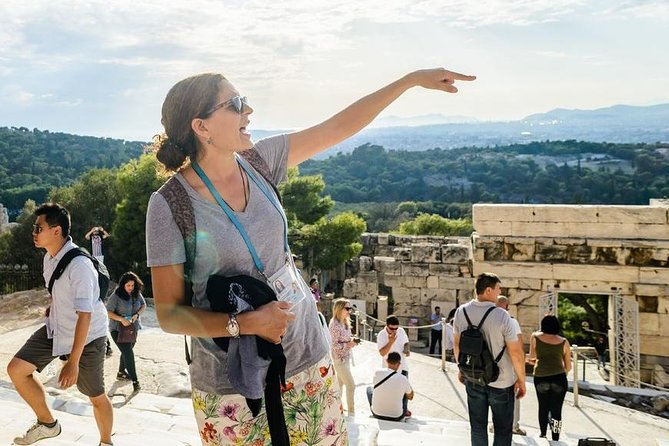
This is a classic first-time Athens choice, built around an early walk up to the hill so you can see the big monuments with less stress. You’ll get a licensed guide in English and a whisper-style audio system (headphones kick in for larger groups) so you can actually hear the stories while you look at stone that’s been here for centuries.
You can also add the Acropolis Museum after the ruins. If you choose that option, your tour ends at the museum (otherwise it ends at the Acropolis area), so you can keep exploring on your own without retracing steps.
Key highlights to look for
- Early start to beat the rush on the hill and at entrances
- Skip-the-line entry when you select the ticket option
- Small groups under 20 with audio support for clearer listening
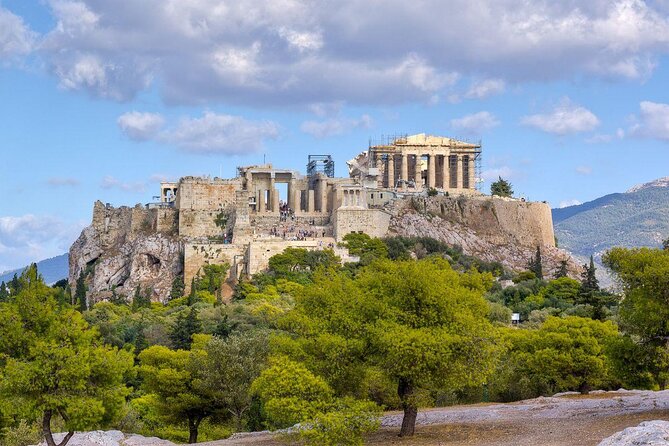
- Big monument stops including Propylaea, Parthenon, Temple of Athena Nike, and the Erechtheion
- Optional Acropolis Museum visit to connect ruins to artifacts
- Real guide storytelling that explains what you’re seeing, not just the labels
Why this early-morning Acropolis walk feels different
Timing is everything on the Acropolis. This tour meets early, then moves at a walking pace that respects the fact that you are going up a hill full of monuments, not strolling a flat museum floor. The format also keeps the focus on the main sights, so you don’t spend your energy figuring out where to stand for the best views.
I also like the way the guide narration is designed for moving time. You’re not trapped at one spot waiting for the group, yet you still get context before you move on. That matters because the Acropolis can be visually overwhelming until someone explains the relationships between temples, theaters, and the political meaning behind the architecture.
The experience is offered in English, with professional guide support throughout. If you’re traveling with a group that’s larger than 5, you’ll use a whisper guide system to hear instructions and stories more clearly, which is a big deal when you’re surrounded by wind, steps, and constant foot traffic.
And yes, this tour has a moderate fitness requirement. You should expect uneven ground, stairs, and plenty of standing. Bring comfortable shoes and plan for breaks when you need them, especially if it’s hot.
You can also read our reviews of more walking tours in Athens


Price and ticket value: what you’re really paying for
The tour itself is priced at $42.33 per person for about 4 hours. That price covers the licensed guide, small-group experience (maximum 20 per guide), and the skip-the-line component. It also includes audio support so you can keep listening while you’re walking and looking.
What changes the total cost is whether you add entry tickets. If you book with entrance tickets included, you pay the tour price plus admission as part of the package. If you don’t, you’ll need to buy the entry fees online in advance.
Here’s the straightforward ticket math to help you decide:
- Acropolis entry fee: about €30 per adult from April 2025, and €10 per adult from November to March
- Acropolis Museum entry fee: about €20 per adult from April 2025
There are also discounts you should take advantage of:
- EU citizens under 25 get free entry, with ID required.
- Others under 25 get a 50% discount for Acropolis tickets, and you’ll need a passport or ID to confirm your birth date at the gates.
For most people, the value case is simple. If you want the least hassle and the smoothest start, choose the option that includes tickets so you can get in without last-minute ticket buying. If you’re already comfortable planning entry times and buying tickets yourself, the tour-only option can save money, as long as you buy ahead.
Getting your bearings at the base: Dionysus Theatre and Herod Atticus
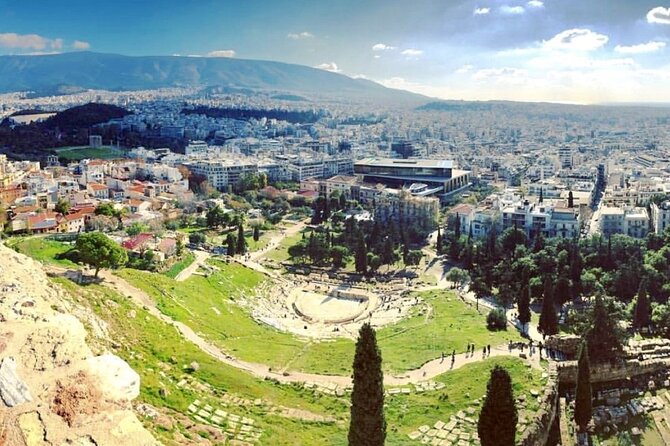
The tour doesn’t just toss you onto the hill and hope for the best. It begins with a warm-up walk that helps you understand the Acropolis as a whole lived-in landscape, not only the famous temples.
One stop is the Theatre of Dionysus Eleuthereus, built into the south slope. This theater is tied to the City Dionysia festival tradition, and the early orchestra terraces date to around the mid- to late-6th century BC. Even if you’ve only seen Greek tragedy in school, it helps to stand somewhere tied to performance culture rather than only war and kings.
Next you’ll see the Herod Atticus Odeon, a Roman stone theater completed in 161 AD and renovated in 1950. The point here is not Rome versus Greece. It’s the long afterlife of this place, where ancient stages kept getting reused and reshaped.
These stops are typically shorter, but they’re valuable because they train your eye. After you learn to spot theaters and ceremonial spaces below the main sacred area, the Acropolis stops looking like a single monument and starts looking like an entire civic and religious system.
Walking through Propylaea: your first real threshold moment
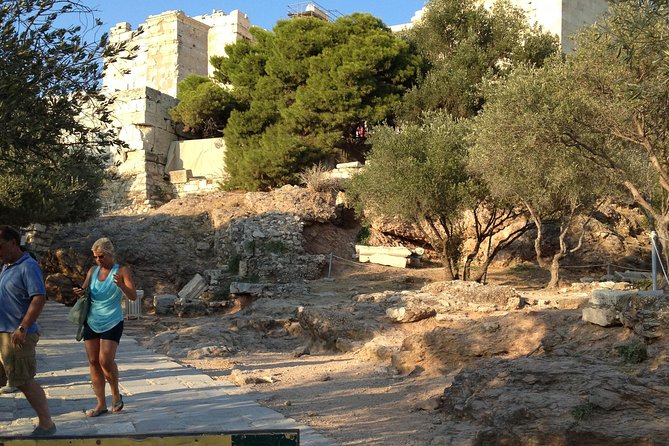
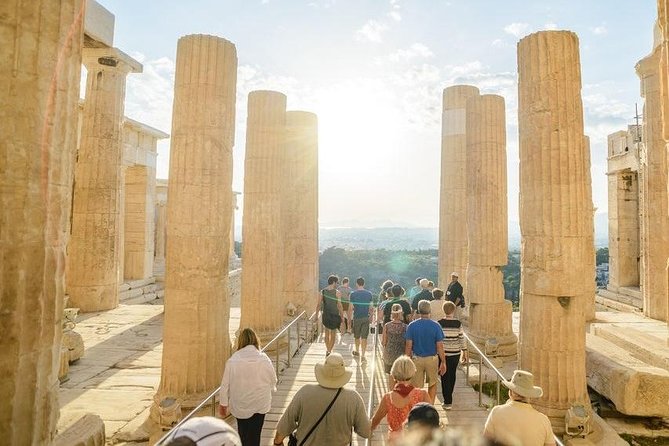
When you enter the Acropolis through Propylaea, it feels like crossing a line from city life into sacred space. Propylaea is described as an entrance designed around 2,500 years ago, and the experience of moving through it sets the rhythm for what comes next.
What you should watch for: the way the architecture frames movement. Even when you’re just walking as part of a group, you’ll notice how the gateways, terraces, and sightlines guide where people naturally look. That’s exactly what Propylaea does, functionally and visually.
This is also where a good guide earns their keep. Without guidance, you might recognize big-name sites only. With guidance, you’ll understand how entrances, temples, and dedications relate to power, worship, and identity in Athens.
You’ll spend enough time here to absorb the details without feeling rushed. And you’ll be positioning yourself for the most iconic views, especially once the main temple area opens up.
Parthenon and the Temple zone: what to notice, not just what to see
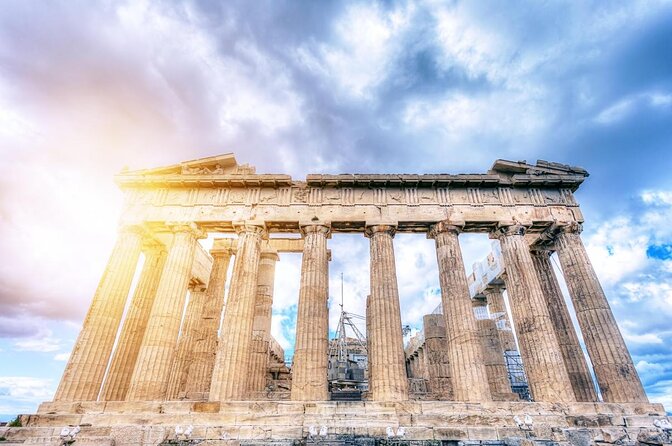
The heart of the tour is the temple zone, and this is where the visual impact is instant. But the real magic is learning what each structure is doing and why it mattered.
You’ll spend time at the Parthenon, the most photographed temple on the hill. Your time here is built around understanding the building’s role as the central monument for Athena and for the city’s public identity. Admission tickets to the hill are required unless you already chose the package with entry.
You’ll also visit the Temple of Athena Nike (Victory). It’s built around 420 BC and is described as the earliest fully Ionic temple on the Acropolis. That’s a key detail because it tells you you’re not only looking at famous ruins, you’re also looking at an early example of a specific architectural style. If you care about columns, proportions, and design evolution, you’ll get a lot out of this stop.
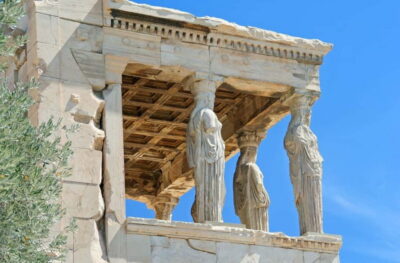
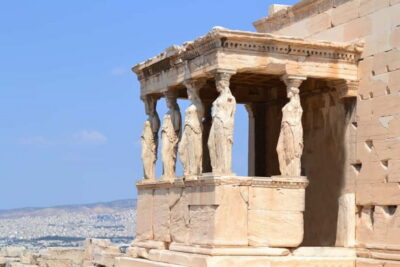
Another highlight is the Erechtheion, famous for its caryatid statues. These carved female figures act like architectural supports, and they’re a great example of how sculpture, religion, and politics were blended into a single statement. The stop is short but focused, so pay attention while you’re there rather than rushing to the next view.
A practical note: this part of the day involves lots of standing and slow walking. That’s not a flaw, it’s the reality of the Acropolis. The guide’s job is keeping the pacing manageable and explaining things clearly while you’re surrounded by stone, not brochures.
You can also read our reviews of more museum experiences in Athens





Acropolis Museum option: turning ruins into a story you can hold
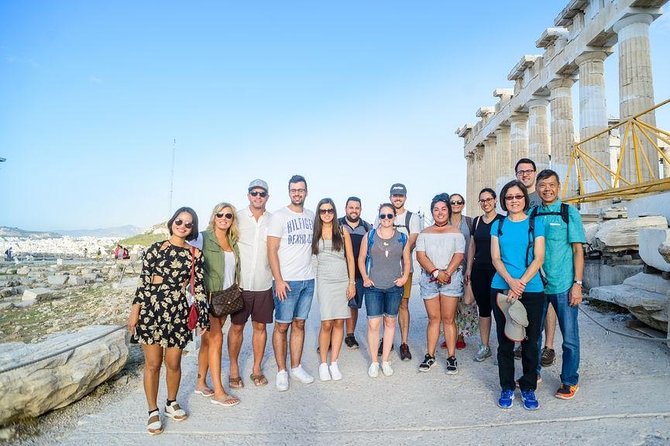
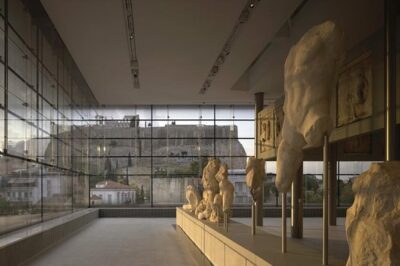
If you add the Acropolis Museum option, you’re doing the smartest follow-up for most first-timers. The museum is where the fragments you saw outside start to make sense as real parts of a larger artistic and religious program.
This tour is timed so you can connect what you see on the hill with what you’ll find indoors. The museum visit lasts about an hour in the tour format, and you’ll focus on the key galleries and highlight pieces that explain the history and craftsmanship behind the monuments.
The biggest value for the museum option is clarity. On the Acropolis, you’re looking at ruins shaped by time. In the museum, you see artifacts and sculptural elements that help you understand the original look and cultural intent. You also get a sense of what survived, what changed, and what was recovered.
Your tour ends at the Acropolis Museum if you book the museum option. That’s a convenience boost. Instead of figuring out transportation right after the hill, you can keep the momentum and explore the museum at your own pace if you want more time with specific objects.
Group size, audio, and guide style in real-world terms
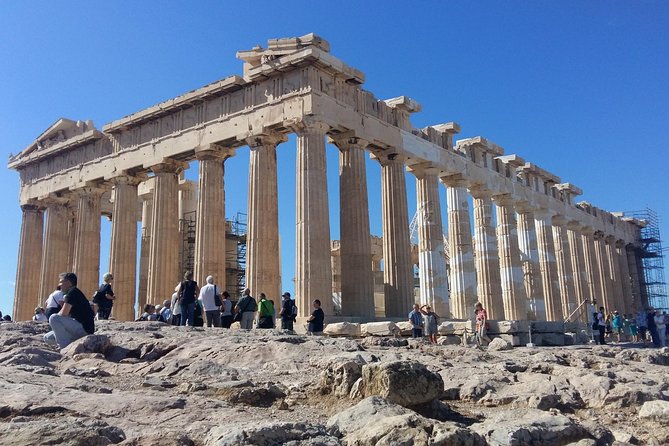
This is structured as a small group tour, with a maximum of 20 travelers per guide. That size is big enough to feel like a shared experience, but small enough to avoid losing yourself in the crowd. It also tends to make photo stops feel smoother, because the guide can manage a manageable flow around narrow spaces.
Audio support matters on the Acropolis. The whisper-style system (and headphones for groups larger than 5) helps you hear the guide even when there’s wind, traffic, and changing viewpoints. That’s not a small upgrade. It turns the tour from a silent sightseeing session into a guided interpretation you can follow.
The guides themselves vary, but the common thread in the experience is a strong focus on explaining architecture and mythology in a way that stays practical. Some of the guides you might encounter include people like Lisa, Aidli, Anna, Helen, Dorina, Dionysios, John D, and Afroditi Gianni. A few have been described as having archaeology backgrounds, including experience tied to excavations, which shows in the way they point out construction details and how items were found or used.
If you like asking questions, this format works well. You’re moving, but the guide can still answer and point you back to what you should notice.
Practical tips so the day stays comfortable

This is an outdoors-heavy tour with climbs, steps, and time in the sun. Plan like you’re going to spend half a day outside on a stone hillside.
Do this:
- Wear comfortable shoes you trust on uneven ground
- Bring a hat and sun cream
- Carry water, especially if you’re doing this in warmer months
- Expect plenty of standing during listening moments
If you’re traveling in winter, conditions can be different, but the physical rhythm stays the same. If you’re sensitive to cold or wind, dress in layers so you can keep listening without cutting the visit short.
One more thing: it helps to book with a realistic schedule in mind. The tour is about 4 hours, and the hill plus museum option is not a rushed sprint. If you plan a tight dinner reservation right after, you might want a buffer.
Who should book this Acropolis and Parthenon tour
This tour is a strong fit if:
- You’re visiting Athens for the first time and want a reliable way to see the main sites
- You like your sightseeing connected to meaning, not just names
- You want an easier day than self-guiding because someone else handles the order and pacing
- You want the option to extend into the Acropolis Museum for added context
It’s also helpful if you enjoy mythology and history, but you’d rather not feel stuck in a long lecture. The format is designed to stay tied to what you can see in front of you.
You may want to choose a different style of tour if:
- You dislike standing for long stretches
- You get uncomfortable with steep climbs
- You strongly prefer a fully self-paced visit and don’t want a structured route
Still, for most first-time visitors, this hits a sweet spot of structure, big sights, and interpretation.
Should you book it?
Yes, you should book this tour if you want to get more out of the Acropolis than the usual photo stops. The small-group size, skip-the-line value when you select tickets, and the audio system make it easier to focus on the monuments instead of logistics.
I’d especially lean toward booking the Acropolis Museum option if you’ve ever wished the ruins came with a clearer explanation. Seeing artifacts after you’ve walked the hill turns the day from impressive to understandable.
If your budget is tight or you already plan your own ticket entry, you can still book the tour-only option, but buy your tickets online in advance so you don’t lose time on the day.
FAQ
Is this tour offered in English?
Yes. The tour is offered in English.
How long is the Acropolis monuments and Parthenon walking tour?
It runs for about 4 hours (approx.).
Does the tour include skip-the-line entry?
Yes. The tour includes skip the line as part of the included features.
Are entrance tickets included in the price?
Tickets depend on the option you select. Entrance tickets are included only if you book the option that includes entrance tickets. If you do not choose that option, you must buy the tickets online in advance.
What is the Acropolis and museum ticket cost if I book tickets separately?
The provided pricing is €30 per adult for the Acropolis from April 2025 and €10 per adult from November to March. The Acropolis Museum is €20 per adult from April 2025.
How big are the groups?
The tour is limited to a maximum of 20 travelers per guide.
Is audio equipment provided?
Yes. You’ll use a whisper tour guide system for better listening for groups larger than 5.
Where does the tour start and end?
The tour starts at Porinou 5, Athina 117 42, Greece. If you book the museum option, it ends at Acropolis Museum, Dionysiou Areopagitou 15, Athina 117 42, Greece. If you book only the Acropolis, it ends at the Acropolis monuments.
Is the tour suitable for everyone physically?
It’s described as suitable for people with a moderate physical fitness level. Expect some standing and steep paths on the hill.
What happens if weather is bad?
The experience requires good weather. If it’s canceled due to poor weather, you’ll be offered a different date or a full refund.
More Walking Tours in Athens



More Tours in Athens

More Tour Reviews in Athens
- All Day Cruise -3 Islands to Agistri,Moni, Aegina with lunch and drinks included
★ 5.0 · 4,958 reviews



Not for you? Here's more nearby things to do in Athens we have reviewed









Athens Acropolis & Parthenon Tours, compared.
 ★ 4.4Acropolis & up to 5 Archaeological Sites Combo PassFrom $4812,619 reviews
 ★ 4.2Acropolis Ticket with Optional Audio or Live GuideFrom $4211,055 reviews
 ★ 4.8Acropolis, Parthenon & Acropolis Museum Guided TourFrom $409,316 reviews
 ★ 4.6Acropolis and Parthenon Guided Walking TourFrom $385,882 reviews
★ 4.8Acropolis, Parthenon & Acropolis Museum Guided TourFrom $413,579 reviews
★ 4.6Acropolis and Parthenon Guided Walking TourFrom $385,882 reviews
★ 4.8Acropolis, Parthenon & Acropolis Museum Guided TourFrom $413,579 reviews
 ★ 4.0Acropolis Ticket with Audio GuideFrom $473,575 reviews
 ★ 4.7Acropolis: Acropolis and Parthenon Guided Walking TourFrom $363,442 reviews
 ★ 4.5Athens All Included: Acropolis and Museum Guided Tour with TicketFrom $1652,673 reviews
Browse the lists this tour appears in