
Reviewed · ATHENS WALKING TOURS
Walking Tour for Understanding the Refugee Crisis in Athens
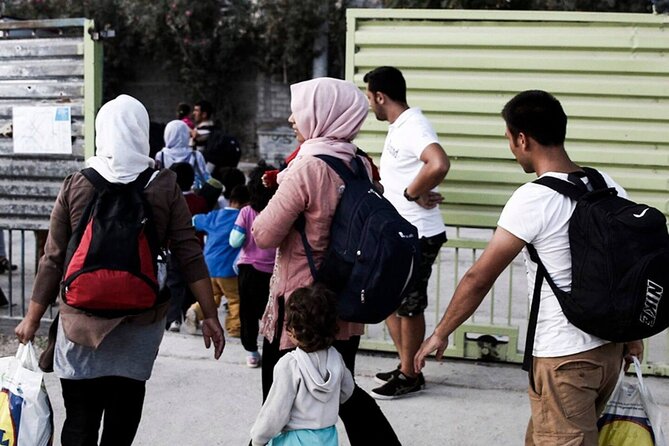
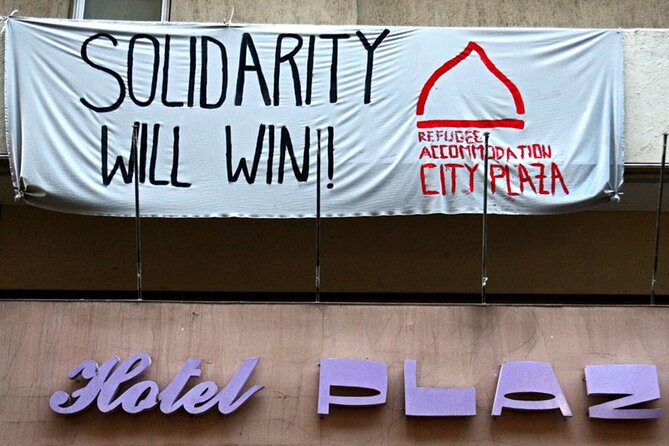
Refugee policy meets real ground in Athens. This is a 90-minute walking tour that uses Pedion tou Areos to help you understand why people are arriving in Greece, beyond the usual headlines. It is designed to make you look at the human side of the crisis, with context for what refugees face once they reach Europe.
I like that the pace is short and manageable, so you get real discussion without a long day. I also like that guide Isaac is friendly and answers questions directly, then pushes you to think about new angles after you ask. The group is kept to a maximum of 30, which helps keep the conversation practical instead of lecture-like.
One thing to consider: this walk may not feel good for everyone. It’s considered safe, but it deals with heavy material, and it is not framed for people who get overwhelmed easily.
Key highlights you should know before you go
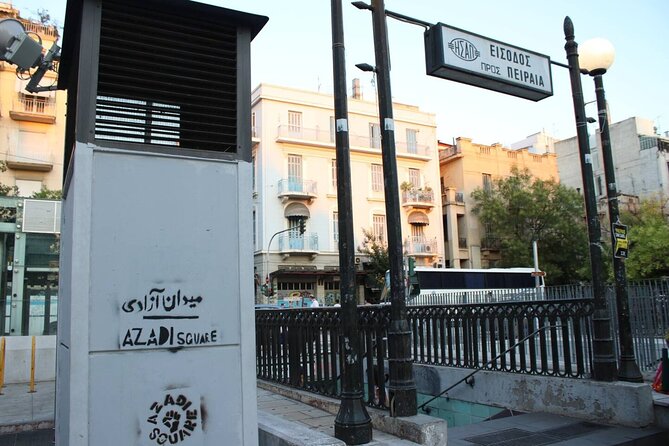
- Pedion tou Areos is the anchor stop: the walk centers on the park’s role in the refugee situation.
- A discussion-forward format: questions are welcome, not an afterthought.
- Isaac’s Q&A style: he is described as both approachable and sharply attentive to what you want to understand.
- Small group size: capped at 30 people, which usually means more back-and-forth.
- Intense topic, not casual sightseeing: expect emotional weight, even with a short duration.
- Practical finish location: the tour ends near Varvakios Central Municipal Market, handy for continuing your day.
Athens Refugee Crisis walk: what you’re really signing up for
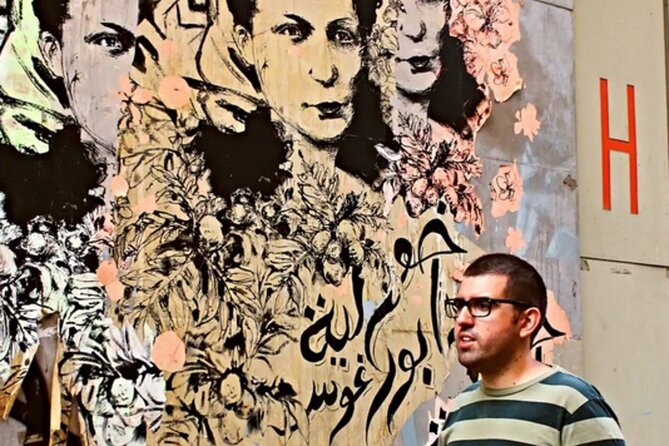
This tour is built for people who feel like the media moves too fast. You get a guided way to understand the refugee crisis in Athens that focuses on the why behind fleeing, and the reality of what arriving can mean. Instead of treating the topic as an academic exercise, the route is used like a classroom, with the aim of building empathy that doesn’t feel vague or performative.
Because the subject is emotionally heavy, you should set expectations. You are not going to get comedy, shortcuts, or tidy conclusions. You will leave with more questions than you had at the start, and that can be a good thing if you came for understanding.
You can also read our reviews of more walking tours in Athens


Pedion tou Areos: the park stop that shapes the whole tour
The entire walk is centered on Pedion tou Areos and its significance in the refugee crisis. Even though it’s one main area, you should think of it as multiple “layers” as you go, not just a single photo stop. You’ll be shown why this location matters in practical terms for people dealing with arrival pressures and uncertainty.
What makes this approach useful is that it ties ideas to place. When you talk about a crisis, it can stay abstract. When you stand in the setting where systems meet daily life, the discussion becomes more grounded. You get a chance to connect the human story to the built environment, and to see how public spaces can become part of emergency realities.
There’s also a built-in reminder that this topic is happening in the city you’re traveling through. Athens is not a backdrop. This walk treats the city like it matters in the story, because it does.
The atmosphere on the route: safe, but not light
The tour is described as safe, but it is candid about its nature. That means you may pass through parts of the city where some visitors feel uneasy, or at least outside their usual comfort zone. If you are the type who shuts down when things feel intense, you may want to skip this one or choose a different Athens walking topic.
You can also prepare mentally by setting a simple rule: stay curious, but don’t force yourself to power through discomfort. If you need to pause, step aside, or take a breath, do it. The goal is understanding, not endurance.
The good sign here is that you are not going alone with complicated feelings. With a guide leading the narrative, you’ll have a framework for what you’re seeing, and you’ll have a chance to ask questions in real time.
How the guided conversation works in 90 minutes
The total duration is about 1 hour 30 minutes, which is a sweet spot for this kind of topic. It’s long enough to cover meaningful context, but short enough that you can handle the emotional weight without it turning into a full-day strain.
In the best moments, this tour feels like a conversation with structure. Isaac is noted for answering questions and giving answers that lead to more thinking. That matters because the refugee crisis is full of political talking points, and you want more than slogans. You want to understand what people are reacting to, and what they are escaping.
The tour is also designed with a maximum group size of 30. In practice, that usually helps the guide keep the experience interactive. Instead of blending into a big crowd, you can stay engaged and still feel heard.
What you’ll learn about why people flee and what arrival brings
The walk is framed around one main idea: the reasons people flee are often missing from media coverage. You’ll be guided to consider the underlying challenges that push people out of their countries, and how those challenges carry forward when they reach Greece and Europe.
This is where the experience becomes more than a route. The park stop is a starting point for broader explanation, including how people deal with uncertainty after arrival. You might not get every detail of every policy issue in 90 minutes, but you should leave with a clearer sense of the human pressures behind the headlines.
I also appreciate the way this tour tries to shift your stance from detached to empathetic. That’s easy to say, harder to do. The format helps because you’re not asked to feel something randomly. You’re given a story and context, then encouraged to reflect.
- All Day Cruise -3 Islands to Agistri,Moni, Aegina with lunch and drinks included
★ 5.0 · 4,958 reviews


Meeting point at Green Park Athens, end at Varvakios Market
The walk starts at Green Park ATHENS, Mavrommateon 22, Athina 104 34, Greece. You’ll end at Varvakios Central Municipal Market, No 68 Varvakeios Agora, Athina 105 51, Greece.
Why I think this matters: a walking tour works best when you can quickly transition into the rest of your day. Starting near public transport makes it easier to get in on time. Finishing near a major market area is convenient if you want a calm way to process what you learned, or simply continue exploring Athens on your own.
If you like to build a day around your learning, this format helps you do that. You can schedule a lighter activity afterward, or just plan some quiet time.
Price and value: is $32.38 worth it?
At $32.38 per person, this walk is priced like a focused experience, not a budget add-on. For me, the value comes from two things you can feel on the ground: the time and the dialogue.
Ninety minutes is not long, but it’s enough for context and questions. A lot of short city tours stop at “here’s what you’re seeing,” then move on. This one is built around explanation and reflection tied to a real place connected to the crisis. That kind of guided framing costs more than a simple route walk, and the price reflects that.
You also get a small group cap of 30, which helps keep it interactive. If you care about understanding, that interaction time is often what you’re paying for. And the fact it’s mobile-ticketed is a practical bonus, because you can keep planning without fuss.
Finally, the tour is offered by Planetwonk and is confirmed at booking time, so you can plan with some confidence once you reserve.
Weather, comfort, and practical planning
This experience requires good weather. If conditions are poor, you’ll be offered a different date or a full refund. That’s a fair setup for a walking format focused on one main area, where time outdoors matters.
Also, keep in mind the tour’s emotional tone. Even with good weather, you should dress comfortably and bring what you need for city walking, like water and sun protection if it’s warm. Nothing about the topic requires roughing it, but being physically comfortable helps you stay present mentally.
If you want a simple strategy, plan this for a day when you’re not exhausted. Save it for when you can actually listen, ask questions, and take in the meaning behind what you see.
Who should book this tour, and who might want another option
You’ll likely enjoy this most if you want a social and political lens that connects to place. The tour is best for people interested in how Athens fits into the refugee story, and how ordinary visitors can understand what refugees experience without turning it into abstract debate.
You should especially consider it if you like guided discussion. The guide’s approach is highlighted as friendly and Q&A focused, and that type of interaction tends to work well when you’re trying to build real understanding.
On the other hand, if you are easily overwhelmed, this is the wrong fit. The walk is described as safe, but the subject matter may weigh on you. If you know you prefer lighter sightseeing when you travel, you may get more out of a different route.
It also makes sense to think about group dynamics. With up to 30 people, you can still find space to ask questions, but it is not a private experience. If you want one-on-one time, you might choose another format.
Should you book this Athens Refugee Crisis walking tour?
I think you should book if you want more than headlines and you’re ready for a serious, place-based explanation. The combination of a short 90-minute format, a tight focus on Pedion tou Areos, and Isaac’s friendly, question-driven style is the sweet spot for travelers who want clarity and empathy without spending your whole day.
You should skip it if emotional topics tend to hit you hard, or if you want a casual stroll with low mental load. Even though it’s considered safe, it asks you to face uncomfortable realities. There’s no shame in choosing the experience that matches your energy.
If you do book, go in with a simple plan: wear comfortable shoes, give yourself time to recover afterward, and be ready to ask questions. This tour works best when you treat it like a conversation with your guide and a chance to learn how a city becomes part of a human crisis.
FAQ
How long is the Walking Tour for Understanding the Refugee Crisis in Athens?
The tour lasts about 1 hour 30 minutes.
Where does the tour start and where does it end?
It starts at Green Park ATHENS, Mavrommateon 22, Athina 104 34, Greece. It ends at Varvakios Central Municipal Market, No 68 Varvakeios Agora, Athina 105 51, Greece.
What is the price per person?
The price is $32.38 per person.
Is the tour suitable for everyone?
It is generally suitable for most travelers, and it is considered safe. However, it may not be suitable for those who are easily overwhelmed.
How many people are on the tour?
The tour has a maximum of 30 travelers.
What happens if the weather is bad?
The experience requires good weather. If it is canceled due to poor weather, you’ll be offered a different date or a full refund.
More Walking Tours in Athens

More Tours in Athens

More Tour Reviews in Athens
- All Day Cruise -3 Islands to Agistri,Moni, Aegina with lunch and drinks included
★ 5.0 · 4,958 reviews
Not for you? Here's more nearby things to do in Athens we have reviewed






Athens Walking Tours, compared.
 ★ 4.6Acropolis and Parthenon Guided Walking TourFrom $385,882 reviews
 ★ 5.0Greek Food Walking Tour in AthensFrom $874,740 reviews
 ★ 4.7Acropolis: Acropolis and Parthenon Guided Walking TourFrom $363,442 reviews
 ★ 5.0Acropolis monuments & Parthenon Walking Tour with Optional Acropolis MuseumFrom $422,678 reviews
 ★ 4.5Athens Acropolis and Parthenon Walking TourFrom $411,355 reviews
 ★ 5.0Athens Authentic Greek Food Walking Tour (Small Group)From $83809 reviews
 ★ 4.4Early Morning Acropolis & Old Athens Guided Walking TourFrom $28748 reviews
 ★ 4.9Ultimate Food Walking Tour with 15 TastingsFrom $93567 reviews
Browse the lists this tour appears in