

Reviewed · ATHENS WALKING TOURS
Athens: Timeless Hills Walking Tour & Mount Lycabettus
Athens looks different when you earn it on foot. This is a physically active hill walk that mixes real city neighborhoods with famous vantage points, so you get sweeping views of the Acropolis and Athens from multiple angles. I like the story-led route that links what you see, the myths tied to the hills, and the civic ideas behind stops like the Pnyx. One drawback to plan for: this is a steady climb with uphill sections, and it does not include admissions or guided entry inside museums or archaeological sites.
You start in the lively Koukaki area near Trekking Hellas, then you work your way up past viewpoints on the Hill of the Muses and the Hill of the Nymphs. From there the walk keeps building, moving through classic Athens meeting places, the theater area, and the atmospheric backstreets of Anafiotika before it heads toward the Acropolis Museum area and the National Gardens. In the middle of all that, you are still walking, so the coffee and snack feel like a real reset, not a random extra.
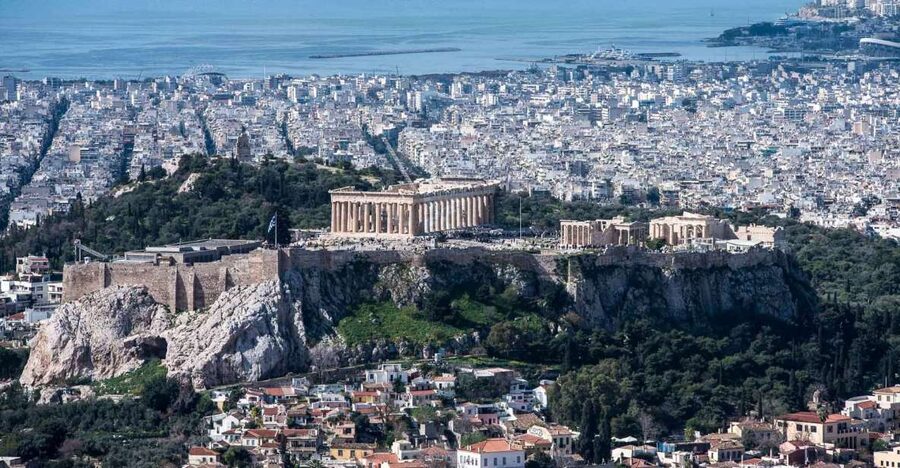
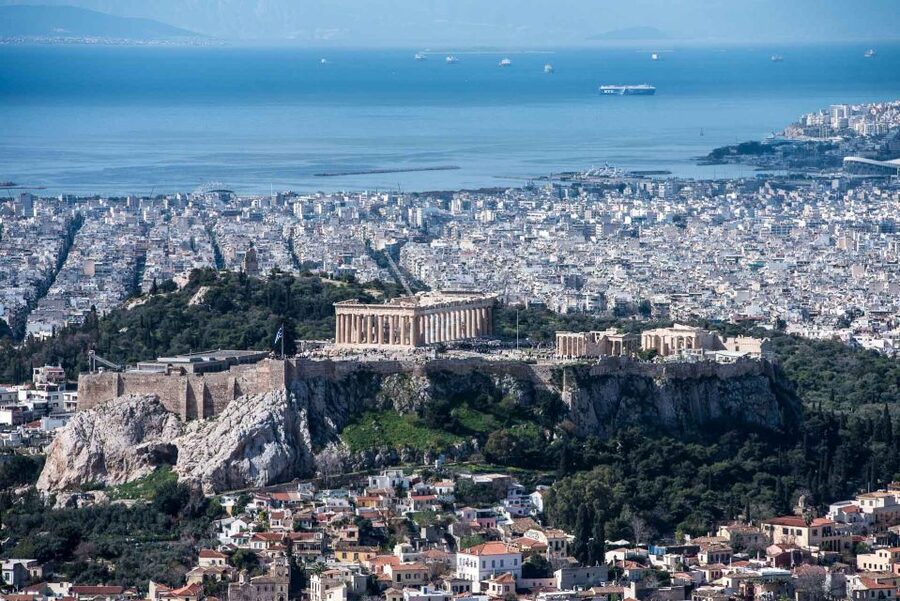
By the end, the main payoff is a climb toward Mount Lycabettus for big-city panoramas that frame the Parthenon area and the sprawling city beyond. Guides have also shared small photo and video pauses, and more than one guide highlights a low-key spot for the changing of the guards. If you hate stairs or steep grades, you will feel it here, so bring good shoes, water, and a calm pace.
Key takeaways before you go
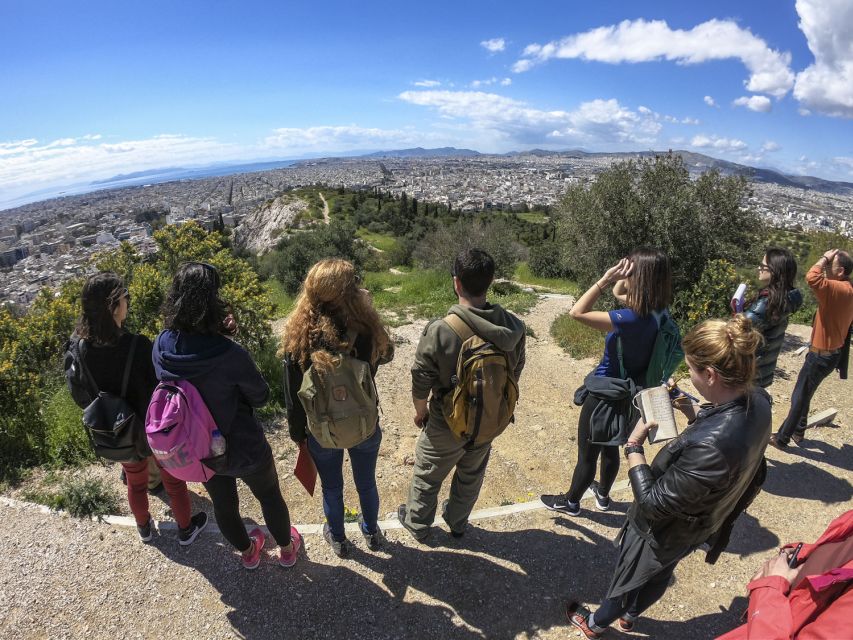
- Multiple viewpoints, not just one: Acropolis angles early, then Lycabettus at the end.
- Democracy and theater stops on foot: Pnyx and the Odeon of Herod Atticus help you read the city.
- Anafiotika feels like a Greek island inside Athens: narrow lanes, white-and-blue postcard views.
- No museum tickets included: you get storytelling outside and nearby, not guided entry inside sites.
- A snack and coffee break: built in, not an afterthought.
- Finish with transit close by: you end at Evangelismos Metro Station.
Koukaki start: Hill of the Muses and Hill of the Nymphs
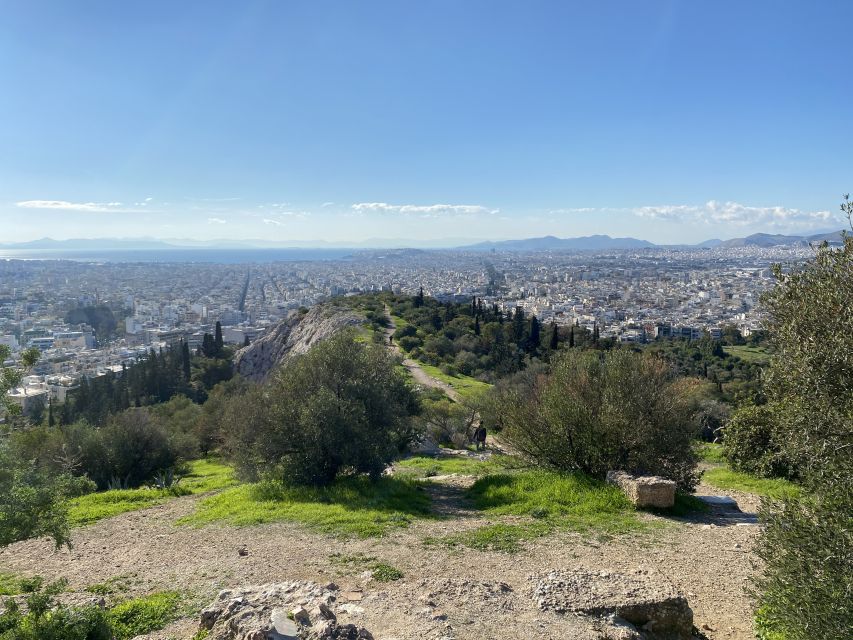
The day begins in Koukaki, a neighborhood that feels local without being far from the major sights. Your meeting point is at the Trekking Hellas Athens base on Parthenonos 12, so you start in the real city fabric, not at the edge of a monument zone.
From there, the tour turns quickly into a viewpoint walk. You head up the Hill of the Muses and then the Hill of the Nymphs, where you get clear sightlines toward the Acropolis area. What I like about starting here is that it teaches you how Athens sits in layers. First you see the skyline and the Acropolis hill in the distance. Then, as you move along, you start understanding why people built important places where they did. When the city changes from street level to hill level, the stories make more sense.
This part is also where you set your rhythm. It is not a casual stroll. Expect uphill sections, and plan to stop when your guide tells you to. One of the best tour skills is learning where to pause for the view, not just where to walk.
You can also read our reviews of more walking tours in Athens


Pnyx and the Assembly: where civic Athens gets physical
After those early panoramas, the route heads toward the Hill of Pnyx. This is one of those moments where the landscape turns into an idea you can picture. You are checking out the meeting place of the Assembly in Classical Athens, a key setting for how Athenians made decisions in the ancient world.
Standing in the right spots while learning the basics of Athenian democracy is a different experience than reading about it. You can connect the location with the purpose. You will also see the National Observatory, dating from the 19th century, which adds a second layer of meaning. Athens is not just ancient ruins. It is also a city that kept studying the sky and the world long after antiquity.
If you are short on time in Athens, this kind of guided, on-foot context can save you from walking the city like a checklist. You do not just see sites. You understand why the hills mattered.
Areopagus, Herod Atticus, and the turn toward Anafiotika
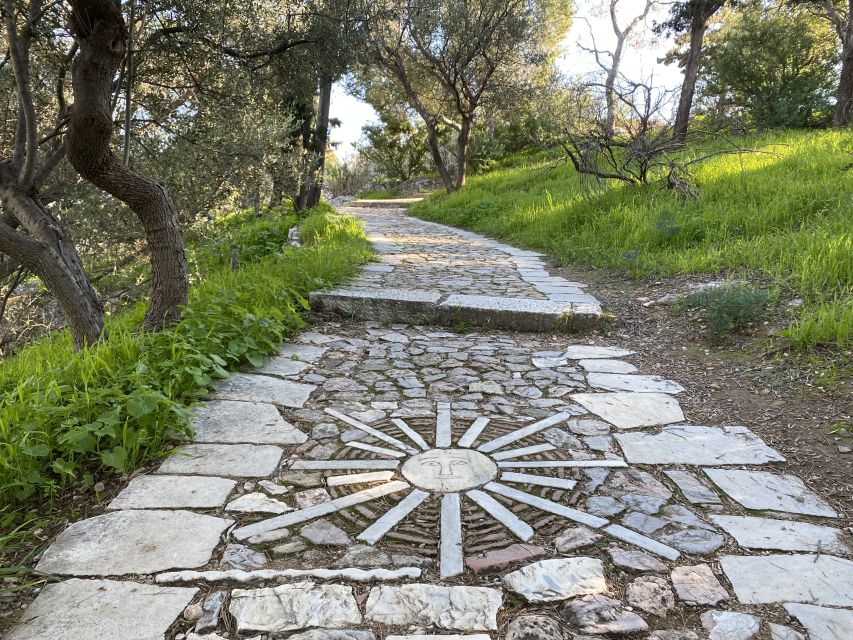
Next comes a shift from viewpoints into the dense “how Athens works” zone. You explore the Hills of Areopagus and see the Odeon of Herod Atticus. Even without going inside, the structure and its setting give you a sense of how performance and public life fit into the city’s topography.
Then the walk slows in the best way, because Anafiotika is all about wandering. This neighborhood is a maze of tiny lanes that creates that striking “mini village” effect, like a Greek island tucked inside central Athens. It is not just pretty. It changes your walking experience, because the tight streets turn your attention to details like walls, steps, corners, and sudden angles back to the main hills.
This is where I usually notice tours like this do something smart: the itinerary gives you variety so you do not feel like you are marching from one viewpoint to another. You get city logic, then you get a human-scale neighborhood, then you move again.
Acropolis Museum area, then Zeus, Hadrian, and the National Gardens
After Anafiotika, you reconnect with the larger monuments corridor and head toward the Acropolis Museum area. Your next major stops include the Temple of Zeus and Hadrian’s Arch. These are the kinds of landmarks that can feel overwhelming at first. On a hill-walking tour, they become clearer because you have just climbed, turned, and walked around the city in a way that gives you spatial context.
From there, you head into the National Gardens. This is a great breather in the middle of a physically active route, since gardens lower the mental noise. You will also see the Presidential Mansion as you move through the park area.
A practical note here: because this tour is active and does not include site entry or professional guidance inside museums, the pacing depends on your guide. You will likely get a mix of short explanations and “look here” moments. If you want deep museum time or ticketed archaeological access, you will need to plan those separately.
Mount Lycabettus finale: Kolonaki on the way down, Metro at the end
The final act is the part you felt coming for hours. You start walking toward Lycabettus Hill, where the reward is a wide, high-angle view over Athens. The best thing about saving Lycabettus for the end is that it crowns your day. Earlier you gained Acropolis views. Now you see how the whole city stretches out around it.
Guides also build in stops for photos and short video pauses so you can capture the skyline from angles you might miss if you are moving too fast. In one account, a guide even pointed out a more relaxed spot for the changing of the guards, which is the kind of small local knowledge that makes a tour feel smarter than a route you could do alone.
As you work your way down, you pass by Kolonaki, one of those Athens neighborhoods with a more upscale, stylish feel. Then the tour finishes at Evangelismos Metro Station, which is convenient if you want an easy plan for dinner afterward without having to taxi across town.
- All Day Cruise -3 Islands to Agistri,Moni, Aegina with lunch and drinks included
★ 5.0 · 4,958 reviews




Price and value: is $141 worth it for a half-day hike?
At about $141 per person for a 4-hour experience, this tour is priced for people who want guided structure, not just exercise. What you are paying for is the combination of a professional guide, the time it takes to route you through hilltop viewpoints, and the storytelling that connects the city’s layers.
You also get a small but useful inclusion: coffee and a snack, plus VAT. That matters more than it sounds on a walking tour, because you burn energy and you do not want to end up hungry and grumpy right before the uphill finale.
The big value question is what is not included. There are no admission tickets and no professional guidance inside sites or museums. So if your priority is entering archaeological areas or spending time in museums, this is not the right “one and done” plan. If your priority is getting your bearings, learning the main context, and seeing the big views from a walking-friendly route, the price starts to make sense.
Private group can also affect value. If you are traveling with a small circle, a private format often means less waiting and more tailored pacing, especially important on hills.
Who should book this tour, and who should think twice
This tour fits best if you:
- Want a first-timer style overview of Athens that still feels active and real.
- Like history told through walking and viewpoints, not through a museum lecture.
- Have decent stamina for uphill sections over about 7.4 km (4.6 mi).
Think twice if you:
- Prefer flat walking or are sensitive to steep climbs.
- Want to spend lots of time inside archaeological sites or museums. This route is about being outside, seeing key landmarks, and learning context nearby.
It also suits people who enjoy photo stops and short pauses. More than one guide is praised for patience, energy, and knowing where to stop for the camera. If you want Athens in images, this is the type of itinerary that gives you moments worth capturing.
Tips to make the walk smoother (and less painful)
- Bring sturdy shoes. This is not a sidewalk loop, and the uphill sections matter.
- Carry water, especially if you visit in warm weather. The route is active and you will feel it.
- Go at your pace, but listen when the guide cues photo stops. Those pauses often happen at the exact angles you want.
- Use layers. Hill weather can feel different than street level, and you are walking more than sitting.
- If you are traveling with a phone camera, assume you will want spare battery. Lycabettus views are the kind that make you shoot a lot.
Should you book Athens: Timeless Hills Walking Tour and Mount Lycabettus?
I think you should book this tour if you want Athens in a way that is physical, scenic, and easy to understand. The route connects the hills that shape the city with landmarks that have meaning, then finishes with a payoff view from Mount Lycabettus. The guide-led storytelling style seems to be the core reason people rate it so highly, from energy to patience to smart photo and video stops.
Skip it if you want museum entry, deep time inside archaeological sites, or a low-effort stroll. This is an active walk with a clear goal: panoramic perspectives plus the context to make those perspectives click.
If you are ready to walk hills and come away with a better mental map of Athens, this is a strong value pick for a half-day that feels like much more.
FAQ
How long is the Athens Timeless Hills Walking Tour and Mount Lycabettus?
The tour lasts about 4 hours, with an intense 3.5-hour walking portion. The total walking route covers roughly 7.4 km (4.6 mi), including uphill parts.
Where do I meet the guide?
Meet your guide at the Trekking Hellas Athens base, Parthenonos 12, Athina 117 42, Greece.
What is included in the tour price?
The price includes an experienced Trekking Hellas Athens guide, coffee and a snack, and VAT.
Does the tour include admission to archaeological sites or museum entry?
No. The tour does not include admission to archaeological sites, and it does not provide professional guidance inside sites or museums.
What languages are available for the live guide?
The live tour guide is available in English and Greek.
Is this an easy walking tour?
No, it is an active walking tour with uphill sections. You should expect a physically active route through multiple hills, neighborhoods, and viewpoints.
More Walking Tours in Athens



More Tours in Athens

More Tour Reviews in Athens
- All Day Cruise -3 Islands to Agistri,Moni, Aegina with lunch and drinks included
★ 5.0 · 4,958 reviews
Not for you? Here's more nearby things to do in Athens we have reviewed









Athens Walking Tours, compared.
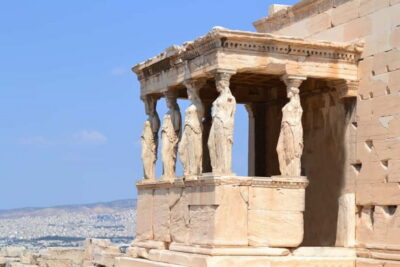 ★ 4.6Acropolis and Parthenon Guided Walking TourFrom $385,882 reviews
 ★ 5.0Greek Food Walking Tour in AthensFrom $874,740 reviews
 ★ 4.7Acropolis: Acropolis and Parthenon Guided Walking TourFrom $363,442 reviews
 ★ 5.0Acropolis monuments & Parthenon Walking Tour with Optional Acropolis MuseumFrom $422,678 reviews
 ★ 4.5Athens Acropolis and Parthenon Walking TourFrom $411,355 reviews
 ★ 5.0Athens Authentic Greek Food Walking Tour (Small Group)From $83809 reviews
 ★ 4.4Early Morning Acropolis & Old Athens Guided Walking TourFrom $28748 reviews
 ★ 4.9Ultimate Food Walking Tour with 15 TastingsFrom $93567 reviews
Browse the lists this tour appears in