
Reviewed · ATHENS ARCHAEOLOGICAL MUSEUM TOURS
Athens: National Archaeological Museum Ticket w/ Opt. Audio
Greek artifacts, no line headaches. A timed e-ticket gets you into the National Archaeological Museum in Athens fast, then you can wander rooms at your own speed through one of the world’s biggest collections of Greek antiquities. If you like structure but hate being rushed, this setup is a sweet spot.
I especially like how the visit is self-guided. You pick your pace, stop when something grabs your attention, and you are not stuck in a moving crowd. I also like the included audio option, which can help you connect objects to the wider story of Greek art and history as you walk.
One thing to consider: the museum is huge, so it is easy to start strong and end tired, or to miss the flow if you are relying only on the audio. Also, some audio and app experiences can be glitchy depending on your phone, so I would come ready with offline basics and patience.
Key things to know before you go
- Timed e-ticket entry: Scan your e-ticket at the gate and avoid the slow ticket-purchase crush.
- Optional audio for the museum: Choose the museum audio option if you want help turning objects into a story.
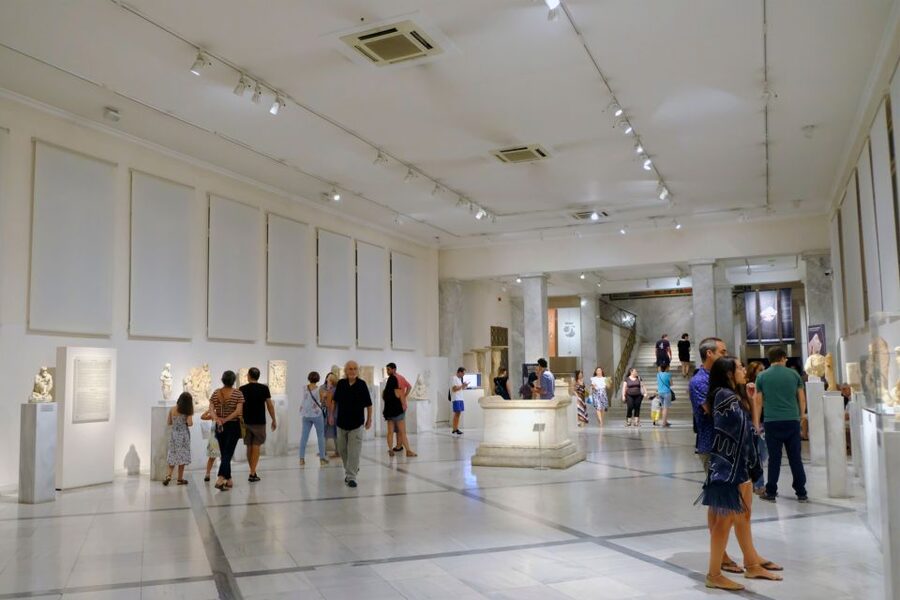
- A real see-it-all museum: Expect multiple galleries and floor layouts tied to Greek time periods and regions.
- Headphones matter: You will want them for the audio tour.
- Plan for walking time: The collections are so broad that one hour can turn into several quickly.
Getting In Fast at the National Archaeological Museum
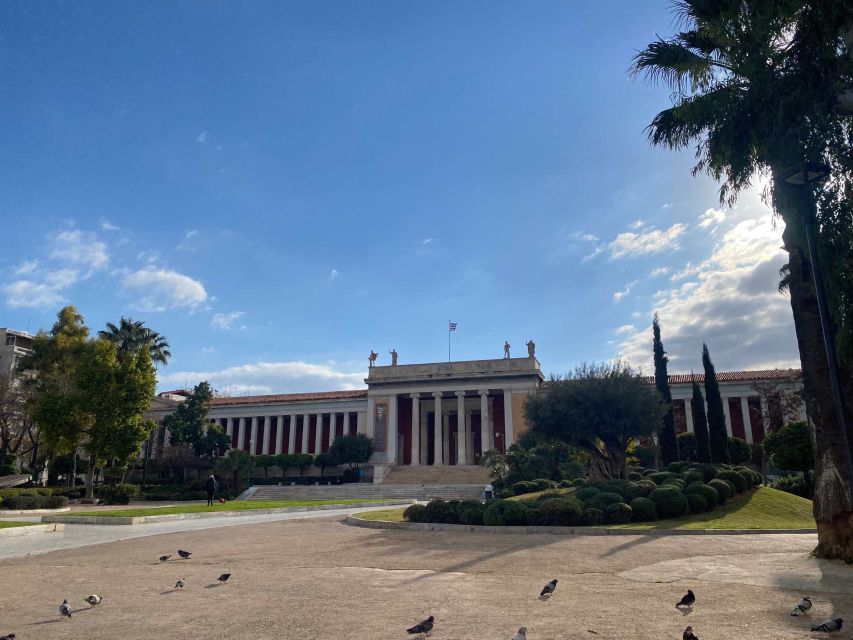
The National Archaeological Museum is one of those Athens stops where the building and the collection both feel “serious.” That is why this ticket format works so well: you arrive, scan your e-ticket, and go straight to the museum experience instead of spending your best sightseeing hours waiting.
The activity is set up around a selected date and time slot. That means you are not just rolling up whenever and hoping lines are manageable. In practice, this is where you feel the value most, especially if you are visiting during peak season or on days when cruise groups show up.
One practical tip from real-world experience: when you get to the museum, pay attention to which line you are in. There can be separate lines for buying tickets, for visitors with tickets, and for people collecting or using devices tied to audio. If you get in the wrong one, you lose time you could have used inside.
You should also plan your approach. The nearest metro station is Omonoia, which is a handy anchor for your route. From there, it is an easy walk to get oriented around central Athens.
More Athens tours and experiences for the shortlist



Your Self-Guided Audio Plan, Without the Guesswork
This ticket can include audio in two ways. With all options, you get a self-guided audio tour for Athens Old Town and Plaka. If you select the option that includes museum audio, you also get a self-guided audio tour specifically for the National Archaeological Museum.
Here is how I recommend using the audio so it does not become a distraction. First, decide whether you want help with orientation or deeper context. If you want orientation, use the audio to guide you through major rooms and the big named works. If you want deeper context, keep the audio on but allow time for stopping and looking, not just “listening while walking.”
A common issue in large museums is that descriptions might feel slightly detached from where the object actually sits. Some people find the audio does not flow perfectly, or that references can point you to something that is not right where the speaker seems to assume you are. You can fix this by slowing down at each room, matching what you hear to what you see, and using the room layout as your guide, not the audio alone.
Also, bring the right gear. The ticket info calls out headphones, and that is not optional if you want a smooth audio experience. One more thing that matters in real life: your phone battery. People report the audio app can use noticeable energy, so a portable charger is a smart move.
If you are sensitive to noise, be aware that museums sometimes have films or audio in busy areas. In one case, the background chatter made it hard to hear clearly, which is a reminder to treat those spots like short breaks, not the core of your listening plan.
A Museum Built for Time Travel: How the Rooms Work
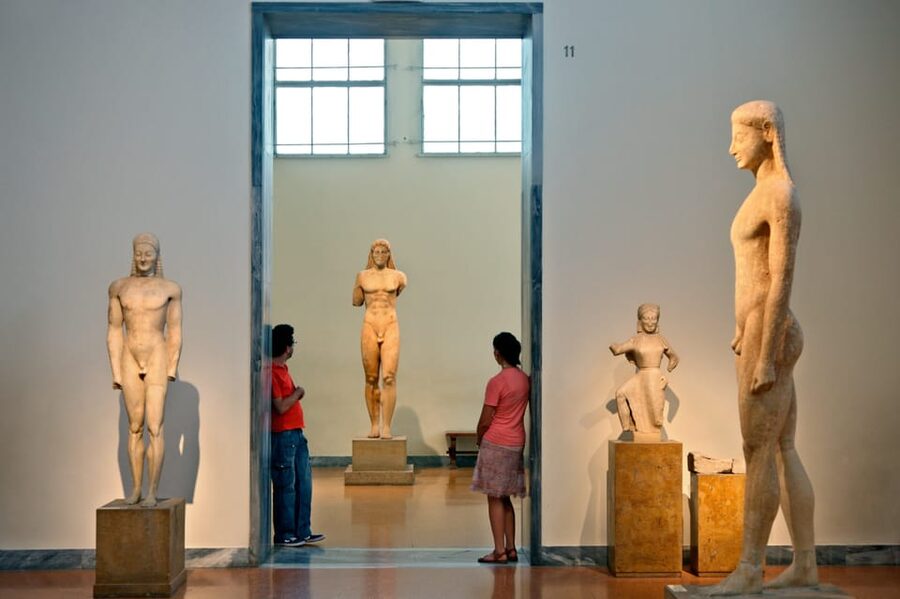
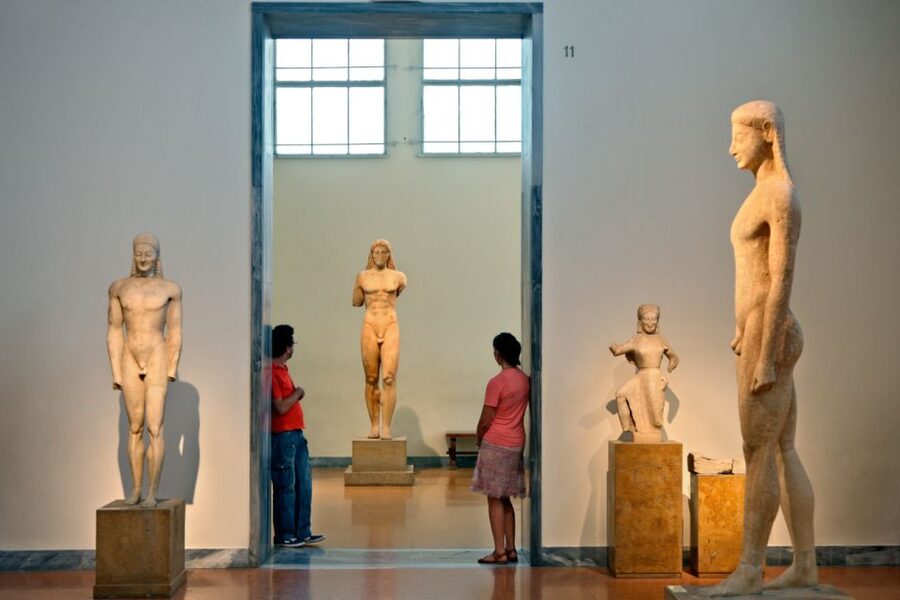
The National Archaeological Museum is set up like a walkthrough of Greek history and culture through objects. That is the big idea: you are moving through time periods and regions, watching how art, technology, and daily life changed.
In your visit, you will likely notice the museum is organized in time-line style sections across rooms, with different eras and collections. That makes it easier to connect one artifact to another. You can follow the story in order, or you can jump around to what you care about most.
Here is a practical way to plan your path so you do not feel lost. Start with a “big picture” strategy, then switch to a “highlight hunt.”
- Big picture hour: Spend your first chunk of time getting your bearings in the main timeline rooms. Look for the thematic flow and how the museum labels the eras.
- Highlight hunt: After you understand the structure, shift to the objects that made you buy this ticket in the first place. That is when the museum really clicks, because you are seeing the names you already heard in school books and history documentaries.
If you are the type who likes signs and arrows to keep you on track, this museum may require a bit of attention. Some visitors feel the timeline navigation could use more direction, and because it is so full, it is easy to overshoot into the wrong room section. The fix is simple: when you feel confused, stop, look around at what the room is labeling, and reset. Do not power through.
Artifacts You Should Plan Around: Agamemnon, Antikythera, and Friends
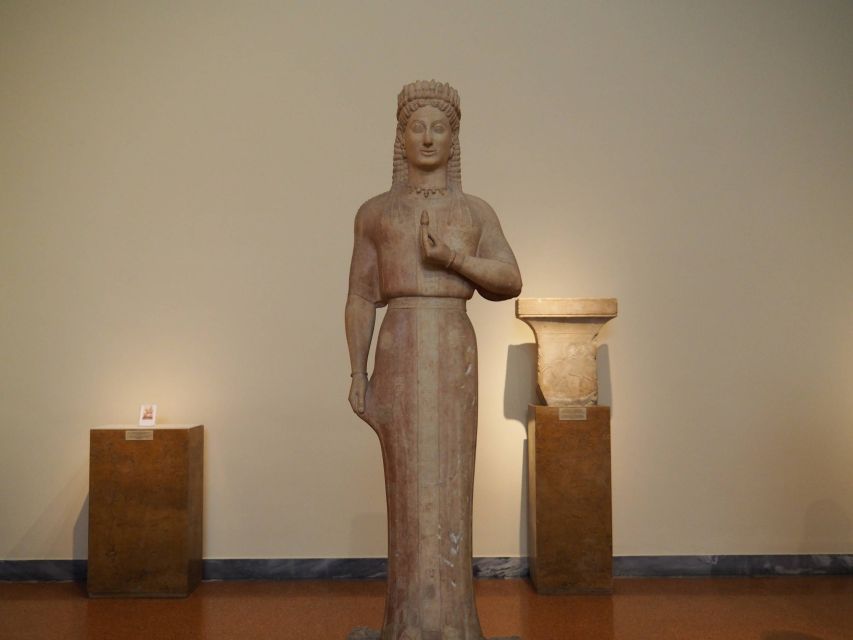
If you are coming for the famous pieces, this is your payoff. The museum houses standouts that feel instantly recognizable once you see them in person.
One highlight people talk about a lot is the mask of Agamemnon. Even if you do not know the story in detail, you will feel the weight of the craftsmanship. It is the kind of object that makes you slow down, because it is both a historical artifact and a work of art.
Another must-see is the Antikythera mechanism, often described as a marvel of ancient engineering. When you see it in the context of other Greek science and culture objects, you get a clearer sense that ancient Greece was not just philosophy and temples. It was also calculation, design, and tools.
You may also encounter objects like the Cup of Nestor and the Ring of Theseus. These are the sorts of artifacts that help you understand how Greeks used symbols, inscriptions, and objects connected to myth and identity. Then there are other big names you should look for in the sculpture galleries.
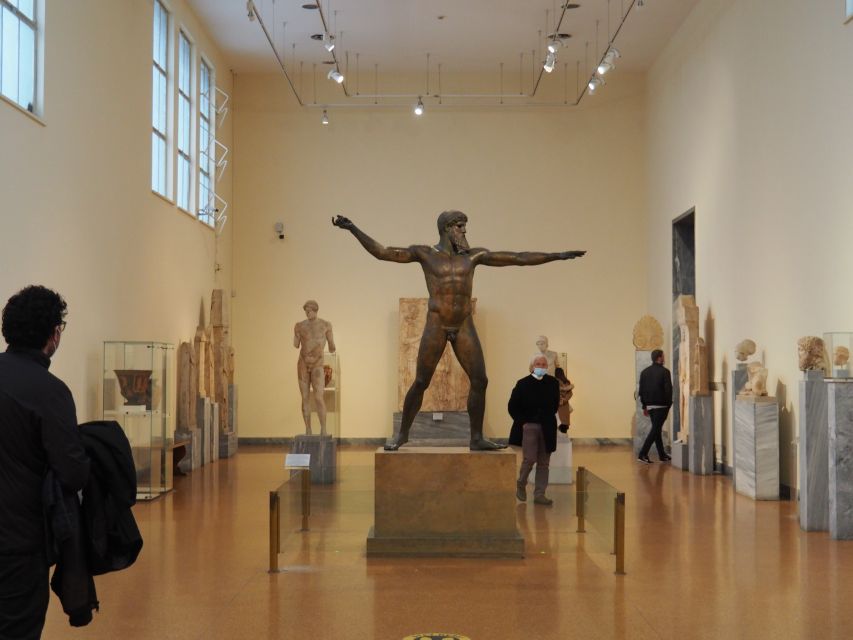
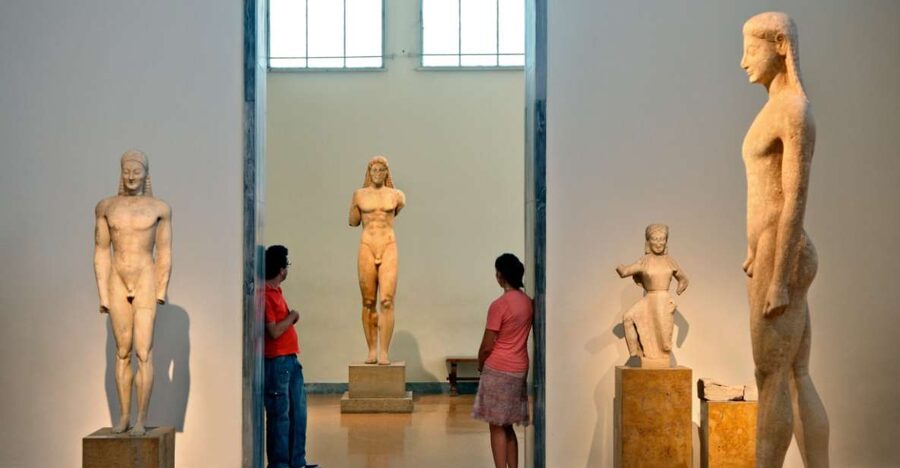
The museum is also where you can get up close to major statues associated with the gods, including Zeus, Aphrodite, and Poseidon. Standing before sculptures like these is a different experience than seeing them in a book. You can see how the artists shaped bodies for drama, ideal forms, and storytelling.
One note on expectations: because the museum is enormous, it can feel like there are too many objects to “do justice” to everything. I think that is normal. Instead of trying to absorb the entire collection, choose a handful of anchor artifacts and let everything around them become supporting evidence.
Sculpture Rooms and the Big-God Feeling

The National Archaeological Museum has a way of turning mythology into something you can actually look at, not just read about. The sculpture displays help a lot, especially for visitors who learn best by seeing.
When you find the rooms with major statues, take your time. For example, sculptures tied to Zeus and Poseidon can change how you visualize Greek religion and iconography, because the expressions and posture were designed to communicate power, presence, and status.
Also, keep an eye on comfort. Some galleries can have limited seating and certain rooms can feel hot, especially in summer. If you are visiting in the warm months, treat the museum like a “build your stamina” walk. Stop often, drink water, and do not schedule another long outdoor activity right after unless you know you can handle the heat.
If you want to get the best experience, go early when possible. Several visitors like starting around opening time to avoid crowd surges. That also gives you quieter viewing for the pieces that require focus.
You can also read our reviews of more museum experiences in Athens




The Second Floor Story: Santorini and the Aegean
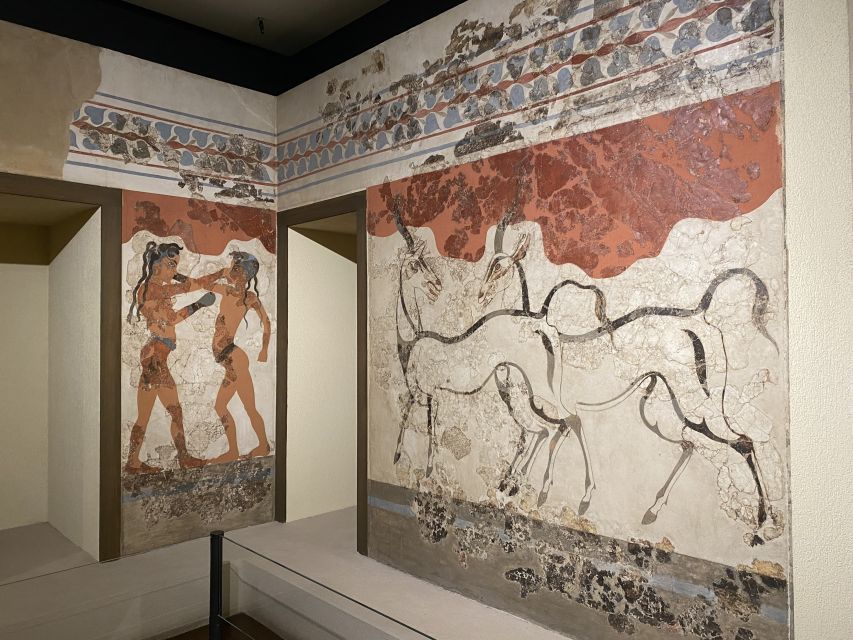
One of the extra reasons this museum is worth your time is that the collection does not stay strictly inside mainland Athens. The museum includes a second-floor area focused on Santorini and the wider Cycladic world. You can see materials connected to the volcano and the eruption that shaped the islands.
This is where the museum expands beyond the Greek mainland timeline you might expect. If you have ever been curious about how the Aegean’s natural events changed societies, this section helps connect the dots. It also gives you variety after hours of monuments and mythology.
You will likely see artifacts such as amphorae and vessels tied to that archipelago story. Even if you only spend a short stretch here, it gives your visit a more three-dimensional understanding of what “Greek history” means across space, not just one city.
Timing, Comfort, and How Long You Really Need
The ticket is valid for 1 day, but your “I planned for an hour” plan will probably not survive first contact with the collection.
Some visitors say they can do a solid pass in about an hour, especially if they are focused. Others describe multiple extended rooms and a much slower, closer approach. The truth is you need to choose your rhythm based on your interests.
If you like art, mythology, and standout masterpieces, plan for at least half a day. If you like history through objects, plan longer. The museum is active but can feel manageable if you time it well and take breaks.
Comfort matters too. The museum building has many rooms, and not all spaces feel equally cool. In hot months, expect some areas to feel less air-conditioned. If August or July is your travel window, I would treat the museum as an indoor “anchor,” then schedule your outdoor sightseeing for the cooler parts of the day.
One more practical idea: bring a portable charger, wear comfortable shoes, and keep your expectations flexible. If you see a lot and still feel like you want more, that is not failure. It is a sign the collection is deep enough to earn a second visit.
Price and Value for a $30 Timed Entry
At about $30 per person, this ticket is not a budget choice. But it also is not overpriced for what you actually get.
You are paying for three things:
- Time saved by using a pre-booked, timed entry approach.
- A self-paced museum visit that lets you control how long you linger at major exhibits.
- The option for an audio guide, which can help you turn objects into context.
Where this really pays off is when crowds can slow down the first part of the visit. People consistently say the simplest benefit is getting in quickly and skipping the slow lines. That matters because the museum is better when you have energy, not when you are already drained from waiting.
If you already know you will spend serious time in the museum, the audio can also make the money feel more justified. You do not need it to enjoy the collection, but it can help you connect what you are seeing to the broader story of Greek culture and craftsmanship.
Should You Book This National Archaeological Museum Ticket With Audio?
Book it if you want a fast entry and a self-guided experience that still gives you context. This is especially worth it if you are visiting during high season, you hate lines, or you want to use audio to connect masterpieces like the mask of Agamemnon and the Antikythera mechanism to the bigger picture.
Skip or downshift your expectations if you prefer a very “hands-on” human guide and do not trust phone audio. Also, if your phone battery is a weak point, plan for that so the audio does not become a hassle.
If you are trying to fit Athens into a tight schedule, this ticket is a smart choice because it helps you get straight to the reason you are there: one of the most important collections of Greek antiquity in the world, with enough highlights to keep you happily busy for hours.
FAQ
Where is the meeting point for this experience?
The nearest metro station is Omonoia.
What is included with the ticket?
You get an entry ticket to the National Archaeological Museum for your selected date and time slot. Depending on the option you select, you may also get a self-guided audio tour for National Archaeological Museum. The Athens Old Town and Plaka audio tour is included with all options.
Do I need headphones for the audio guide?
Yes. The experience notes that you should bring headphones.
How long is the ticket valid?
It is valid for 1 day, based on availability for starting times.
What should I bring for entry?
Bring a passport or ID card, and a copy is accepted. Also bring headphones if you plan to use the audio.
What are the museum opening hours?
Opening hours change by season. From November 1 to March 31, the museum is Wednesday to Monday 8:30 AM to 3:30 PM, and Tuesday 1:00 PM to 8:00 PM. From April 16 to October 31, it is Wednesday to Monday 8:00 AM to 8:00 PM, and Tuesday 1:00 PM to 8:00 PM. Hours may vary for special occasions, so check before you go.
More Museum Experiences in Athens
More Tickets in Athens


More Tour Reviews in Athens
- All Day Cruise -3 Islands to Agistri,Moni, Aegina with lunch and drinks included
★ 5.0 · 4,958 reviews




Not for you? Here's more nearby things to do in Athens we have reviewed









Athens Archaeological Museum Tours, compared.
 ★ 4.8Acropolis, Parthenon & Acropolis Museum Guided TourFrom $409,316 reviews
★ 4.8Acropolis, Parthenon & Acropolis Museum Guided TourFrom $413,579 reviews
★ 4.8Acropolis, Parthenon & Acropolis Museum Guided TourFrom $409,316 reviews
★ 4.8Acropolis, Parthenon & Acropolis Museum Guided TourFrom $413,579 reviews
 ★ 5.0Acropolis monuments & Parthenon Walking Tour with Optional Acropolis MuseumFrom $422,678 reviews
 ★ 4.4Acropolis Museum Ticket with optional Audio GuideFrom $302,652 reviews
 ★ 4.1Parthenon & Acropolis Museum with Audio or Live Tour OptionFrom $702,446 reviews
 ★ 5.0Acropolis, Parthenon and Acropolis Museum Guided TourFrom $411,778 reviews
 ★ 4.3National Archaeological Museum Ticket & Audio GuideFrom $311,330 reviews
 ★ 4.5Acropolis of Athens and Acropolis Museum TourFrom $56944 reviews
Browse the lists this tour appears in