
Reviewed · ATHENS ACROPOLIS & PARTHENON TOURS
Acropolis of Athens and Acropolis Museum Tour
The Acropolis feels taller than it should. This 3.5-hour small-group tour is interesting because it pairs a guided walk on UNESCO ruins with a focused look at the Acropolis Museum artifacts. I especially like the way the guide connects mythology and architecture as you walk, and the earsets help you hear clearly even when the summit is packed. One drawback to plan for, the entry times are strict, and you are dealing with a steep, slippery climb, especially if it rains.
If you choose the ticket upgrade, you prepay your entrance and can reduce waiting time after security, though it may not fully eliminate delays during peak periods. Bring sun protection and water, and expect you will spend most of the day on your feet across uneven stone. It is also not a stroller-friendly stop, and the walking route is not designed for wheelchair access.
Quick hits before you go

- Small group size (max 24) keeps things moving and makes it easier to hear your guide.
- Optional prebooked tickets reduce friction at entry, especially if you pick an early slot.
- Earsets are a big deal on the Acropolis, where crowd noise can otherwise swallow your guide.
- Your Acropolis walk is not just photos, you get guided stops at major structures plus a look at Asclepeion.
- The museum portion is timed well so you leave with a clearer story, then you can linger on your own.
Why this Acropolis plus Museum combo works
The best Acropolis tours do one thing well: they help you see what you are looking at. Here, you get a guided walk around the key monuments first, then you immediately switch to the Acropolis Museum, where many originals and key sculptures are collected in one place.
I like that the visit is built around “spot it, understand it, then confirm it.” The Parthenon and the smaller, easy-to-miss buildings make more sense when you later see the artifacts in context at the museum.
Also, this is one of those days where timing matters. With security checks that can take up to 30+ minutes in peak season, starting with a plan to handle entry is a real quality-of-life win.
You can also read our reviews of more museum experiences in Athens

Meeting at Dionysiou Areopagitou and getting through security
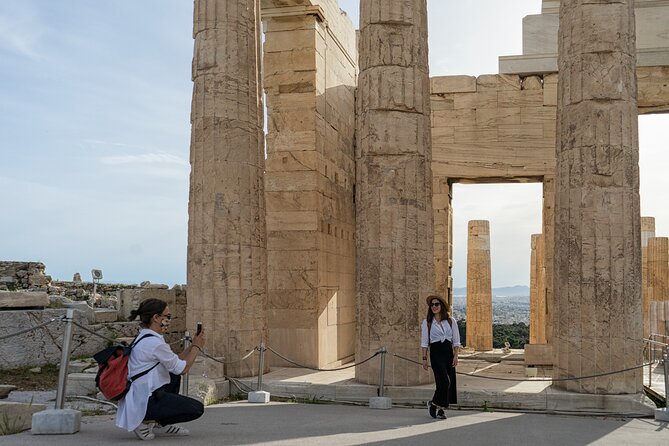
You meet near Dionysiou Areopagitou 3 in Athens, and you end at the Acropolis Museum (also on Dionysiou Areopagitou, number 15). That “same street” setup is helpful because it keeps your logistics simple once the walk is done.
Plan to arrive a bit early. The Acropolis has airport-style security, and they do not have a lot of patience for late arrivals. There are strict entry times, and latecomers can miss the window the group is booked into, with no refunds if you are not on time.
The small group size is max 24, but this is still a high-demand site. If you pick a time early in the morning, it is usually easier to move and you get better light for photos, plus fewer heat issues. In hot months, the “prepaid tickets for an early start” point keeps coming up as the smart move because it helps you get inside without burning half the morning in queues.
Acropolis stops you will actually remember
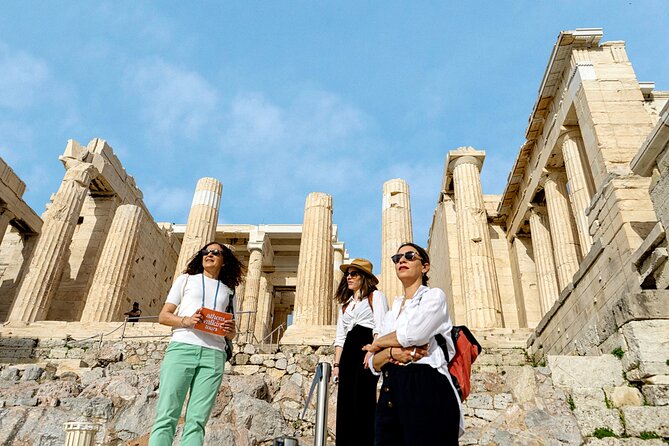
Your Acropolis portion is about 50 minutes on the main site, with additional time at key landmarks. The pace is guided and structured, with earsets so you can follow the story without turning your head every five seconds.
Theatre of Dionysus, where drama started
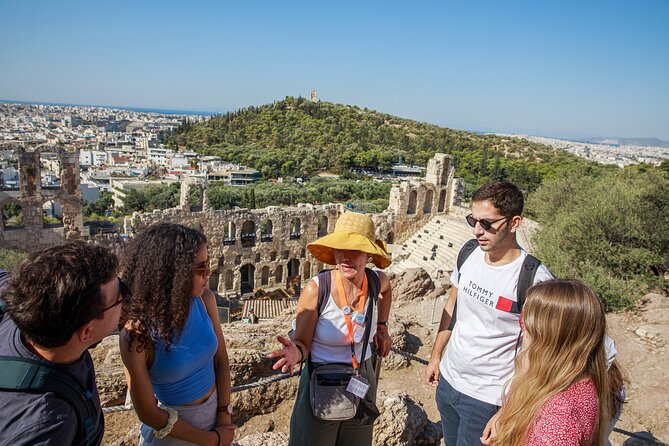
A stop at the Theatre of Dionysus gives you a sense of how ancient Athens treated performance as part of civic life. This is a hillside theatre carved into rock, so it is not just about the view, it is about the idea of audiences watching tragedies and comedies on a real slope.
Even if theatre is not your thing, the setting helps. You start to “feel” the difference between a monument you pass by and a place that once hosted real crowds.
Herodes Atticus Odeon: ancient form, Roman energy
Next comes the Odeon of Herodes Atticus, a Roman theatre that still gets used today for concerts and performances. That continuity is one reason the stop is worth it. You are not only seeing ruins, you are seeing a venue that stayed relevant by adapting over time.
If you like hearing how cultures carry forward the same ideas in different materials, this stop tends to land well.
- All Day Cruise -3 Islands to Agistri,Moni, Aegina with lunch and drinks included
★ 5.0 · 4,958 reviews




Temple of Athena Nike: small building, big views
At the Temple of Athena Nike, the focus is on the Ionic details and the setting. It is famous for its friezes, and you also get panoramic views over Athens, which is a big part of why people remember this moment.
It is a good place to pause, because it helps you reset before the walking shifts again.
Erechtheion: the Caryatids and the myths behind them
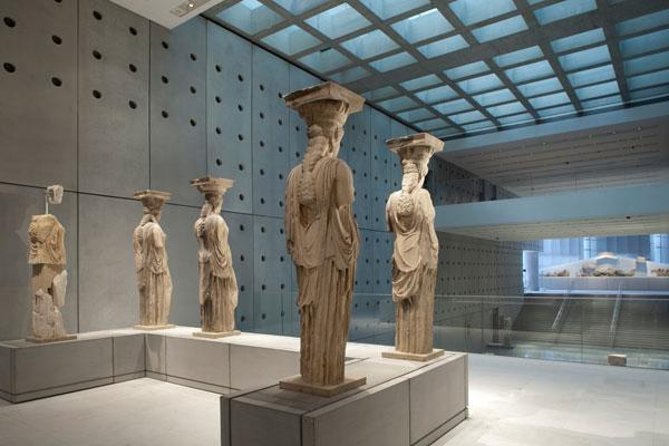
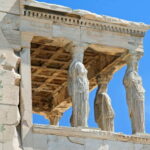
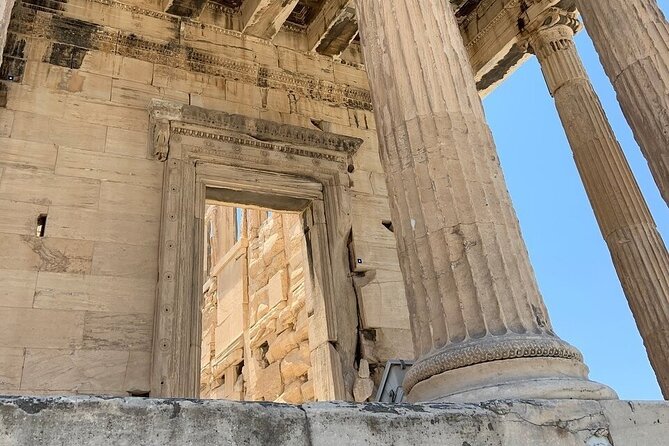
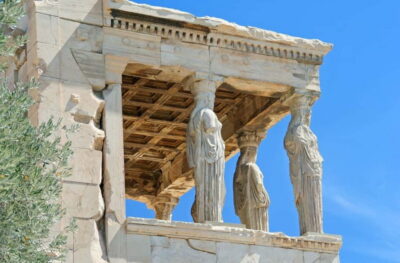
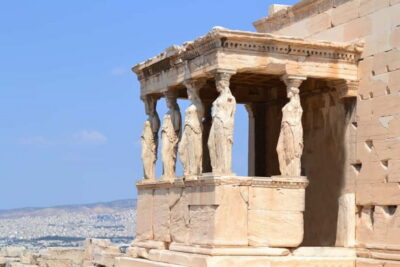
The Erechtheion is where mythology meets architecture in a very visible way. You learn the Athenian legends tied to the site, then you see the iconic Caryatid maidens, those sculpted figures that look like columns came to life.
This stop is also a great example of why a guide helps. Without context, you might admire the sculptures and move on. With the story, you start noticing how the design supports the meaning.
Parthenon: the big one, explained without rushing
The Parthenon is the centerpiece, with time set aside to understand the Doric columns, the friezes, and the overall shape of the building. You also get a break to look out over Athens, which matters because the Acropolis is not just an artifact, it is a strategic viewpoint.
Still, be realistic about time and movement. The Acropolis is uneven, and some steps can be steep and slippery. The guided route is designed for efficient viewing, but you should expect to do real walking and standing.
A practical note from the guide-minded folks who have done this in different seasons: wear shoes with grip. Marble and rain are a slippery combo.
Asclepeion: a quieter add-on that rounds out the site
The tour includes a guided visit of Asclepeion, which tends to be less front-and-center than the Parthenon. That helps broaden your understanding of what the Acropolis was beyond the “big postcard moments,” including how sacred spaces could serve different civic needs.
If you like tours that go beyond only the top three icons, this extra stop is a plus.
Acropolis Museum: how the story clicks into place
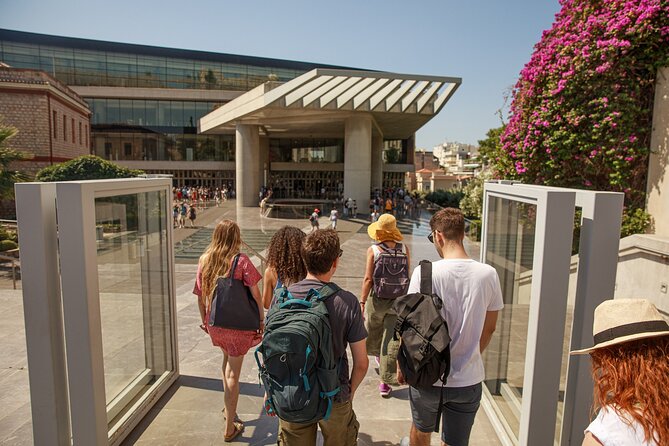
The museum portion is about 1 hour 30 minutes. It is timed like a highlights stop, not an all-day marathon, so you leave with a clear view of what matters and still have energy to explore further on your own if you want.
This is where many visitors get the best “aha.” When you connect what you saw on the Acropolis to the artifacts inside, the meanings stick. The museum visit is chronological, focused on the evolution of Athenian art and culture.
It also helps you understand what you might have noticed outside. Some architectural features are removed for preservation and replaced on site with replicas, and the museum holds many of the originals. A guide can point out what you are actually looking at in the room, which is the difference between reading labels and understanding why those objects exist.
If you are the type who likes museum time, you can stay afterward after the tour ends. The group generally exits together, but you are free to linger.
What the earsets change in the museum
The same earsets setup helps you in quieter rooms too. If the museum feels crowded or hard to follow at your own pace, this tour style lets you walk and listen without constantly scanning for the guide.
One small detail to know, you typically receive a single ear piece. If you have your own headset, it may work depending on the connection style, so it is worth bringing what fits your device.
Price and ticket value: what you are paying for
The tour price is listed at $56.84 per person, and the big question is what that includes. The entrance fees for the Acropolis and the museum are not included unless you select the ticket option.
Typical entrance fees are €30 for the Acropolis and €20 for the Acropolis Museum, so the ticket option can add to your total. Even if the base tour price feels reasonable, the math changes once you factor in those sites.
So is it worth upgrading? In my view, the answer is yes if:
- you care about reducing stress around timed entry,
- you want the guide’s explanation rather than reading alone,
- and you plan to go at peak times when the line situation can get annoying.
Skip-the-line is described as “reduce, though not always eliminate,” which is honest. In other words, the upgrade helps, but the Acropolis still has security and demand. If you hate waiting, upgrading buys you less standing and more time seeing.
Also, the tour includes practical items like an Athens Guide Magazine and an Athens Map. Those are small perks, but they help you keep exploring after the main route ends.
Pacing, weather, and what to bring (so you are comfortable)
This is a moderate physical fitness experience. You are climbing uphill, moving between several stops, and standing in the sun. Reviews and tour details repeatedly warn that there is limited shade on the Acropolis, so sun protection is not optional.
Here is the practical checklist:
- Comfortable shoes, ideally with grip on slippery stone
- Hat and sunscreen
- A bottle of water, because you should not assume you will have access during the walk
- Light layers, and consider an extra layer if you get chilly in the evening after a daytime climb
In hot weather, bring water that you can manage, not just a little sip bottle. One traveler tip notes vending machines can have water but may require coins, so relying on card-only is a gamble.
Rain is handled, and the tour runs rain or shine. Some groups have even been provided rain gear, but you still need to think about slip risk because marble can be slick.
Group dynamics: small group, still crowded
Max 24 travelers is a sweet spot. You are not stuck in a giant herd, but the Acropolis itself can still feel dense at certain points.
Headsets help with this. They are a major reason the tour is described as easy to follow even when you cannot get perfect sightlines.
Just know guide style can vary. Some guests love when the guide tells mythology stories and ties them to the monuments. Others prefer less anecdotal time and more direct focus on history and photos. That is personal preference, and it is worth deciding what you want from the day.
Who this tour suits best
This works especially well if:
- you want the highlights without turning the Acropolis visit into a self-guided guessing game,
- you like stories tied to visible architecture,
- and you want a clean bridge from ruins to museum artifacts.
It is also a smart choice for first-time Athens visitors who do not want to spend half a day deciphering where to look and what matters most.
On the other hand, it may not suit you if you have limited mobility or you need a wheelchair accessible route. The walking demands, uneven surfaces, and route constraints can make it difficult, and wheelchair access is not built for this exact itinerary.
It is also not stroller-friendly on the Acropolis area, and there is no cloakroom at the side entrance used. If you are traveling with a baby, a baby pouch is recommended instead of a stroller.
The guide factor: why the experience can feel different
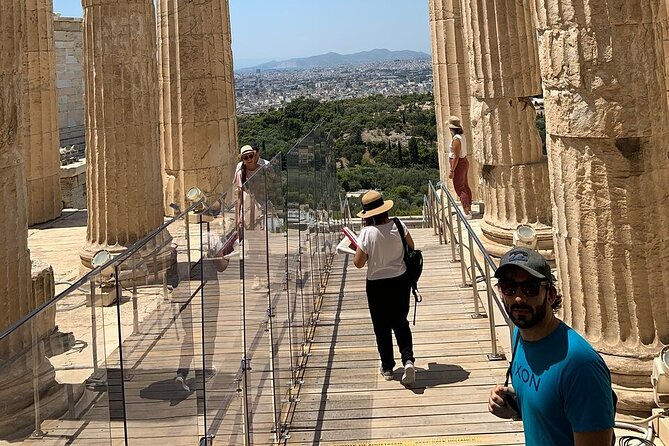
This tour stands and falls on the guide, and the reviews show a pattern: strong guides make the stones feel alive. Names that come up include Dimitris, Rina, Yolanda, Maria, Margarita, Niamb, Philippia, Aigli, Nicoletta, Niobe, and Panyioti.
What many of these guides share is a clear way of explaining what you are seeing, then adding myth and historical context without turning it into a lecture you forget by the next stop. They also tend to handle the real-world issues, like keeping everyone steady on slippery terrain and managing breaks in intense heat.
If you are the type who hates being rushed, look for indicators that the guide actively pauses at key points and builds in rest. Reviews also mention some guides managed shade stops, which can make a huge difference on a summer day.
Should you book this tour?
Book it if you want an organized Acropolis day with a guide who connects the site to the museum. The pairing of Acropolis highlights plus the Acropolis Museum is the core value, and the earsets plus small group size make it easier to enjoy instead of just surviving the climb.
Skip booking only if you already know the history you want, you plan to visit at a time when lines are minimal, and you do not care about guided storytelling. Even then, consider at least a museum visit, because seeing originals and context in one place is a different experience than reading placards outside.
If you can handle stairs, sun, and a bit of waiting for security, this tour is a very practical way to get more meaning out of the Acropolis than you would on your own.
FAQ
How long is the Acropolis and Acropolis Museum tour?
The tour is about 3 hours 30 minutes, with roughly 50 minutes for the Acropolis portion and about 1 hour 30 minutes for the museum.
What is included in the tour price?
You get an English speaking professional guide, a small group tour, skip-the-ticket line service if you book the ticket option, earsets, and guided visits of the Acropolis and major stops like the Parthenon and Erechtheion. The tour also includes a guided visit of the Theatre of Dionysus and Asclepeion, plus a guided visit of the Acropolis Museum. An Athens Guide Magazine and an Athens Map are also included.
Do I need to buy entrance tickets?
Yes, entrance fees are not included unless you select the ticket option. The Acropolis ticket is listed as €30 per person and the Acropolis Museum ticket is listed as €20 per person.
Where does the tour start and end?
The meeting point is Dionysiou Areopagitou 3, Athina 117 42, Greece. The tour ends at the Acropolis Museum, Dionysiou Areopagitou 15, Athina 117 42, Greece.
What should I bring?
Wear comfortable shoes and clothes, and bring a hat and sunscreen. Bring a bottle of water, since you should expect a lot of time walking and standing.
Is it stroller-friendly?
Baby strollers are not allowed on the Acropolis or the archaeological site, and there is no cloakroom at the side entrance used. A baby pouch is recommended instead.
Is this tour wheelchair accessible?
The information provided indicates the tour cannot accommodate wheelchair guests because the wheelchair accessible route is through another entrance, not the one used for this tour.
More Museum Experiences in Athens



More Tours in Athens



More Tour Reviews in Athens
- All Day Cruise -3 Islands to Agistri,Moni, Aegina with lunch and drinks included
★ 5.0 · 4,958 reviews
Not for you? Here's more nearby things to do in Athens we have reviewed










Athens Acropolis & Parthenon Tours, compared.
 ★ 4.4Acropolis & up to 5 Archaeological Sites Combo PassFrom $4812,619 reviews
 ★ 4.2Acropolis Ticket with Optional Audio or Live GuideFrom $4211,055 reviews
 ★ 4.8Acropolis, Parthenon & Acropolis Museum Guided TourFrom $409,316 reviews
 ★ 4.6Acropolis and Parthenon Guided Walking TourFrom $385,882 reviews
★ 4.8Acropolis, Parthenon & Acropolis Museum Guided TourFrom $413,579 reviews
★ 4.6Acropolis and Parthenon Guided Walking TourFrom $385,882 reviews
★ 4.8Acropolis, Parthenon & Acropolis Museum Guided TourFrom $413,579 reviews
 ★ 4.0Acropolis Ticket with Audio GuideFrom $473,575 reviews
 ★ 4.7Acropolis: Acropolis and Parthenon Guided Walking TourFrom $363,442 reviews
 ★ 5.0Acropolis monuments & Parthenon Walking Tour with Optional Acropolis MuseumFrom $422,678 reviews
Browse the lists this tour appears in