
Reviewed · ATHENS ACROPOLIS & PARTHENON TOURS
Athens: Acropolis Wine Tasting with Cheese and Olives
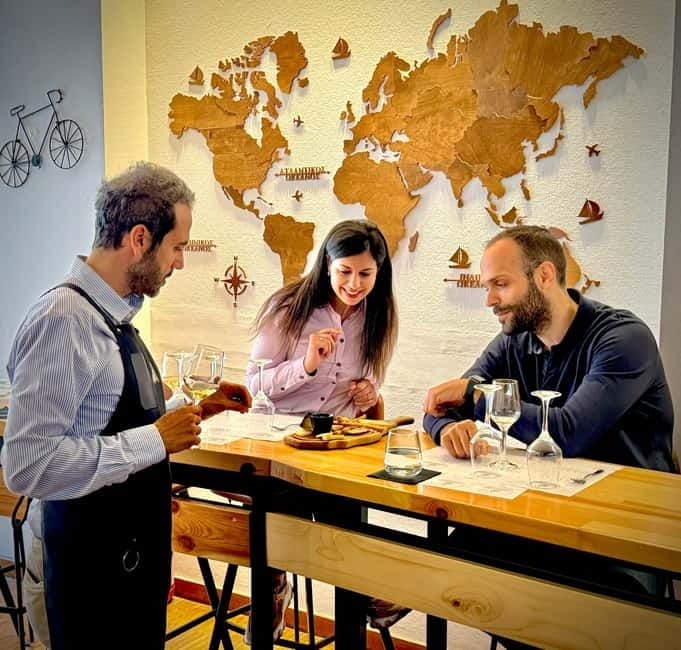
Wine and myths under the Acropolis beats bar hopping. This is a small group tasting where you pair wine with Greek bites and then get a virtual Attica vineyard tour that connects modern pours to ancient winemaking. I like how the format feels friendly and structured, but I’ll be blunt: at about $55 for 1.5 hours, it is not a cheap snack and sip.
My favorite part is the teaching. You do not just taste, you learn a clear way to evaluate wine, from color and smell to taste and even what alcohol level can hint at. You also leave with a cheat sheet and a written list of what you tried, which is a small detail that pays off later when you are shopping bottles.
The session runs in English and Greek with a live guide, starting at Tournavitou 9 near the Thissio Metro station, and it ends back at the same spot. Hosts you may see mentioned include Eva, Evalina, Tonia, and Fortinia, and they run the experience with a strong mix of history and practical tasting tips.
Key Takeaways Before You Go
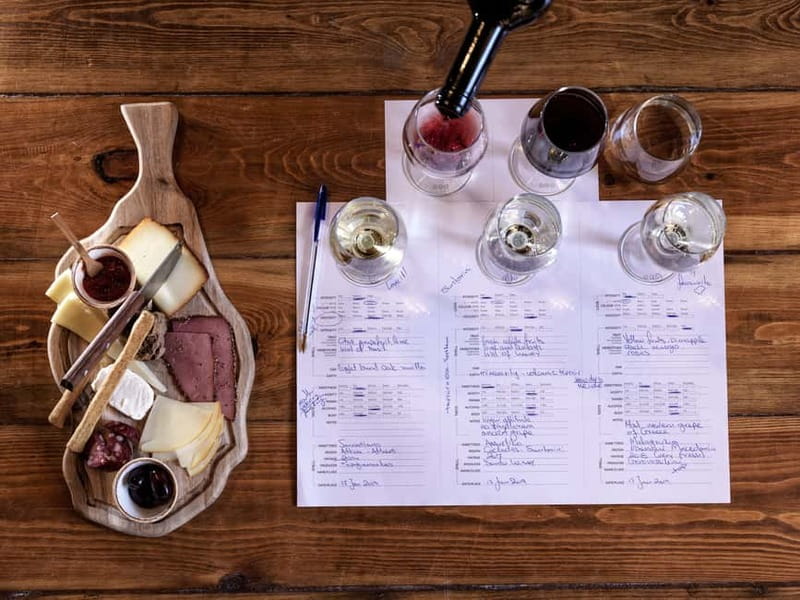
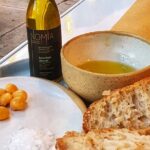
- Five Greek wines (3 whites, 2 reds) with cheese, Greek olives, and homemade bread rusks
- A taught tasting method, covering how to look, smell, and taste, plus how alcohol percentage fits in
- Virtual tour of Attica vineyards, grape varieties, and ancient winemaking processes
- Acropolis-adjacent setting, designed for a focused, social session rather than a rush through wine bars
- Small semi-private group size, typically around 8 to 10 people for questions
- A cheat sheet plus a wine list, so you can remember what you liked and find it later
Finding the Tournavitou 9 Starting Point Near Thissio
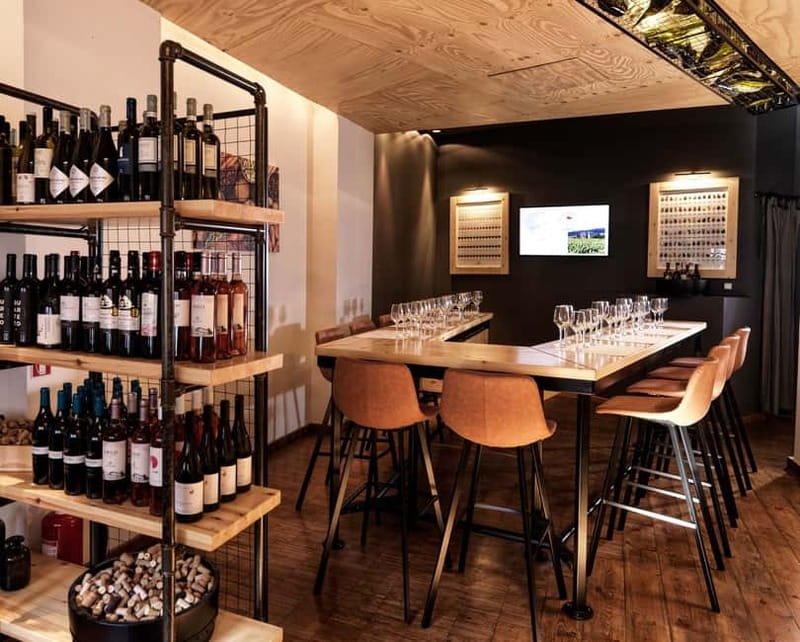
Logistics matter more than people think with short experiences. This one is nicely timed because you start at Tournavitou 9 in Thiseio, right by the Thissio Metro station. That puts you within easy reach of central Athens, without making you trek across town for a 90-minute activity.
The location also helps the vibe. You are not looking for a random room above a restaurant. You step into a proper tasting space where the focus stays on the wines and pairings. Several guests specifically call out the room as beautiful, and that matters because comfort changes how much you actually take in. When you are paying for instruction, you want to feel settled, not squeezed.
The tasting ends right where it starts, so you do not need a second plan afterward. If you want to turn it into a perfect evening, I suggest keeping dinner flexible. You will be drinking multiple wines, so you will feel better if you can walk to a nearby meal instead of booking something far away.
One more practical point: you must be at least 18 and bring valid photo ID or a passport. It’s a tasting, so that is non-negotiable, and it is smart to have your documents ready before you arrive.
You can also read our reviews of more food & drink experiences in Athens

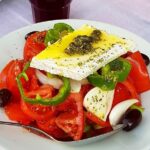
What Happens in 90 Minutes: Wines, Cheese, Olives, and Bread Rusks
This is a one-session tasting built around five wines. You sample 3 whites and 2 reds, and they are paired with foods that are firmly Greek: cheeses from different regions across Greece, Greek olives, and homemade bread rusks.
That pairing is not random. It is the practical way to learn. Cheese changes how wine tastes, olives add salt and bite, and bread rusks act like a neutral reset between styles. When you’re learning how to recognize a quality wine, this kind of food support helps you notice what you actually like. If you only drink, your palate can blur out after a couple of pours.
The pace is also built for learning, not just sampling. You get instruction on how to evaluate wine, and the tasting keeps returning you to those sensory cues. One guest highlighted that the guide walked them through the key basics like color, smell, taste, and alcohol percentage, which is exactly the kind of structure that helps you become more confident quickly.
If you are worried about being new to wine, don’t be. The experience is designed to work for beginners and also for people who already order wine confidently at restaurants. The best sign is that the guidance teaches repeatable steps. That means you can carry it beyond this room.
And yes, portions can feel generous for the length of time. Since you are getting five wines plus multiple bites, the session feels more like an activity than a “taste flight” that disappears in ten minutes.
The Virtual Attica Vineyards Tour Under the Acropolis Storyline
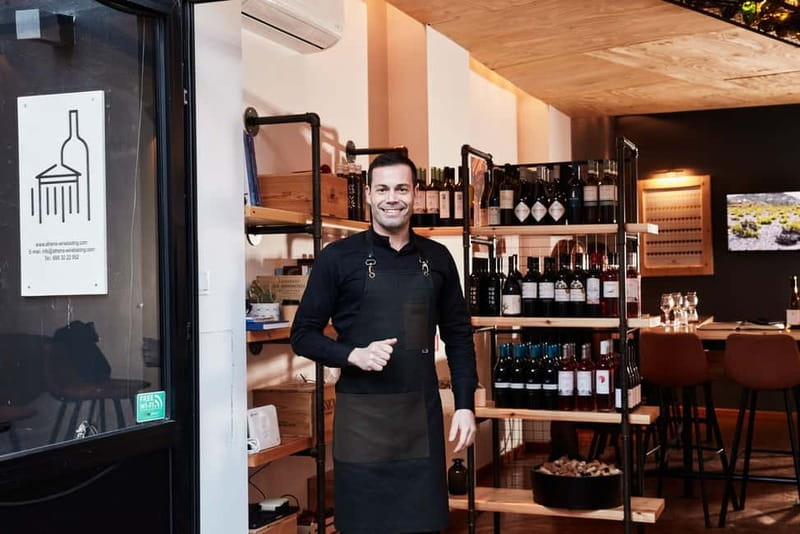
Here is what makes this tasting different from the usual Athens wine bar night. You do not only talk about what is in your glass. You also get a virtual tour connected to Attica vineyards, including grape varieties and ancient winemaking processes.
Attica is important because it is tied to the land around Athens, so the story stays close to where you are standing. Even if you are not a winemaking nerd, this context makes the wines feel less like random bottles on a table. You start to understand why certain grapes do well in certain places, and why ancient Greeks treated wine as part religion, part culture, part daily life.
The ancient link shows up again through the myths. You hear stories connected to Dionysus, the God of Wine and Fertility. That myth is not just trivia. It gives you a reason for why wine had such a strong symbolic role. When you combine the myth with modern tasting, it lands better than facts alone.
The virtual component also matters for pacing. Instead of trying to drive you somewhere or stretch the experience into something half a day, it delivers place-based learning right there in the tasting room. Guests mention slides and the walkthrough format, which suggests the session is visual and easy to follow. If you like learning with your glass in hand, this format fits.
Learning to Evaluate Wine: The Practical Tasting Method You Can Reuse
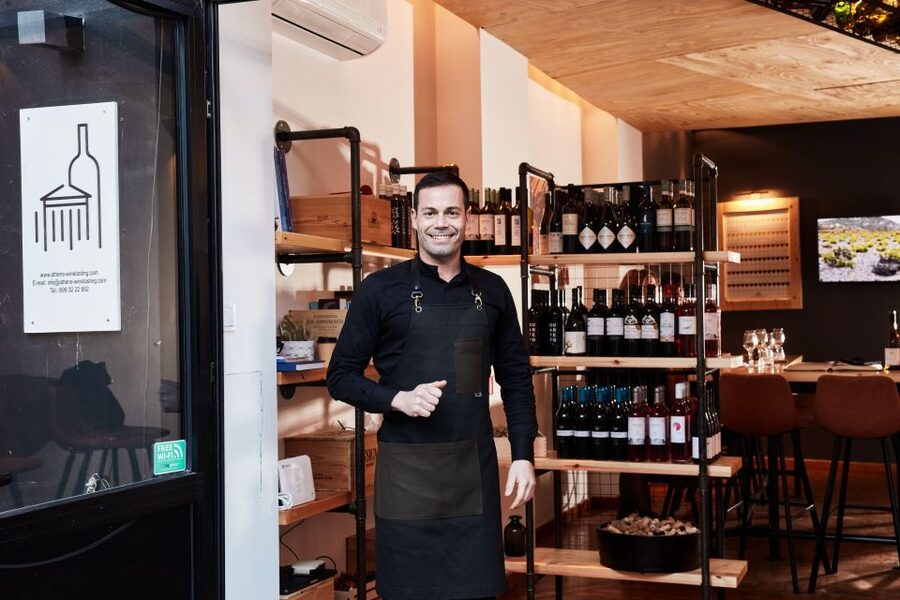
If you want your money to teach you something, focus on this part. The tasting is built around learning how to evaluate wine, not only how to enjoy it.
A recurring theme in the experience is that guests leave with a stronger sense of how to taste. You get guided cues for what to notice, including:
- Color (what it signals and how it differs between styles)
- Aromas and smell (how to describe what you detect)
- Taste (how flavor shows up across sips)
- Alcohol percentage (what it can suggest about the wine’s profile)
That combination is useful because it turns “I like it” into something more precise. Once you can name what you enjoy, it becomes easier to reorder at a restaurant or shop for bottles later.
You also get tools to keep up during the tasting. There is a cheat sheet, and you receive a list of the wines you try. Even experienced wine drinkers appreciate this because it reduces the memory scramble after the fifth glass. It also helps you compare wines while the differences are still fresh.
One of the best review signals here is that the guides explain the steps in a way you can apply later. That is what you want from a tasting class, not just a lecture and a sip. When the session teaches a process, you will use it again, and the value grows after you leave.
Pairing Greek Wines with Regional Cheeses and Olives
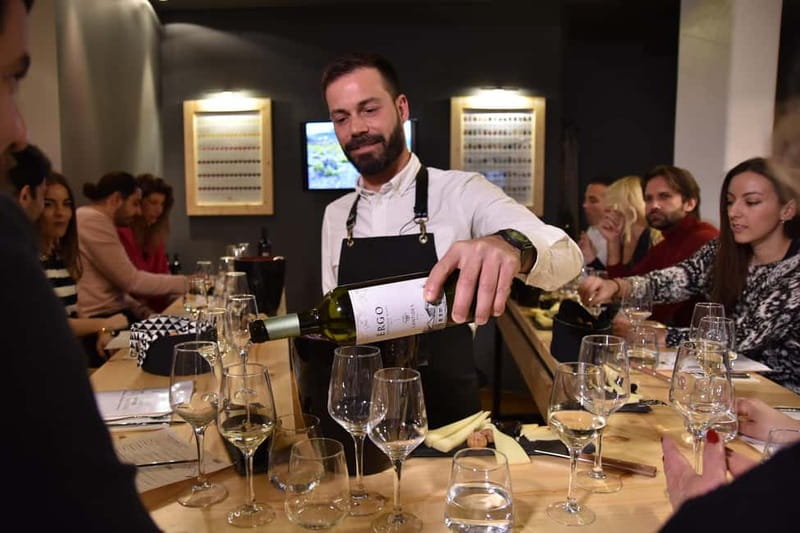
The foods are not filler. They are part of the learning system.
Cheese is especially important because Greek cheese styles vary across regions, and tasting with them helps you understand how wine meets salt, fat, and texture. The session includes a selection of five cheeses from all over Greece, plus Greek olives and homemade bread rusks. That gives you a range of tastes, so you can test your preferences.
This is also where people tend to loosen up. Once you have a bite in hand, wine tasting stops feeling like an exam. You get a social rhythm, with time to ask questions and compare notes.
The olives and bread rusks do a different job. Olives add a salty, briny edge that can sharpen perception and make certain wine characteristics pop. Bread rusks give you something easy and neutral between heavier pours.
If you have dietary restrictions, tell the provider at booking. The tour notes that you should make those requirements known ahead of time, and it is smart to do so early rather than hope for changes on the fly.
You can also read our reviews of more wine tours in Athens






Dionysus, Modern Greek Wine, and Why Regions Matter
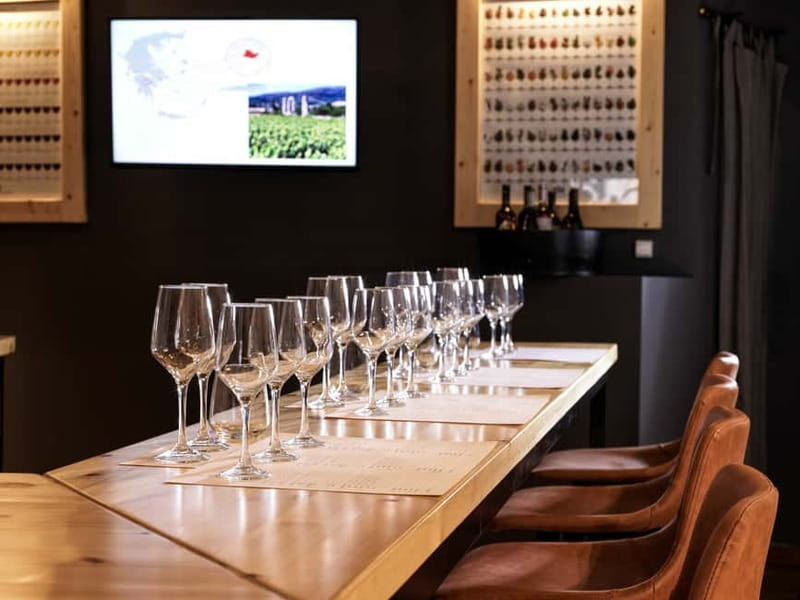
Greek wine has a dual personality. It is ancient in story, but modern in production. This session tries to hold both.
You hear about Greek wine regions and how historically the Greeks produced wine styles. Then you connect that to modern Greek wines and how they pair with Greek cuisine. That shift is valuable because it helps you understand what you are tasting today, not just what used to happen long ago.
The session also explains how grape varieties relate to geography. In plain terms, it is about why a wine tastes a certain way based on where it grows and how it is made. That is the heart of what makes wine tasting more than a lucky guess.
The Dionysus storytelling fits into the same theme: wine is never just a drink in Greek culture. It is fertility, celebration, ritual, and community. When you hear those myths and then taste wines that come from modern Greek regions, the culture link becomes tangible.
Price and Value: Is $55 Worth It?
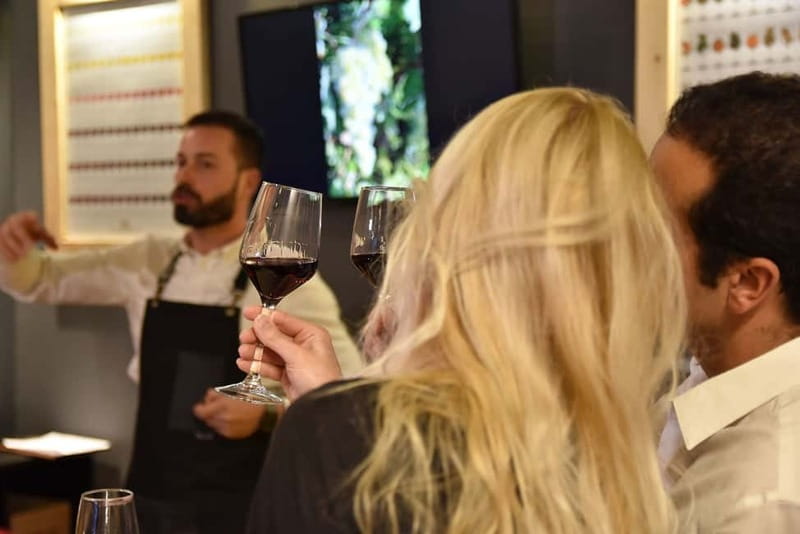
Let’s talk value without the hand waving.
At $55 per person for about 1.5 hours, you are paying for three things: instruction, wine, and food. You get five wines (3 whites, 2 reds) plus cheeses, olives, bread rusks, and bottled water. That is not only a tasting flight. It’s closer to a guided class with a built-in snack table.
The value depends on what you want out of Athens. If you are looking for a quick bar stop, this is expensive. If you want one evening activity that actually teaches you how to taste and what to buy next, it starts to look fair.
A clue is the consistent praise for how much people learn and how helpful the tasting guidance is. When a tour gives you a repeatable method and a cheat sheet with the wine list, you can carry the benefit home. That is where the price stops feeling like a one-time splurge and starts feeling like a purchase of confidence.
You should also consider that the group stays small and social, typically around eight to ten people. That size is often where Q and A works without feeling crowded. For many wine lovers, that alone improves the payoff.
Who This Tasting Fits Best (and Who Might Skip It)
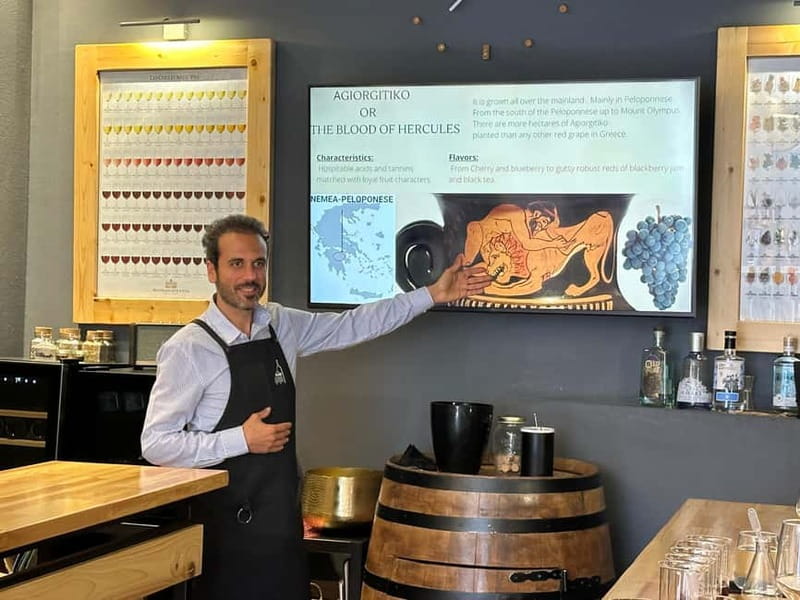
This experience is ideal if you:
- Want to learn how to evaluate wine using a guided, step-by-step method
- Like Greek culture and want the Dionysus myths tied to what is poured in front of you
- Enjoy food pairings, especially cheese and olives
- Prefer a short, well-paced activity that does not sprawl into half a day
It is also a great fit if you are new to wine. The structure is built to help you taste better quickly, and the cheat sheet keeps you grounded.
You might consider skipping if you only want a relaxed, unstructured tasting with zero learning component, or if you already know your way around wine and would rather spend the same money on bottles and a longer meal. Since you get instruction and food included, the experience is designed for people who want both.
Should You Book This Athens Acropolis Wine Tasting?
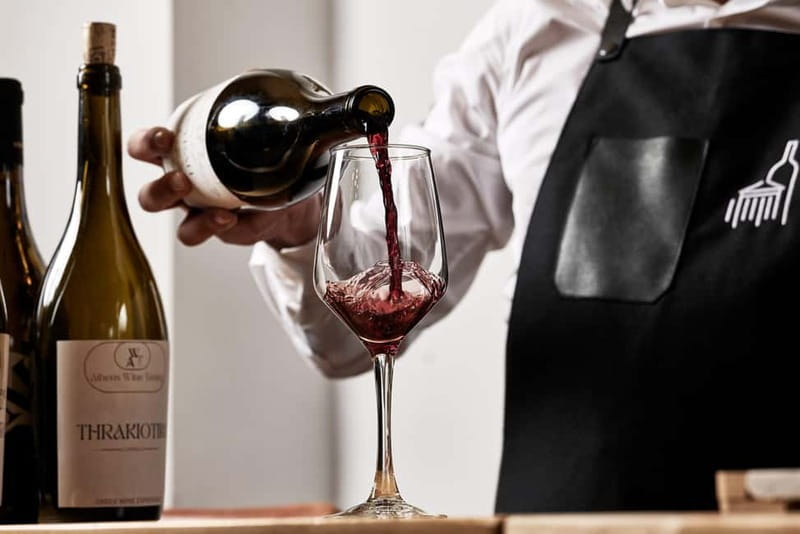
I think you should book if you want a smart Athens evening that mixes wine education with Greek culture and actually leaves you with tools you can use again. The five-wine format, the cheese and olive pairings, and the virtual Attica tour give you more substance than a typical pour at a bar.
If you are on the fence, ask yourself one question: do you want to leave knowing how to describe what you like, not just remembering that you liked it? If yes, this is a strong pick. Just be ready for a focused 1.5 hours, and if you are booking, plan dinner after so you can enjoy Athens without rushing.
FAQ
How long is the Athens Acropolis wine tasting?
The experience lasts about 1.5 hours.
Where does the tasting start?
It starts at Tournavitou 9, Thiseio Athens, very close to the Metro station Thissio.
How many wines will I taste?
You will taste 5 different Greek wines, including 3 white wines and 2 red wines.
What food is included with the wine?
You get a selection of 5 local cheeses, Greek olives, and homemade bread rusks, plus bottled water.
Is there a cheat sheet or list of wines?
Yes. You receive a list of the wines and a cheat sheet so you can keep notes.
What languages are available for the guide?
The tour guide provides instruction in English and Greek.
Is it suitable for children or teens?
No. It is not suitable for children under 18 years old.
Do I need photo ID?
Yes. You must be at least 18 and have a valid photo ID or passport to participate.
Is a private group option available?
Yes, private group availability is mentioned.
More Wine Tours in Athens

More Food & Drink Experiences in Athens

More Tour Reviews in Athens
- All Day Cruise -3 Islands to Agistri,Moni, Aegina with lunch and drinks included
★ 5.0 · 4,958 reviews





Not for you? Here's more nearby things to do in Athens we have reviewed









Athens Acropolis & Parthenon Tours, compared.
 ★ 4.4Acropolis & up to 5 Archaeological Sites Combo PassFrom $4812,619 reviews
 ★ 4.2Acropolis Ticket with Optional Audio or Live GuideFrom $4211,055 reviews
 ★ 4.8Acropolis, Parthenon & Acropolis Museum Guided TourFrom $409,316 reviews
 ★ 4.6Acropolis and Parthenon Guided Walking TourFrom $385,882 reviews
★ 4.8Acropolis, Parthenon & Acropolis Museum Guided TourFrom $413,579 reviews
★ 4.6Acropolis and Parthenon Guided Walking TourFrom $385,882 reviews
★ 4.8Acropolis, Parthenon & Acropolis Museum Guided TourFrom $413,579 reviews
 ★ 4.0Acropolis Ticket with Audio GuideFrom $473,575 reviews
 ★ 4.7Acropolis: Acropolis and Parthenon Guided Walking TourFrom $363,442 reviews
 ★ 5.0Acropolis monuments & Parthenon Walking Tour with Optional Acropolis MuseumFrom $422,678 reviews
Browse the lists this tour appears in