
Reviewed · ATHENS COOKING CLASSES
Athens: Classic Cooking Class with Market Visit and Wine
Greek food, made by you.
This Athens class pairs a short walk through the Central Market with hands-on cooking, then finishes with the meal you cooked and a glass of locally produced wine. You also get practical recipes to bring home, so this is more than a one-time performance.
I especially like the market visit feel, because you see the ingredients Greeks actually buy, not just the ones that look good on menus. I also like the steady, family-style pace, where each dish builds on skills you can reuse later, like chopping for tzatziki and handling phyllo for spanakopita. One consideration: the 4-hour window is busy, so if you want a super slow, leisurely class, this may feel a bit fast.
Key points to know before you go
- Central Market first: a 30-minute walk to see ingredients up close before you cook
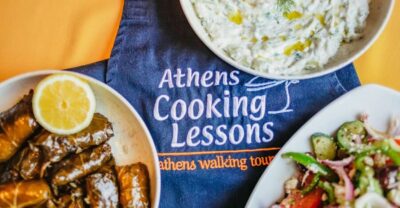
- A set menu of classics: tzatziki, spanakopita, dolmades, imam baidi, plus portokalopita
- Small groups (max 16): enough teamwork time to actually participate
- Wine and snacks included: 250ml local red or white, plus bread and olives throughout
- Recipes to take home: follow what you made later, with guidance you can reference
- Stairs at the venue: the Greek Kitchen is up two short flights, near public transit
Central Market Walk: get oriented before you cook
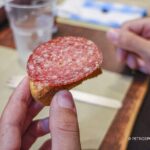
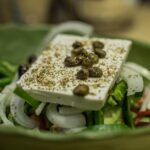
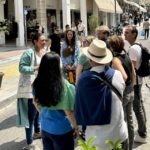
The experience starts with a walk to Athens Central Market. You get about 30 minutes to look around, and it matters more than you might expect. A lot of cooking classes toss you into a kitchen and hope you ignore the ingredients. Here, you begin by seeing what the cooks are talking about: produce, herbs, and everyday staples that show up in Greek cooking again and again.
You’ll also pick up the rhythm of the market. It is not about shopping for hours. It is about making sense of flavors first, then turning that into food later. Comfortable shoes help, because you will be walking, and you will want protection from the sun if you go on a bright day.
This market step also sets expectations for the kitchen work. When you later assemble dolmades or handle phyllo for spanakopita, you have the context for why certain ingredients are treated a certain way. Even if you do not do the literal shopping yourself, you leave with a clearer idea of what to look for back home.
You can also read our reviews of more shopping tours in Athens
Meeting The Greek Kitchen: how the class actually feels
The Greek Kitchen hosts the class at Athinas 36 in Athens, and it ends back at the meeting point. You will find it up two short flights of stairs, so plan on using your legs at least once.
The class is offered in English, and you’ll use a mobile ticket. There is no hotel pickup and drop off, so you’ll want to get yourself there by public transportation.
One of the biggest “make or break” factors for a cooking class is the host energy. This one tends to be led by lively instructors with real classroom control and a sense of humor. Names you might see associated with the group include Vasia and Thanassius, and other runs have featured instructors like Adoniya and Antonia. You should expect the same general approach: clear instructions, lots of hands-on time, and an atmosphere that feels friendly rather than stiff.
The group size stays capped at 16 people. That number helps. With too-large groups, you end up as an observer. With this setup, you’re more likely to get your hands involved across multiple dishes.
Tzatziki, Spanakopita, Dolmades: the big three skills
The menu is a classics lineup, and it is designed to teach you techniques you can repeat later.
Tzatziki: fast, cool, and very garlic-friendly
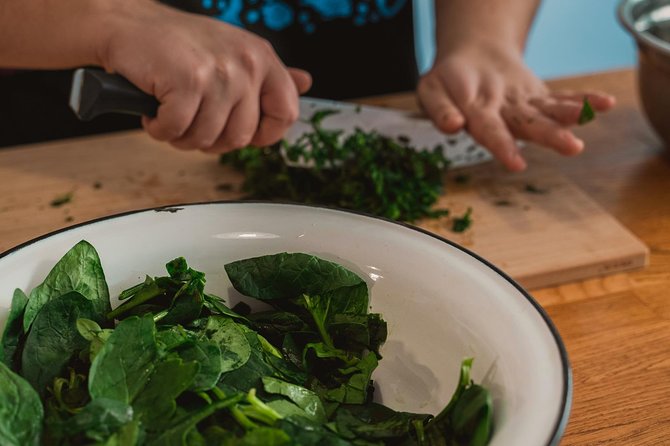
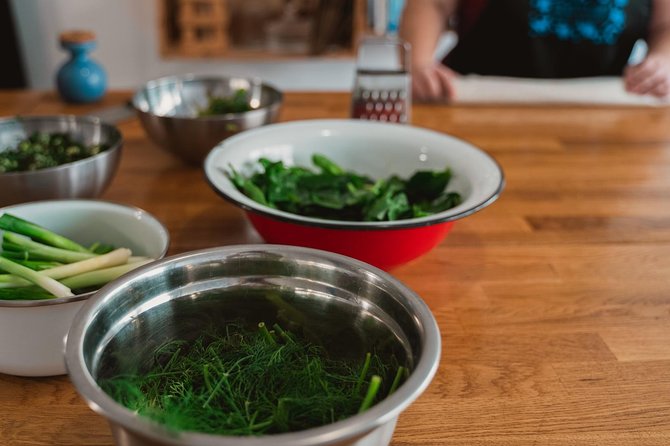
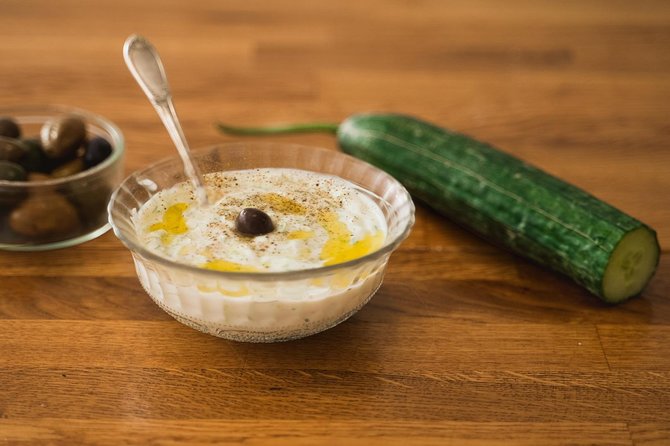
You’ll start with tzatziki, thick Greek yogurt mixed with fresh cucumber and plenty of garlic. The practical lesson here is balance. Tzatziki tastes simple, but it depends on how you prep the cucumber and how you mix the flavors so everything stays creamy, not watery.
If you like food that tastes like it came from a real kitchen, tzatziki is your win. It also translates well at home because you can adjust the garlic level next time without changing the whole recipe.
Spanakopita: phyllo technique you can actually copy
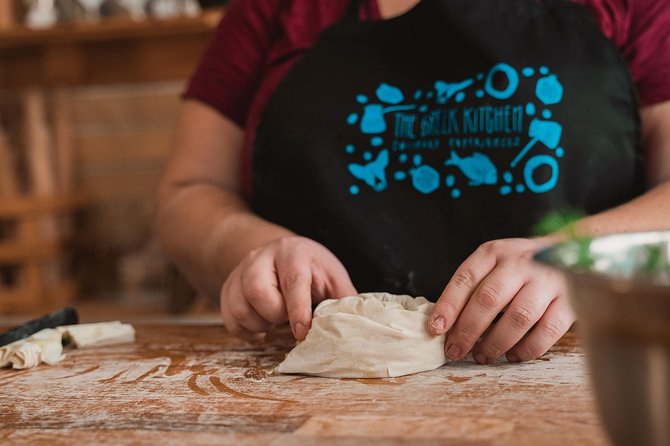
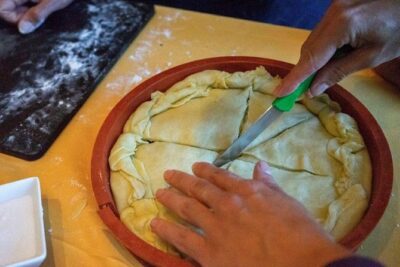
Spanakopita is next, and yes, it is a pie people argue about like it is a sport. You’ll work with coils of phyllo filled with spinach, feta, and herbs.
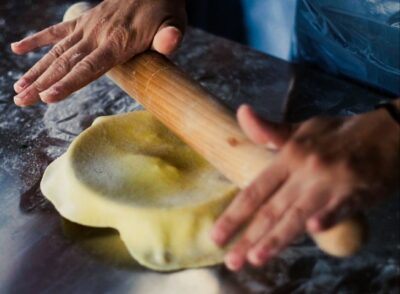
This is where the class helps most if you want to cook for friends later. Phyllo can be intimidating, but the class format is built around step-by-step guidance. You learn what “working” phyllo looks like, how to keep it from drying out, and how to form a successful pie from simple layers.
More Athens tours and experiences for the shortlist



Dolmades: the hand-rolling lesson
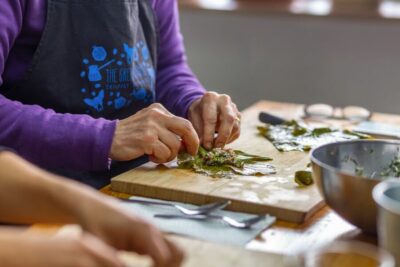
Dolmades involve rolling vine leaves around fragrant rice and beef. You will get the technical part, not just the end result, because rolling evenly is what makes them look and taste right.
Dolmades also show the Greek approach to comfort food. It is not fast. It is careful. But once you understand the rolling method, it becomes a skill rather than a mystery. If you ever plan to make stuffed foods, this is the technique section you’ll thank yourself for later.
Imam Baidi and Portokalopita: comfort food with a sweet finish
After the savory dishes, you’ll top things off with two more plates that bring variety to the session.
Imam Baidi: the eggplant dish with a story
Imam baidi is described as a historical dish that came to Greece in the early 20th century. In practical terms, it is roasted eggplant topped with sauce and feta. The class is set up so your cook explains what makes the dish special while you assemble it.
Eggplant can be hit or miss if it is overcooked or handled wrong. Here, you get the approach that turns it into something soft and flavorful, with a sauce that pulls the whole plate together.
Portokalopita: orange syrup and cinnamon comfort
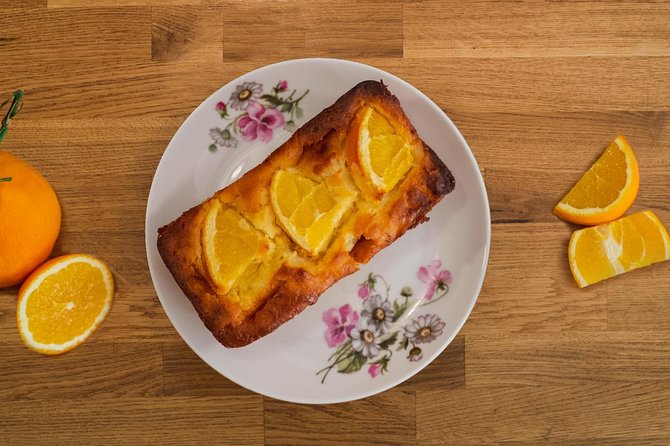
Dessert is portokalopita. It is another pie style, but it behaves more like a cake once it soaks up orange and cinnamon syrup. Expect shredded phyllo and that citrusy, warm, sweet finish.
This dish is a smart way to end the class because it uses the same phyllo idea in a different form. Instead of crisp layers, you get soaked sweetness. That makes it easier to remember, and it is easier to recreate at home than people assume.
Wine, bread, olives, and the meal you actually sit down to
This is not a snack-and-watch class. You are cooking, tasting, and eating together. Bread and olives show up throughout, so you’re not waiting hungry while the main dishes come together.
You also get seasonal market snacks during the market portion. Water is included, which is a small detail but important when you’re walking and cooking in warm conditions.
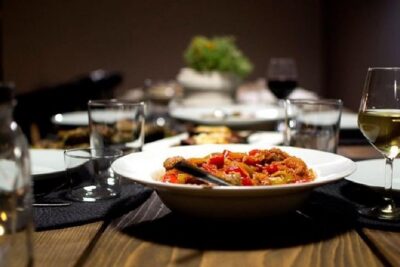
Wine comes in as part of the meal. You get 250ml of locally produced red or white wine. You are tasting alongside the food you made, which changes the whole experience from learning theory to enjoying a real table meal.
Also, the portions can be generous. Some people have said they were able to take leftovers, which is a big practical win in Athens where dinner plans can get expensive fast.
Value in plain numbers: why $83.44 can make sense
$83.44 for a roughly 4-hour experience sounds simple until you count what you get. You are paying for:
- a 30-minute Central Market visit
- hands-on cooking with a Greek home cook
- bread and olives at the class
- seasonal market snacks
- drinking water
- 250ml local wine
- recipes for the dishes you made
Plus, the small group size helps you learn rather than just participate in the background. When a class includes both ingredients context and real output, it becomes a skill-building meal, not just entertainment.
The set menu is another value factor. You are not bouncing between random options. You know the dishes coming, and the class is built around them: tzatziki, spanakopita, dolmades, imam baidi, and portokalopita.
If you are choosing between a cooking class and a regular sit-down dinner, this tends to offer better staying power. You leave with recipes you can use again, and you eat a full meal that is tied to the recipes, not a separate restaurant experience.
Practical logistics in Athens: how to plan your day
This tour runs about 4 hours. You should build buffer time around it, because it ends back at the meeting point, Athinas 36, and the start is based on the class schedule.
A few practical points matter:
- There is no hotel pickup, so plan your route using nearby public transportation.
- The Greek Kitchen is up two short flights of stairs. If you have mobility limits, this is worth considering.
- The market walk involves walking and sun exposure. Bring comfortable shoes and some sun protection.
- Expect active work in the kitchen. This is not standing around taking photos.
One more thing: the pace can feel quick in a 4-hour format. There is a lot to make, and you’re doing multiple dishes in one sitting. If you like “slow and steady,” you might find it moving briskly.
Who this class suits best (and who should think twice)
This is a strong fit if you want hands-on Greek cooking with a market introduction, and if you enjoy learning a few classic dishes you can repeat.
It also suits solo travelers well. The setup encourages teamwork at the cooking stations and group meal time, so you are not stuck in a rigid script by yourself.
It may be less ideal if:
- you want a laid-back, unhurried afternoon
- you strongly dislike group meals
- stairs are a challenge for you
The class format is family-style, so you’re eating together and sharing the table experience.
Should you book The Greek Kitchen market and cooking class?
Book it if you want your Athens day to turn into something usable, not just a memory. The biggest selling point here is the pairing: market context plus a kitchen session that produces a full, classic Greek menu. Add recipes to take home, and it becomes a meal you can repeat for friends.
I’d skip it if you prefer long free time to wander, or if you need an extremely slow pace. The schedule is packed, and the venue involves stairs. But if you’re okay with active, guided cooking and you like eating what you make, this is a very solid choice for a first Greek cooking class.
FAQ
What is the duration of the Athens cooking class?
The experience runs about 4 hours.
Where does the tour start?
It starts at Athinas 36, Athina 105 51, Greece, and it ends back at the meeting point.
What dishes are included in the cooking class menu?
The sample menu includes tzatziki, spanakopita, dolmades, imam baidi, and portokalopita.
Is wine included, and how much?
Yes. You receive 250ml of locally produced red or white wine.
Does the tour include a market visit?
Yes. You walk to Central Market Athens for about 30 minutes to look around.
Is hotel pickup or drop-off included?
No. Hotel pickup and drop-off are not included.
Are recipes provided for the dishes you make?
Yes. You receive recipes of the dishes you made so you can follow them later.
What should I wear for the market walk?
Bring comfortable shoes because there is walking, and wear protection from the sun.
Can I cancel and get a full refund?
Yes. You can cancel up to 24 hours in advance for a full refund.
How large is the group?
The class has a maximum of 16 travelers.
More Markets in Athens
More Shopping Tours in Athens

More Tour Reviews in Athens
- All Day Cruise -3 Islands to Agistri,Moni, Aegina with lunch and drinks included
★ 5.0 · 4,958 reviews



Not for you? Here's more nearby things to do in Athens we have reviewed







Athens Cooking Classes, compared.
 ★ 4.9Food Market Visit and Cooking Class with WineFrom $811,087 reviews
 ★ 5.0Greek Cooking Class in Athens Including Rooftop Dinner with Acropolis ViewFrom $120826 reviews
 ★ 5.0Greek Small-Group Athens Cooking Class & DinnerFrom $118574 reviews
 ★ 5.0Greek Cooking Class & Dinner on a RooftopFrom $108383 reviews
 ★ 4.8Greek Cuisine Cooking Class and 3-Course DinnerFrom $115270 reviews
 ★ 5.0Traditional Greek cooking class and lunch or dinner with an Acropolis viewFrom $114250 reviews
 ★ 5.0Athens Greek Cooking Class Pita Gyros from Scratch with a LocalFrom $133175 reviews
 ★ 4.9Greek Cooking Class with Meal and DrinksFrom $93171 reviews
Browse the lists this tour appears in