
Reviewed · ATHENS ARCHAEOLOGICAL MUSEUM TOURS
Athens: Museum of Cycladic Art Entry Ticket
Prehistoric marble feels weirdly modern. The Museum of Cycladic Art is one of Athens best stops if you like art that started long before Greek city-states existed, with standout Cycladic figurines and a strong sense of how people lived across the Aegean. I especially love how the galleries are organized across multiple floors, and how clear the labels are when you want context fast. The one thing to consider is that the museum can have construction noise at times, so if you are sensitive to sound, plan for it.
This is a ticket you can use at your own pace. With a permanent-collection focus, you can aim for a relaxed 1.5 to 2 hours and still feel like you saw the key themes, or you can slow down longer if every object grabs you.
Key things to know before you go
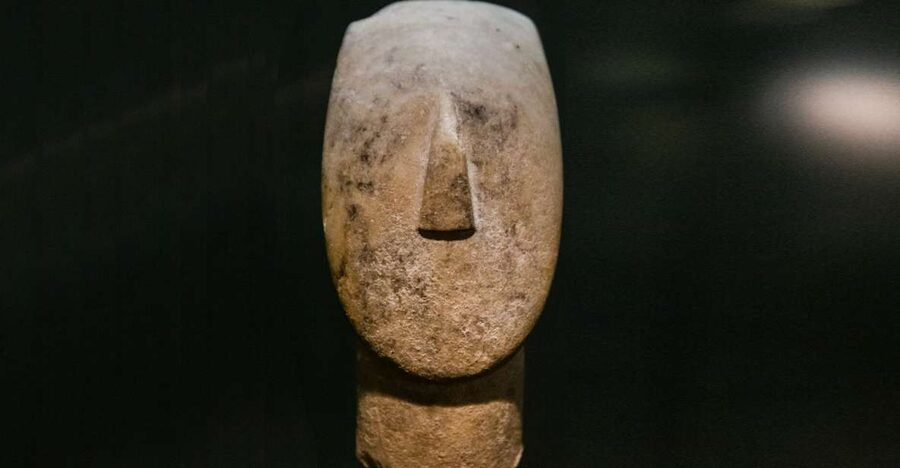
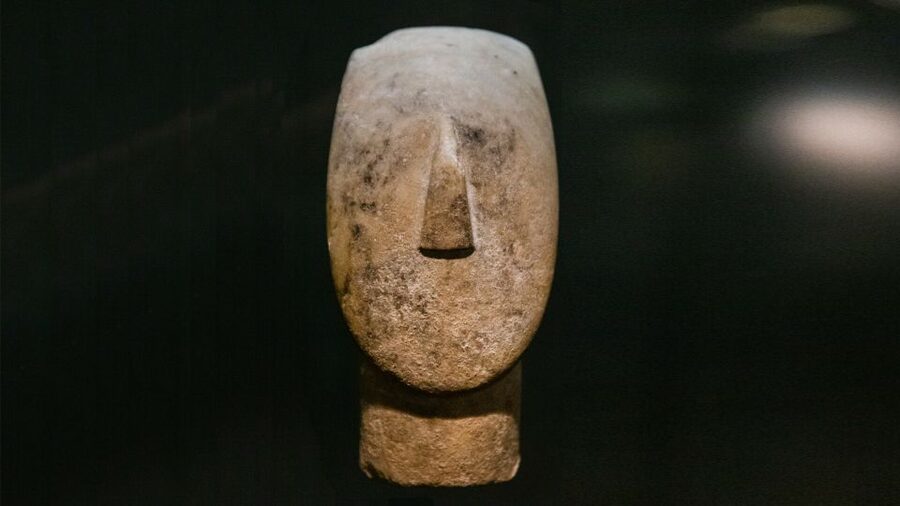
- Iconic Cycladic marble figurines dated around 2300 BC, with a real sense of craftsmanship
- A multi-floor layout that helps you connect art, technology, and everyday life over time
- Clio Muse Tours via QR code so you can get extra guidance without booking a separate guide
- Ancient Cypriot Art presented with local and Mediterranean influences side by side
- A calm visit rhythm if you go in the window when you can take your time, not rush
Price and logistics: what $14 buys you
At about $14 per person, this ticket is good value if you want a focused, art-forward museum day without adding a guided tour cost. You are buying access to the museum permanent collections, plus you get tools to help you read what you are seeing, like free Wi-Fi and Clio Muse Tours accessed with a QR code. No hotel transfer is included, so plan on handling getting there on your own.
The museum is easy to anchor in your Athens day. The main entrance is about a five-minute walk from Syntagma Square and the Syntagma Metro station. If you are hopping between neighborhoods, this location is handy.
And one important rule for comfort: food and drinks are not allowed. That does not mean you cannot eat, it means you should plan to use the on-site break spaces rather than bringing snacks into the galleries.
More Athens tours and experiences for the shortlist



First impressions at the Museum of Cycladic Art building
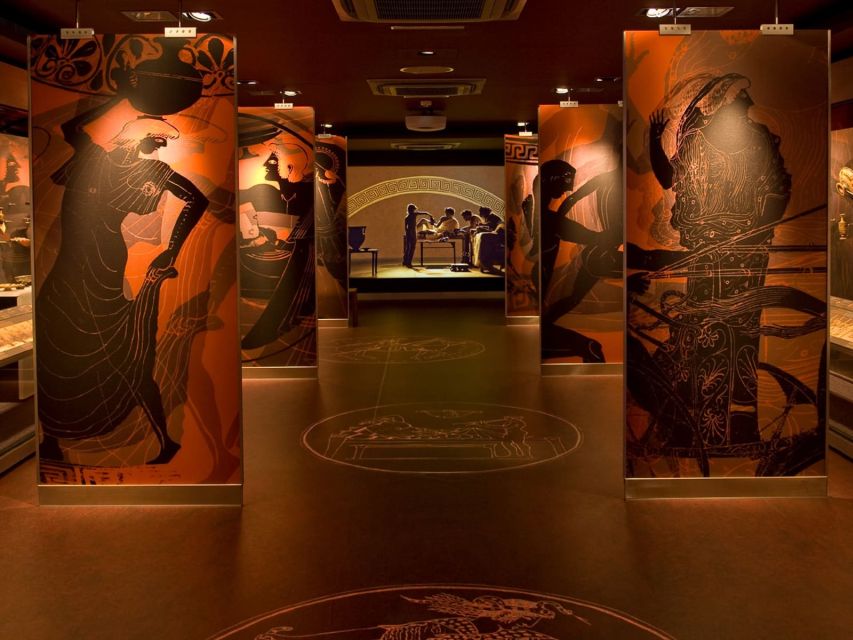
I like the museum because it does not feel like a generic white-box gallery. It is in a beautiful older building, and that gives the visit a more human feel as you move between floors. The layout is also practical. You are not wandering in circles trying to figure out where to go next.
Navigation tends to be straightforward, and the signage and information boards help. If you want a museum that you can actually complete in a single trip, this one works. You are looking at a permanent collection with strong “themes,” so you are not dependent on a temporary exhibit to make the day feel worthwhile.
One more practical note: because of construction work in Athens, access routes around the main entrance can sometimes be affected. If you arrive and the street access looks weird, just keep it simple: go for the main entrance and adjust your route on the spot.
The heart of the visit: Cycladic art that actually tells a story
The museum is famous for its Cycladic collection, and you can feel why once you start looking closely. You are not just seeing pretty objects. You are seeing how people made and used art in the Early Bronze Age, with the standout Cycladic marble carvings and figurines reaching back to the third millennium BC, including examples dated to about 2300 BC.
What I love about Cycladic art here is that it is presented as more than single “icons.” You see representative pieces across phases of island culture, so the objects feel connected to a living society rather than disconnected artifacts.
As you walk, pay attention to the variety. It is not just figurines. The museum includes tools, weapons, and pottery alongside the famous marble works. That combination matters because it changes how you interpret the art. Even if you do not know Greek archaeology, you start noticing a pattern: what gets made often reflects what people valued, traded, feared, celebrated, or needed.
If you like museum visits that feel like “I get it” after a while, this is one of those days. The objects lead you into the story: myths and cultural references tied to prehistoric civilizations of the Aegean Sea, plus the broader evolution of artistic and technological developments.
How the floors work: a smart way to move through 2nd floor and 4th floor
This museum is on multiple floors, and the pacing helps if you use a simple strategy.
Here is the key structure you should look for:
- The 2nd floor offers a full overview of historical, artistic, and technological developments through ancient Greek history.
- The 4th floor focuses on everyday life in Classical Athens, giving you a more lived-in feel for what the city-state world looked like.
That floor split is valuable because it gives you two different reading modes in one ticket. The lower floors and related galleries help you understand origins and developments over time. The upper-floor Classical Athens material helps you connect the dots to daily culture, not just big themes.
Practical tip: if you want the smoothest flow, consider starting from the top floor and working down. One solid reason is that it reduces how often you feel like you are doubling back while trying to orient yourself. If you are the type who gets decision fatigue, starting high and going downward can help you keep momentum.
Beyond figurines: vases, weapons, and what everyday objects add
I know a lot of people arrive expecting marble faces and smooth Cycladic lines. You will get that, but you should also give yourself time for the “supporting cast” objects.
The museum includes:
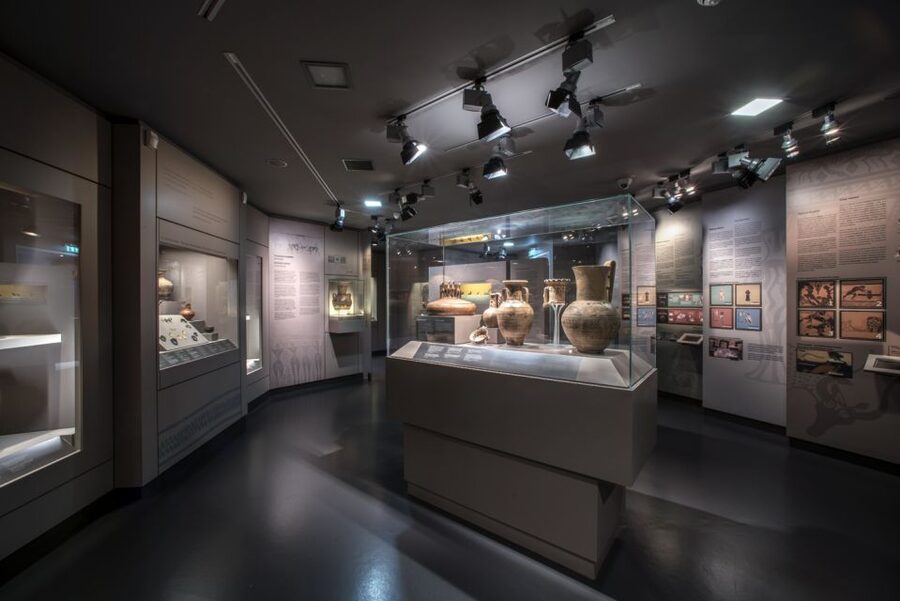
- Painted vases
- Terracotta figurines
- Bronze vessels
- Stone sculptures
- Coins
- Gold jewelry
- Glass items
This matters because Greek art and Aegean culture did not develop in isolation. Coins and jewelry push you toward trade and wealth signals. Vessels and pottery point to daily habits and craft traditions. Even weapons and tools, when you take a moment, can help you understand technology and changing priorities.
As you move toward the broader Ancient Greek Art galleries, you also start seeing social shifts. The museum’s organization helps you track the development of Greek city-states and society across different periods. You can treat it like a timeline you can actually walk through, rather than something abstract you read later.
You can also read our reviews of more museum experiences in Athens
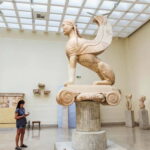



Ancient Cypriot Art: where cultures mix, not just copy
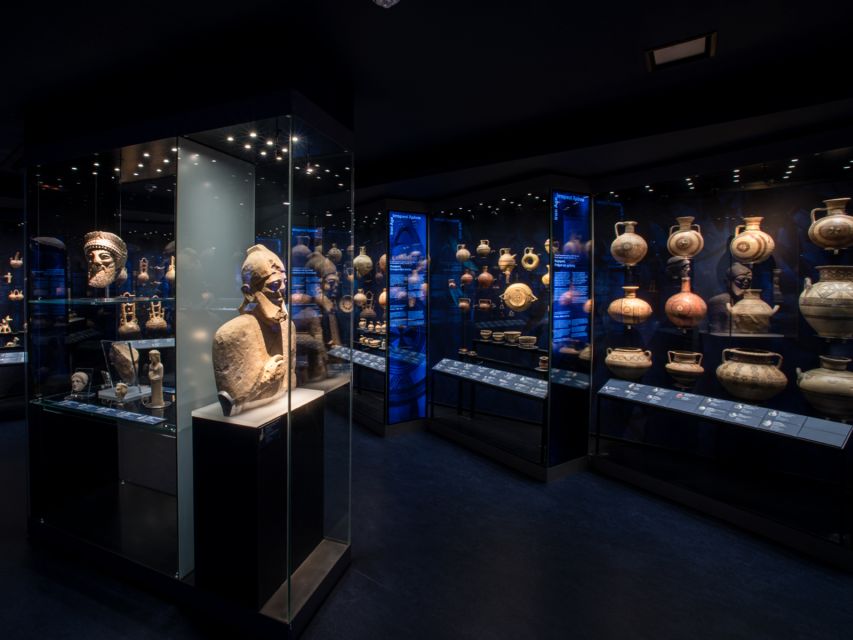
One of the best reasons to buy this ticket is that the museum does more than show Cycladic art. It also has Ancient Cypriot Art, presented as one of the largest collections outside Cyprus.
Cyprus is a perfect museum topic because it sits at a crossroads. Here, you can see how Cypriot art combined elements from local traditions plus influences from Greek, Egyptian, and Near Eastern sources. That blend makes the collection feel more like a Mediterranean conversation rather than a single straight line of style.
In the galleries you will find:
- unique prehistoric figurines
- Archaic and Classical sculptures
- inscriptions
- bronzes
- coins
- gold jewelry
- glasswork
- ceramics spanning from the 4th millennium BC to Medieval times
What I find helpful for readers is to slow down on the Cyprus section and look for how materials and motifs change. Even without expert knowledge, you can notice that certain design ideas travel and get reshaped. The museum makes that interaction part of the experience, not a side note.
Using Clio Muse Tours and the QR code during your visit
You do not need a guided tour to get value from this museum, because the ticket includes Clio Muse Tours with a QR code and free Wi-Fi. That is a practical combo. You can scan a QR code, read or watch the extra info when you want it, then move on when you do not.
This is especially useful in a museum like this where the collection covers a wide time range, from prehistoric through Classical Athens and then into Cypriot art across many centuries. When the information is optional, you keep control of your pace.
One caution: some rooms may have more guide support than others. If you like using audio or interactive features, expect that not every single object will have the same level of guided attention.
Timing your museum day: how long to plan
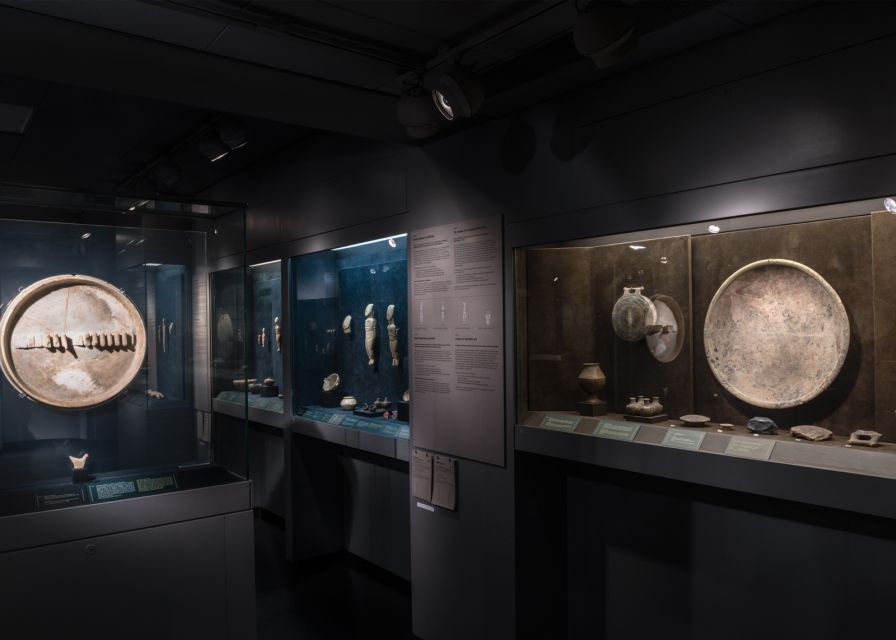
A good target is 1.5 to 2 hours for the permanent exhibitions if you want to see the main highlights without racing. That fits well into a typical Athens day, especially if you are also visiting the Acropolis or other central sights.
You might go longer if you:
- enjoy reading labels and pairing objects with context
- take time with the 2nd floor overview material
- linger in the Classical Athens everyday life areas on the 4th floor
- care about comparing Cypriot influences across long time periods
If you hate rushing through museums, give yourself a bit of extra time. The collection is spread out across floors, and it takes a little time for your eyes to “get used to” how Cycladic, Greek, and Cypriot objects differ in scale and style.
Construction noise and other visit-day realities
Here is a real-world factor worth planning for. The museum has had periods of renovations, and that can mean loud building noise during parts of the visit. If you know you are sensitive to sound, bring small earplugs, or be ready to step out briefly if it gets distracting.
Also, the museum design does not turn every visit into an instant marathon. If the noise or crowd level makes you lose focus, it is okay to shorten your visit and come back another time. The museum is focused enough that you can still get value even with a shorter stay.
The Cycladic Café and shop, plus food rules
The Cycladic Café is described as a hidden oasis where you can enjoy Cycladic flavors from natural products and virgin ingredients. That sounds like a pleasant pause when you want to sit down.
Just remember the museum’s rule: food and drinks are not allowed. So you should plan to treat your café stop as part of the visit flow, not as something you carry into the galleries.
The museum also has a shop. If you like bringing home a small reminder, it is an easy way to extend the experience without adding another ticket or tour.
Is this museum worth your time? My take on value and audience
I think this ticket is ideal if you like:
- museum days with strong objects, not just one star exhibit
- art history that spans time but still feels readable
- a focus on material culture, like tools, weapons, pottery, and daily-life items
- learning how Mediterranean cultures influenced each other, especially through the Cypriot section
It may be less satisfying for very young kids, especially if they are under about 10. The value here is in slow-looking and reading context, and that is harder to do with small attention spans.
If you are visiting Athens for classics like the Acropolis but you also want something human and close-up, this museum gives you a different angle on Greece. You get prehistoric Aegean culture first, then the museum transitions toward ancient Greek society and Classical Athens life.
Should you book this ticket for Athens Museum of Cycladic Art?
Book it if you want a high-value permanent collection with clear organization and real variety, from famous Cycladic marble figurines to Cypriot art showing cross-cultural mixing. The $14 price makes it an easy add-on to a day in central Athens, especially because it is self-paced and supported by QR-based guidance.
Skip or reconsider if you:
- strongly prefer guided tours with a fixed narrative (this ticket is about independent entry, not a bundled guide)
- are very sensitive to construction noise
- are traveling with kids who need constant hands-on activities
If your goal is one thoughtful museum day, this is a strong choice. You will leave with that satisfying feeling that you saw more than a single style, you saw how people made art, tools, and objects and how those choices echo through time.
FAQ
What is the duration of the Museum of Cycladic Art entry ticket?
The ticket is valid for 1 day, so you can plan your visit at your own pace within that time window.
How much does the Athens Museum of Cycladic Art entry cost?
The price listed is $14 per person.
Where is the meeting point for entering the museum?
Enter at the main entrance. It is about a five-minute walk from Syntagma Square and the Syntagma Metro station.
What is included with the ticket?
Included are entry to the museum’s permanent collections, free Wi-Fi, and Clio Muse Tours with a QR code.
Is a guided tour included?
No. A guided tour is not included with this ticket.
Are food and drinks allowed in the museum?
Food and drinks are not allowed.
Is the museum wheelchair accessible?
Yes, the activity is listed as wheelchair accessible.
Can I cancel for a refund?
Yes. The ticket offers free cancellation up to 24 hours in advance for a full refund.
Is there an audio guide or tour guide content provided?
You get Clio Muse Tours with a QR code, which you can use during your visit to get extra information at your own pace.
More Museum Experiences in Athens
More Tickets in Athens



More Tour Reviews in Athens
- All Day Cruise -3 Islands to Agistri,Moni, Aegina with lunch and drinks included
★ 5.0 · 4,958 reviews
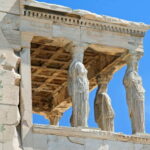




Not for you? Here's more nearby things to do in Athens we have reviewed











Athens Archaeological Museum Tours, compared.
 ★ 4.8Acropolis, Parthenon & Acropolis Museum Guided TourFrom $409,316 reviews
★ 4.8Acropolis, Parthenon & Acropolis Museum Guided TourFrom $413,579 reviews
★ 4.8Acropolis, Parthenon & Acropolis Museum Guided TourFrom $409,316 reviews
★ 4.8Acropolis, Parthenon & Acropolis Museum Guided TourFrom $413,579 reviews
 ★ 5.0Acropolis monuments & Parthenon Walking Tour with Optional Acropolis MuseumFrom $422,678 reviews
 ★ 4.4Acropolis Museum Ticket with optional Audio GuideFrom $302,652 reviews
 ★ 4.1Parthenon & Acropolis Museum with Audio or Live Tour OptionFrom $702,446 reviews
 ★ 5.0Acropolis, Parthenon and Acropolis Museum Guided TourFrom $411,778 reviews
 ★ 4.3National Archaeological Museum Ticket & Audio GuideFrom $311,330 reviews
 ★ 4.5Acropolis of Athens and Acropolis Museum TourFrom $56944 reviews
Browse the lists this tour appears in