
Reviewed · ATHENS ACROPOLIS & PARTHENON TOURS
Athens Private Walking City Tour : Acropolis, Ancient Agora and The Agora Museum
One part of Athens hits you fast.
This private walking tour packs the Acropolis and Ancient Agora into a tight route, then adds the Attalos Museum for a look at everyday marketplace life. I like that you’re not just looking at stones, you’re following a guide’s running story about culture, daily life, and how people used these places.
Two things I really value here: you get a private, experienced certified tour guide who can tailor the pace (including for children, when a guide like Ourania is on the job), and you get pointed context such as where Plato and Socrates taught and lectured. The main drawback to plan for is simple, entrance tickets for the Acropolis, Ancient Agora, and the museum are not included, so you’ll need to budget extra and be ready to show tickets at each site.
Key points before you go
- Private guide, small-group feel: only your party participates, so you can ask questions without waiting.
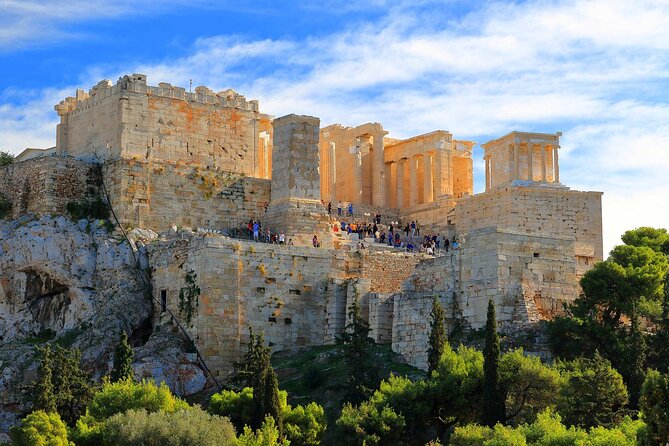
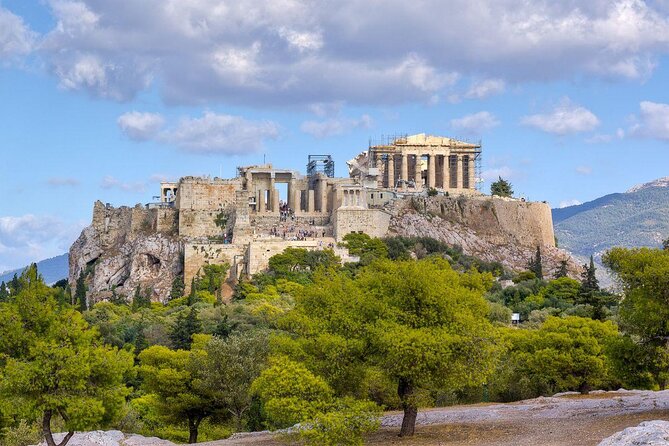
- Acropolis highlights in 2 hours: Theatre of Dionysus, Propylaia, and major temples like Athena Nike and Erechtheion.
- Ancient Agora focus on philosophy and civic life: the places tied to Socrates and Plato, plus the Hephaestus Temple.
- Attalos Museum adds the everyday stuff: artifacts including identification cards and original weights and measures.
- Mobile ticket included: you handle check-in without hunting for paper.
Why this Athens private walking tour is such a smart format
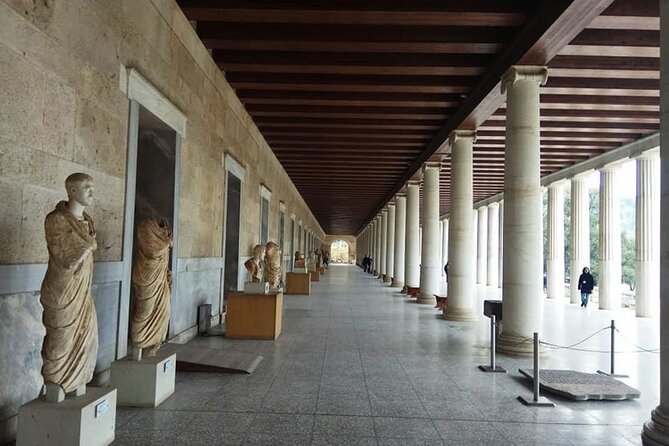
Athens works best when you connect the dots. This tour does that by moving through three layers of the city in one smooth walking plan: the Acropolis for the big civic and religious stage, the Ancient Agora for public life and ideas, then the Attalos Museum for the objects that show how routine markets and rules worked.
I also like the pacing choice. You’re given enough time at each stop to understand what you’re looking at, rather than rushing through everything as fast as possible. And because it’s private, your guide can adjust the flow if your feet need a break or if your group has a longer question-and-answer moment.
One more plus: the route is built around the kind of details that make Athens feel real. You don’t just hear dates. You hear how people taught, argued, measured goods, and moved through public spaces.
You can also read our reviews of more walking tours in Athens


Meeting point, walking pace, and how long it really takes
This is a 3 to 4 hour walking experience. The day is structured with time estimates that matter for planning your energy: about 2 hours on the Acropolis, about 1 hour in the Ancient Agora, and about 30 minutes at the Attalos Museum. That totals 3 to 4 hours, depending on how your group moves and how much time you spend at each monument.
The tour starts at Dionysos Zonar’s Rovertou Galli 43, Athina 117 42, Greece and ends at Ancient Agora of Athens, Athens 105 55, Greece. That end point is useful if you want to keep exploring after the tour, since you’ll finish near the Agora area.
Because it’s a walking tour, wear shoes you’d wear for cobblestones and uneven ground. The sites are spread out enough that comfort matters more than style. The operator also states that most travelers can participate, which is a good sign if you’re not planning on a very slow pace.
Stop 1 on the Acropolis: from Theatre of Dionysus to Erechtheion
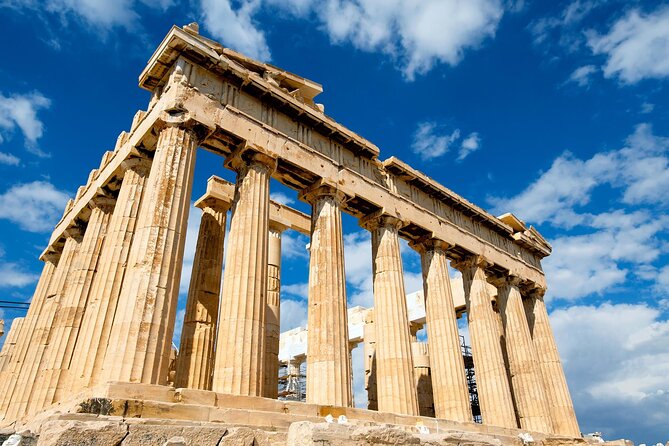
The Acropolis segment is about 2 hours and is where the tour sets the tone. You’ll move through a sequence of well-known landmarks that each plays a role in how ancient Athens organized public life, religion, and performance.
Here’s what you can expect to see during the Acropolis portion:
- Theatre of Dionysus
- Temple of Asklipios
- Odeon of Herod Atticus
- Propylaia
- Temple of Athena Nike
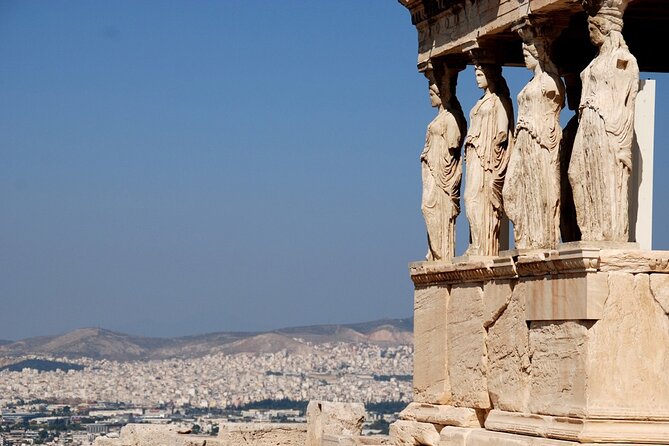
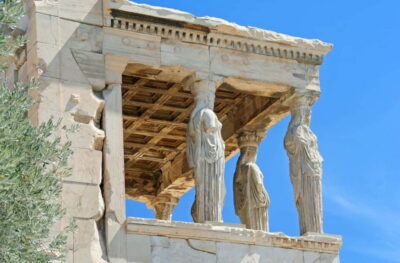
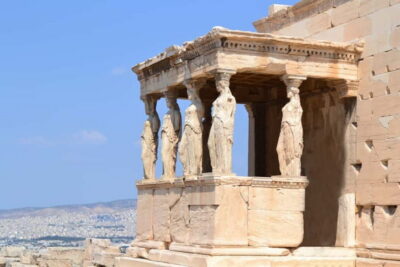
- Temple of Erechtheion
What I like about this lineup is that it teaches the Acropolis as a system, not a single viewpoint. The Theatre of Dionysus helps you understand performance and civic identity. Asklipios (connected to healing) brings in the religious dimension beyond war and politics. Odeon of Herod Atticus adds another layer of public gathering. Then Propylaia helps you grasp how people moved into the sacred complex.
You’ll also connect the temples to what they represented. Even if you don’t memorize details, the order of monuments helps your brain build a map. If you’re the kind of person who enjoys “I get it now” moments, this stop delivers.
One important consideration: Acropolis entrance tickets are not included. That means you should plan for the time and cost of securing entry separately, and you should arrive with enough buffer so your guide time isn’t eaten up by ticket hurdles.
Stop 2 in the Ancient Agora: where Socrates and Plato lectured
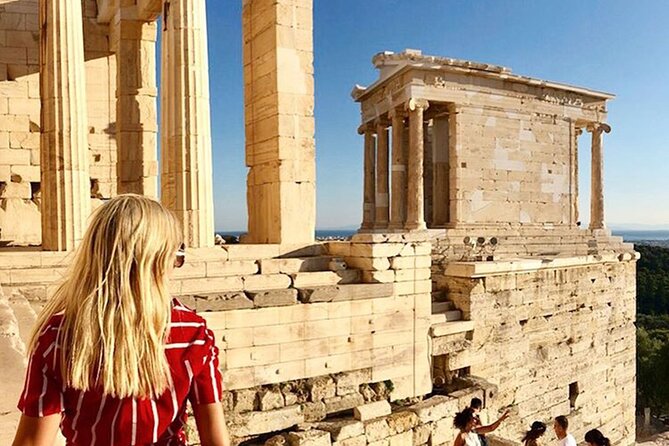
After the Acropolis, the tour shifts to the Ancient Agora, about 1 hour. This is where Athens stops feeling like a showpiece and starts feeling like a lived-in civic center.
The key idea your guide will emphasize is that the Agora was the community hub of ancient Athenian life. It’s also the setting for lectures tied to Socrates and Plato, which is exactly why this stop is so satisfying if you care about ideas and not only monuments.
In the Agora you’ll visit major historic remains, including:
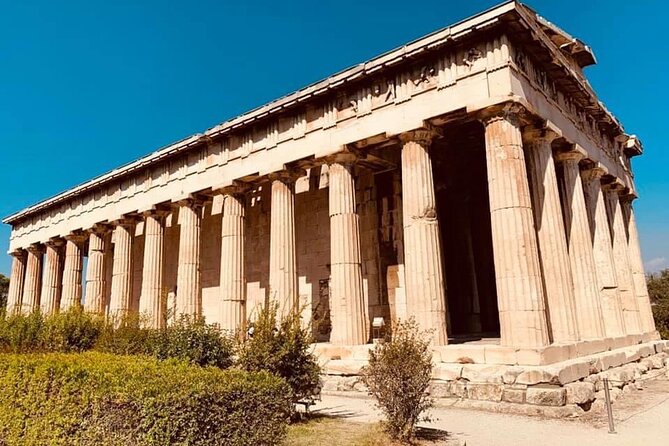
- Hephaestus Temple (described as the best preserved Greek Temple from the 5th century BC)
- Church of the 12 Apostles
- Temple of Apollo Patroos
- Stoa of Zeus
- Altar of Zeus
I like how the Hephaestus Temple anchor works. Since it’s noted as especially well preserved, it gives you a stronger sense of how the architecture looked and functioned. Then the other elements fill in the wider picture of worship, civic gathering, and public spaces.
The Church of the 12 Apostles also adds a useful timeline angle. You’re seeing how later religious life layered onto older sacred space, which helps you avoid the common mistake of thinking the past is one single era.
The Agora stop also has an important practical note: Ancient Agora entrance is not included. Since this is a guided walking tour, it’s worth handling those entry details in advance so you can keep moving with your group.
Stop 3 at the Attalos Museum: identification cards and market weights
The final stop is the Attalos Museum, around 30 minutes. This is short by design, but it’s the part that often becomes the surprise favorite, because it shifts from monuments to objects.
What you’ll see includes artifacts described as:
- ancient Greek identification cards
- original weights and measures used by market inspectors
I love this angle for one reason. When you understand how people measured goods, verified rules, and managed identity, the Ancient Agora stops being a philosophical backdrop and becomes a place where normal transactions and everyday life happened. It’s the kind of detail that sticks, because it connects history to routine behavior.
At 30 minutes, don’t expect a full museum afternoon. Instead, think of this as a “key artifacts that explain the Agora” stop. You’ll leave with better context for why the public spaces mattered and how order worked in daily commerce.
As with the other sites, museum admission is not included. Plan for that ahead so your guide can spend the allocated time on explanations instead of waiting on entry.
You can also read our reviews of more city tours in Athens






Price and what $289.40 per person means for value

The tour price is $289.40 per person, with a private, experienced certified guide included. That matters because you’re paying for more than narration. You’re paying for time, route planning, and on-the-ground interpretation at three different stops.
Whether it’s a deal for you comes down to two personal factors: how much you like guided context, and how much you’ll enjoy walking with someone who can connect the monuments to the themes of the day, like philosophy, civic life, and market regulation.
Here’s the practical way to judge value:
- If you’re the kind of visitor who wants the story behind what you’re seeing, the guided format often pays off. You’re not spending your time trying to piece it together alone.
- If you prefer to go at your own pace and already know a lot, the price might feel steep, especially since entrance tickets are separate.
- If your group wants questions answered in real time, private guide time can be worth every minute.
Also note what is included versus not. You do get the private guide, and you’ll use a mobile ticket. But Acropolis, Ancient Agora, and Attalos Museum admissions are not included, so your all-in cost will be higher than the base price.
What to bring and how to avoid wasting time
Since you’ll be walking through several major sites, pack like you’re doing a half-day in the sun. Comfortable shoes are non-negotiable. Bring water, and plan for layers because weather can shift around open-air archaeological areas.
From a logistics standpoint, the biggest time saver is tickets. Because admissions are not included, you should have a plan for getting into:
- the Acropolis for the monuments at Stop 1
- the Ancient Agora for Stop 2
- the Attalos Museum for Stop 3
If you’re traveling as a family, this tour can work well because at least one guide, Ourania, is described as tailoring the visit for children. That’s a strong sign the route can be made age-friendly instead of just facts on repeat.
Finally, remember that this tour ends in the Ancient Agora area. If you want lunch or more wandering after the tour, it’s smart to have a simple plan for where you’ll go next.
Who this tour suits best in Athens
This Athens private walking tour is a good match if you want a guided route that hits three big targets without turning your day into a complicated juggling act. It’s especially attractive for people who care about connections, like how places link to thinkers such as Socrates and Plato, and how civic spaces worked as more than just temples.
It’s also a strong option if you’re visiting for the first time and want a structured “get oriented fast” day. The order matters: Acropolis for the monumental stage, Agora for daily life and ideas, Attalos Museum for the tangible evidence behind marketplace rules.
If you already have a deep background in ancient Athens and you want maximum flexibility to linger at only one area, you might prefer a self-guided approach. But if you’re trying to understand the city without spending your time constantly switching between apps and explanations, this private guided route is a practical win.
Should you book this Athens private walking tour?
Book it if you want an organized Athens half-day that connects the Acropolis, the Ancient Agora, and the Attalos Museum into one clear story. The price makes more sense when you value a private certified guide and when you plan to pay separate site admissions so the visit stays on schedule.
Skip or reconsider if you’d rather control every minute yourself, or if you’re trying to keep costs strictly to a single headline price, since entrance tickets and museum admission are not included. Also think about whether you want a longer museum experience, because the museum time here is intentionally short.
If your goal is to leave Athens with a better sense of how philosophy, civic life, and commerce fit together, this tour is built for that. You’ll walk away knowing what you saw, why it mattered, and how the parts connect.
FAQ
How long is the Athens private walking city tour?
It runs about 3 to 4 hours.
Is this tour private?
Yes. It is a private tour/activity, and only your group will participate.
What’s included in the price?
You get a private experienced certified tour guide, plus a mobile ticket.
What entrance fees are not included?
Acropolis entrance tickets, Ancient Agora entrance tickets, and museum admission at the Attalos Museum are not included.
Where does the tour start and end?
It starts at Dionysos Zonar’s Rovertou Galli 43, Athina 117 42, Greece, and ends at Ancient Agora of Athens, Athens 105 55, Greece.
What do we do at the Acropolis?
You visit major sites including Theatre of Dionysus, Temple of Asklipios, Odeon of Herod Atticus, Propylaia, Temple of Athena Nike, and Temple of Erechtheion (about 2 hours).
What do we focus on at the Ancient Agora?
You see the Hephaestus Temple, Church of the 12 Apostles, Temple of Apollo Patroos, the Stoa of Zeus, and the Altar of Zeus (about 1 hour), with commentary tied to Socrates and Plato.
How long is the Attalos Museum stop?
The Attalos Museum stop is about 30 minutes.
Is free cancellation available?
Yes, free cancellation is available up to 24 hours in advance for a full refund.
More Walking Tours in Athens



More Tours in Athens

More Tour Reviews in Athens
- All Day Cruise -3 Islands to Agistri,Moni, Aegina with lunch and drinks included
★ 5.0 · 4,958 reviews



Not for you? Here's more nearby things to do in Athens we have reviewed









Athens Acropolis & Parthenon Tours, compared.
 ★ 4.4Acropolis & up to 5 Archaeological Sites Combo PassFrom $4812,619 reviews
 ★ 4.2Acropolis Ticket with Optional Audio or Live GuideFrom $4211,055 reviews
 ★ 4.8Acropolis, Parthenon & Acropolis Museum Guided TourFrom $409,316 reviews
 ★ 4.6Acropolis and Parthenon Guided Walking TourFrom $385,882 reviews
★ 4.8Acropolis, Parthenon & Acropolis Museum Guided TourFrom $413,579 reviews
 ★ 4.0Acropolis Ticket with Audio GuideFrom $473,575 reviews
 ★ 4.7Acropolis: Acropolis and Parthenon Guided Walking TourFrom $363,442 reviews
 ★ 5.0Acropolis monuments & Parthenon Walking Tour with Optional Acropolis MuseumFrom $422,678 reviews