
Reviewed · ATHENS WALKING TOURS
Mount Lycabettus Walking Tour in Athens
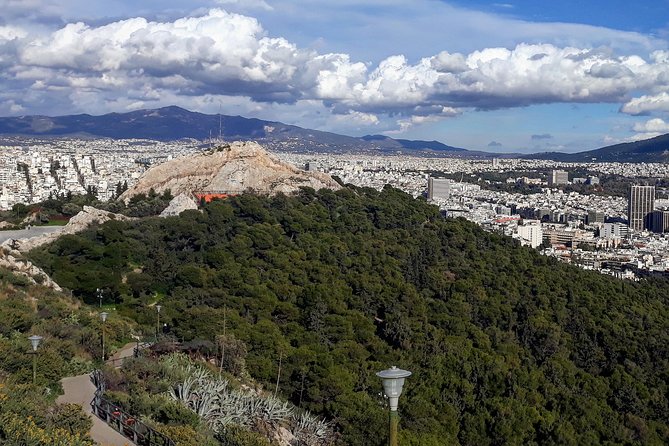
Athens gets taller, then starts telling stories. This Mount Lycabettus walking tour pairs summit views with legends and local context as you move through central neighborhoods.
I like the small-group limit of 10, which makes it easier for the guide to manage the pace. I also like the route design, because the walk is not just about reaching the top, it keeps adding landmarks and viewpoints as you descend.
The main drawback to plan for is effort and heat. This is a hill walk, so bring sun protection and water, and be ready to adjust if the day runs hot.
Key highlights to know before you go
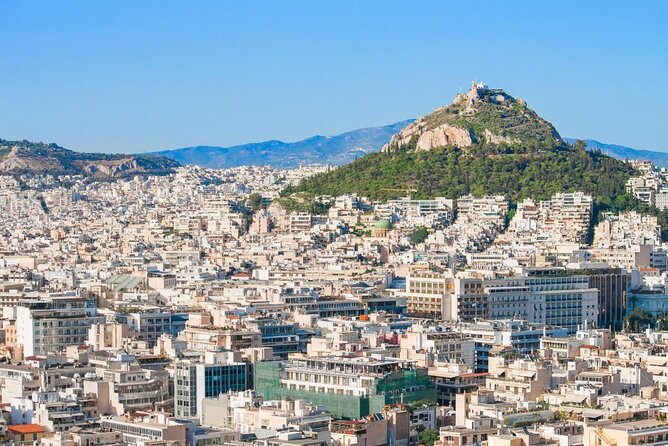
- Mount Lycabettus summit views with a look at the amphitheater area and wide city panoramas
- Small group, up to 10, plus your own group experience, so you get more attention
- Dexameni Square stop, including how the cistern shaped the place and a chance to pause for coffee
- Kolonaki Square discovery, with a locals-only style secret you get to hear from your guide
- A classic Athens finish at Monastiraki, after passing major civic and neoclassical landmarks
Mount Lycabettus summit views, plus the amphitheater angle
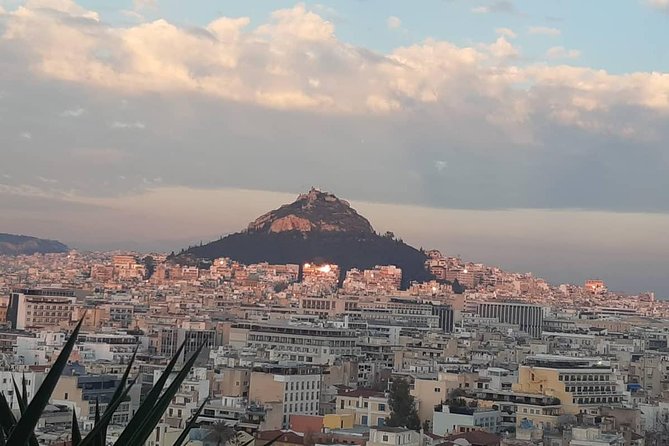
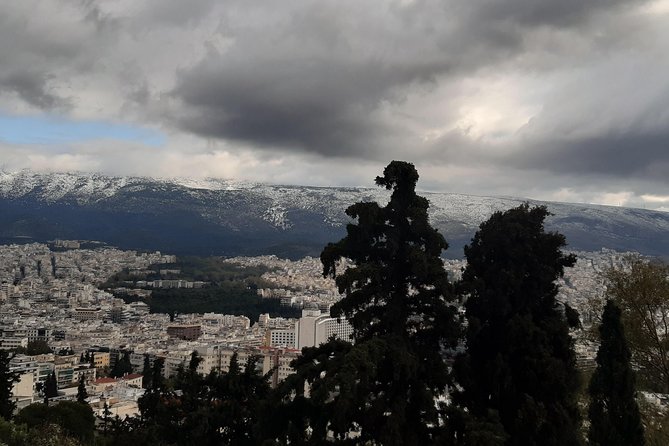
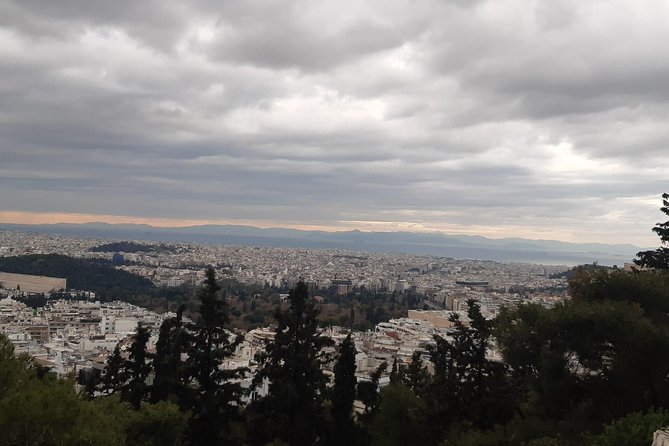
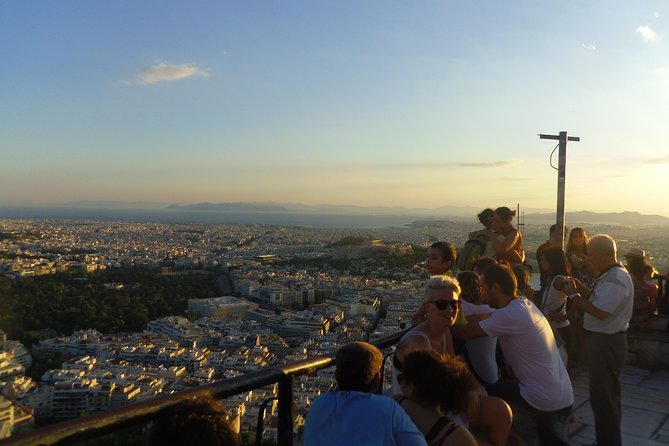
What makes Mount Lycabettus special is simple: Athens looks different from up high. From the top you get that classic skyline sweep, and the tour specifically builds toward the moment when the view opens up and you can see key parts of the city laid out below.
There is also an amphitheater moment. You are not just standing there for photos. Your guide ties what you see to stories about the mountain and the way Athenians have thought about this hill over time. That storytelling turns the summit into something more like a viewpoint with context, not a stop you rush through.
If you love Athens for more than just ancient sites, this angle helps. You come away understanding why this hill matters culturally, not just where it is on a map.
You can also read our reviews of more walking tours in Athens


The 3-hour walk flow, starting at Evangelismos and ending in Monastiraki
The tour runs about 3 hours and follows a clear rhythm: climb, pause for big views, then walk back down through Athens on the way to Monastiraki.
You start at Στ. Ευαγγελισμος (Athens 106 76). Ending at Monastiraki is a smart move because it drops you back near one of the most convenient areas for continuing on your own. Monastiraki is easy to navigate from, and you can usually find food, cafes, and transport options nearby.
The “small group, up to 10” format matters on a walk like this. It usually means the guide can slow down when you need it, and keep the conversation going instead of just rattling off facts for the front row.
One practical thing to watch for: the tour length sounds short, but the hill can make it feel longer. If you are not used to steep walks, plan on taking your time at least early on.
Climb with legends: how the summit stop is paced
The climb is part of the experience. As you head uphill, your guide shares stories and history connected to the mountain, so each stretch feels like it has a purpose.
I like that the tour is built around the summit as a payoff, not as a random checkpoint. You reach the top, take in the city views, and see the amphitheater angle, then transition into the down-hill sightseeing.
Also, the tour tends to be flexible about what “walking up” means. One group noted that their guide arranged a taxi up mostly to the top, then they walked down on an easier stretch. That is not guaranteed for every departure, but it tells you the operators understand that the steep part is where people get worn out.
So if you have any doubts about your hiking legs, it is worth going in with a calm plan: you can still enjoy the sights even if your guide adjusts the pace.
Dexameni Square, a cistern that shaped the neighborhood
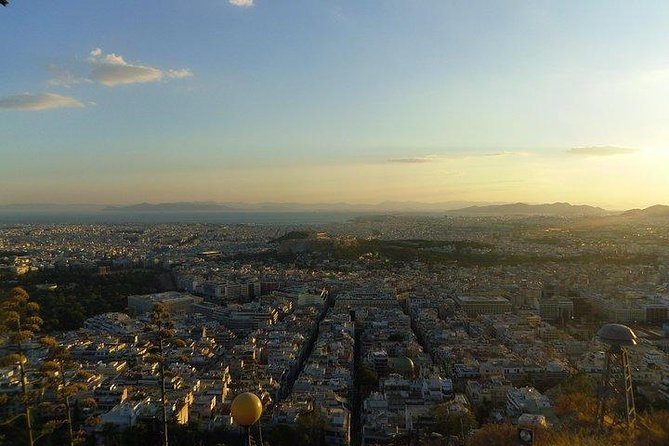
After the summit, you do not immediately jump into the next big monument. You get a quieter, more local-feeling stop at Dexameni Square.
The name matters here. Dexameni means cistern, and the square took its name from a Roman cistern. That detail is exactly the kind of thing that makes a city feel layered. You are not only looking at buildings, you are learning how water infrastructure and old structures influenced where people gathered.
This stop also has a social angle. The area was tied to a working-class neighborhood in earlier days, and after the 1930s it became a draw for artists, poets, and writers. Your guide also points out a historical cafe you could pause at, since it served as a meeting point for those creative circles.
If you like Athens for its human scale, this is the part that often feels most “real.” It is a break from summit-vs-monument thinking and more about how the city grew and who filled it with life.
Kolonaki Square and the Neoclassical Trio: seeing Athens the educated way

Next comes Kolonaki Square. The tour frames it as having a secret that locals know. That is a great promise if you are tired of standard sightseeing, because it signals you will get a specific viewpoint or story that connects to daily life in the neighborhood, not just architecture photos.
Then you head toward the Neoclassical Trilogy of Athens. While you are moving through, the goal is to help you recognize what you are seeing as you pass it, instead of standing still and hoping the city explains itself. Neoclassical buildings can look similar if you do not have a guide’s wayfinding, so the narration helps your eyes pick up what matters.
This section is valuable if you want Athens beyond ruins. You get the civic and institutional side, the 19th-century look that gives parts of the city its official, grand face.
Drawback to consider: if your only interest is ancient temples and archaeology, this portion might feel less urgent than the view from Lycabettus. But if you enjoy understanding how Athens expresses itself across eras, this is where the tour pays off.
- All Day Cruise -3 Islands to Agistri,Moni, Aegina with lunch and drinks included
★ 5.0 · 4,958 reviews




Old Parliament, Kolokotroni Street, and the long glide to Monastiraki
From the neoclassical sights, the route keeps moving toward old Parliament, then through Kolokotroni Street, and ends in Monastiraki.
That walking connection is not random. It helps you stitch together Athens in a way that feels like a lived route. You get multiple “stages” of the city without needing taxis between every stop, which saves time and reduces the mental load of planning.
Old Parliament and the streets around it are a useful transition zone. They sit between grand landmark energy and the more everyday rhythm of markets and pedestrian streets. Walking through that seam helps you feel how the city changes tone as you move.
Some guides also have time to add small practical highlights if your group is interested. One family shared that their guide stayed a bit longer to help them see something they had requested in the National Gardens. That kind of flexibility is a good sign for tailoring.
Who the guides really are, and why pacing matters
The biggest reason this tour earns solid marks is the guide performance. Names that came up with especially strong feedback include Eleni, Dionysis, and Alex.
Eleni was praised for being super helpful and for cutting down the otherwise challenging walk. That matters. On a hill tour, “helpful” is not a vague compliment, it is usually what keeps the group from falling behind, getting grumpy, or abandoning the climb early.
Dionysis was described as friendly, engaging, and strong at connecting Athens to broader Greek culture and future trip ideas. That style often helps if you like travel that feels like a conversation rather than a lecture.
Alex was described as covering a lot of topics, including history, politics, languages, and even practical shopping spots. He also handled pacing by using a taxi up to the top and then walking down. Again, that tells you the best version of this tour feels adaptable.
One balance note: at least one group felt the guide style was a bit more informal than what they expected, and another group rated the experience lower largely because of heat and exhaustion. So your enjoyment may come down to conditions and how your guide manages the pace for your specific group that day.
Price and value: what $63.82 buys you in Athens time
At about $63.82 per person for roughly 3 hours, this is not a budget bus tour, but it is also not priced like a luxury private driver-and-guide situation. The value is in two places.
First, you are paying for the guide during a route that would be harder to assemble yourself with the right historical thread. The tour focuses on specific squares and landmark groups, including Dexameni Square’s cistern story, Kolonaki Square’s local secret angle, and the civic route toward Monastiraki.
Second, the small-group cap of 10 increases the odds of an actual back-and-forth during the walk. That matters on a walking tour where you want to ask questions as you go.
What is not included is also clear: food and drinks are not included. That is normal for a walking tour, but it means you should budget for water and any cafe stop you choose at Dexameni Square. If you know you get snacky while walking uphill, plan ahead.
Also, the tour offers group discounts and a mobile ticket. That is helpful if you are traveling as a couple or family and want to keep things simple.
Heat, shoes, and real-world tips for Lycabettus
Even with a strong guide, Mount Lycabettus has one recurring challenge: it can feel hot and demanding. One group gave a mid score and said it was too hot and too much work, and they were tired when the day already had heavy sun on it.
So here is how you protect the experience:
- Wear good walking shoes with grip. The path up and down can be uneven, and you want stable footing.
- Bring water and sun protection. Plan on using it before you feel thirsty.
- If you are heat-sensitive, choose a departure time later in the day rather than the peak sun hours, if the schedule gives you options.
- If you are not sure about your stamina, tell the guide early. A tour that can adjust pacing can still be enjoyable.
The tour requires good weather, so if conditions are off, the operator may offer a different date or a refund. In other words, you should expect a day that is workable for walking, not a rain-soaked scramble.
Meeting point clarity and how to make the start easy
You start at Στ. Ευαγγελισμος, then you end at Monastiraki. That is a clean story, but the first 10 minutes matter.
Get to the meeting point a bit early so you can check in, spot your group, and get moving before you feel rushed. Athens sidewalks can be busy, and you want your energy for the climb.
It also helps that the tour is in English, and confirmation is received at the time of booking. A mobile ticket is included, which makes it easier to manage on a phone instead of juggling paper.
Who this walking tour is best for
This tour fits best if you want:
- A 3-hour Athens experience that mixes views with neighborhoods
- A guide-led route through squares like Dexameni and Kolonaki
- A route that ends in a practical sightseeing hub, Monastiraki
- A small-group format that keeps the conversation possible
It may be less ideal if:
- You expect a totally flat walk. This is a hill tour.
- You are traveling when heat is likely to be intense and you cannot handle sun and exertion.
- You need a strict, fully guaranteed itinerary with no adaptation. One group mentioned a taxi-assisted version of the climb, and that kind of variability can change how strenuous it feels.
Children are allowed only with an adult, and service animals are permitted. Most travelers can participate, but it is still a walking experience, so choose it based on your own comfort level.
Should you book this Mount Lycabettus Walking Tour?
I would book it if you want a skyline moment plus a real “walk through Athens” feeling in one go. The route makes sense, the guide-led stories connect the places, and the small-group format helps the day feel human.
I would think twice if you know you struggle with steep climbs or heat. If that is your situation, go with a plan: choose your departure time wisely, bring water, and expect the guide may adjust pacing, including possibly shortening the hardest section.
If you like your Athens with both big views and everyday neighborhood stops, this tour is a strong value use of a few hours.
FAQ
Where does the tour start and end?
It starts at Στ. Ευαγγελισμος in Athens (Athens 106 76, Greece) and ends at Monastiraki in Athina.
How long is the Mount Lycabettus walking tour?
The duration is about 3 hours.
What is included in the price?
The tour includes a local guide. Food and drinks are not included.
What language is the tour offered in?
The tour is offered in English.
Is the tour small group or private?
It is limited to small group size (up to 10), and it is described as private, meaning only your group participates.
What is the cancellation policy?
You can cancel for free up to 24 hours in advance for a full refund. If you cancel less than 24 hours before the start time, it is not refunded.
Is the tour suitable for families or service animals?
Children must be accompanied by an adult, and service animals are allowed. The experience notes that most travelers can participate.
More Walking Tours in Athens


More Tours in Athens

More Tour Reviews in Athens
- All Day Cruise -3 Islands to Agistri,Moni, Aegina with lunch and drinks included
★ 5.0 · 4,958 reviews
Not for you? Here's more nearby things to do in Athens we have reviewed






Athens Walking Tours, compared.
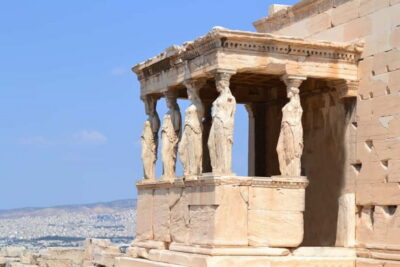 ★ 4.6Acropolis and Parthenon Guided Walking TourFrom $385,882 reviews
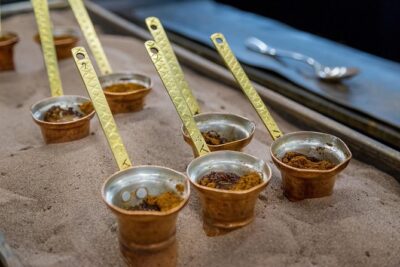 ★ 5.0Greek Food Walking Tour in AthensFrom $874,740 reviews
 ★ 4.7Acropolis: Acropolis and Parthenon Guided Walking TourFrom $363,442 reviews
 ★ 5.0Acropolis monuments & Parthenon Walking Tour with Optional Acropolis MuseumFrom $422,678 reviews
 ★ 4.5Athens Acropolis and Parthenon Walking TourFrom $411,355 reviews
 ★ 5.0Athens Authentic Greek Food Walking Tour (Small Group)From $83809 reviews
 ★ 4.4Early Morning Acropolis & Old Athens Guided Walking TourFrom $28748 reviews
 ★ 4.9Ultimate Food Walking Tour with 15 TastingsFrom $93567 reviews
Browse the lists this tour appears in