
Reviewed · ATHENS ACROPOLIS & PARTHENON TOURS
Athens: Acropolis Guided Walking Tour without Entry Ticket
You climb into Greek legend, step by step. This Acropolis guided walking tour without entry ticket turns the ruins into a clear story of Athena, festivals, and theatre life above Athens.
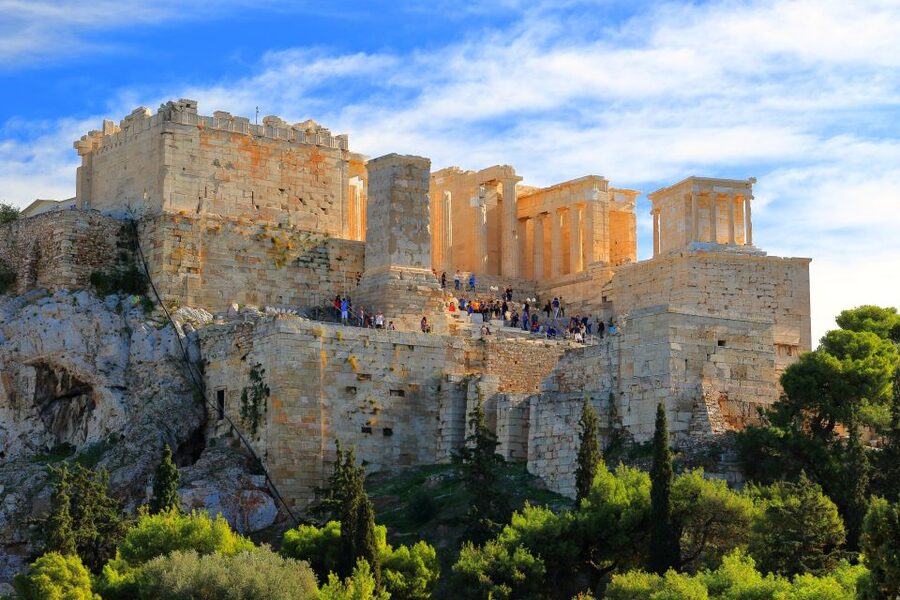
I love how the tour is led by a licensed guide, with enough time to ask questions and get answers that connect the stones to the myths. I also like the pacing of the route, because you get the big landmarks like the Propylaea, Caryatids, and the Athena Nike Temple without feeling like you are speed-walking.
One possible drawback: the Acropolis entry ticket is not included, so you have to secure the right timed ticket yourself before you go.
Key things to know before you go
- Licensed Spanish guide with Q&A time: you are not just following, you can ask.
- No entry ticket included: you must buy your timed ticket in advance.
- Two hours on foot: ideal if you want depth without a full-day commitment.
- Landmarks you will actually recognize: Propylaea, Caryatids, Athena Nike, Dionysus, Parthenon area.
- Myth explanations tied to the site: gods and festivals made practical, not abstract.
What makes this Acropolis tour work in real life
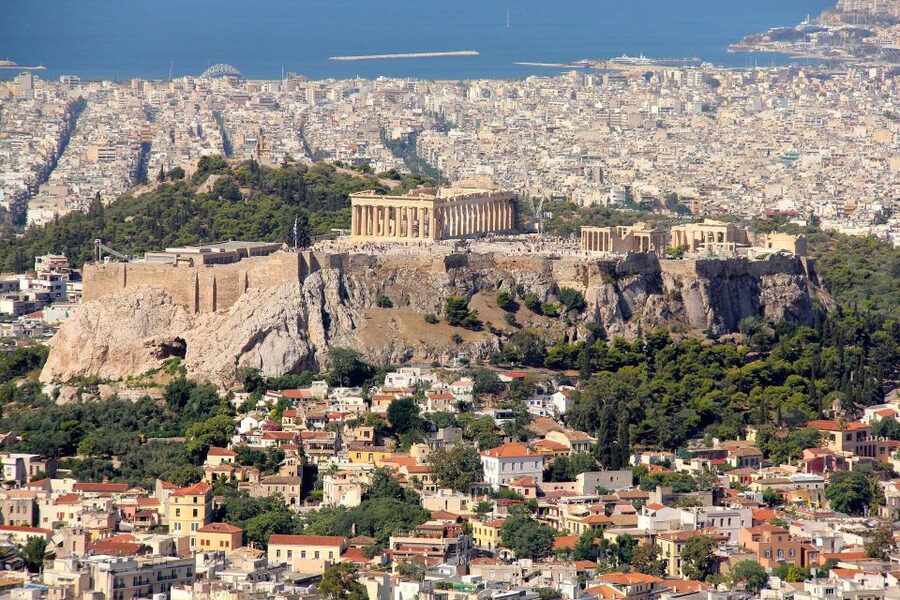
The Acropolis is one of those places where you can feel lost fast. There is so much going on, and the stones are old enough that even the layout needs translation. This tour gives you that translation, with a guide who keeps the meaning connected to what you see.
The value here is the guided walk itself. For $32.75 per person, you are paying for a licensed storyteller who helps you understand why the Parthenon matters, what the Propylaea tells you, and why the theatres and small temples fit into the religious life of Athens. Since entry is not included, you are not double-paying for a ticket you would buy anyway.
The other practical win is the format. It is designed as a walking experience, not a long bus ride with vague stops. You spend your time where it counts, moving through the key zones and hearing what to look for as you arrive.
More Athens tours and experiences for the shortlist



Starting point at the Metro Acropolis entrance
You meet your guide at the street-level entrance of the Metro station Acropolis. You should aim to be there 10 to 5 minutes early, because starting on time matters when you have timed entry tickets to coordinate.
This is a walking tour, so there is no hotel pickup. You will want to plan how you get to the Metro station before anything else. If you are staying in central Athens, metro access is usually the easiest way to avoid traffic stress.
The tour ends back at the meeting point, so you are not stuck figuring out a new location afterward. That matters if you want to go straight to a meal or jump to another site.
The ticket situation: the one logistics detail you cannot ignore
Here is the deal that affects your day the most: the tour does not include the Acropolis entry ticket. The ticket must be bought previously by you, and you can buy it online.
This matters because timed entries can sell out. The good news is the operator says they will help you if you cannot get a ticket because there is no availability. Still, I treat this as a planning task, not an afterthought.
If you need to buy a ticket at the ticket office, go to the South entrance ticket office area around 30 minutes before your tour time. When you get the tickets, the meeting point is less than 2 minutes walk away. That short transfer is a relief when you are trying to stay calm in a crowded area.
Timing quirks by season are important, especially for the tour time slots that do not match the ticket time you expect:
- Low season (01/11 to 31/03):
- For a tour at 09:15, you buy the ticket for 09:00 to 10:00.
- For a tour at 14:30, you buy the ticket for 14:00 to 15:00.
- High season (01/04 to 31/10):
- For a tour at 08:15, you buy the ticket for 08:00 to 09:00.
- For a tour at 17:00, you buy the ticket for 17:00 to 18:00.
If you remember nothing else, remember this: match your ticket slot to the guidance for your tour time, not just the tour hour on the calendar.
Propylaea to Caryatids: how the route sets the story
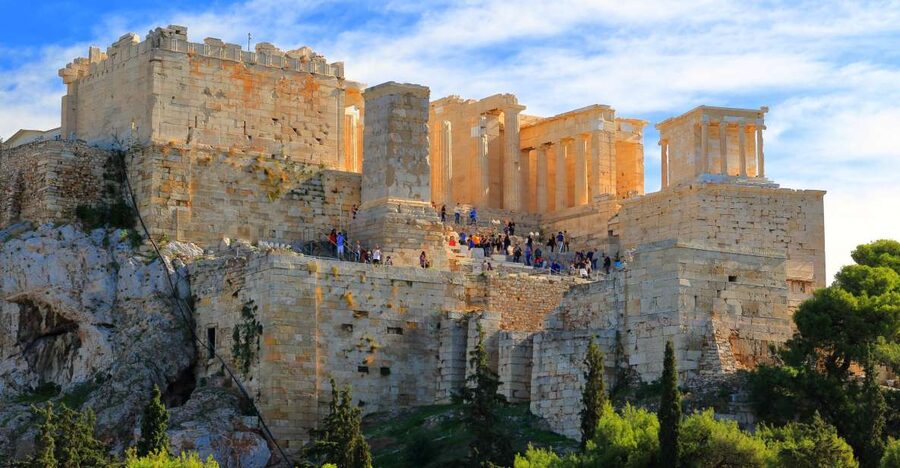
Once you are in motion, the walk starts making sense. You go through the Propylaea, the monumental gateway into the rocky citadel, and the guide uses that entry point to set context. You are not just looking at a gate. You are seeing how ancient Athenians understood approach, arrival, and authority in one place.
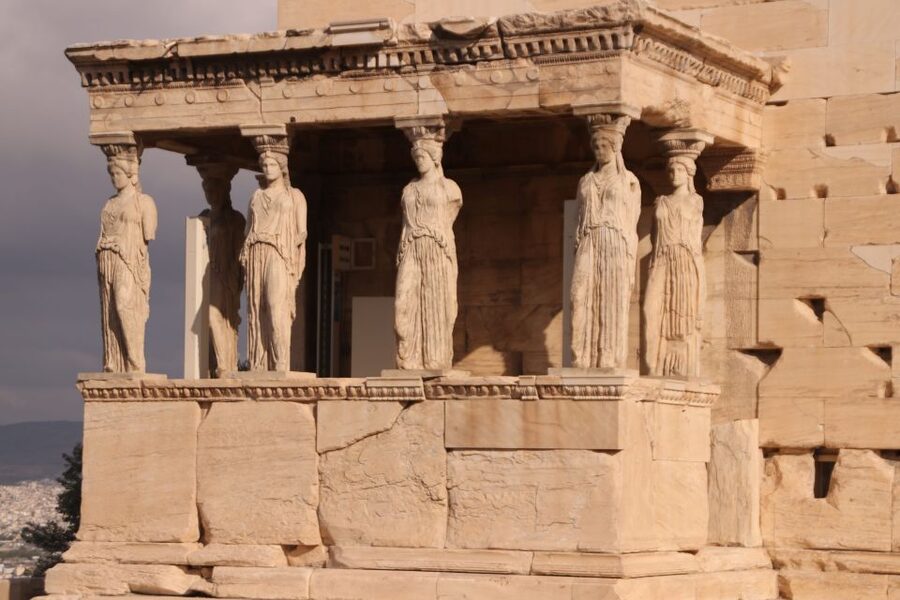
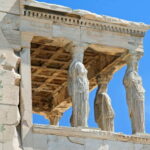
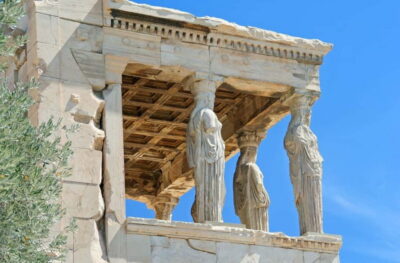
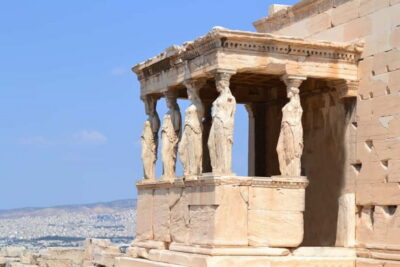
From there, the tour highlights the Caryatides, the famous stone figures. They are small enough to miss if you are only scanning for the Parthenon, but a good guide will point out what they represent and why they were designed the way they were. This is where you start learning to look with your ears as much as your eyes, because the meaning comes in pieces as you pass each landmark.
Then you reach the Athena Nike Temple. It is the kind of temple that feels small compared with the big names around it. That is exactly why it is worth having a guide, because you get the symbolism and the scale explained, rather than just a quick glance and moving on.
Parthenon area: myths and festivals attached to what you see
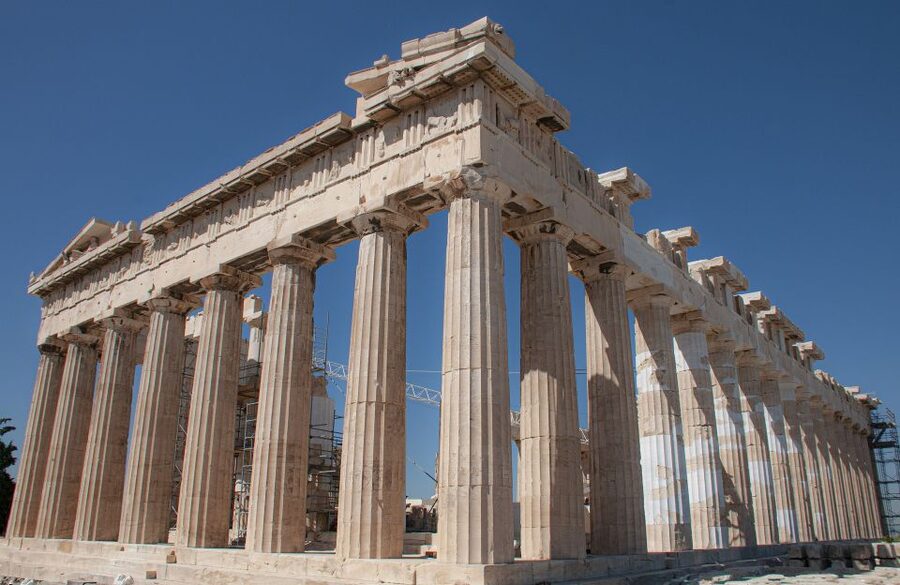
At the Parthenon area, you usually see lots of tourists doing two things: taking photos, and then wondering what they are actually looking at. This tour helps with both.
The guide connects the site with the most celebrated Greek myths and with major religious festivals of ancient Athens. That means the Parthenon is not just a building. It becomes a stage for belief, celebration, and identity.
You also hear about the long history of the capital of modern Greece. That link is useful even if your main goal is ancient Athens. It helps you understand why the Acropolis still matters in the city’s modern sense of place.
A nice bonus is that the tour does not treat the ruins like a museum display. The commentary is built around mythology tied to the archaeological remains, so you learn what to associate with each section instead of collecting random facts.
You can also read our reviews of more walking tours in Athens






Erechtheion and the “named after” moment that matters
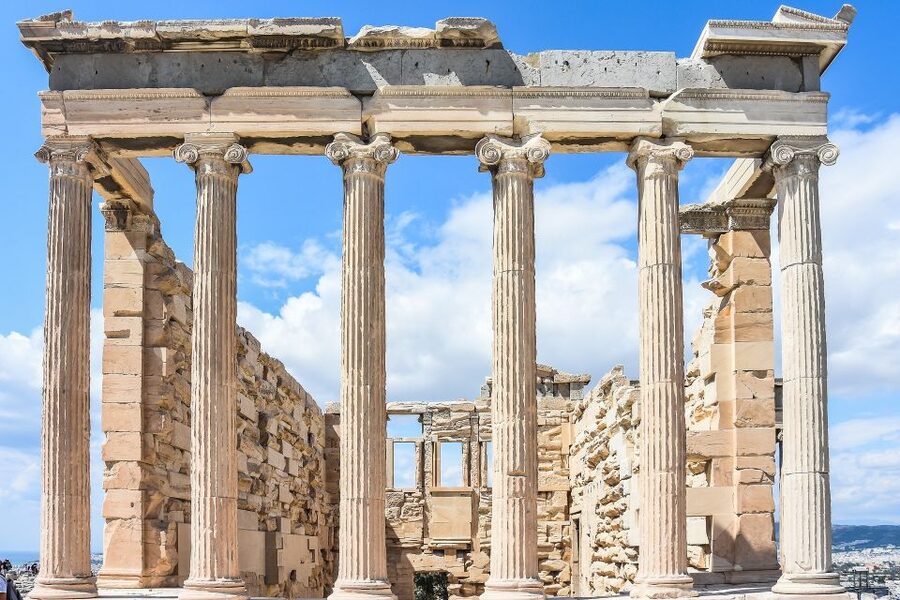
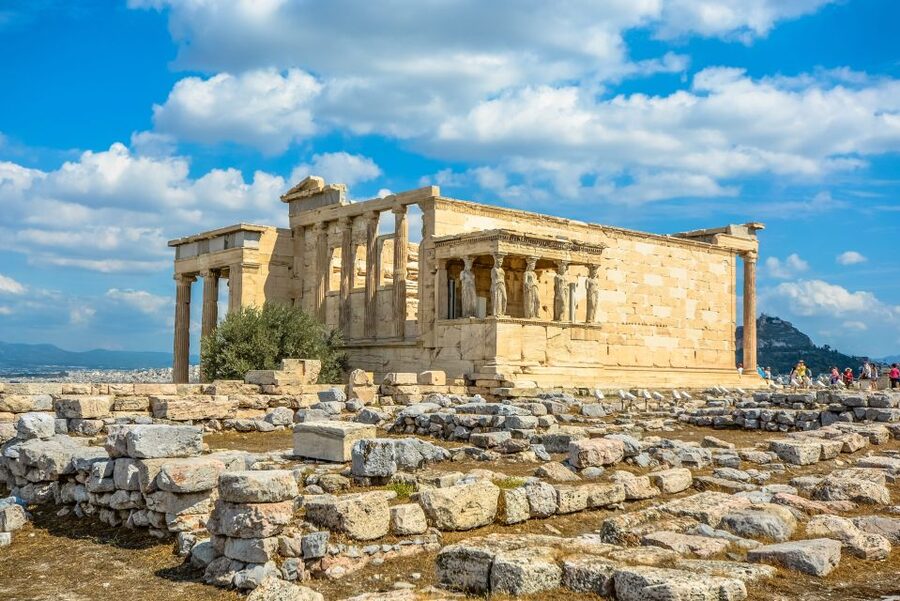
Erechtheion is one of those stops that can feel like a blur if you only see it as another temple. With a guide, it becomes easier to remember because you get the naming and the reason behind it.
The Erechtheion is named after the demi-god Erechtheus. That single detail gives you a thread to follow while you look around. You start thinking in terms of characters, worship, and civic meaning, not only architecture.
If you like tours where you can ask questions, this is a good place to do it. The structures are complex and the stories behind them are tangled in a way that begs for clarification. A small group format helps here, because it is easier for the guide to respond rather than rush to the next photo line.
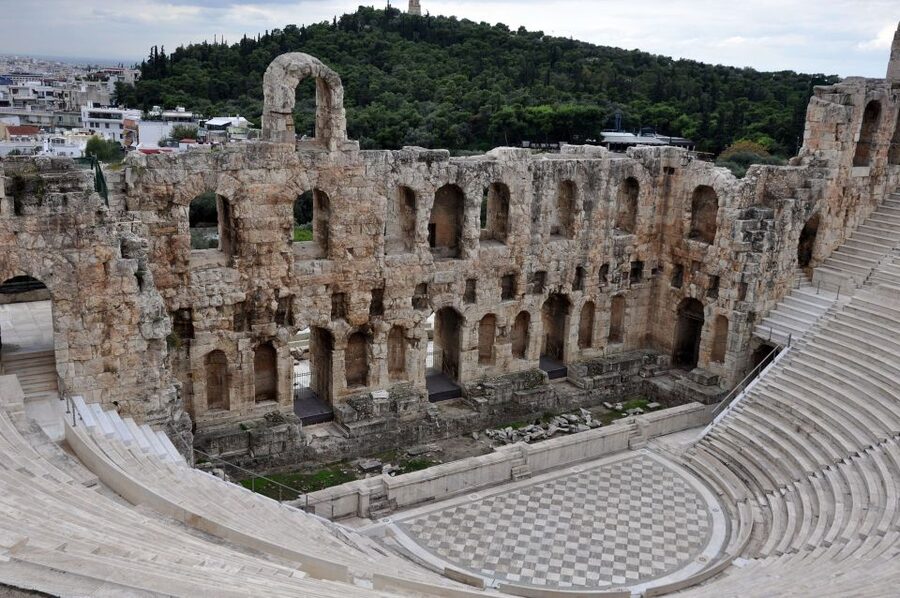
Theaters you can picture: Dionysus and Herodes Atticus
This tour stands out for how it handles the theatre landmarks. Athens is the birthplace of theatre traditions, and the Acropolis holds both the big ancient stage concept and the impressive later stone theatre look.
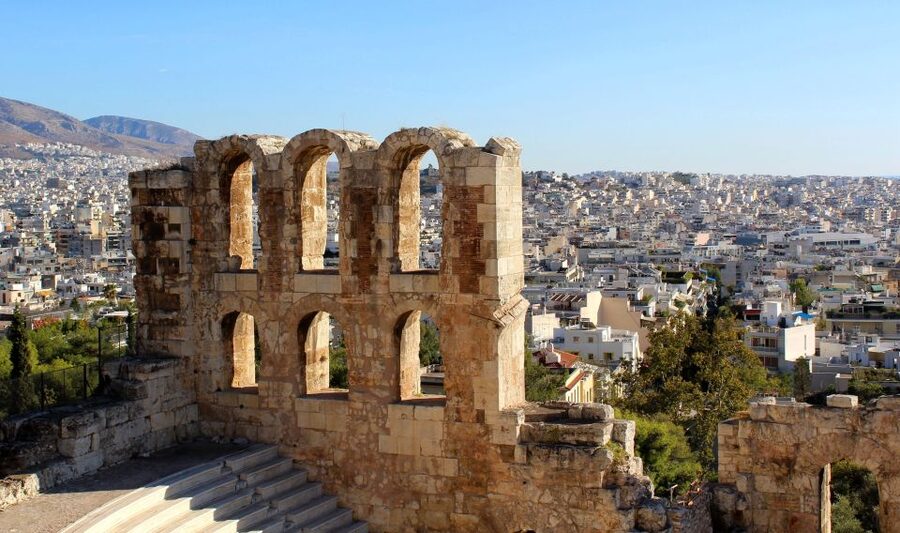
You visit the theatre of Dionysus, described as holding 17,000 spectators. The size alone is worth seeing, but the guide ties it to festivals honoring the birth of the Greek god. That framing turns the space into something human, like a place where thousands gathered for ritual, performance, and shared stories.
You also get the Odeon of Herodes Atticus, a giant stone theatre. When you hear the myths and context, the theatre design feels less like an artifact and more like an outdoor machine built for sound, ceremony, and spectacle.
If you enjoy culture that connects architecture to daily life, this is a highlight worth paying attention to. The guide helps you visualize what it was like for the crowd and why these festivals mattered socially, not just spiritually.
Temple of Asclepius and the smaller stops that add texture
Not every Acropolis tour hits every meaningful zone in a balanced way. Here, you also see the temple of Asclepius, which adds a different angle to the day. Asclepius connects to healing, and it broadens the story beyond the main goddess-centric themes.
The guide keeps these stops from feeling like side quests. Instead, you get how different parts of the sacred complex represented different concerns in ancient life, worship, and community.
By the time you reach spots like the Temple of Athena Nike and the areas near the Caryatides and gate structures, you have more context for why the Acropolis was not one single monument. It was a living religious landscape with multiple focal points.
Heat, crowds, and why the guide’s pace matters
The Acropolis can be brutal in mid-day sun, and the crowd density can change minute to minute. A tour is only as good as its pacing under those conditions.
In the past, this tour has been praised for staying organized even when it is hot and when there are lots of people. The effect you want is simple: fewer random pauses, less standing still with no context, and more movement paired with explanation.
Also, if you care about the stories behind the ruins, you will probably appreciate how the guide answers in a way that stays tied to what you see. That is the difference between listening to history and actually using it to interpret the place while you are standing there.
Group size and how Q&A fits into the walk
Small group tours are more than a comfort perk. At the Acropolis, small group size changes how you experience the landmarks.
A smaller group means you are not always forced into a long line behind a mass of people. It also means the guide can stop and adjust when you ask a question, instead of giving one-size-fits-all commentary.
If you have specific interests, like mythology, theatre history, or how the design of temples relates to belief, Q&A time can make the tour feel personal. This format is built for that.
Practical details: timing, language, and what not to bring
The tour runs for about 2 hours. Starting times vary, so check availability for the departure options that fit your schedule.
The guide language is Spanish. If you speak Spanish comfortably, you will get the full benefit of the mythology explanations and the stop-by-stop context.
Some items are not allowed:
- baby strollers
- non-folding wheelchairs
- electric wheelchairs
This matters for comfort and planning, so it is worth reviewing before you book if accessibility is a concern.
The tour has a clear cancellation option: you can cancel up to 24 hours in advance for a full refund. There is also reserve now & pay later, so you can book without paying today.
Who should book this Acropolis walking tour?
I think this tour fits best if you want:
- a guided walk focused on the Acropolis core landmarks
- clear mythology and historical context attached to each stop
- enough structure to feel oriented, without needing a full day
It is also a good match if you like asking questions and hearing answers in a smaller group setting. If you enjoy theatre and religion as connected cultural systems, the Dionysus and Herodes Atticus sections are especially relevant.
If you already know a lot about Athens and just want photos, you might find the guided narrative less necessary. But even then, the theatre framing and the myth tie-ins can still improve how you read the site.
Should you book a guided Acropolis tour without an entry ticket?
Book it if you are comfortable handling the ticket step and you want your time on the mountain guided. The biggest reason to choose it is the combination of a licensed Spanish guide, landmark-focused route coverage, and myth explanations that help you interpret what you are seeing.
Skip it or rethink it if you do not want to deal with timed entry logistics. Because the entry ticket is not included, you must get the right slot based on season and tour time. If you are traveling last minute during peak periods, that planning load can be annoying.
My practical advice: secure the ticket first, then book your tour. Once the ticket timing is handled, this tour becomes a straightforward, rewarding way to turn the Acropolis from a photo stop into a story you can follow.
FAQ
Is the Acropolis entry ticket included?
No. The tour includes the guided walking experience and a licensed guide, but the Acropolis entry ticket is not included. You must buy the ticket yourself in advance.
Where do I meet the guide?
Meet your guide at the entrance of the Metro station Acropolis, on the street level.
What time should I arrive at the meeting point?
You should arrive 10 to 5 minutes before the tour starts.
How long is the tour?
The duration is 2 hours. Starting times vary, so check availability for the schedule.
What language is the tour guide?
The tour guide speaks Spanish.
What if I cannot get an Acropolis ticket online?
If you cannot get the ticket due to no availability, the provider says they will help you.
Do I need to buy a timed entry ticket from a specific time slot?
Yes. The ticket time slot needs to match specific guidance depending on the season and your tour time. The tour information lists different required ticket time slots for low season and high season.
Is this tour suitable for strollers or wheelchairs?
Baby strollers are not allowed. Non-folding wheelchairs and electric wheelchairs are not allowed either.
Can I get a refund if I cancel?
Yes. Free cancellation is available up to 24 hours in advance for a full refund.
Can I reserve now and pay later?
Yes. You can reserve now and pay nothing today, then pay later.
More Tickets in Athens

More Tours in Athens



More Tour Reviews in Athens
- All Day Cruise -3 Islands to Agistri,Moni, Aegina with lunch and drinks included
★ 5.0 · 4,958 reviews



Not for you? Here's more nearby things to do in Athens we have reviewed










Athens Acropolis & Parthenon Tours, compared.
 ★ 4.4Acropolis & up to 5 Archaeological Sites Combo PassFrom $4812,619 reviews
 ★ 4.2Acropolis Ticket with Optional Audio or Live GuideFrom $4211,055 reviews
 ★ 4.8Acropolis, Parthenon & Acropolis Museum Guided TourFrom $409,316 reviews
 ★ 4.6Acropolis and Parthenon Guided Walking TourFrom $385,882 reviews
★ 4.8Acropolis, Parthenon & Acropolis Museum Guided TourFrom $413,579 reviews
★ 4.6Acropolis and Parthenon Guided Walking TourFrom $385,882 reviews
★ 4.8Acropolis, Parthenon & Acropolis Museum Guided TourFrom $413,579 reviews
 ★ 4.0Acropolis Ticket with Audio GuideFrom $473,575 reviews
 ★ 4.7Acropolis: Acropolis and Parthenon Guided Walking TourFrom $363,442 reviews
 ★ 5.0Acropolis monuments & Parthenon Walking Tour with Optional Acropolis MuseumFrom $422,678 reviews
Browse the lists this tour appears in