
Reviewed · DELPHI DAY TRIPS FROM ATHENS
4-Day Classical Greece Tour: Epidaurus, Mycenae, Olympia, Delphi, Meteora
Five UNESCO sites in four days, without chaos. This guided route links Athens to world-class ruins like the Theater of Epidaurus, Mycenae, Olympia, Delphi, and Meteora, with pickup, a professional guide, and hotel stays built in. You also get entry tickets to most sites, so you spend less time pricing tickets and more time looking up at temples and tombs. UNESCO stops and included entrances make the schedule feel tight but efficient.
I like that this trip is structured around big, readable themes: healing and drama at Epidaurus, power and myth at Mycenae, athletics at Olympia, prophecy at Delphi, and monastic life above the rock cliffs at Meteora. I also like the way meals are handled, with breakfast and dinner included across the nights on tour, while lunches stay flexible for your own pace and budget.
One drawback to plan around: hotel quality can be hit-or-miss depending on what you selected, and some guests felt their stay was closer to a lower star level than promised. Add in long driving days and heat at exposed ruins, and you’ll want comfortable shoes and a simple strategy for staying cool.
Key highlights at a glance
- Five UNESCO World Heritage Sites in one compact loop
- Guides such as Joy, Maria, Xenia, Sophia, Dimitra, and Foteini are repeatedly praised for clear storytelling
- Entrance tickets included for key sites, plus two Meteora monasteries
- Breakfast and dinner included, with lunch typically on your own
- Hotels included, but don’t expect every room to match 4-star standards in practice
A fast, focused route through Greece’s ancient power centers
This tour is for you if you want your first visit to mainland Greece to feel complete. In just four days you hit the places that show up again and again in Greek history: ceremonial healing and theater at Epidaurus, royal legend and a tomb-culture vibe at Mycenae, the cradle of organized athletic games at Olympia, prophecy and sacred drama at Delphi, and religious life balanced on Meteora’s towering rock.
The best part is that the tour is not only about seeing ruins. It’s about seeing how those ruins connect. You go from performance (Epidaurus) to kingship (Mycenae), then to organized competition (Olympia), and finally to spiritual authority (Delphi and Meteora). If you’ve ever wondered how the same culture could produce both athletic ideals and oracle-driven decision making, this trip gives you the links without needing a month of independent travel.
More Athens tours and experiences for the shortlist
Hotels and meals: good value, but set expectations
You’re paying for more than bus transport. The package includes accommodation in a tourist-class option or a 4-star option (your choice), plus three breakfasts and three dinners. That alone helps the budget, because you’re not constantly adding costs for meals while you’re moving between regions.
In practice, reviews suggest the lodging can feel more basic than what the label implies. Some people reported rooms that did not match what they expected from a 4-star booking, and dinners or buffets can be simple rather than memorable. That doesn’t mean the trip is a bad deal, but it does mean you should treat “hotel level” as the area most likely to disappoint if you’re used to North American-style luxury.
Here’s what you can count on from the tour setup:
- Dinner is included at the hotel on the nights you stay on tour.
- Breakfast is included at the hotel each morning.
- Lunch is on your own each day, with the tour providing guidance on where to eat.
My practical advice: plan to use lunch as your freedom. If you arrive hungry, grab something quick near the stop before the guided time pulls you onward. If the lunch stop the group uses looks overpriced or touristy, it’s not a disaster to spend 15 to 20 minutes finding a simpler place with local choices.
Also note that you may have a pool or outdoor space depending on the specific property. In hot months, that small perk can make the evening feel easier.
One more real-world detail: the tour notes that overnight on Day 1 may sometimes be in Olympia instead of Nauplia. That means your arrival area for the first night can shift, but the overall sequence of sights stays the same across the four days.
Day 1: Epidaurus, Mycenae, and the calm photo stop at Corinth Canal
Day 1 is a strong “anchor day” because it teaches you how to read ruins like a story. You start with Epidaurus, then swing to Mycenae, and finish with the Corinth Canal for a quick, satisfying change of scenery.
Theater of Epidaurus
Epidaurus is the perfect opener if you’re a fan of theater, ancient engineering, or just the sheer idea of crowds gathering for performance. You get about an hour here, and the value is that the stop isn’t just a photo moment. The guide time usually helps you understand why this theater mattered in the ancient world, not only how it looks today.
Practical tips:
- Dress for shade. Some seating areas offer limited shelter.
- Bring water. If you’re visiting in summer, you’ll feel it fast.
- Wear shoes that handle uneven stone. Even “flat” ancient sites have cracks and cobbles.
Archaeological Site of Mycenae
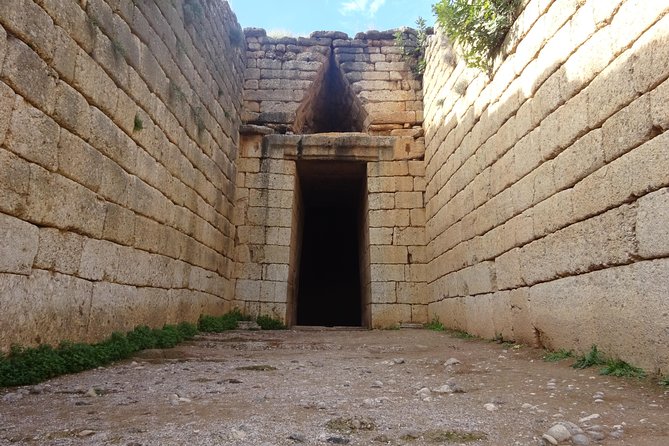
Then you head to Mycenae, a UNESCO-listed power center tied to the stories of Homer and the legend of Agamemnon. You’ll spend about 1 hour 30 minutes, with time at the palace area and tomb zone.
My take on why Mycenae works so well on day one: it’s where Greek myth and real stone history collide. You’re not just learning names, you’re standing where the setting for those stories was imagined to live.
- All Day Cruise -3 Islands to Agistri,Moni, Aegina with lunch and drinks included
★ 5.0 · 4,958 reviews


Epidaurus Archaeological Museum (short but useful)
The museum stop is brief, around 15 minutes. Don’t expect a long, museum-day experience. Instead, treat it as a “connect the dots” segment that helps you connect objects and meanings to what you just saw at the theater.
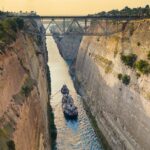
Corinth Canal
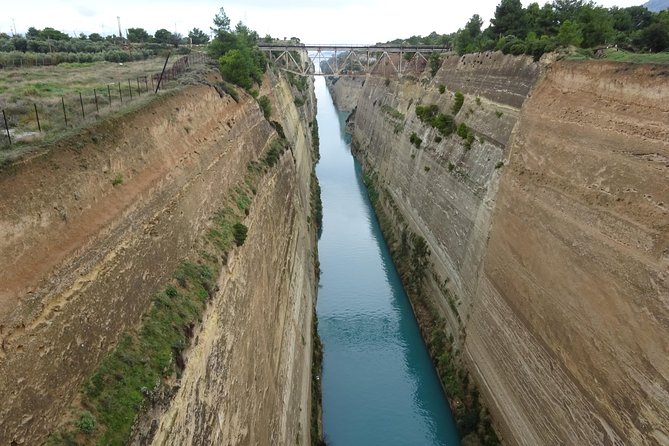
The Corinth Canal is a free stop, about 20 minutes. It’s not a deep-time learning experience. It’s a landscape break, a moment to see a modern cut through the Greek world, and to reset before Mycenae energy fades into evening.
Day 2: Olympia’s sacred athletic roots, then dinner across the sea
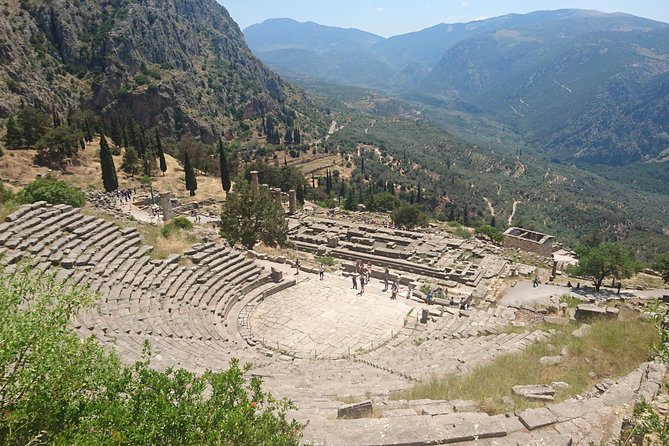
Olympia is where the tour turns from myth flavor to organized ideals. You spend about 1 hour 30 minutes at the archaeological site and then another hour in the museum.
Olympia archaeological site
This is your introduction to the ancient Olympic Games, the original version that later became a symbol far bigger than the original stadiums and temples. You’re not just walking around ruins here. The structure of the site helps you imagine how competition and ceremony worked together.
Here’s the drawback to plan for: Olympia can involve a lot of walking under open sky. If you’re visiting in warm weather, take shade seriously. A hat and water matter more than people think.
Olympia Archaeological Museum
The museum stop is a highlight for a lot of history fans because you can see the art and sculpture that gives Olympia context. You’ll also have a clear time window, about an hour.
This is a good place to slow down mentally. Outside, you focus on layout and scale. Inside, you start noticing craftsmanship and the way the ancient Greeks expressed values through athletic and religious imagery.
The “sea bridge” dinner approach
After the morning, the tour crosses into the next region and includes dinner at your hotel. There’s also a short stop at a “beautiful bridge” on the way, built for views and quick perspective. Think of it as a breather between ruins-heavy mornings and the long road to the next UNESCO stop.
Day 3: Delphi for prophecy, plus a museum moment with Iniochos
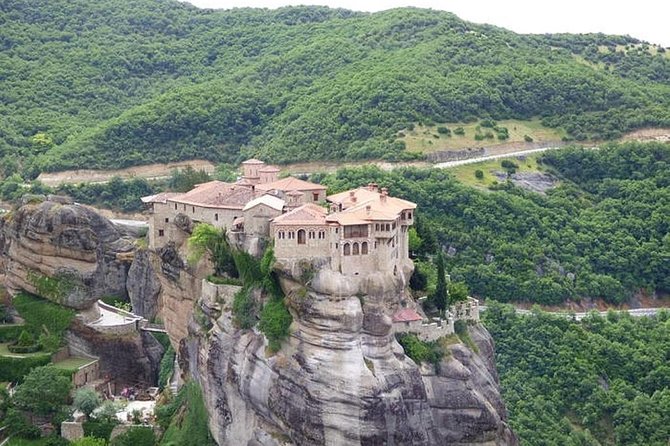
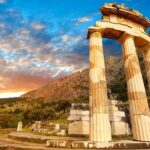
Delphi is one of those places where the ruins feel like a conclusion to a question you didn’t know you had. You start at the Temple of Apollo area, then move to the museum, then finish with Tholos of Athena Pronaia.
Temple of Apollo at Delphi
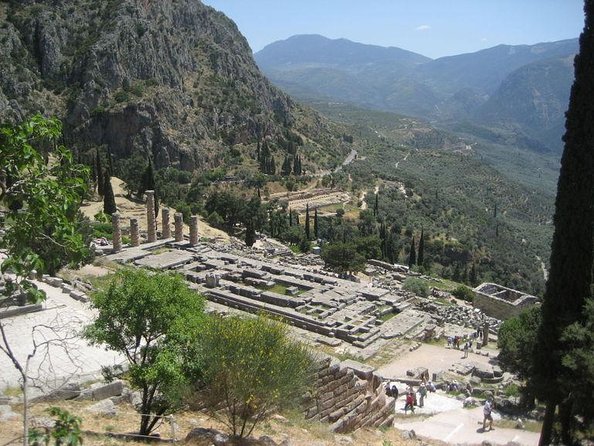
You get about 1 hour 30 minutes here. Delphi’s magic is not just the temples. It’s the idea of prophecy, the sense that ancient Greece believed decisions could be guided by sacred knowledge.
If you like stories with real physical locations, Delphi is a strong match. Even if you’re not an expert in ancient religion, you’ll leave with a better sense of why Delphi became a magnet for visitors and leaders.
Delphi Archaeological Museum
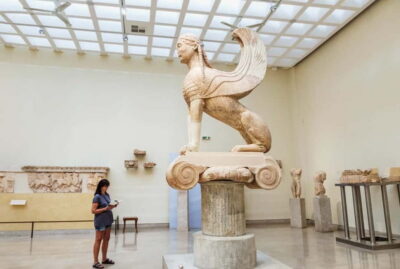
About 1 hour in the museum gives you time to take in major pieces. One specific moment that shows up in positive feedback is the bronze statue of Iniochos and the dancers, which helps you move from “architecture” to “art that carries meaning.”
This is also where the guide voice becomes especially important. When the guide explains what you’re looking at, it stops being a room full of statues and becomes a lesson you can remember later.
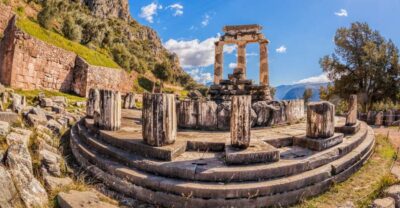
Tholos of Athena Pronaia
The Tholos is a free stop and only about 30 minutes. Don’t treat it as a full extra attraction. Instead, think of it as a quick final piece in the Delphi puzzle, a chance to see another sacred structure type and close the loop before the drive toward Meteora.
Lunch on your own, and how to use that time well
Lunch is your call here. If you want maximum value, eat something that won’t slow you down. You’ll likely need energy for the Meteora day, where the walking and steps can be more tiring than the ruins on previous days.
Day 4: Meteora monasteries above the rocks, plus Thermopylae for context
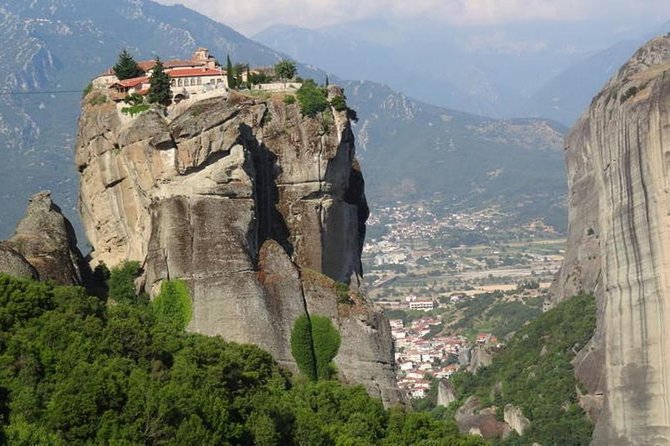
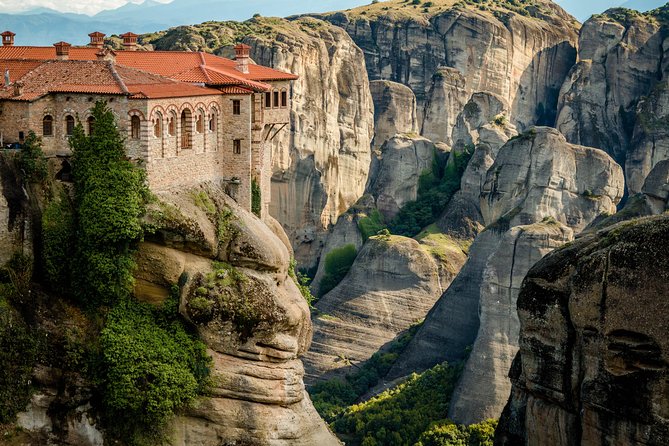
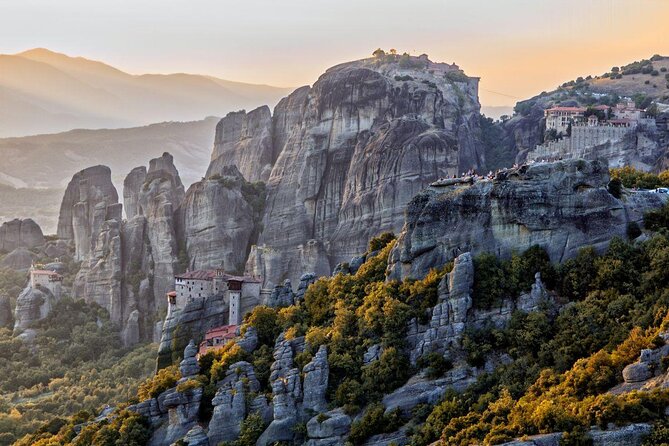
Meteora is the emotional punctuation mark on the tour. Even if you’re not religious, the monasteries perched high on cliffs show how humans solved geography with faith, stubbornness, and a lot of planning.
Meteora monasteries and Kalambaka area
You’ll spend about 1 hour in Meteora, and entrance is included for two monasteries. That time is tight but workable. On the ground, you’ll likely notice stone steps and uneven paths, so wear shoes with grip and plan your photos between walking segments.
If you’re sensitive to heights or long stair climbs, go slow. Meteora rewards patience.
Leonidas Monument in Thermopylae
On the way back to Athens, you get a free stop at the Leonidas Monument in Thermopylae for about 15 minutes. This is a short, powerful history cue: Spartan warriors holding off a Persian force many times their number.
This stop is quick, but it helps you frame the last day in political terms, not only spiritual ones. It gives you a reminder that Greek history is not only gods and prophecies. It’s also war, strategy, and identity.
The tour returns to Athens around 19:00, depending on traffic.
What you should expect from the guide and the group setup
This kind of tour lives or dies on the guide. The strongest feedback points to guides who keep a clear timeline and explain Greek myths and history in a way you can actually use. Names that come up with consistently positive energy include Joy, Maria, Xenia, Sophia, Dimitra, Jordan, and Eleni, plus excellent driving support from people like Socrates, Costa, Peter, Yannis, and Fanasis.
Here’s what matters for you on the ground:
- You’ll have professional guidance through the main ruins and museum areas.
- You should get help with where to stand, what to look at, and how to connect the stories.
- You’ll also have to follow the schedule. This is not a slow gallery stroll. It’s a moving classroom.
Group size is capped at 40, and some departures run with smaller numbers, which can make the bus feel less cramped and the stops feel less chaotic. Either way, you should expect frequent coordination, because timed entry tickets and transport windows do not forgive lateness.
One more practical note: the tour includes a dress code requirement for places of worship and selected museums. That means no shorts or sleeveless tops, and knees and shoulders must be covered for men and women. If you show up in summer gear, you might lose entry. Plan ahead, bring a light cover-up, and you’re safe.
Price and value: what $766.70 really buys
At $766.70 per person, this tour is basically a “bundle deal” that combines transport, lodging, meals, and many entrance fees.
What’s included that matters:
- Hotel accommodations (3 nights, based on the three included breakfasts and dinners)
- 3 breakfasts and 3 dinners
- Entrance tickets to Mycenae, Epidaurus, Olympia, Delphi, and two Meteora monasteries
- A professional guide and air-conditioned vehicle
- Pickup and drop-off from selected Athens hotels
What’s not included:
- Tips
- Lunches (you pay them yourself)
- An environmental fee of 10 euros per room per night paid at hotel reception
So is it good value? Usually, yes, because you’re not paying for the hardest parts separately. Most people underestimate how expensive it becomes to add entrance tickets and hotels in a four-day sprint. Here, those costs are already baked into the package.
Where value can soften:
- If your lodging expectations are very high, the “star” level may feel lower than promised.
- If you hate buffet-style dinners or you want highly local lunches, you might find the included meals predictable.
- Lunch spots can run a bit touristy. That’s not unique to this tour, but it’s still worth being strategic.
Heat, walking, and the small stuff that affects comfort
If you want this trip to feel smooth, prepare for physical reality. The tour calls for moderate physical fitness, and the sites involve walking on uneven ground and climbing small rises. Meteora can be the most demanding day, simply because of steps and stairs.
Then add weather. If you’re traveling in hot months, shade and hydration become your main survival tools. A light umbrella can help at exposed stops. In a pinch, even a thin cover-up doubles as sun protection while also helping you meet dress requirements.
Also bring a basic day kit:
- Comfortable walking shoes
- Hat and water
- Something to cover knees and shoulders when needed
Should you book this 4-Day Classical Greece Tour?
Book it if you want a high-coverage UNESCO hit with a guide who can connect ruins to stories. This is also a smart choice if you’d rather pay once for a package than make decisions every day about transport, tickets, and where to sleep.
Think twice if:
- You want strict, dependable “4-star” hotel standards and are likely to be unhappy if the stay feels more basic.
- You expect long, free wandering time at each site. This tour is schedule-driven.
- You strongly prefer independent meals every day. Lunches are on your own, and some lunch stops may feel like convenience over character.
If you’re flexible and you care more about seeing the big ancient sites than about hotel glamour, this trip is a solid way to get your bearings fast and come away with a clear understanding of how ancient Greece worked, from theater and athletics to prophecy and cliffside monasteries.
FAQ
What is included in the ticket price?
The tour includes a professional guide, air-conditioned vehicle, accommodation for the nights on tour, hotel pickup and drop-off for selected hotels, entrance fees to Mycenae, Epidaurus, Olympia, Delphi, and entrance to two Meteora monasteries. Breakfast and dinner are also included for the days on tour.
Are lunch meals included?
No. Lunch is not included, so you’ll pay for it on your own during the day stops.
How does pickup work from Athens?
Pickup starts between 7:30 am and 8:15 am, depending on your selected hotel. The tour departs from the departure point at 8:30 am. Drop-off returns to the same hotel area as pickup.
What entrance fees are included for UNESCO sites?
Entrance tickets are included for the main sites at Epidaurus, Mycenae, Olympia, Delphi, and for two monasteries in Meteora.
Is the tour in English?
Yes, it’s offered in English. French speaking is available only on Mondays. In winter season, tours run English only.
Is there a dress code?
Yes. For places of worship and selected museums, you need knees and shoulders covered. Shorts and sleeveless tops are not allowed, and you may be refused entry if you don’t meet the dress requirements.
Are there extra fees you should budget for?
Yes. There is an environmental fee of 10 euros per room per night that you pay at the hotel reception. Tips are not included.
More 4-Day Experiences in Athens
More Tours in Athens

More Tour Reviews in Athens
- All Day Cruise -3 Islands to Agistri,Moni, Aegina with lunch and drinks included
★ 5.0 · 4,958 reviews
Not for you? Here's more nearby things to do in Athens we have reviewed






Delphi Day Trips from Athens, compared.
 ★ 4.6Mythology of Delphi, Museum and Arachova Guided TourFrom $314,008 reviews
 ★ 4.6From Athens: Delphi Full Day V.R. Audio Guided TourFrom $303,028 reviews
 ★ 4.8From Athens: Small-Group Delphi, Museum & Arachova Day TripFrom $342,476 reviews
 ★ 4.5Delphi English Day Trip from Athens with Official GuideFrom $782,199 reviews
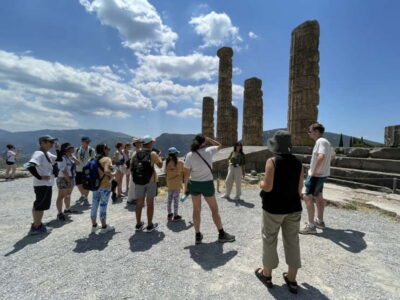 ★ 4.7Delphi Guided Trip with Optional Lunch and EntryFrom $331,553 reviews
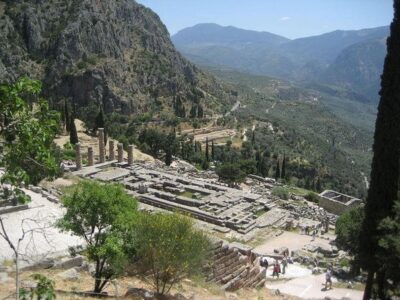 ★ 4.5Historical Delphi One Day Tour with Arachova Stop & Expert GuideFrom $341,247 reviews
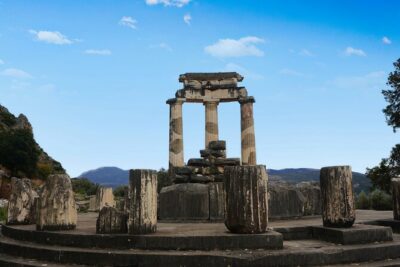 ★ 4.5Premium Delphi Day Trip with an Expert Guide, Museum & LunchFrom $381,100 reviews
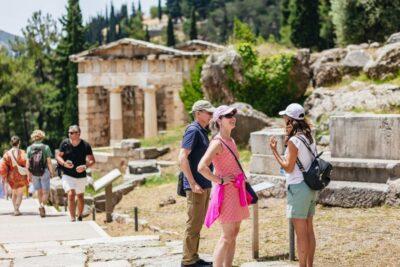 ★ 4.5From Athens: Delphi and Meteora 2-Day Guided TourFrom $271825 reviews