

Reviewed · ATHENS PRIVATE TOURS
Private tour from Athens to Marathon with a pickup
Marathon feels like a time machine. This private day trip from Athens links Marathon’s 2,500-year story with the modern Olympic race, and it does it with pickup and fast transport so you are not wasting the day stuck on the road. I like the tight route planning, because you get between sights efficiently. I also like that you have a pro driver guide in an air-conditioned van with WiFi and water. One thing to consider: museum and sanctuary entry tickets are extra, and you only get exterior historical commentary unless you add a licensed archaeologist guide.
You get an English-language setup with mobile tickets, and it is truly private for your group of up to four. The best part is how the day moves like a story, from engineering and water supply, to the battlefield burial, to religious ritual at Brauron, then to artifacts and the marathon race legacy.
Marathon Day Highlights You Will Actually Feel
- Door-to-door pickup in Athens, with a return to your starting point
- Time-saving transport between sites, with less wandering and fewer transfers
- Marathon Dam built in the 1920s with Pentelic marble, tying modern Greece to ancient material
- Marathon Tomb (Tymvos), a 9-meter-high mound tied directly to the 490 BCE battle
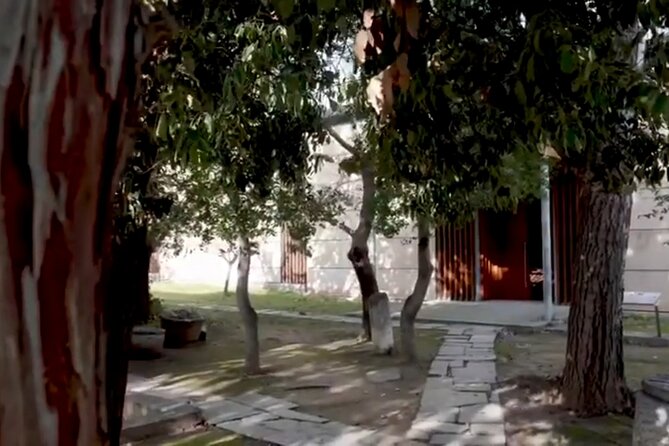
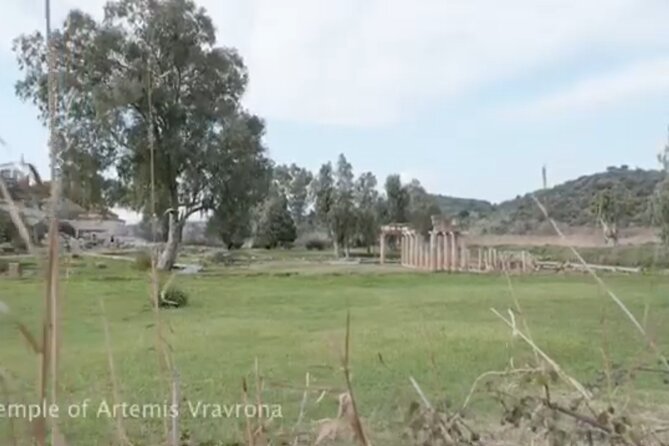
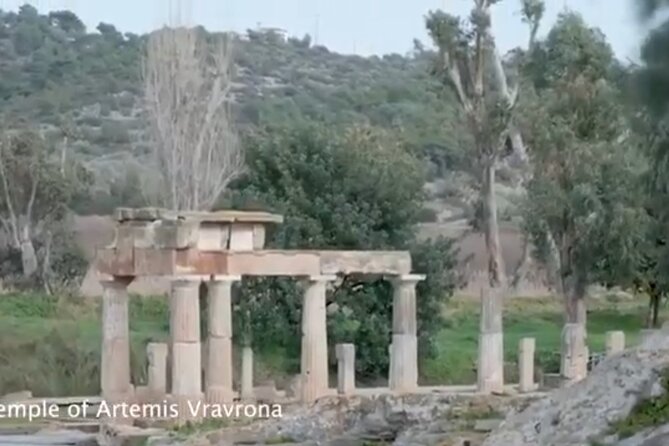
- Artemis at Brauron (Vravrona), where the Arkteia rituals honored Artemis with young girls
- Two museums that connect battlefield history to the evolution of the marathon race
A Private Athens-to-Marathon Day That Fits Real Schedules
This is one of those trips where the structure matters. You are spending about 8 hours on the road and at sites, but the pacing is designed to keep the day from becoming a long bus shuffle. With a private group size of up to four, you can also set a tone that feels comfortable, from quick visits to slowing down for questions.
Pickup is part of the value. If you are in a hotel, the driver waits at the lobby. If you are in an apartment, the wait is at your building entrance. If you are coming from a port or the airport, they meet you where you exit, holding a sign with your name. That is a small thing, until it prevents stress and lost time.
Also, you are not stuck without basic comfort. You get an air-conditioned vehicle, on-board WiFi, and water. In the Greek heat, those are not luxury extras, they are practical survival gear.
One more practical note: the driver guide can share history and context, but the included setup is for exterior insights only. If you want someone to guide you inside with extra depth, you would need to add a licensed professional archaeologist guide for an additional fee.
You can also read our reviews of more private tours in Athens


Marathon Lake and the 1920s Dam Facing the Same Marble as the Parthenon
Most people picture Marathon as “the battlefield.” This stop nudges you to see Marathon as a place that changed lives long after the Persians left.
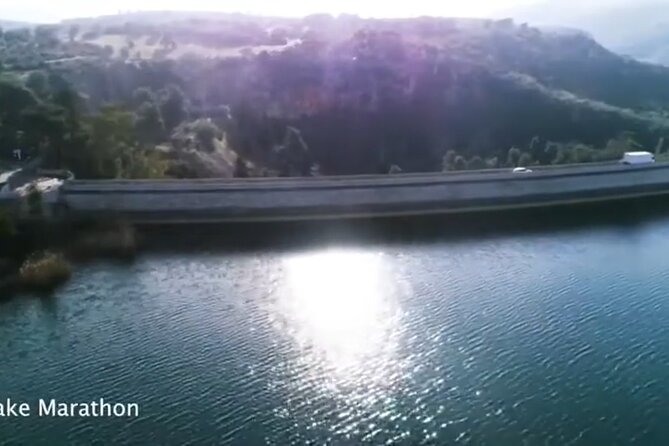
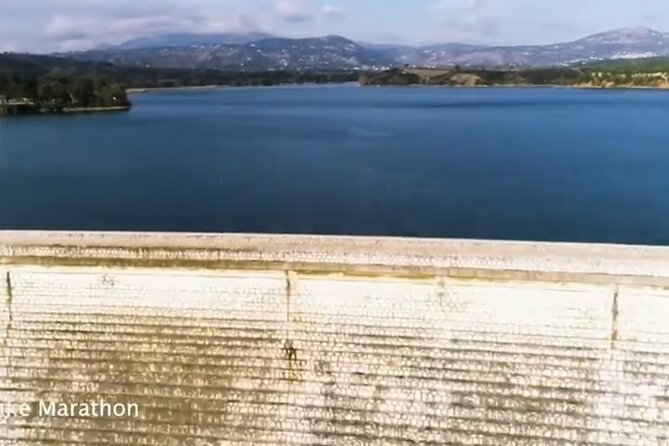
Marathon Lake is formed by the Marathon Dam, also called the Marathon Reservoir. The dam was constructed between 1926 and 1929 to help Athens meet growing water needs. It sits near the town of Marathon and was built by the American company Ulen and Co., by blocking the Charadros River. The dam is 54 meters high and 285 meters long, which is a reminder that modern Greece built serious infrastructure, not just ancient monuments.
What I like here is the detail about the finish. The dam is faced with Pentelic marble, the same material used for the Parthenon. Even if you are not a stone-nerd, you can feel the symbolism: modern public works framed with ancient identity.
You get about 30 minutes here, and admission is free. That makes it a strong first stop, because it gets you oriented right away. If you arrive thirsty for context, this is the “why this place matters beyond 490 BCE” moment.
A small consideration: since admission is free and the stop is short, you will not get a long, slow stroll experience. Think of it as a quick, informative introduction, not a full outdoor nature day.
The Marathon Tomb (Tymvos): A 9-Meter Burial Mound With Grave Offerings
Then you move from water and engineering into memory and sacrifice.
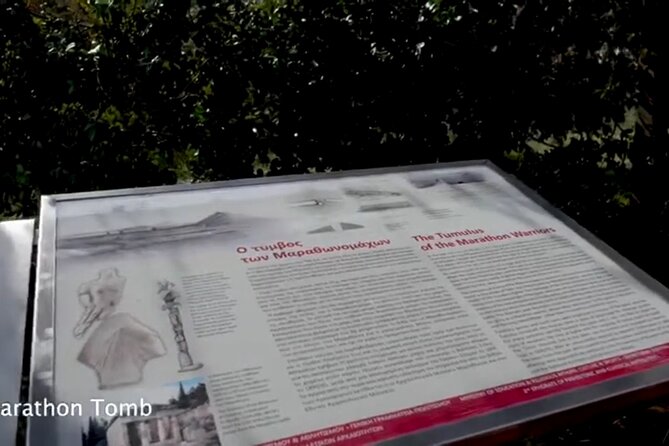
The Marathon Tomb, or Tymvos, is the burial mound for 192 Athenian soldiers who died in the Battle of Marathon in 490 BCE. This battle is remembered as a turning point in the Greco-Persian Wars, where the Athenians defeated invading Persian forces despite being outnumbered.
Here is what makes the site emotionally powerful, even without a dramatic visual: the Athenians chose to bury their fallen on the battlefield. That was usually reserved for heroes, not for regular burial in a civic cemetery like Kerameikos. The result is a grave you can walk up to, knowing it represents a decision about honor and identity, made in the thick of war.
The mound is about 9 meters high and sits near the plain of Marathon close to where the battle took place. Archaeological excavations in the 19th century found cremated remains and grave offerings inside. Even if you cannot see every detail easily, you get the sense that this is not a legend-only marker. It is tied to evidence and careful digging.
Expect about 1 hour at this stop, with admission not included. This is a good length because it gives you time to take in the terrain as well. The battle was fought in a landscape of fields and distances, so the surroundings matter.
Temple of Artemis at Brauron (Vravrona): Arkteia Rituals and a Women’s Sanctuary

Next comes Brauron (Vravrona), and it shifts the tone away from war into ritual and daily religion.
This sanctuary, built in the 6th century BCE near the Erasinos River, was one of the most important places dedicated to Artemis in ancient Attica. It honored Artemis Brauronia, associated with nature, hunting, and childbirth. That last piece is key. This was not just a temple for hunters. It had a strong connection to family life and the rites that marked transitions.
A lot of the story here comes from the Arkteia rituals. Young girls participated in ceremonies described as playing the bear to honor Artemis, preparing for adulthood. Pilgrims came from across Attica to make dedications, including garments from women who had safely given birth.
In practical terms, the site layout helps you understand why it was so important. You get a Doric temple, a sacred spring, a stoa, and a unique L-shaped building used for festivals and ceremonies. The sanctuary declined after the 3rd century BCE, likely due to floods and later Roman influence, but it was rediscovered later and remains a valuable place to see how ancient Greek religion worked in real community settings.
You are scheduled for about 3 hours here, which is generous compared with how many people rush through. That time matters because you are not only looking at stones. You are trying to picture rituals, roles, and processions.
Admission is not included. Ticket prices for the site are listed as €5 per person. If you think you will only spend a few minutes and then move on, you might feel this stop is “too long.” But if you like understanding the human side of ancient life, the extra time pays off.
Marathon Museum Near the Battlefield: Artifacts That Make the Story Less Abstract
After Artemis, you shift from ritual space to artifact space at the Archaeological Museum of Marathon.
This museum is located near the battlefield and covers the Marathon area from prehistory to late antiquity. It opened in 1975, and it is arranged in five rooms, so you get a structured walk instead of a chaotic collection.
What I like about this museum approach is that it gives you a full context. You are not only staring at items from the battle. You see the broader story of Marathon as a place people lived, buried, worshiped, and traded in for a very long time.
Highlights include pottery, sculptures, inscriptions, and grave offerings. Two items in particular often help visitors connect emotionally and visually. The Marathon Boy is a bronze statue found in the sea, and funerary stelae from the Classical period show how people marked lives and deaths with carved messages.
You also see finds from the Neolithic site at Tsepi and the early cemetery of the area. That is a big deal for understanding Marathon as more than one famous day.
Plan about 2 hours here. Admission is not included, and the ticket price is listed as €5 per person.
A balanced caution: museums work best when you have time to slow down. If you are the type who wants only the headline highlights, you might finish faster than 2 hours. If you want the real “how do we know this” feeling, stay the full time.
- All Day Cruise -3 Islands to Agistri,Moni, Aegina with lunch and drinks included
★ 5.0 · 4,958 reviews



Marathon Run Museum: From Pheidippides to the Modern Olympics
Then you end with the marathon race legacy, and it is a fun contrast to the heavier stops.
The Marathon Run Museum is in the town of Marathon and focuses on how the marathon race grew from a legendary story into an actual Olympic event. The legend centers on a messenger named Pheidippides who ran from the battlefield to Athens in 490 BCE to announce victory over the Persians.
The museum traces that evolution, showing how the idea of endurance became a sport. It opened in 2004 and features over 4,000 exhibits, including rare documents, medals, uniforms, and memorabilia from Olympic Marathons and international races.
What I really like is the way it gives you both Greek and global angles. The museum highlights Greek Marathon legends, including Spyros Louis, winner of the first modern Olympic Marathon in 1896. That helps you connect ancient story to modern national pride and athletics.
You are scheduled for about 30 minutes here. Admission is not included, and the ticket price is listed as €5 per person.
If you are not into sports history, you might think 30 minutes is too short. But if you want a quick, satisfying finish that ties the whole day together, it works. It turns the battlefield into something you can hold in your hands, in the form of medals and race artifacts.
Driver-Guides, Exterior Commentary, and the Value of Good Conversations
A big part of the experience is how you move through space with someone who understands the layout. The driver guide can provide historical context, but the included format is exterior insights only. That means you should see the day as a guided route and storytelling walk-through, not as a deep archaeology lecture inside every room.
Still, the human factor is where this type of tour often wins. In particular, I like the way this experience is described as relaxed, with an emphasis on adjusting to how long you want at each stop. You can get the kind of day where you ask questions and actually get answers, not just a timed shuffle.
Also, it helps when the guide is friendly and good at reading the vibe. One highlight from past guests is that the driver offered recommendations for food, including a seaside spot known for kebabs and gyros. If lunch is not included in your plan, that kind of local nudge can save time and keep you from grabbing something random near a tourist bus stop.
If you care deeply about archaeology inside the sites, consider adding a licensed professional archaeologist guide for extra interior commentary. The standard format keeps things simple and efficient, but specialized depth costs extra.
Price and Value: Is $428.91 Worth It for Up to Four?
Let’s talk math, because it matters on day trips.
The price is listed as $428.91 per group for up to four people. That means you are not paying per person for the transport and guiding. If you travel as two, you are effectively splitting the cost. If you travel as four, it becomes a very practical way to see Marathon without coordinating public buses and taxis.
What you get for that money is not just a seat in a car. You get:
- a private, air-conditioned vehicle with WiFi and water
- pickup and return to your chosen location in Athens
- professional driver guide service with historical context (exterior insights)
- a route that covers Marathon Dam, the Marathon Tomb, Artemis at Brauron, and two museums in about a workday length
Then you add the extras. Tickets are not included for three paid stops: Marathon Run Museum (€5 per person), Archaeological Museum of Marathon (€5 per person), and Archaeological Museum of Vravrona €5 per person. Lunch is also not included.
So the value question becomes simple: will you use the time efficiently, and will you want the convenience of not planning your own route? If yes, this pricing tends to work well. If you are comfortable arranging buses and you plan to spend extra time figuring out transit, the private format costs more than DIY. But for most people, the saved hassle is the point.
Who Should Book This Marathon Tour, and Who Might Skip It
This tour fits best if you want a structured day that connects multiple sides of Marathon. That includes battlefield history, ancient worship at Artemis, and the modern Olympic marathon legacy.
It is a strong pick for:
- marathon runners and endurance fans, because the day ties Pheidippides-style storytelling to the modern race
- history lovers who like seeing how different eras connect, from 1920s infrastructure to ancient burial practices
- couples or small groups who want pickup convenience and fewer transport headaches
You might choose something else if:
- you only want one museum and nothing else, because this day is designed as a full highlights chain
- you expect everything to be included, since key tickets and lunch are separate
- you want interior expert archaeology at every stop without adding that extra specialist guide
If you travel in quieter seasons, you can also get more relaxed, human conversations. That matters if you like asking questions and hearing stories about how the battle site or museum is experienced on a slower day.
Should You Book This Athens to Marathon Private Day Trip?
I would book this if you want to see Marathon without turning it into a logistics project. The private pickup, the time-saving route, and the way the day links 490 BCE with the marathon race tradition make it more than a one-note outing.
Also, the format is ideal if you like conversations and small course corrections. A good driver guide can make the terrain and history click, and this experience is set up for that kind of relaxed learning.
One final decision tip: if you are the type who loves museum stops and can handle a couple of paid entries plus lunch, this is a good use of a single day. If you want everything bundled with no extra tickets and a lighter itinerary, you may feel the add-ons.
Overall, if you are short on time in Athens and you want Marathon to feel real, book it.
FAQ
How long is the Athens to Marathon private tour?
It runs about 8 hours, depending on your pace and the pickup time you request.
How many people are in the private group?
It is private for your group, with a maximum of 4 people.
What is included in the price?
Private transportation with a professional driver guide, an air-conditioned vehicle, WiFi onboard, water, and a mobile ticket. The guide provides history context with exterior insights.
What tickets are not included?
Tickets are not included for the Marathon Run Museum (€5 per person), the Archaeological Museum of Marathon (€5 per person), and the Archaeological Museum of Vravrona (€5 per person). Lunch is also not included.
Is a licensed archaeologist included inside the sights?
No. A licensed professional archaeologist tour guide to accompany you inside the sights is available for an extra fee.
What pickup options are available?
If you stay in a hotel, the driver waits at your hotel lobby. If you stay in an apartment, they wait at your building entrance. For airport pickup, they wait in the arrivals hall holding a sign with your name. For port pickup, they meet you at the gate with a sign.
What language is the tour offered in?
The tour is offered in English.
What is the cancellation policy?
Free cancellation is available up to 24 hours before the experience start time for a full refund. If you cancel less than 24 hours before, the amount paid is not refunded.
More Private Tours in Athens


More Tours in Athens


More Tour Reviews in Athens
- All Day Cruise -3 Islands to Agistri,Moni, Aegina with lunch and drinks included
★ 5.0 · 4,958 reviews
Not for you? Here's more nearby things to do in Athens we have reviewed








Athens Private Tours, compared.
 ★ 5.0Best of Athens Half Day Private TourFrom $913,714 reviews
 ★ 5.0Athens Full Day Private TourFrom $2442,903 reviews
 ★ 5.0Athens Greece Full Day private tourFrom $683785 reviews
 ★ 5.04 Hours – Athens & Acropolis Highlights Private TourFrom $181681 reviews
★ 5.0Athens Full Day Private TourFrom $205667 reviews
★ 5.04 Hours – Athens & Acropolis Highlights Private TourFrom $181681 reviews
★ 5.0Athens Full Day Private TourFrom $205667 reviews
 ★ 5.0Lake Vouliagmeni Thermal Spa And Temple Of Poseidon Private Full Day TourFrom $171578 reviews
 ★ 5.0Acropolis and Acropolis Museum Private Tour with Licensed ExpertFrom $188445 reviews
 ★ 5.0Athens Highlights Half Day Private TourFrom $305407 reviews