
Reviewed · ATHENS ACROPOLIS & PARTHENON TOURS
Private Guided Tour: Athens, Acropolis and Acropolis Museum
The Acropolis feels different with a guide. This private 5.5-hour tour pairs you with a licensed guide and helps you skip the ticket line, so you spend less time fussing and more time seeing. You also get a smart walking route that connects major Athens landmarks into one easy flow.
My favorite part is the way the tour sets up the big moment, then brings you inside to understand what you just saw. The Acropolis Museum is built around the site’s excavations, and the glass floors turn the history into something you can almost walk through. The one real consideration is the pace: expect extensive walking plus strict Acropolis entry times, so late arrivals are a problem and it is not a match for mobility needs or strollers.
Quick hits before you go
- Skip-line with a private licensed guide, so you do not lose your morning to ticket chaos.
- Syntagma Square start, with quick context from nearby classical excavations before you even reach the big monuments.
- Changing of the Guards at the House of Parliament and Tomb of the Unknown Soldier.
- Acropolis entry from the south slope, with a plan to help you avoid the worst bottlenecks.
- Acropolis Museum design, by Bernard Tschumi with Michalis Photiadis, including excavations visible under glass floors.
- Photo time at the Acropolis, then a museum stop with about 4,000 artifacts to see at an easy rhythm.
Syntagma Square to the first finds: start with context, not just landmarks
Your tour meets at Syntagma metro station, one level down by the ticket validating machines, under the big hanging clock. Look for the orange Athens Walking Tours sign inside the station. It is a very practical meeting point because you are already in the center of Athens, and it makes it easy to arrive without hunting down a random street corner.
Once you’re with your guide, the tour starts by grounding you in what Athens was like in classical times. You get a brief look at archaeological findings from the area, the kind of details that are easy to miss if you rush straight to monuments. This is where the day becomes more than sightseeing. You start to connect buildings, myths, politics, and Roman-era upgrades into one story.
A big bonus of a private format is that the guide can calibrate the explanations to your group. If your focus is architecture, they can talk proportions and building changes. If you want the human side, they can point you toward the personalities behind Athens’ modern identity too.
You can also read our reviews of more guided tours in Athens


House of Parliament, Tomb of the Unknown Soldier, and the Evzones moment
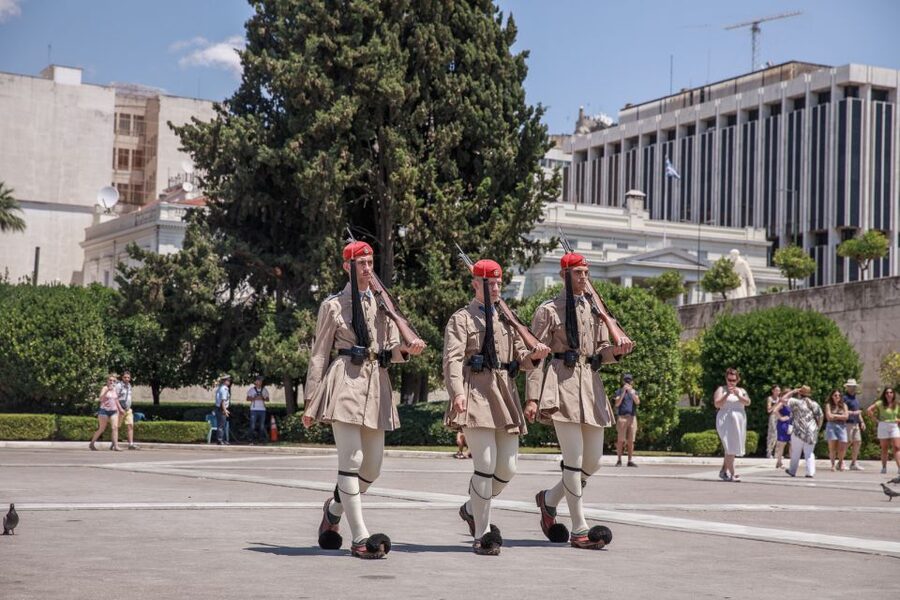
From the start point, you move toward one of the most memorable ceremonial spots in Greece: the House of Parliament area with the Tomb of the Unknown Soldier. If you catch the changing of the guards, it is pure theater, with the kind of disciplined performance that makes you stare without realizing it.
Your guide also puts this into context. You hear what the ceremony represents and how it ties to modern Greek national memory. It is a good reset from the museum-like feeling you might get later at the Acropolis, because it feels live and current even while you are standing in a historically loaded space.
This stop matters because it gives the day energy early. You are not walking up to the Acropolis as a tired tourist. You are already in Athens mode, paying attention.
National Garden shade, Zappeion Hall, and the Athens you can actually walk through
Next comes the gentler part of the route. You pass through the National Garden, including the area known as Queen Amalia’s Garden, and you get a break from sun exposure. This matters on an Athens day. Even in comfortable temperatures, the shade can feel like someone turned down the heat.
You also see Zappeion Hall, with its neoclassical presence. The guide uses it as a bridge between eras, showing how Athens keeps reusing the language of “power and permanence” even as the city changes. You get more than a photo moment. You learn what to look for.
There’s also time built in to talk about modern connections, including the first Olympic Games of modern times and prominent figures from Athens’ recent history. That part is especially useful if you are only here briefly. It helps you understand why the Greeks you meet today still treat these sites as living symbols.
Roman Athens: Zeus Temple and Hadrian’s Arch on your way up
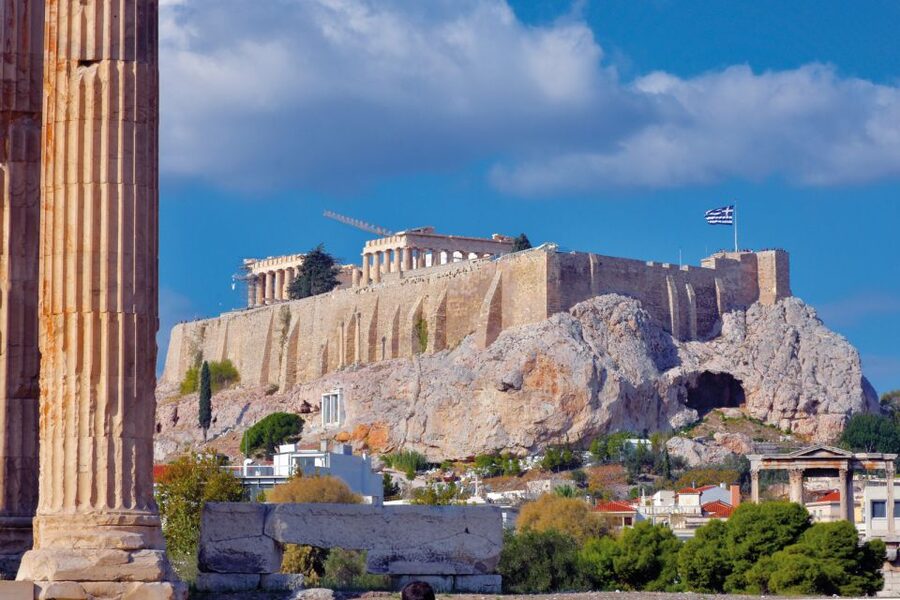
Before you reach the Acropolis, you visit major Roman-era landmarks: the Temple of Zeus and Hadrian’s Arch. This is not a random detour. It teaches you how the Acropolis area evolved when Rome was calling the shots.
Roman Athens is easy to skip if you are only obsessed with the Parthenon, but I like having at least one stop like this on the climb. It makes the Acropolis feel less like a frozen postcard and more like a place that kept changing hands, styles, and political messages.
From here, you walk along the Dionysiou Areopagitou walkway, a classic approach route. When you reach the Acropolis area, you enter through a side entrance and then continue by entering the site in a way that helps reduce crowd pressure.
Acropolis entry from the south slope: use the plan, not luck
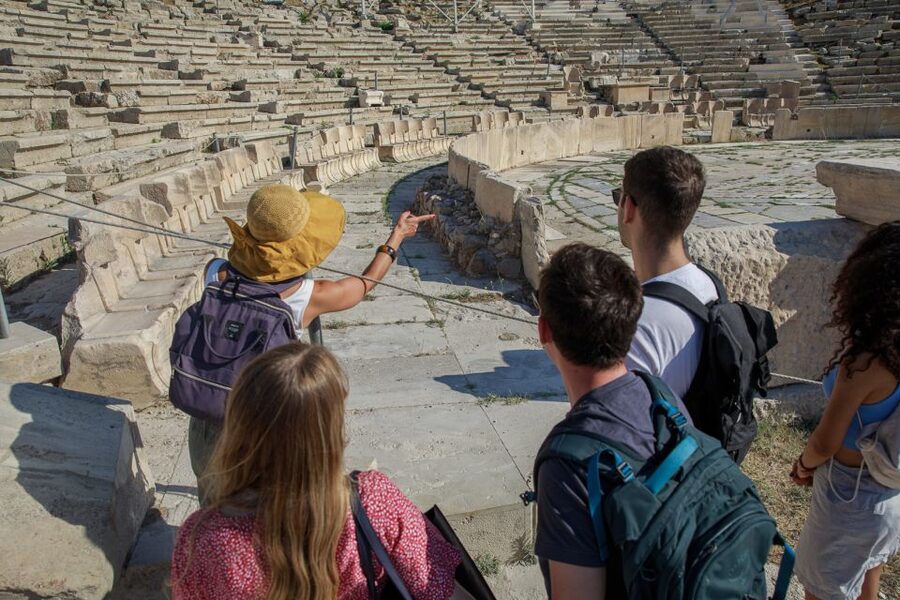
The Acropolis is famous for a reason, but it is also famous for crowds and bottlenecks. This tour is built to work around that. You enter the site from the south slope, and you start by visiting the Dionysus Theater, described as the first theater of antiquity. That choice is smart because it gets you into the story of performance, civic life, and religion before you hit the most obvious landmarks.
On the way, you also pass notable vantage and monuments such as Philopappos hill monument and the Odeon of Herodes Atticus. These give you a sense of scale. They also help you understand the Acropolis as a complex built for ceremonies, gatherings, and public life, not only as a set of temples.
Your guide connects each stop to what you are looking at, including the big architectural features on the route. You get explanations on the history and construction, and the guide can point out details you would otherwise walk past. It is the kind of guidance that turns “I saw it” into “I get why it looks like that.”
You can also read our reviews of more private tours in Athens




Temple of Athena Nike, Propylaea, Erechtheion, and the Parthenon payoff
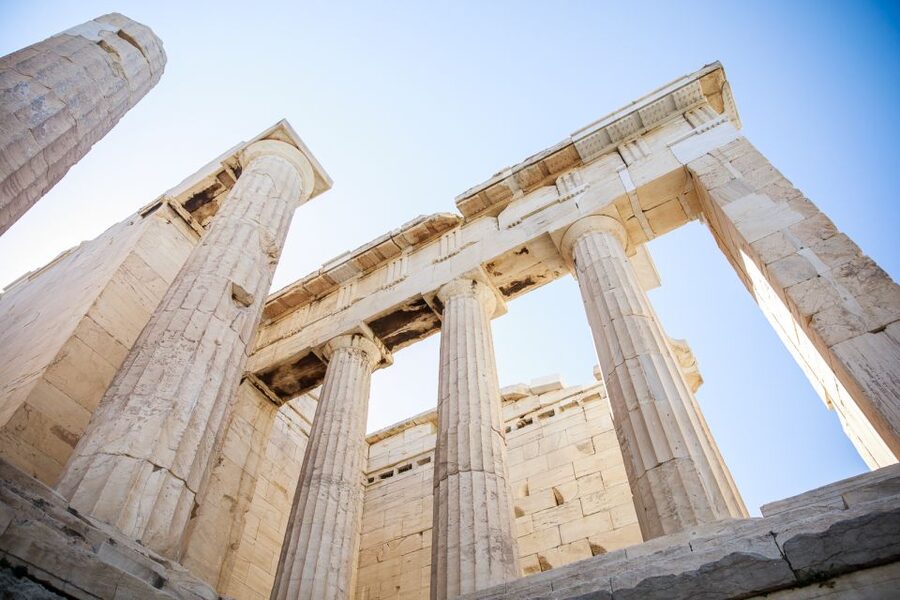
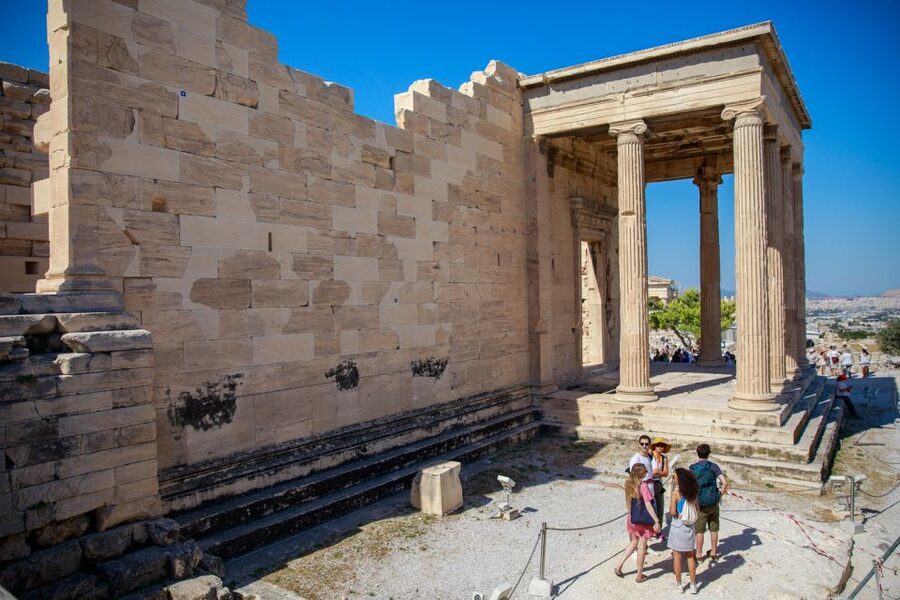
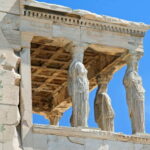
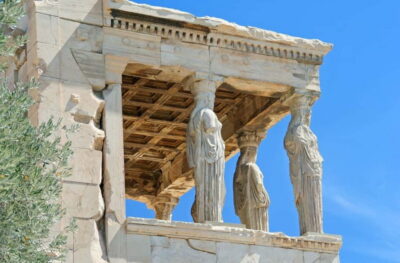
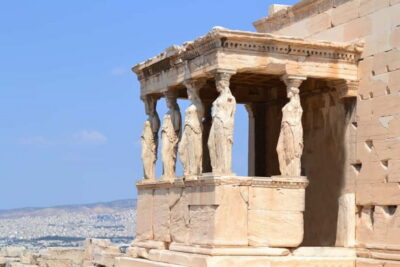
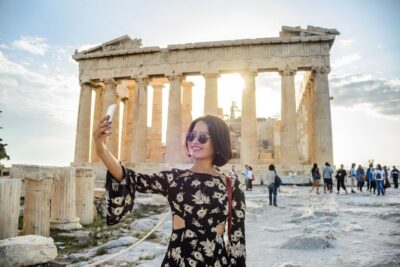
As you move through the UNESCO-listed Acropolis monuments, the sequence matters. You see the Temple of Athena Nike, then the Propylaea gateway, then the Erechtheion, with the tour focusing attention on the standout moment: the Parthenon.
This is the part of the day where I think a live guide makes the biggest difference. The Parthenon can feel like a single iconic image until someone explains the building logic, the symbolism, and the why-behind-the-what. Your guide is the one who helps you read the site instead of just looking at it.
You also get a break from constant forward motion. After the main Acropolis tour, there is time to explore and take pictures. That pause is practical, because it lets you step back and absorb what your guide just told you.
A highlight built into the experience is the view. You look out toward Mars hill, the Ancient Agora, and the Temple of Hephaestus. It is one of those moments where the city clicks into place visually, and suddenly the Acropolis stops being “a hill with buildings” and becomes “the heart of a whole system.”
Eating and resting briefly before the museum
After the Acropolis portion, you get a short break for a snack or a drink before heading to the museum. This is not a long sit-down meal, but it helps you reset your energy. If you have ever tried to do Acropolis plus museum on your own, you know how quickly your legs and brain start to protest.
One practical note: wear comfortable shoes. The tour is walking-heavy, and some people end up clocking long distances for a single half-day. I would treat “comfortable” as non-negotiable, especially if you plan to take your time on photos.
Acropolis Museum: glass floors, natural light, and 4,000 artifacts

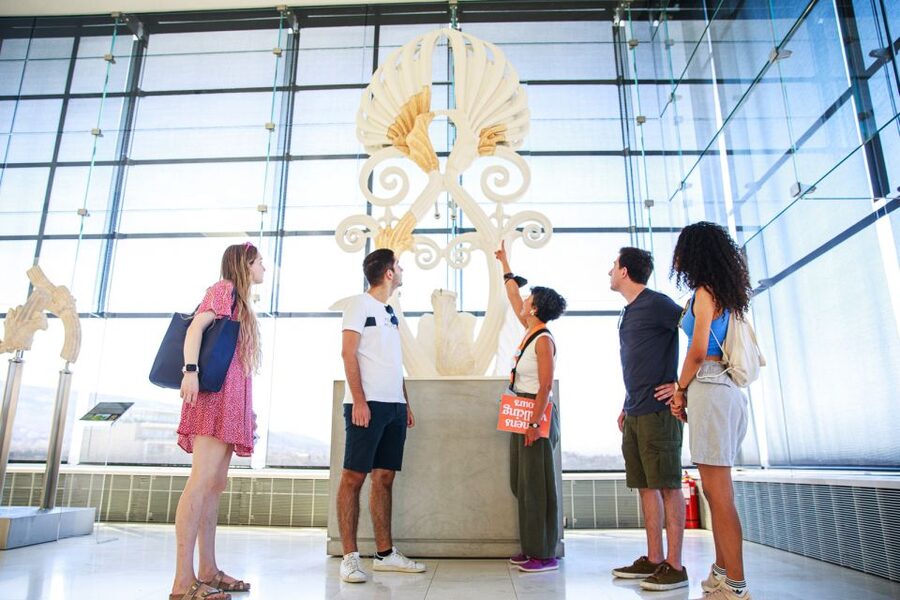
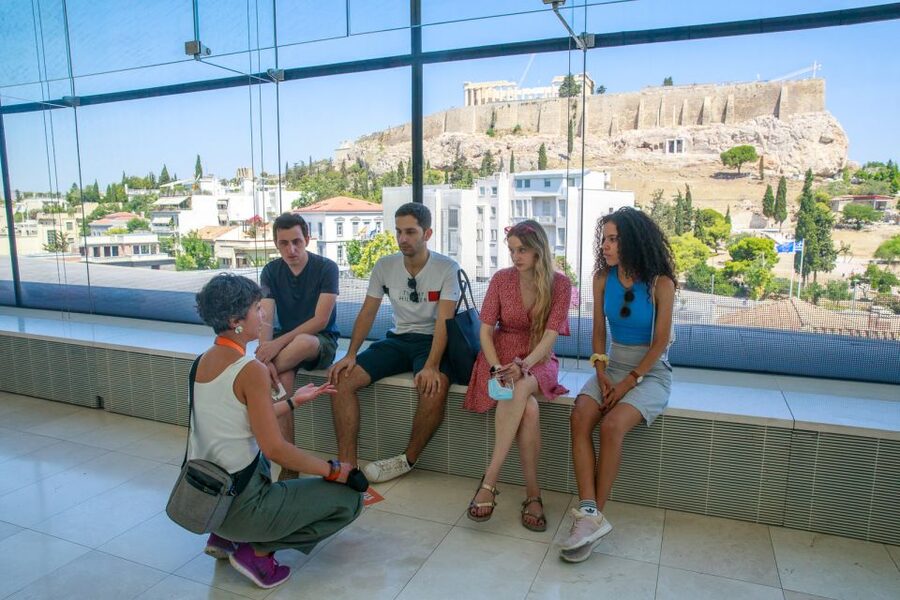
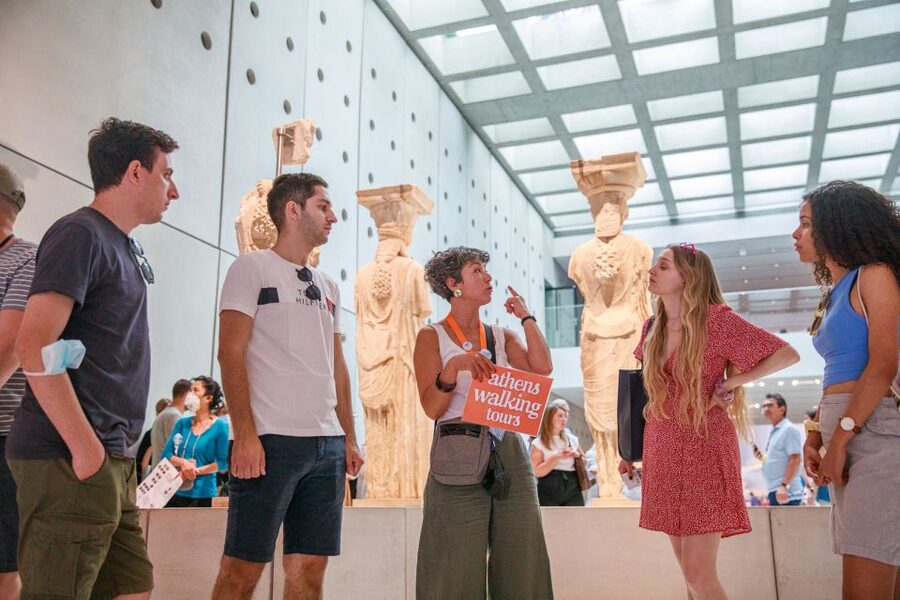
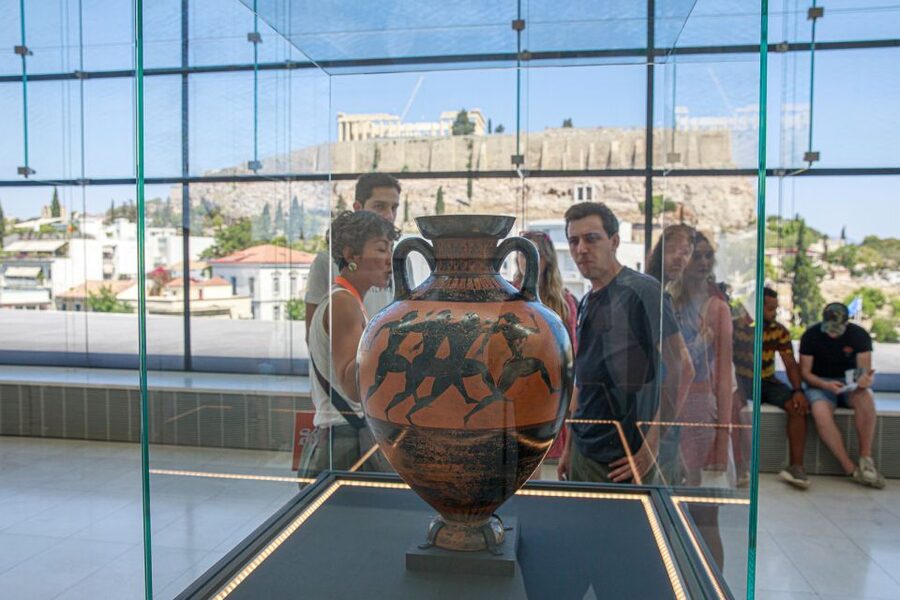
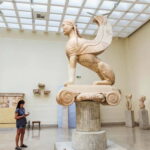
Then you move to the Acropolis Museum, and this is where the day often goes from “wow” to “I understand.” The museum’s design is by Swiss architect Bernard Tschumi, in cooperation with Greek architect Michalis Photiadis. The key idea is that excavations are incorporated into the building and can be seen beneath stunning glass floors.
That design choice changes the way you experience the site artifacts. Instead of imagining fragments were found somewhere out there in the past, you see the excavations as part of the same landscape. Natural lighting and the museum’s exhibition layout are built to help you connect pieces without feeling rushed.
You also get about 4,000 artifacts on display, so you are not just seeing one room of highlights. The guide typically helps you focus on what matters most first, then you have room to look around.
If the Acropolis is the big stage, the museum is the backstage, where you learn how those sculptures and architectural elements fit together.
Why a private guide is worth it here
This tour is private, and that changes how the day feels. You are not stuck listening to the same script for an entire group. Your guide can set a pace that makes sense for your questions and your photo needs.
I also like how the tour emphasizes practical movement choices, like entering from a less crowded approach and seeking shady spots in the city on the way up. In Athens, that can be the difference between a “great day” and a “good day with sore feet and heat fatigue.”
You’ll also notice something subtle: the guides in this experience tend to be confident storytellers. I’ve seen named examples like Annie, Margarita, Efie, Nikoletta, and Tina stand out for pacing and keeping the group engaged, even with teens. If you want a mix of architecture, archaeology, and everyday Athens context, this format usually delivers.
Price and value: $318 plus tickets, what you are really paying for
The price is $318 per person for a 5.5-hour private tour. That number can look steep at first, especially because the entrance tickets are not included.
But here’s how I think about the value:
- You are paying for a local licensed guide, not just a route.
- You are paying for time saved by skipping the ticket line (while still buying entrance tickets separately).
- You are paying for a structured walking plan that connects Parliament, Roman-era sights, the approach route, the Acropolis sequence, and then the museum.
If you compare doing it alone, the cost is not only money. It is also friction: figuring out timing, navigating security checks, and trying to figure out what you are looking at once you are on the Acropolis.
So the best “value math” is this: if you want the Acropolis and museum to feel coherent, not random, a private guide tends to pay off fast. If your goal is simply to see buildings from the outside, you might skip the guide and spend the time walking other neighborhoods instead.
Practical tips that will save your day
Before you go, read the fine print and plan like an adult. Athens rewards good timing.
First, strict Acropolis entry times mean late arrivals are not something the tour can absorb. No waiting for stragglers, so aim to arrive at the meeting point early.
Second, you should expect airport-style security. In peak season, waits can reach 30+ minutes. That is true even when you have a planned visit, so it helps to accept it as part of the day.
Third, this tour is rain or shine. Come with weather-appropriate clothing, and do not assume you can postpone.
Fourth, bring:
- Comfortable shoes
- A hat
- Cash
- Weather-appropriate clothing
And pack lightly. It is not set up for strollers, luggage, or large bags. If you need mobility accommodations, note that this tour is not suitable for wheelchairs or people with mobility impairments.
If heat is a concern, I recommend treating the day like a walking challenge: water matters. Some routes in the area also have places you can refill.
Who this tour suits best
This is a great match if you:
- Want the Acropolis to make sense, not just look impressive.
- Like asking questions and adjusting pacing on the fly.
- Appreciate both classical sites and the museum context that explains them.
- Are traveling as a couple, a small group, or a family who can handle a long walking day.
It is less ideal if you:
- Need wheelchair access or stroller-friendly movement.
- Get overwhelmed by security lines and strict entry windows.
- Want a sit-down, low-walking outing.
Should you book this tour?
If your Athens day has a short list, this one hits the essentials in a thoughtful order. I’d book it if you care about understanding the Acropolis and you want the museum to feel like part of the same story. The private licensed guide and the route choices make it easier to manage crowds, heat, and navigation.
I’d skip it if you are traveling with mobility limitations or you want a slower, less structured day with minimal walking. Also consider that entrance tickets are separate, so you will need to plan for that extra step.
If you are ready for a half-day that moves, stops often, and teaches you how to read the sites, this is a strong way to experience Athens.
FAQ
What is the meeting point for the tour?
You meet inside Syntagma metro station, one level down by the ticket validating machines located underneath the big central hanging clock. Your guide will be holding an orange Athens Walking Tours sign.
Are entrance tickets included in the tour price?
No. Entrance tickets are not included, and you need to purchase them separately.
Does the tour skip the ticket line?
Yes, the tour includes skip the ticket line, but you still must buy your entrance tickets separately.
How long is the tour?
The tour lasts 5.5 hours.
Is the tour guided in English?
Yes, the live tour guide is English.
What should I bring for the walking tour?
Bring comfortable shoes, cash, a hat, and weather-appropriate clothing.
Is this tour suitable for wheelchairs or strollers?
No. The tour is not suitable for wheelchairs or baby strollers, and it is not designed for people with mobility impairments. Luggage or large bags are also not allowed.
Does the tour run in bad weather?
Yes, the tours run rain or shine.
How strict is Acropolis entry timing?
Very strict. Because Acropolis entry times are fixed, the tour cannot wait for latecomers, and no refunds are given for missed entry due to lateness.
Can I cancel for a full refund?
Yes. You can cancel up to 3 days in advance for a full refund.
More Guided Tours in Athens

More Tours in Athens


More Tour Reviews in Athens
- All Day Cruise -3 Islands to Agistri,Moni, Aegina with lunch and drinks included
★ 5.0 · 4,958 reviews



Not for you? Here's more nearby things to do in Athens we have reviewed









Athens Acropolis & Parthenon Tours, compared.
 ★ 4.4Acropolis & up to 5 Archaeological Sites Combo PassFrom $4812,619 reviews
 ★ 4.2Acropolis Ticket with Optional Audio or Live GuideFrom $4211,055 reviews
 ★ 4.8Acropolis, Parthenon & Acropolis Museum Guided TourFrom $409,316 reviews
 ★ 4.6Acropolis and Parthenon Guided Walking TourFrom $385,882 reviews
★ 4.8Acropolis, Parthenon & Acropolis Museum Guided TourFrom $413,579 reviews
★ 4.6Acropolis and Parthenon Guided Walking TourFrom $385,882 reviews
★ 4.8Acropolis, Parthenon & Acropolis Museum Guided TourFrom $413,579 reviews
 ★ 4.0Acropolis Ticket with Audio GuideFrom $473,575 reviews
 ★ 4.7Acropolis: Acropolis and Parthenon Guided Walking TourFrom $363,442 reviews
 ★ 5.0Acropolis monuments & Parthenon Walking Tour with Optional Acropolis MuseumFrom $422,678 reviews
Browse the lists this tour appears in