
Reviewed · ATHENS ACROPOLIS & PARTHENON TOURS
Parthenon & Acropolis Guided Tour in Spanish -Option Tickets
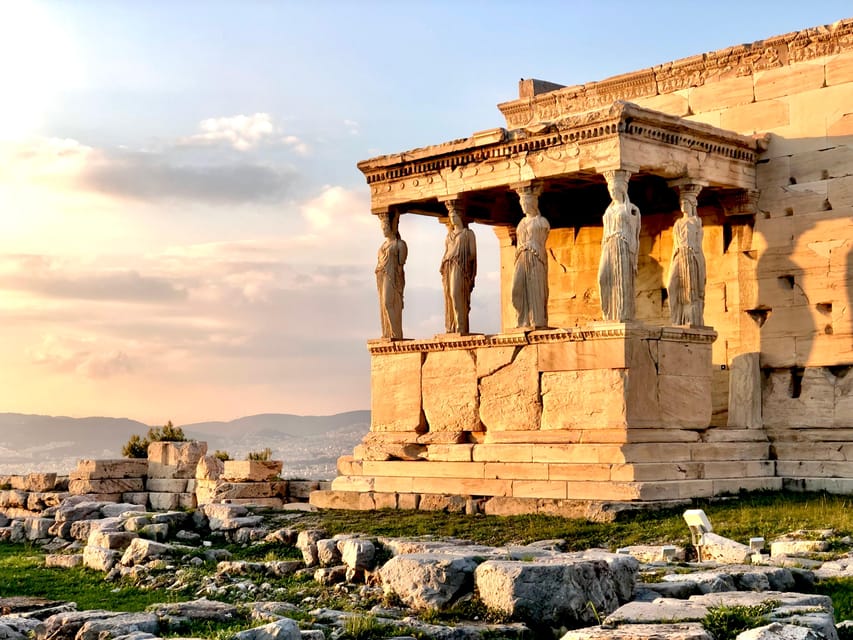
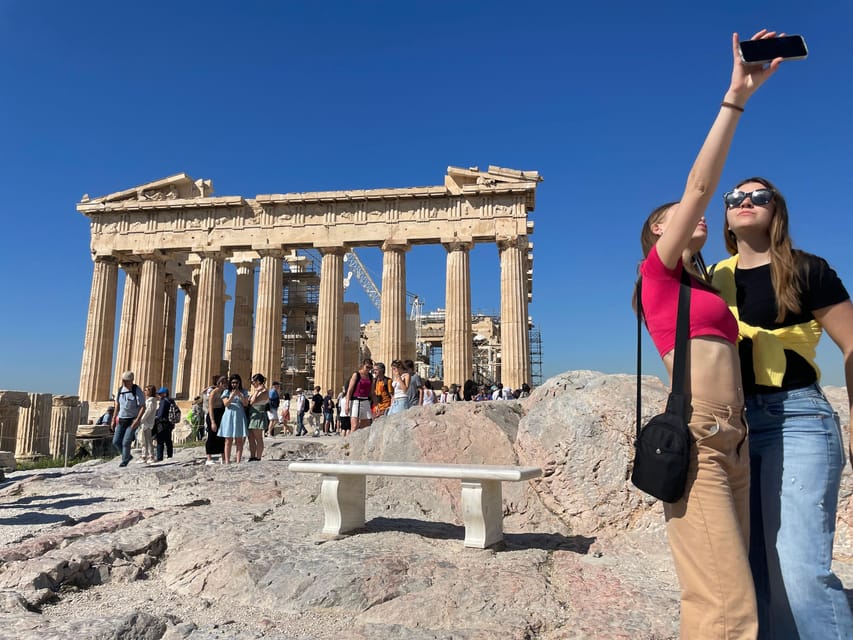
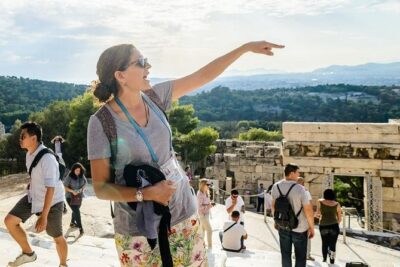
The Acropolis is best before the crowds. This early entrance tour, led by an official Spanish-only guide, connects the monuments through myths and architecture, not just facts. I especially love how the guide slows down at the Parthenon and Caryatids to explain what you are looking at, and I also love the free time at the top for photos. One catch: bags are not allowed, so come light.
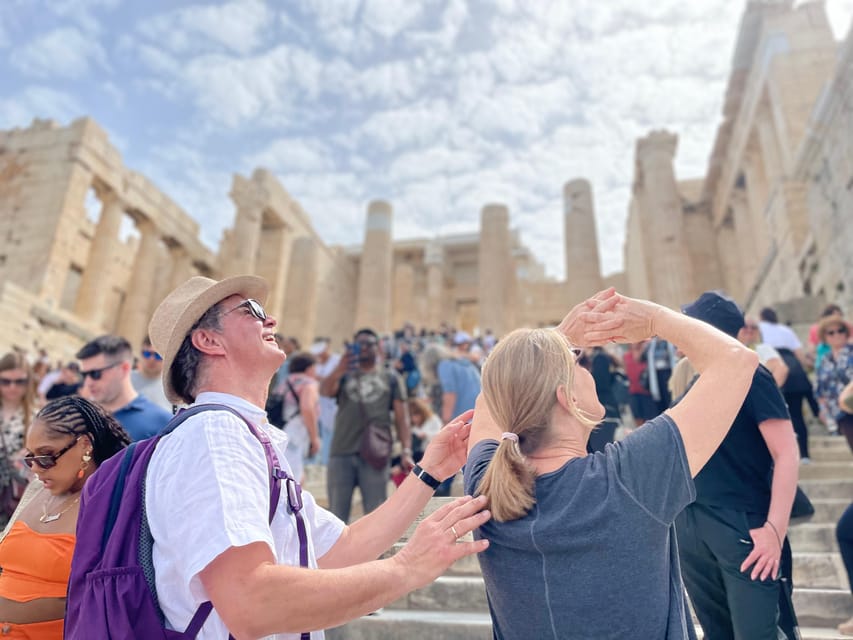
You meet at the Tourist Information Center Athens area, then head to the south side of the Acropolis. The guide team uses headphones so you do not have to strain your voice over wind and footsteps, and names like Efi or Simon often pop up in the provider’s Spanish guide roster for their storytelling style.
In about 2 hours, you walk the key sites in a moderate pace and still get the payoff view from the summit. Just expect a lot of stairs and standing, since this is a walking tour focused on getting you to the best vantage points.
Key highlights in 5 minutes
- Early start from the south slope to beat heat and crowd pressure
- Spanish-only official guide with clear audio via included headphones
- Parthenon focus with myths and architectural context so it makes sense fast
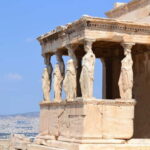
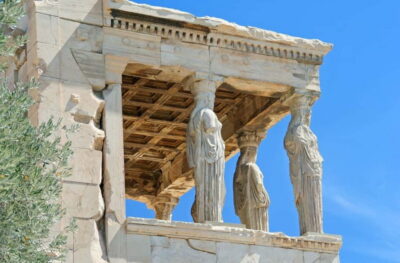
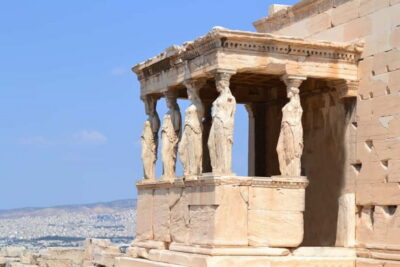
- Erechtheion and the Caryatids explained as more than famous statues
- The Theatre of Dionysus and Herodes Atticus Odeon tied to daily culture and performance
- Finish on the hilltop with time for photos and 360-degree views
Entering the Acropolis the smart way, from the south
If you have ever tried to enjoy the Acropolis in peak hours, you know it can feel like you are in a moving photo line. This tour starts early in the morning from the southern side, which makes a big difference for comfort and enjoyment. You get to see the same monuments, but with fewer distractions and more breathing room for looking closely.
I like that the pace is described as moderate, because this place rewards careful watching. You are not just rushed from point to point. You also get enough context to understand why each monument matters, including the UNESCO connection tied to the most famous temple on the hill.
One practical note before you go: you cannot bring bags, and food and drink are not allowed. That means you will want a day setup that fits the rules, like a small wallet and phone, then save snacks for after.
More Athens tours and experiences for the shortlist



Meeting at the southern entrance, and finding your guide fast
You meet near the southern entrance of the Acropolis, across from the Acropolis Museum. It is also a few meters from the metro stop called Acropolis, which makes the “get there without stress” part easier.
Your guide will be holding an office sign that reads TOP TOURS GREECE. I recommend arriving a few minutes early so you can spot the sign and start moving right away. Since the tour emphasizes early entry, being punctual helps you get the benefits of that timing.
This is also a tour on foot, so think about footwear. You will be on stone and uneven ground, plus a lot of standing at viewpoints.
Theatre of Dionysus, Asclepius, and Odeon views in one sweep
The route begins with three major cultural stops that show how the Acropolis served more than one purpose.
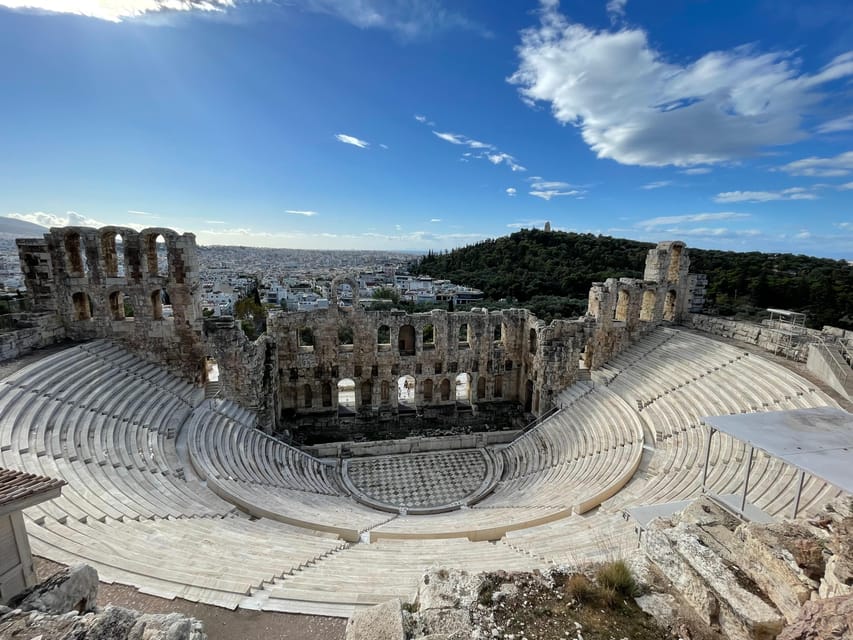
First comes the Theatre of Dionysus, built in the 5th century BC and dedicated to Dionysus. The capacity is listed at about 17,000 spectators, which is a huge clue that this was not a tiny corner stage. When your guide frames it around theatre and wine, the ruins stop being just stone seating and start feeling like a living social space.
Next you visit the Asklepieion of Athens, associated with the god of medicine. This stop matters because it broadens the hill from “politics and temples” into healing and care. If you like understanding ancient life as a system, this is a key bridge. You also walk through portico areas connected to sanctuaries tied to health-related findings.
Then you reach the Odeon of Herodes Atticus, famous for its grand scale. It still hosts important concerts today, which is a great way to remember that ancient structures can stay culturally relevant. You get the sense of continuity, even if the roof is gone.
The time here is short at each stop, but the way the guide ties the locations together helps the whole hill feel like one story.
Propylaea and Temple of Athena Nike, the approach that sets the tone
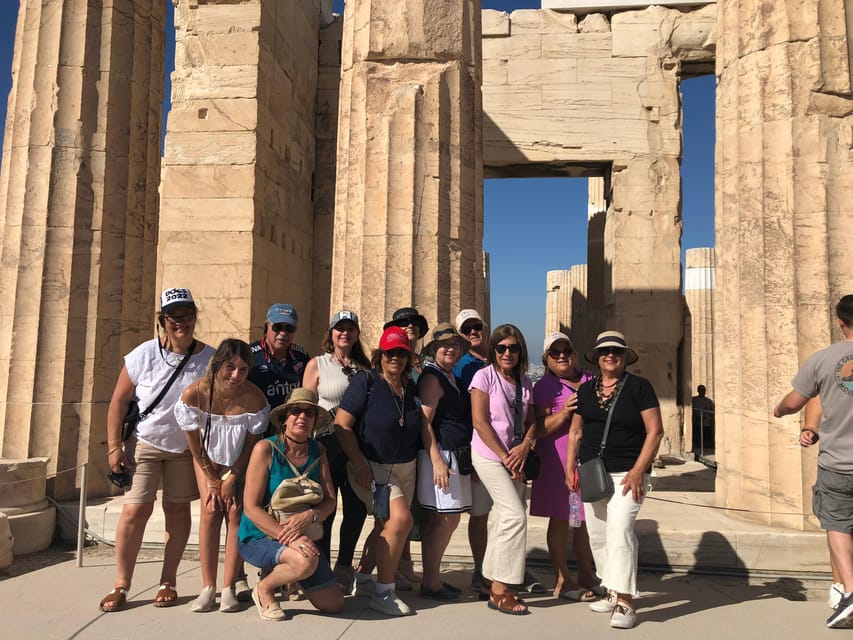
After the cultural anchors, the tour shifts into the ceremonial approach to the core buildings.
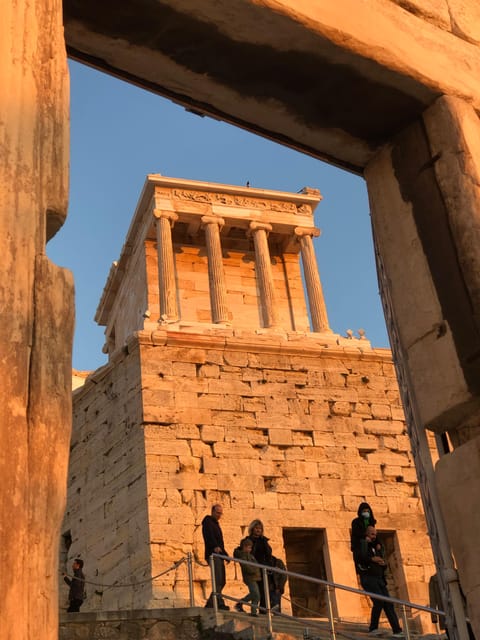
You enter through the Propylaea, the grand ancient gateway. The guide highlights the architectural styles you see there, including Doric and Ionic elements. This matters because the Acropolis can look like one big complex if you are not given a way to “read” it.
Then comes the Temple of Athena Nike, with a guided stop time that keeps it focused. This is one of those structures that can feel small compared to the Parthenon. But when someone explains what it represents, it becomes a useful stepping stone toward the main event.
If you are the type who wants to take photos, this approach phase is also smart timing. It gives you clear sight lines before the crowd pressure rises.
Parthenon time: seeing harmony as a guide, not a guess
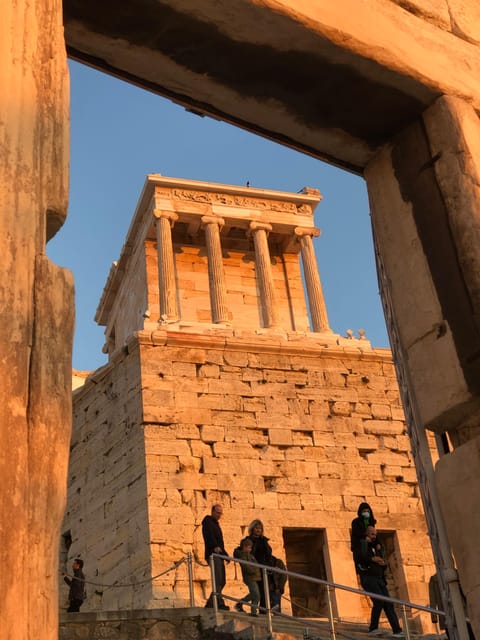
The Parthenon is the headline for a reason, and this tour aims to make it more than a famous silhouette.
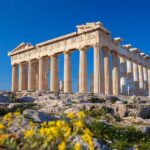
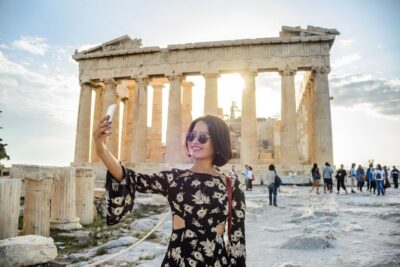
You get a guided stop dedicated to the Parthenon, described as the most harmonious and perfect temple of the ancient world. The tour frames it as a temple built in honor of Athena, the city’s protective goddess. That devotional angle matters, because it explains why the building feels designed for more than one kind of visitor.
You also get mythology during the experience, including the legend of Athena and Poseidon. Even if you know the broad story, hearing it placed next to specific architectural symbolism can help it click. It is a common mistake to treat myths as separate from real places, but this tour tries to tie them to what you are seeing.
What I find valuable here is that you are not left with only “wow” reactions. You have cues about what to look for and why the monument was built the way it was. That is exactly what turns a quick visit into something you remember later.
A small consideration: the Parthenon area can be a magnet for photo lines and close-up traffic. Since your tour is early and paced moderately, you are in better shape than if you arrive late. Still, you will want to be ready to pause and step aside when needed.
You can also read our reviews of more guided tours in Athens

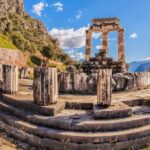
Erechtheion and the Caryatids, the beauty has a story
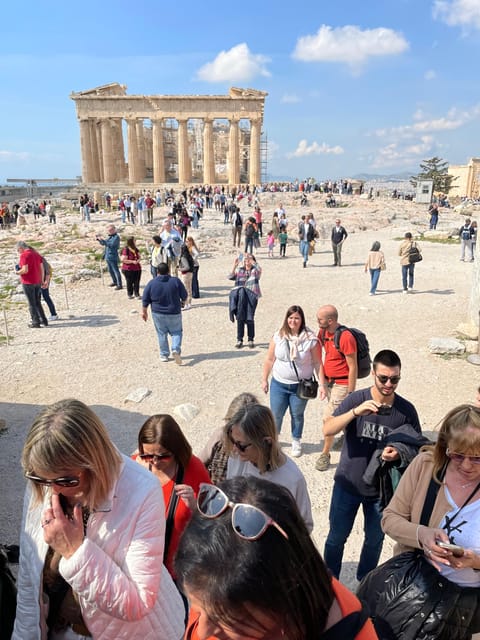
If the Parthenon is the big statement, the Erechtheion is where the tour gets more personal.
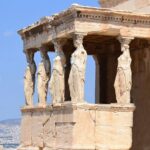
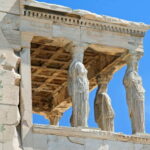
You visit the Erechtheion and then spend time at the Porch of the Caryatids, with the feminine-shaped columns that have become the symbol people recognize instantly. But the tour does not treat them like decorative trivia. It connects the Caryatids and the building to the gods, and to the marks left behind from divine conflict tied to the city’s fate.
This stop is also tied to the narrative about water and the famous olive tree given to Athenians. That is not random mythology. It gives the monument a practical meaning: the gods are not just characters in stories, they are part of how the city explains its own survival and identity.
If you love architecture, you get the emotional payoff of form and function. If you love mythology, you get it grounded in place. And if you are a photo person, this is where you want to slow down and choose your angles.
Eumenes portico and the sanctuary of Asclepius, where the myths meet daily life
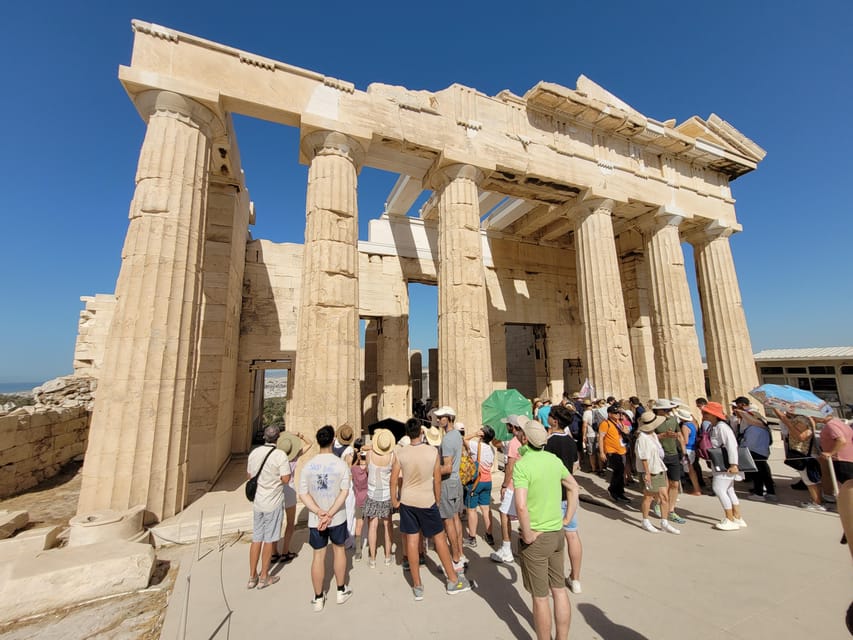
One of the more interesting parts of the route is how it includes the Portico of Eumenes and the sanctuary of Asclepius dedicated to medicine.
A lot of people come to the Acropolis thinking it is only about religion and power. This section adds a different kind of ancient Athens. It suggests that the hill was tied to healing and care, with significant findings related to health mentioned as part of the experience.
You also keep moving through recognizable “layers” of sanctuaries rather than jumping straight to the most famous stones. That makes the Acropolis feel like a functioning spiritual ecosystem, not just one monument.
The guide’s myth and historical explanations across the entire monument are what make this section work. Without interpretation, these areas can look quieter and less iconic. With interpretation, they become a reason to stay engaged.
Finishing at the top: photos, views, and a little time to breathe
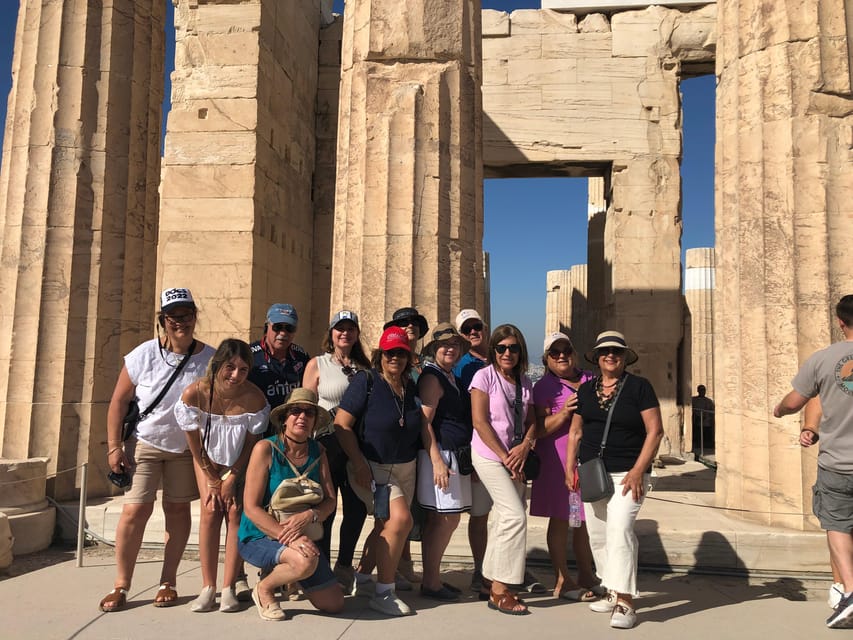
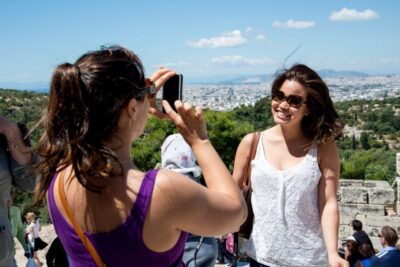
The tour concludes at the top of the hill, where you can stay as long as you like to photograph the monuments and enjoy the views. That last part is not a small detail. It changes how the Acropolis feels.
You get the best of both worlds: structured guiding time, then open-ended exploration to take in the sightlines. The tour highlights stunning views and specifically calls out 360-degree views, which is exactly what you want after the walking portion.
If you are visiting Athens for only a day or two, this is also a smart way to get “the money shots” without trying to map everything yourself. You leave with a mental plan of where the main buildings sit relative to each other.
Price and value: is 33 dollars fair for this route?
At $33 per person for a 2-hour guided walk, the price sits in a reasonable range for a major site like the Acropolis. What helps the value is that you are getting an official Spanish guide plus headphones for clearer listening.
You also have early entry, plus the option for entrance tickets depending on how you book. In other words, you are paying for more than directions. You are paying for guided interpretation across multiple monuments, including Parthenon time and the Caryatids.
This is the kind of tour where the “value” comes from reducing your guesswork. Without a guide, you can still enjoy the Acropolis. With this tour, you get context while you walk, so the ruins are easier to understand on the spot.
A quick practical check for value: if you already know you want a Spanish-only guide, want an early start, and want time at the top for photos, the cost feels justified. If you are traveling with someone who hates walking or standing, it might feel less fair because you will do a lot of it.
Who this Spanish Acropolis tour fits best
This tour is best for people who want the Acropolis story in order, with enough cultural context to make the monuments feel connected. If you enjoy myths, architecture, and practical explanations that help you look smarter, this route will feel satisfying.
It is also a good pick if you want a Spanish guide. The headphones help a lot, especially in busier areas where you might otherwise miss key points.
On the other hand, it is not suitable for wheelchair users, and it also does not allow strollers. If you need accessibility support or plan to bring a bag, you will want a different option that fits your needs.
Quick tips so you enjoy it more
- Go light. No bags is a real constraint here.
- Wear shoes that handle stone and stairs, because you are walking the hill.
- Expect to stand and look, especially around the Parthenon and Caryatids.
- If you want photos, save your best time for the final hilltop finish when you have room to breathe.
- If you care about language comfort, this tour is Spanish from start to finish.
Should you book it or skip it?
Book it if you want an early, structured Spanish guided walk that covers the major monuments inside the Acropolis, including the Parthenon, Erechtheion, and the Theatre of Dionysus. The guide-driven explanations, headphones, and early timing are the ingredients that make the experience worth it.
Skip it if you cannot follow the site rules around bags and food, or if you know you cannot handle the walking and standing involved. Also skip it if you prefer an entirely self-paced visit with no guiding structure at all.
FAQ
How long is the Parthenon and Acropolis guided tour in Spanish?
The tour lasts about 2 hours.
Is the guide speaking Spanish the entire time?
Yes, the tour includes a live guide exclusively in Spanish and includes headphones so you can hear clearly.
Do I need to buy Acropolis tickets?
There is an option for entrance tickets. The entrance ticket is included only if you choose that ticket option.
Where do we meet for the tour?
The meeting point is right next to the southern entrance of the Acropolis, across from the Acropolis museum, a few meters from the metro stop (Acropolis). The guide holds an office sign that reads TOP TOURS GREECE.
Is this tour wheelchair accessible?
No. The tour is not suitable for wheelchair users.
What items are not allowed during the tour?
Baby strollers are not allowed, food and drinks are not allowed, bags are not allowed, and electric wheelchairs and non-folding wheelchairs are not allowed.
More Tickets in Athens
More Tours in Athens


More Tour Reviews in Athens
- All Day Cruise -3 Islands to Agistri,Moni, Aegina with lunch and drinks included
★ 5.0 · 4,958 reviews



Not for you? Here's more nearby things to do in Athens we have reviewed







Athens Acropolis & Parthenon Tours, compared.
 ★ 4.4Acropolis & up to 5 Archaeological Sites Combo PassFrom $4812,619 reviews
 ★ 4.2Acropolis Ticket with Optional Audio or Live GuideFrom $4211,055 reviews
 ★ 4.8Acropolis, Parthenon & Acropolis Museum Guided TourFrom $409,316 reviews
 ★ 4.6Acropolis and Parthenon Guided Walking TourFrom $385,882 reviews
★ 4.8Acropolis, Parthenon & Acropolis Museum Guided TourFrom $413,579 reviews
★ 4.6Acropolis and Parthenon Guided Walking TourFrom $385,882 reviews
★ 4.8Acropolis, Parthenon & Acropolis Museum Guided TourFrom $413,579 reviews
 ★ 4.0Acropolis Ticket with Audio GuideFrom $473,575 reviews
 ★ 4.7Acropolis: Acropolis and Parthenon Guided Walking TourFrom $363,442 reviews
 ★ 5.0Acropolis monuments & Parthenon Walking Tour with Optional Acropolis MuseumFrom $422,678 reviews
Browse the lists this tour appears in