
Reviewed · WORKSHOPS
Marble Carving Workshop: Create Your own Symbol of Strength
Stone turns into a souvenir with muscle. This marble workshop takes you from ancient Greek carving methods to a personal symbol of strength you can actually take home. I love the small-group attention (up to 4 people), and I also love how the teachers tie technique to the history of marble and sculpture. One heads-up: you’ll be standing and using hand tools, and it is not set up for wheelchair users.
The setting matters too. MarbleArt is more museum-feeling than factory-feeling, with original sculpture around you while you learn. You get guided steps, but you also do real carving, not just tracing a pre-made template. It is 135 minutes, and the price of $88 is fair because materials and a finished piece are part of the deal.
Key points before you go
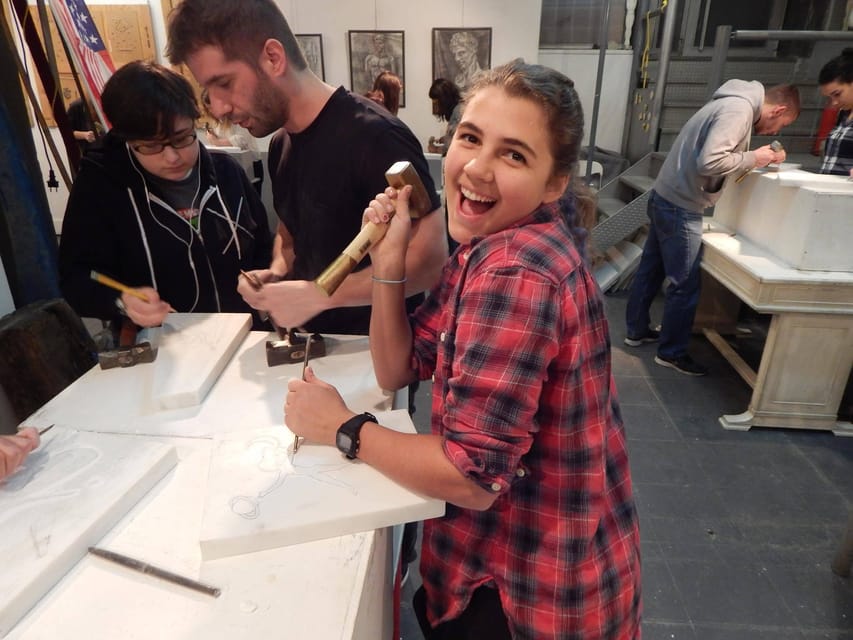
- Up to 4 people per session for calm, close coaching
- Traditional Greek hand tools taught in a beginner-friendly way
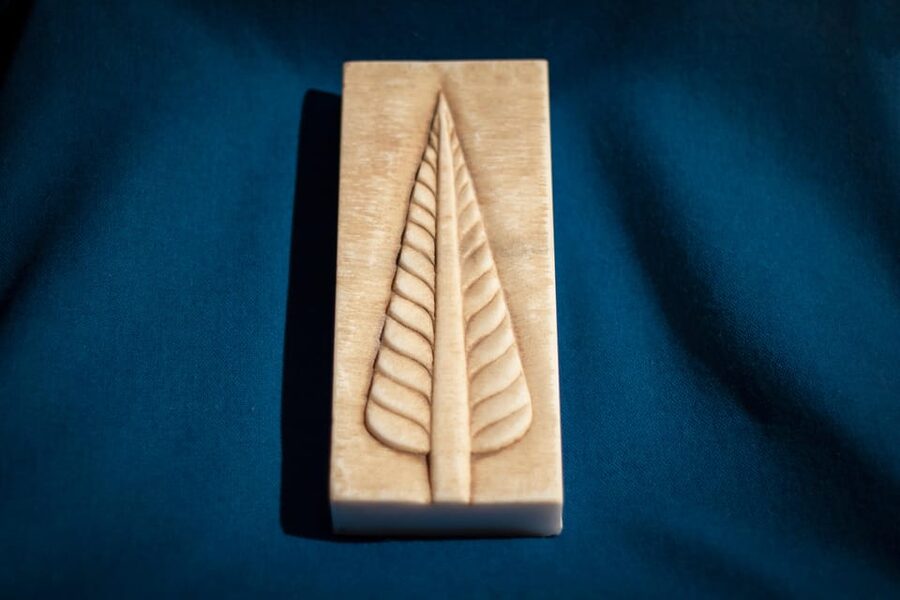
- A personal strength-relief design, carved and finished by you
- Ancient-history context from instructors tied to philosophy and fine arts
- Patina-like coloring to give depth and mood to the marble
- A take-home piece that feels like work, not a toy
MarbleArt Athens: a workshop that feels like making art, not buying it
If you want a hands-on Athens activity that does not end with another photo in front of a monument, this fits the bill. MarbleArt runs like a small studio that happens to teach. You get to slow down, work with your hands, and understand why Greek marble sculpture has that heavy, timeless look.
The biggest win for me is the pacing. The class is structured, but it never feels rushed. That matters because carving marble is not like sketching or pottery you can fix with a wet sponge. If you push too hard, you lose control. If you rush, you lose the rhythm. In a small group, the teachers can correct your grip, your tool angle, and your expectations.
You also get something most craft classes skip: the meaning side. Early on, you talk about personal symbols in stone, with examples like Cycladic idols. Even if you keep your design simple, this step helps you carve with intention instead of just copying shapes.
More Athens tours and experiences for the shortlist



Your teachers: what their background adds to the class
MarbleArt’s instruction is led by specialists with strong ties to ancient Greece and the arts. The workshop is taught with support from a guide described with a PhD background in Philosophy and Art of Ancient Greece, plus a teacher of marble sculpture connected to a University of Fine Arts.
In practice, you feel that in two ways. First, the history is not tacked on. It shows up right before you start using the tools, so the carving steps feel meaningful. Second, the teaching style is patient and supportive. People highlight that the instructors help you get started, stick with you when you hit a snag, and keep the atmosphere calm.
You might also hear familiar names during the session. Dimitri appears in participant accounts as an instructor, and Jimmy shows up as staff support. If English is your preference, the workshop runs in English and Greek, so you should be able to follow instructions clearly.
What “135 minutes” really means: the full flow of your marble sculpture
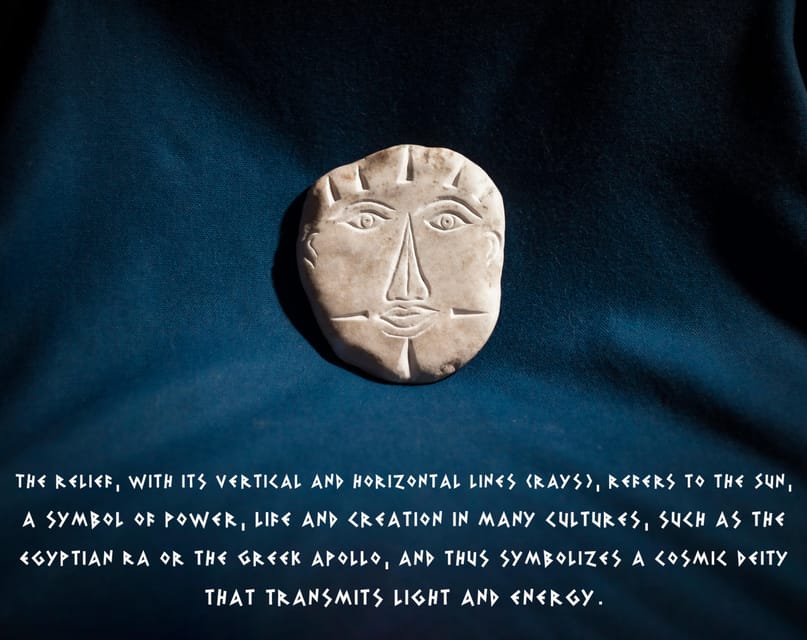
The session is designed like a careful build. You start with context, move into tool practice, then create. By the end, you leave with your own relief-style work, plus a finish that makes it look more sculpture-like than raw carving.
Here’s the course flow, translated into what you’ll actually do:
Step 1: Marble and stone carving history, with hand tools in mind
You begin with a discussion of marble and traditional stone carving, focused on how it worked in ancient Greece. This is not just trivia. It helps you understand why the tools matter. Ancient hand tools create different marks and different kinds of depth than modern power methods.
Step 2: How different stones and finishes fit together
You learn about the structure of materials, including rocks, marble, crystals, and how enrichment with metals or fossils can be part of the story. You are not turning into a geologist, but you get a clearer sense of why marble looks and behaves the way it does.
- All Day Cruise -3 Islands to Agistri,Moni, Aegina with lunch and drinks included
★ 5.0 · 4,958 reviews




Step 3: Choosing your symbol, with history as the prompt
Next comes the symbolic step. You talk about humanity’s relationship with personal symbols carved in stone, using examples such as Cycladic idols. You are encouraged to think about what your strength symbol means to you, not just what looks cool.
Step 4: Tool familiarization and safe use
Then you learn the basics of the tools and how to engrave with them. This is where beginners tend to relax, because you are not thrown into carving on the first minute. The teachers guide you on handling and technique so you can focus on your design.
Step 5: Drawing your subject and transferring it to marble
You sketch your idea, then move it to the marble surface. If your drawing is too complicated, the carving becomes harder than it looks on paper. Keep shapes bold, and keep details intentional.
Step 6: Relief carving in stages, using traditional technique
This is the main carving phase. You build your relief-like forms by carving and deepening the surface in multiple levels. Those levels matter, because they create light and shadow, which is exactly what makes sculpture feel dimensional instead of flat.
Themes are handled in engraved and relief-like forms, with deepening across the surface to guide your final look.
Step 7: Engraving letters for your signature
Once the carving is done, you engrave letters for your signature. This step gives your piece a finished, creator-ready feel. It also makes the work feel personal, like you are claiming it as yours.
Step 8: Color to create a patina-like effect
Finally, you apply color to the marble surface to create a patina-like effect. This is a big deal visually. Even modest carving looks more alive once the finish adds tone and contrast.
Designing your strength symbol: how to make the work doable
Your prompt is a symbol of strength-relief, carved by you. That sounds intense, but the workshop is built for beginners. Still, your design choices can make or break your stress level.
Here’s my practical advice based on what tends to work in hand carving:
- Keep the outline strong and readable. If you draw big shapes, the carving is easier to manage.
- Use fewer internal details. Intricate line work takes longer to carve at clean depth.
- Consider symmetry if it helps you. Simple layouts feel more controlled on marble.
- If you have a very detailed idea, simplify the inside. One participant example used a heart-shaped outline with complex interior detail, and carving got significantly harder because of that complexity.
You’ll get help with drawing and transferring the design to the marble. So you are not on your own. But you will get more enjoyment if you start with a plan that matches what marble allows in a 135-minute session.
Using ancient Greek hand tools: the moment you feel the difference
This is not a “crafting” workshop where you do decorative work with quick results. You carve. You feel resistance. You learn tool angles. And you learn that depth is the secret ingredient.
The workshop focuses on traditional hand tools, taught for your first time. That means you will work with the kinds of tools ancient Greeks used, and you will carve by hand rather than relying on machines. You can expect engraving marks and relief steps that create shadows across multiple levels.
A small-group size helps here. When your tool angle is off by a little, you can lose control of the outline. The teachers can correct how you hold and guide the tool, which speeds up your progress and improves your final look.
You also get support during carving. People mention the instructors were patient and guided them step by step, including helping beginners get started quickly. That matters because marble carving has a learning curve. You need the early wins.
Finishing touches: patina-like color and signing your work
The final steps are what turn a carved block into a sculpture you want to photograph.
Patina-like color
You apply color to the marble surface for a patina-like effect. This finish can shift the mood of your piece from pale and unfinished to warm and statue-like. It also helps highlight the different depths you carved, because shadows and color reinforce each other.
Engraving letters
You engrave letters as a signature. Even if your design is simple, a signature makes it feel complete. It is also a nice reminder that you made this, start to finish, with real tools and real carving time.
And yes, you should bring a camera. You will want close-ups of the relief levels and the way the finish catches light.
Small details that make the experience more comfortable
Some comfort touches show up in participant accounts, and they add up to a smoother session. For example, you may be offered cold water right when you arrive. In some sessions, hosts have shared tea and honey donuts, and one account mentions special wine as part of the hospitality. After the workshop, some groups also received an extra meal offer.
These treats are not the point of the class, but they make a difference. Marble carving is physical and focused. Small comforts help you settle into a creative mode instead of rushing.
Practical gear tips matter more, though:
- Wear something comfortable for standing and tool work for about 2 hours.
- They provide goggles. One participant suggests bringing a mask as well, which is smart if you are sensitive to stone dust.
- Smoking is not allowed.
You do not need to arrive with fancy tools. The workshop supplies materials for your sculpture creation, plus you get to take your personal project home.
Price and value: is $88 worth it?
At $88 per person for 135 minutes, this class prices itself like a premium workshop, not a bargain craft session. The value comes from three things you actually get:
- Materials and carving guidance are included, so you are not paying extra for supplies.
- You produce a real take-home object. It is not a small postcard-sized souvenir.
- The session is small group, up to 4 people, which means more direct help and less waiting.
Also, the experience is structured around traditional technique. You are paying for instruction quality and time on real marble, not just for a lesson plan. If you compare it to tours where you pay for entry tickets plus a guide, the “return” here is tangible. You leave with something you carved.
If your goal is only a quick activity to fill time, you might feel $88 is steep. If your goal is an Athens memory that involves your hands, you will likely feel it is fair.
Taking it further: photographing Athens sculptures nearby
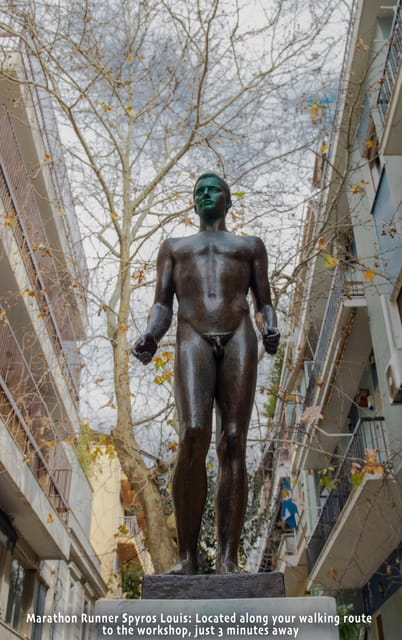
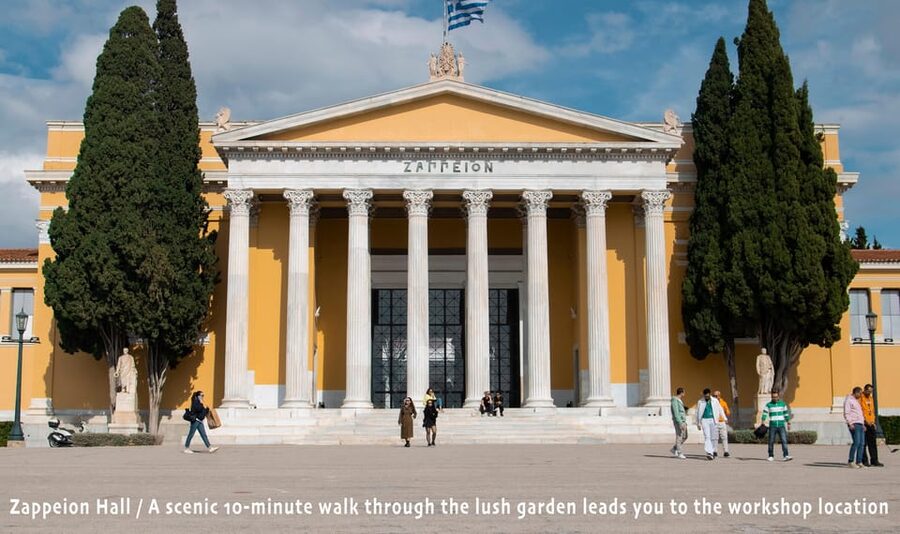
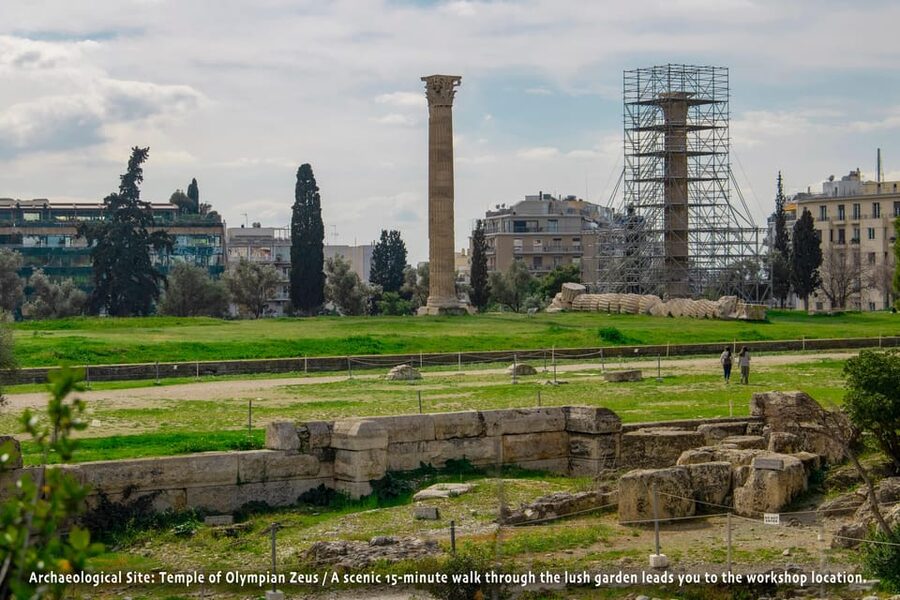
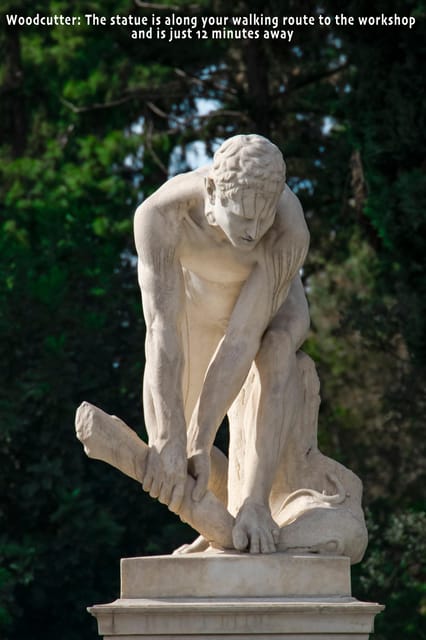
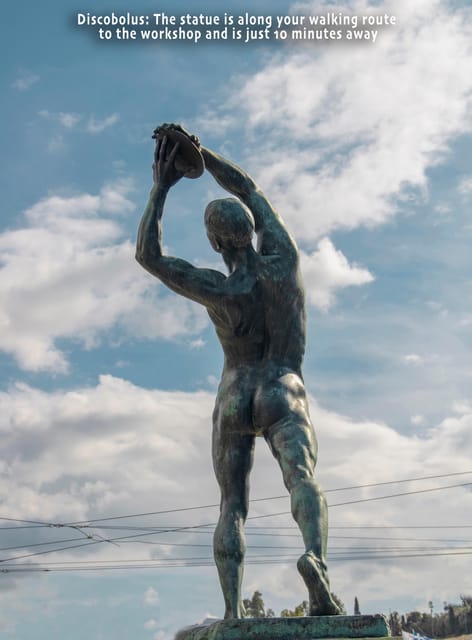
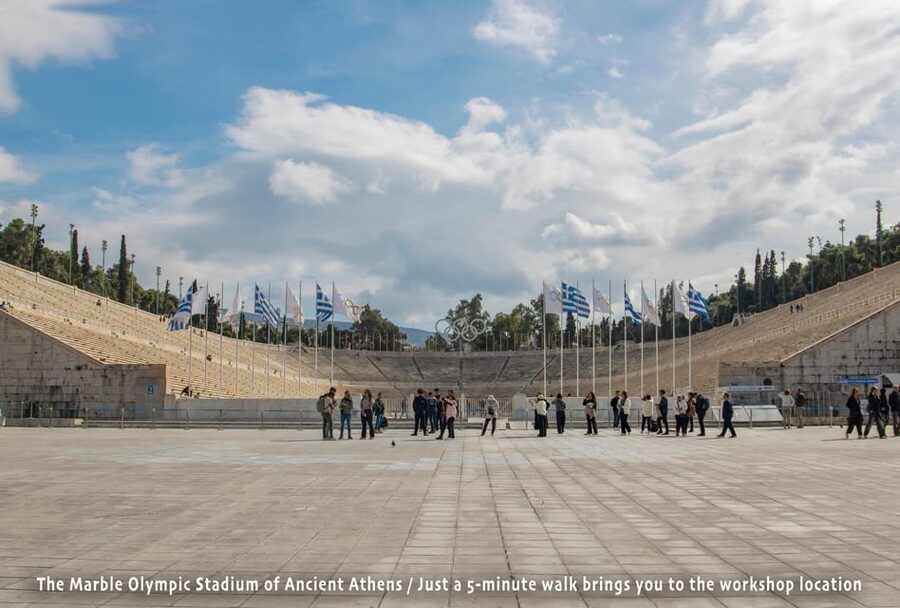
There is also an option connected to the historical center of Athens. If you are interested, you can walk to explore and photograph sculptures in the historical center where the workshop is located.
This is one of those small add-ons that can turn your workshop into a mini art story. After you carve your own relief, you start noticing proportions, depth, and tool-driven texture in the real sculptures around you. You can get more out of the city by using your new eyes.
If you are short on energy, you can also skip this part. The main workshop experience already gives you plenty.
Who should book this marble carving workshop?
This is a great fit if any of these sound like you:
- You want a beginner-friendly hands-on activity that still feels real.
- You like art history, but you also want to DO something with it.
- You want a take-home souvenir with real effort and meaning.
- You are traveling with a friend or small group and want calm, personal guidance.
It is less ideal if:
- You need wheelchair accessibility, since it is not suitable for wheelchair users.
- You want a sitting-only experience. You will stand and carve.
Also, if you’re the kind of traveler who loves museum time, this is museum time that lets you participate instead of just observe.
Should you book MarbleArt Athens?
Book it if you want a memorable Athens activity that is hands-on, structured, and culturally rooted. The small-group setup, the traditional hand tool focus, and the fact that you take home a carved symbol make it one of those workshops that feels worth planning around.
Skip it if you want a passive activity or you cannot do standing tool work. And if you’re sensitive to dust, plan for protective gear beyond what you might assume.
If you are deciding today, here’s the simplest test: do you want your Athens trip to include something you made with your own hands? If yes, this is an excellent choice. If not, you may prefer a standard museum or guided walk instead.
FAQ
What is the duration of the marble carving workshop?
The workshop lasts 135 minutes.
How much does it cost, and what is included?
It costs $88 per person. The price includes the marble carving workshop with traditional hand tools, materials for sculpture creation, and your personal project to take home.
How big are the groups?
The workshop is offered in small groups of up to 4 people.
What languages are available?
The instructor is listed as speaking English and Greek.
Can I take my artwork home?
Yes. You create a personal marble sculpture and take your piece home.
Is smoking allowed?
No, smoking is not allowed.
Is it suitable for wheelchair users?
No, it is not suitable for wheelchair users.
More Workshops & Classes in Athens


More Tour Reviews in Athens
- All Day Cruise -3 Islands to Agistri,Moni, Aegina with lunch and drinks included
★ 5.0 · 4,958 reviews
Not for you? Here's more nearby things to do in Athens we have reviewed










Workshops, compared.
 ★ 5.0Classic Cooking Class with Market Visit and WineFrom $831,101 reviews
 ★ 4.9Food Market Visit and Cooking Class with WineFrom $811,087 reviews
 ★ 5.0Greek Cooking Class in Athens Including Rooftop Dinner with Acropolis ViewFrom $120826 reviews
 ★ 5.0Greek Small-Group Athens Cooking Class & DinnerFrom $118574 reviews
 ★ 5.0Greek Cooking Class & Dinner on a RooftopFrom $108383 reviews
 ★ 4.8Greek Cuisine Cooking Class and 3-Course DinnerFrom $115270 reviews
 ★ 5.0Traditional Greek cooking class and lunch or dinner with an Acropolis viewFrom $114250 reviews
 ★ 5.0Athens Airport Private Transfer by Mercedes-Benz E Class Wagon to City CenterFrom $131232 reviews
Browse the lists this tour appears in