
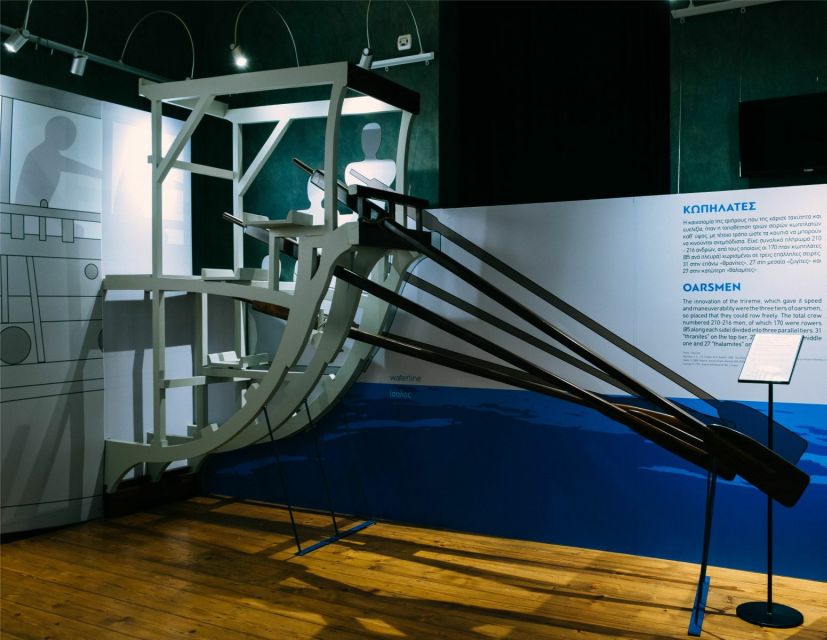
Reviewed · TICKETS
Herakleidon Museum of Ancient Greek Technology: Entry Ticket
Ancient Greek tech feels surprisingly modern. I love the way the Herakleidon Museum of Ancient Greek Technology uses hands-on style storytelling, with the Antikythera Mechanism as a clear anchor for everything else. I also like how the exhibits keep tying back to the practical thinking behind Greek Science, Art and Mathematics.
One heads-up: this is mostly a self-guided museum experience. At $8, it can feel like good value if you enjoy technical history, but if you want lots of guided context, you may wish you had more interpretation built in.
Key takeaways before you go
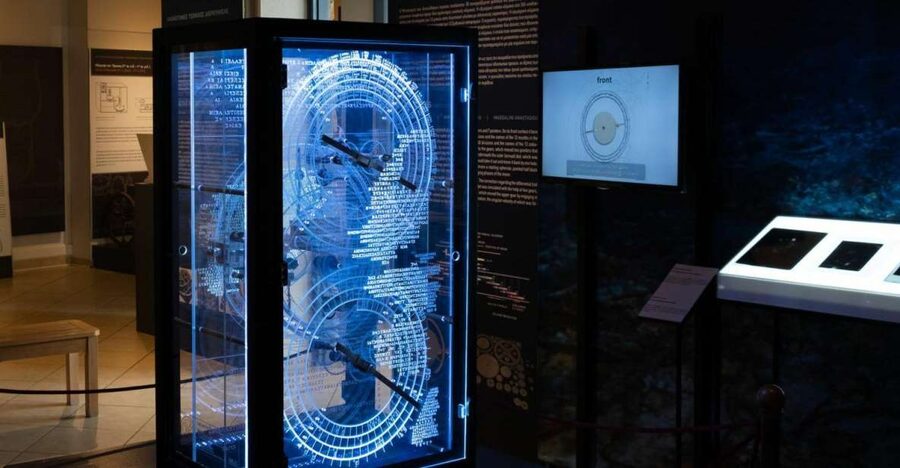
- Antikythera Mechanism focus: a major highlight framed as an early computing device
- Triptych approach: Science, Art, and Mathematics shown through accessible displays
- War techniques as engineering: Greek military tech presented as practical tools and methods
- Two-building setup: ticket redemption at one address, with a short walk to the second
- Plan for self-paced time: no guided tour included, so you steer your own pace
Herakleidon Museum in Thisseio: why ancient tech belongs on your Athens list
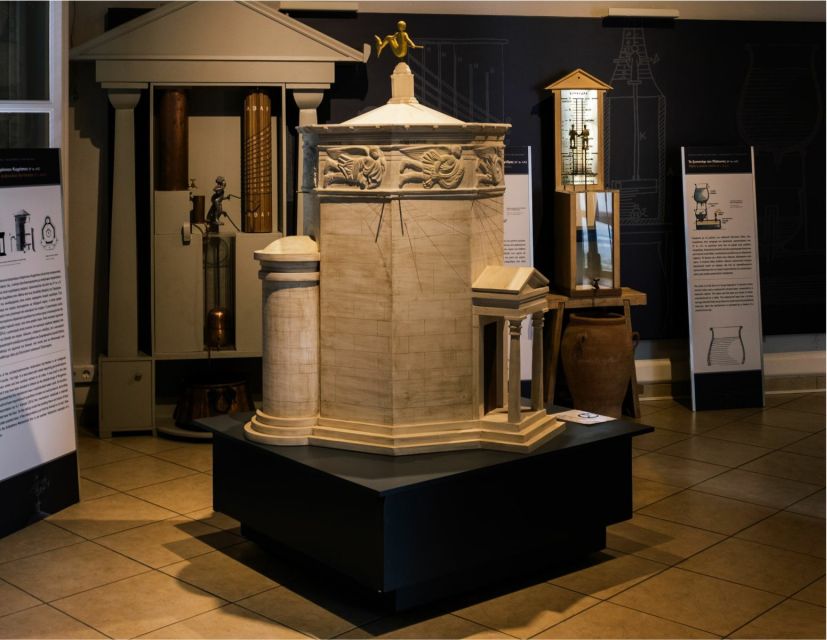
Most Athens museums are about marble, pottery, or big-name ruins. The Herakleidon Museum takes a different route. It’s built around the idea that the Ancient Greeks were not only artists and philosophers, but serious problem-solvers who used refined calculations to design objects and structures. That shift matters, because it changes what you notice.
Instead of treating ancient technology as a footnote, the museum treats it like a story you can follow step by step. You come in to learn about technological intelligence, and you leave with a better sense of how Greek thinkers worked with sophisticated data, then turned that thinking into real-world tools.
Another reason I think it works well is that it’s not locked into one narrow theme. The museum is presented as an interactive center of science popularization, so the displays aim to help you make connections between concepts. You’re looking at antiquity, but the framing is modern: science meets art meets math, with an emphasis on how achievements were actually made.
More Athens tours and experiences for the shortlist



Where to find it, and how the two-building layout affects your visit
You’ll find the Herakleidon Museum in Thisseio, very near the main entrance of the Acropolis, and it’s easy to reach on foot as you explore the area. It’s also walking distance from the Metro station Thisseio, so you can pair it naturally with a larger Athens day.
For entry, you redeem your ticket at the first location, 16 Herakleidon Street. The museum has a second building at 37 Ap. Pavlou Street, about 150 meters away. That short walk is helpful because it means you’re not hopping across town, but it does mean you’ll want to pay attention to where you start.
Practical tip: give yourself a bit of time to cross between buildings. Even if the museums feel close on a map, the “finding your way in” part of a small museum can take longer than you think.
What you’ll experience inside: interactive science meets antiquity
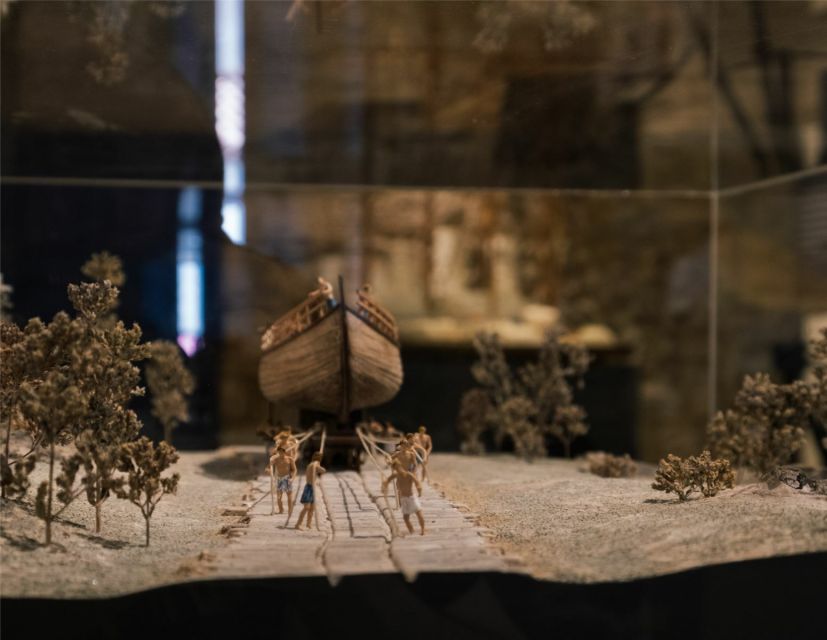
The museum has evolved into an interactive center of science focused on antiquity. The core message is that ancient achievements were grounded in careful thinking, not just inspiration. As you move through the displays, you should expect explanations designed for regular humans, not just specialists.
A key theme is the triptych of Science, Art and Mathematics. You’re not only shown objects. You’re also guided toward understanding how the Greeks calculated, processed information, and applied that thinking to design. Some displays are described as accessible through objects and displays rather than heavy lectures, which is exactly what you want on a museum visit.
If you like “how it works” more than “what it looks like,” this is the kind of place where that preference pays off. The emphasis on calculation and data work suggests you’ll spend time connecting diagrams, mechanisms, and ideas. If you prefer purely aesthetic art displays, you might need to adjust your expectations and focus on the engineering mindset.
Also note the rules: no smoking and no drinks inside. It’s a small detail, but it helps you plan if you’re coming straight from walking around the Acropolis.
The Antikythera Mechanism: the exhibit you should build your time around
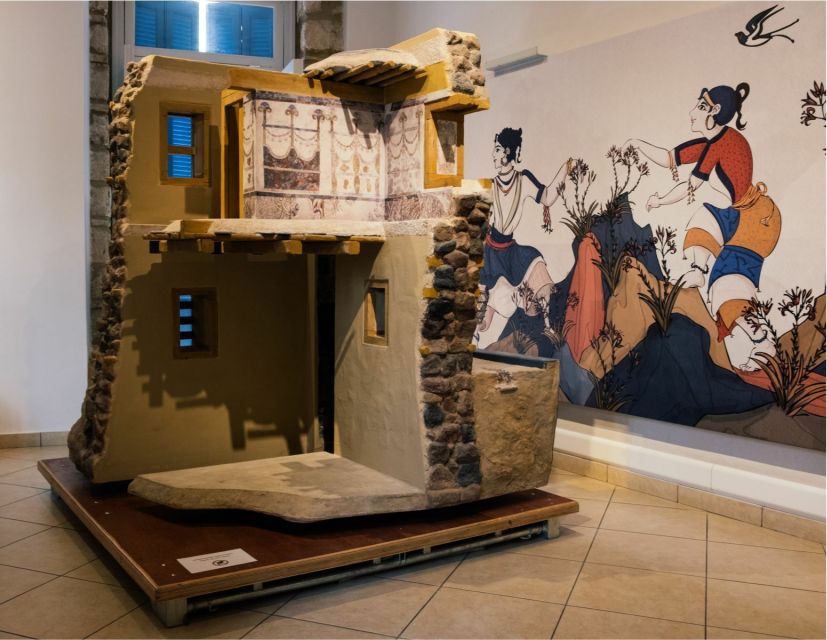
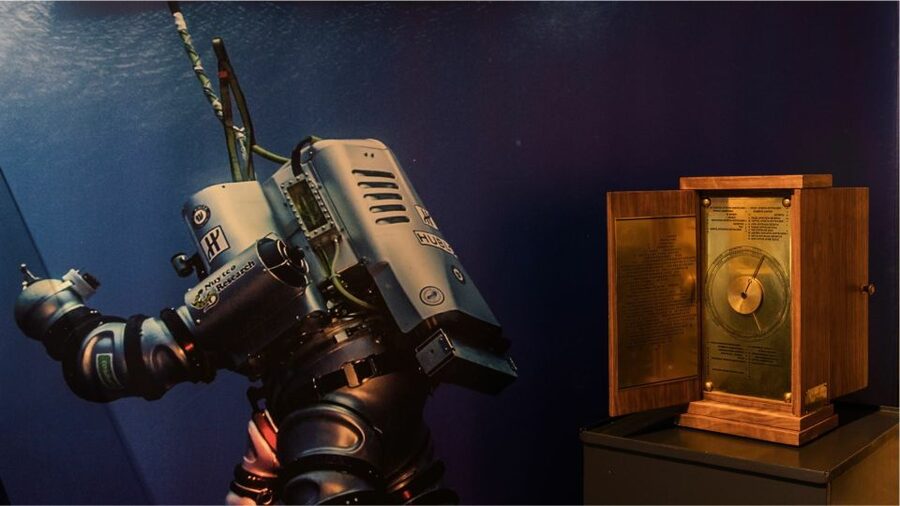
The biggest highlight is the Antikythera Mechanism, widely considered the world’s first computer. It’s the sort of object that instantly raises questions in your mind: how did anyone build something like that, so long ago? The museum’s job is to help you answer that, at least in a guided-by-objects way.
What I find valuable here is that the Antikythera Mechanism isn’t treated like a random famous artifact. It’s presented as the centerpiece for understanding the wider idea of Greek technological intelligence. When you anchor the visit to that one mechanism, everything else becomes more meaningful, because you start looking for patterns in Greek problem-solving.
You can also approach it with a specific goal: try to learn what makes it computational in spirit. Even if you don’t leave with a full technical explanation, you should walk away understanding why the mechanism matters and why people call it an early computer.
If you’re short on time, I’d prioritize the Antikythera Mechanism area first. It’s the museum’s most widely recognized “why should I care?” moment.
Greek war techniques: when technology meets strategy
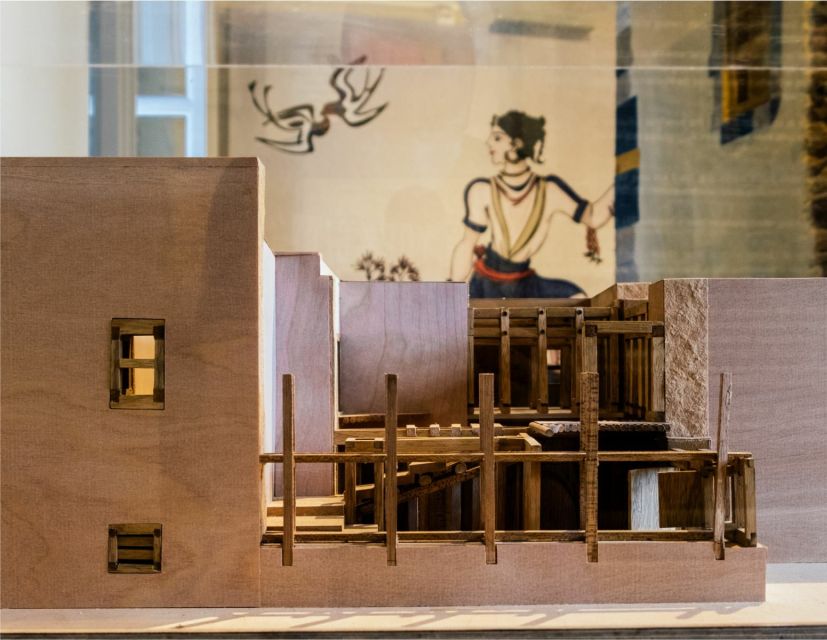
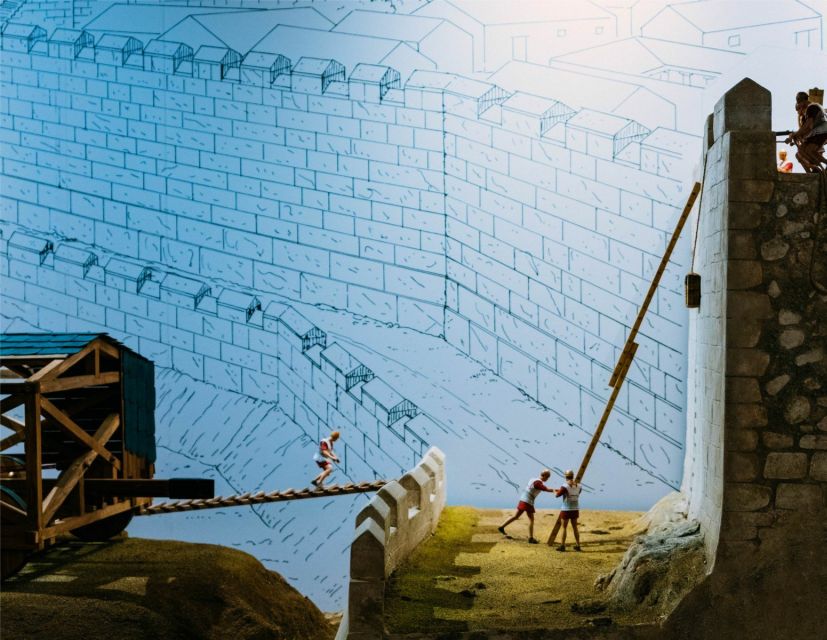
Another major theme is Greek technological artifacts connected to war techniques. That’s an important highlight, because it nudges you away from the usual peace-and-culture framing of ancient history.
When war-related technology is presented as engineering, you see a different kind of intelligence. You’re not just studying weapons. You’re studying tools and methods, with a focus on how devices and systems were developed for real situations.
Even if you’re not a history buff, this section can be satisfying because it answers a basic question: what did ancient engineers actually do with their math and calculations? Military needs forced problem-solving, and the museum’s framing suggests you’ll see that logic expressed through artifacts.
Just keep expectations balanced. The museum is still a science and technology museum, not a battlefield exhibit. The emphasis is on mechanisms and techniques, not gore or dramatized combat scenes.
You can also read our reviews of more museum experiences in Athens




Science, art, and math in plain language: why the triptych theme helps
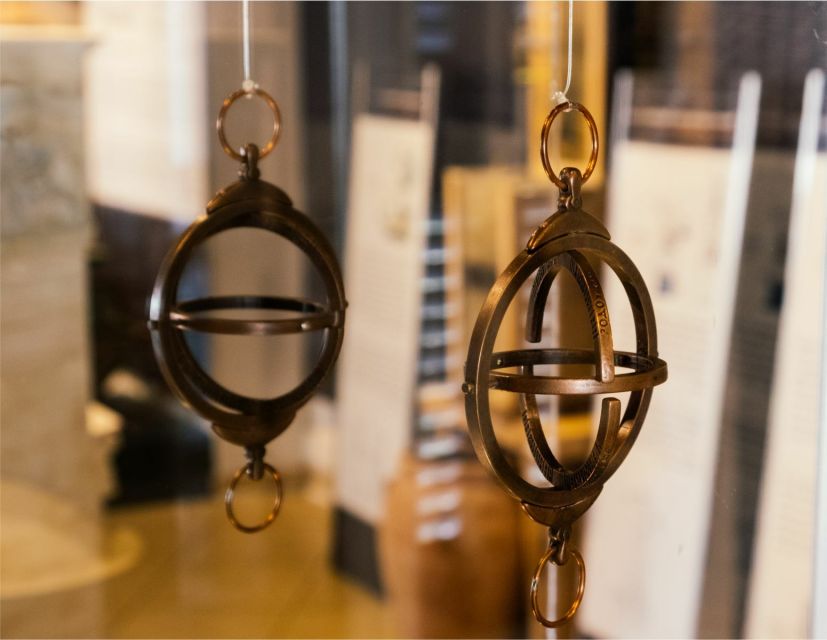
A lot of museum themes feel like slogans. Here, the triptych of Science, Art and Mathematics is described as a practical learning philosophy. That matters because the Greeks themselves didn’t separate thinking into neat boxes the way modern departments do.
When the museum focuses on the triptych, you’re more likely to notice how design choices and artistic sensibility can sit side by side with calculation. You may also learn how Greeks worked with sophisticated data and how that work influenced objects and structures.
I like this theme because it prevents you from treating ancient technology as separate trivia. Instead, it nudges you toward a bigger idea: the ancient world produced technology because people understood relationships between math, visual design, and scientific reasoning.
If you enjoy museums where you can connect one room to another with a clear thread, this approach tends to work well. If you need museum staff to guide every leap, you might find some explanations are best absorbed at your own pace.
Ticket value and pacing: the $8 question
The entry ticket is $8 per person and includes admission. There is no guided tour included, and hotel transfer is also not included. That means you’re paying for access and exhibits, not a scripted narrative.
So the value depends on what kind of visitor you are.
- If you enjoy self-paced learning and you like mechanics, calculation, and historical objects, $8 can feel like a bargain.
- If you want a guide to translate the technical ideas into clear stories, you might feel the museum needs more interpretation than you’re getting.
The overall rating is 3.5 out of 5, based on 19 reviews. A couple of bookings rated it low, citing weak value for the price or that it felt disappointing. At the same time, there are also higher ratings, with at least one positive note that it was simply good.
That mix is a good clue for you. This museum seems to reward curiosity about ancient technology. If your interest leans more toward mainstream classical art, the fit might be less automatic.
Best way to build it into your Athens day near the Acropolis
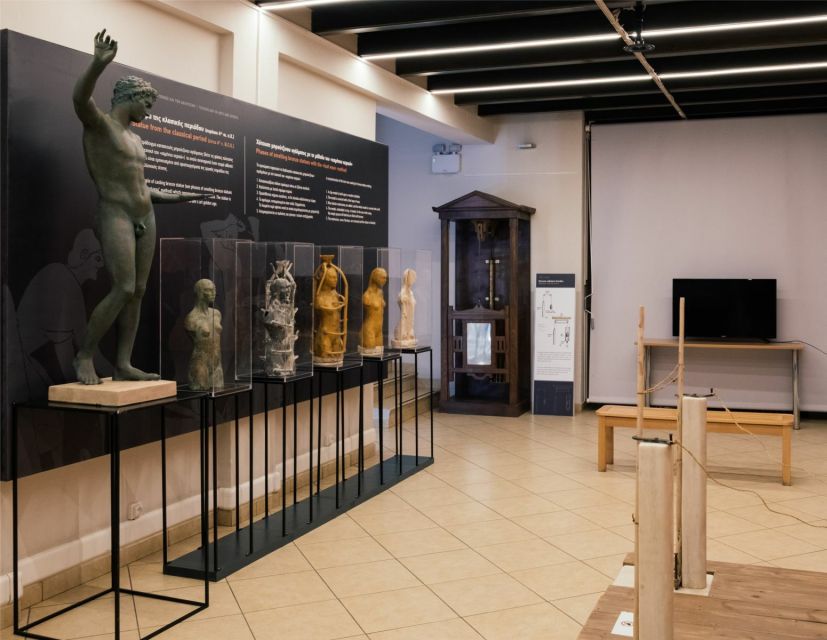
Because the museum is near the Acropolis entrance, it’s an easy add-on before or after your main sightseeing. You can treat it like a “brainy pause” between outdoor walking.
Here’s a simple pacing plan that tends to work:
- Start with the Acropolis area when you’re fresh, then come down to Thisseio for indoor time.
- Or visit the museum first to set your tech lens, then head out with a new way of noticing ancient design.
Since it’s described as a one-day experience with museum access, you don’t need to treat it like a full day commitment. But I’d still give it enough time to actually read and connect ideas. The best parts rely on attention, not speed.
Also, remember there are two buildings. If you schedule tightly, you might feel rushed when you walk between addresses.
Who should book this museum, and who might not love it
You’ll probably enjoy the Herakleidon Museum if you like:
- Ancient history but with a focus on how things worked
- Technology themes, mechanisms, and the idea of early computing
- Museums that blend learning across science, art, and mathematics
- Small, focused experiences near big sights like the Acropolis
You might be less thrilled if you’re expecting:
- A guided tour experience
- A huge blockbuster museum layout
- Only art and sculpture style displays
That “expectation match” is the deciding factor. The museum’s mission is education through technology, not spectacle.
Should you book the Herakleidon Museum of Ancient Greek Technology?
If your goal is to understand ancient Greek intelligence beyond statues, I think this is worth booking. At $8, it’s priced for access without financial pressure, and the Antikythera Mechanism highlight alone gives you a reason to plan your time. Just go in knowing it’s not a guided tour, so you should be ready to read, look closely, and connect the ideas yourself.
If you tell me your travel style, I can suggest how much time to allot and where to place it in your Acropolis day.
FAQ
Where is the Herakleidon Museum located?
The museum is in Thisseio, walking distance from the Metro station Thisseio, and near the main entrance of the Acropolis.
How much is the entry ticket?
The price is $8 per person.
How long does the experience take?
The duration is listed as 1 day. Check availability to see starting times.
Is a guided tour included?
No. Guided tour is not included with the entry ticket.
Where do I redeem my ticket?
You redeem the ticket at the first of the museum’s two buildings, located at 16 Herakleidon Street. The second building is at 37 Ap. Pavlou Street, about 150 meters away.
How close is it to the Acropolis?
It is described as very near the main entrance of the Acropolis, and reachable on foot.
What is not allowed inside the museum?
Smoking and drinks are not allowed.
Is hotel transfer included?
No. Hotel transfer is not included.
Can I cancel and get a refund?
Yes. Free cancellation is available up to 24 hours in advance for a full refund.
More Museum Experiences in Athens
More Tickets in Athens

More Tour Reviews in Athens
- All Day Cruise -3 Islands to Agistri,Moni, Aegina with lunch and drinks included
★ 5.0 · 4,958 reviews




Not for you? Here's more nearby things to do in Athens we have reviewed









Tickets, compared.
 ★ 4.2Acropolis Ticket with Optional Audio or Live GuideFrom $4211,055 reviews
 ★ 4.0Acropolis Ticket with Audio GuideFrom $473,575 reviews
 ★ 4.5Athens All Included: Acropolis and Museum Guided Tour with TicketFrom $1652,673 reviews
 ★ 4.4Acropolis Museum Ticket with optional Audio GuideFrom $302,652 reviews
 ★ 4.1Acropolis Ticket & Optional Self-Guided Audio ToursFrom $462,542 reviews
 ★ 4.7Guided Tour of Acropolis & Parthenon with TicketsFrom $352,049 reviews
 ★ 4.0Athens Half-Day Sightseeing Tour with Tickets of AcropolisFrom $1041,402 reviews
 ★ 4.3National Archaeological Museum Ticket & Audio GuideFrom $311,330 reviews
Browse the lists this tour appears in