
Reviewed · ATHENS PRIVATE TOURS
Biblical Corinth in 7 hours private tour
Corinth in one day rewires your perspective. This private Biblical Corinth day pairs road trip scenery with major ancient sites, plus the engineering wonder of the Corinth Canal.
I really like how this tour is built for convenience, with hotel or cruise pickup and a driver who keeps the story flowing as you travel. I also love the mix of big, visual anchors (canal, fortress views) with the Bible-linked stop at Kechries, also known as Cenchrea, where Paul’s vow story is connected to the harbor area. You may even get guidance like Peter, who a past group praised as personable and flexible with the pace.
One thing to consider: the driver can explain up to the archaeological areas, but tour drivers are not licensed to guide you inside. Entrance fees for sites and museums are also not included, so your budget should plan for ticket costs and potentially an add-on licensed guide if you want deeper commentary inside.
Key highlights worth planning for
- Private group up to 3 people means you can move at your pace instead of waiting on strangers.
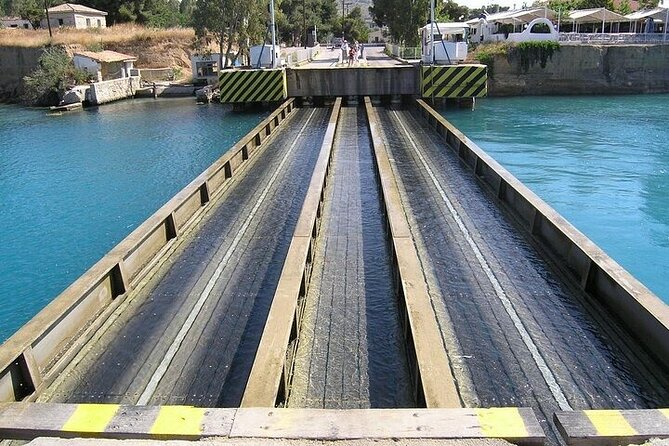
- Corinth Canal stop + submersible bridge viewpoints let you focus on how ships actually pass through this tight passage.
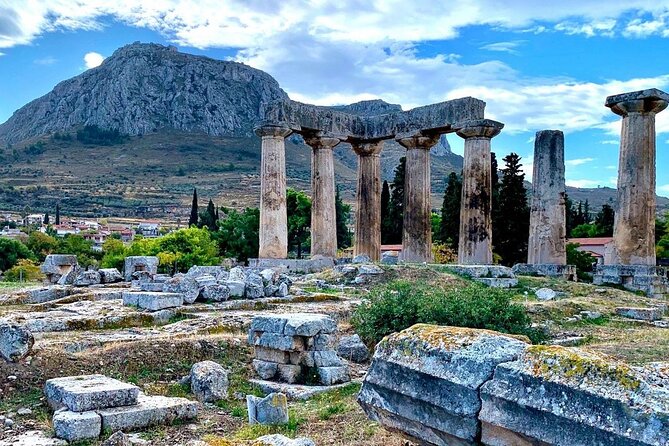
- Ancient Corinth and Acrocorinth together gives you both the city plan and the defensive height above it.
- Kechries (Cenchrea) brings in the Bible connection tied to Paul’s travel route and a Nazirite vow detail.
- Free-entry outdoor sections help keep the day flexible, even though some archaeological admissions are extra.
Biblical Corinth in 7 hours: a practical route with real geography
This is not just a list of ancient ruins. It is a day built around how Corinth’s landscape shaped movement, trade, and travel routes. You start in the Athens area, then head through Attica toward the Peloponnese. The day’s rhythm makes sense: first you get the setting, then you move to the choke point (the canal), and finally you climb into the city’s power center at Acrocorinth.
If you like your history grounded in geography, you will probably enjoy the way the tour repeatedly answers the same question: how did people get here, and why did Corinth matter? The drive through the Saronic Gulf area adds atmosphere right away, so the day does not feel like it begins at a ticket booth.
You can also read our reviews of more private tours in Athens


Pickup from Athens hotels and Piraeus cruises, with a driver-led story
The format is genuinely “grab-and-go.” You get picked up from your Athens hotel or from your cruise ship location at Piraeus port. For hotels, the instruction is to meet at the main entrance and let the porter know you are expecting the driver. For cruises, you disembark and walk outside the terminal exit door, where the driver holds a sign with your name.
That matters more than it sounds. In Athens and Piraeus, time gets eaten up fast by logistics. This tour’s structure aims to reduce that friction, so you spend more time looking and listening, instead of hunting for transport.
You are also not stuck with a bare-minimum driver role. The included service is a professional English-speaking driver with history and culture background, and they guide you until you enter the archaeological sites and museums according to the program.
Piraeus to the Athens riviera, then a Temple of Democracy viewpoint
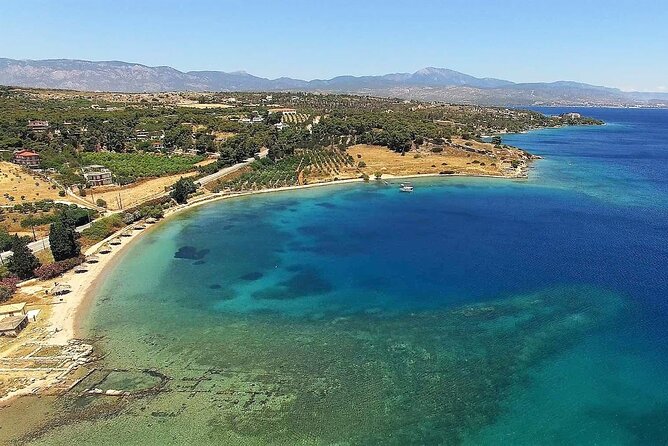
Early on, you roll along the coastal road of the Saronic Gulf, with time to take in the Athens and Piraeus riviera vibe. Then the day shifts up a gear toward a key viewpoint: you drive to the Acropolis area to admire the Temple of Democracy.
This is listed as free-entry time, and it fits the purpose of the day well. You are not just leaving the city behind. You are setting context, using a prominent landmark area to orient yourself before you head off into the Peloponnese.
A practical note: this part works best if you keep your camera ready and your timing flexible. You will likely have quick moments to look out and reframe what you already know about Greece’s major sites.
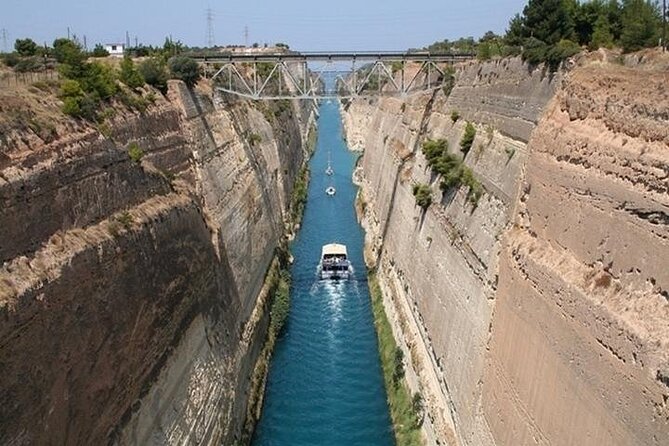
Corinth Canal: the 6.4-kilometer bottleneck that changed shipping
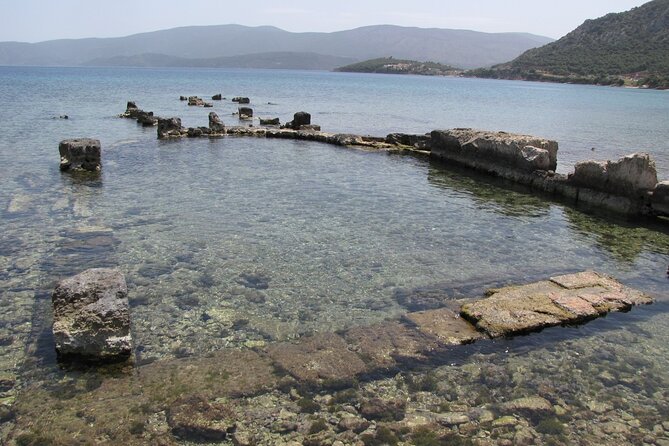
The Corinth Canal stop is short, but it is the kind of stop that pays off because it is visual and easy to understand. The canal crosses the narrow isthmus of Corinth and connects the Gulf of Corinth to the Saronic Gulf. In other words, it is a real divider that turns the Peloponnese into a kind of island.
You learn why this matters historically. Before the canal, ships that wanted to cross between the Aegean and toward the Adriatic had to go around the Peloponnese, adding about 185 nautical miles to the journey. The “modern” canal may have been executed in the late 19th century, but the dream behind it goes back much further, tied to Corinth’s long-standing role in navigation and trade.
The stop includes key dimensions and a sense of scale: the canal is 6.4 kilometers long with a width of only 25 meters, cut at sea level. That tiny width is part of the drama. You are not looking at a wide waterway. You are looking at a strategic throat.
Submersible bridges at the canal: engineering you can actually picture
Right around the canal, the day adds something fun and very specific: the submersible bridges. This is not just a canal photo stop. You also get a look at the solutions built into the waterway.
The canal uses a one-way system where ships pass one at a time. Larger vessels may be pulled by yanks, which gives you another reminder that this is not a big free-for-all channel.
Then come the bridges. In Isthmia and Corinth, two submersible bridges were built across the canal, one at each end, dating to 1988. The deck lowers about 8 meters beneath the water level to let waterborne traffic use the passage. The “why” is practical: lowering the roadway avoids height restrictions above the channel, which is helpful for sailing ships and tourist boats.
Even if you are not an engineering fan, you will likely appreciate how this tour teaches you to read the canal as a working system, not a static landmark.
- All Day Cruise -3 Islands to Agistri,Moni, Aegina with lunch and drinks included
★ 5.0 · 4,958 reviews



Ancient Corinth: why the crossroads mattered from day one
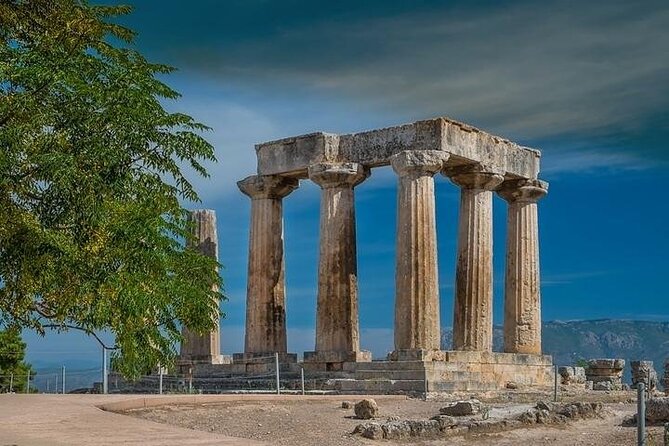
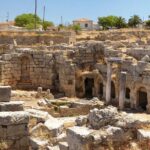
Next you get to Ancient Corinth (Archaia Korinthos), and the time you spend here (about 2 hours) is enough to get beyond surface photos. The site is first inhabited in the Neolithic period (6500-3250 BC). That early timeline matters because it reinforces the idea that Corinth was not created overnight for one empire. It kept mattering.
What makes the place click is the location. Ancient Corinth sat at the intersection of land routes from the Balkans toward mainland Greece and onward into the Peloponnese, plus waterways connecting the western Mediterranean to the east, reaching areas toward Asia Minor and Syro-Palestine.
That intersection is why trade and prosperity expand over time. The story also connects to colonization patterns in the ancient Mediterranean world. In the 8th century BC, Corinthian colonies were founded, including Corfu and Syracuse, which helps you see Corinth as an export point of people and culture, not just a local city.
Ticket note: admission for this stop is listed as not included. Plan for that. If you want the best experience, give yourself a little mental budget for ticketing and time at the entrance, because you will want to settle into the site once you start walking.
Acrocorinth Fortress: walls, towers, and centuries stacked on one rock
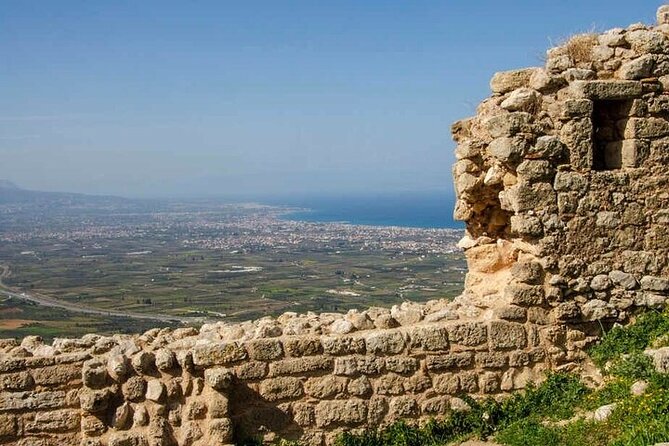
If you want one stop that changes how you understand Corinth, it is Acrocorinth. This is the “Upper Corinth,” basically the acropolis on a monolithic rock overseeing the ancient city below.
The main payoff is the fortress setting. You get the experience of height and defense, not just ruins on flat ground. The defensive works are layered through time. Sections of the wall are traceable from ancient pre-Christian times, then through the Byzantine, Frankish, Venetian, and Turkish periods.
The fortification system is described as three circuit walls reinforced by towers. That layout tells you why this site was so hard to take. You are not just looking at one wall. You are seeing how the defenders planned for resistance at multiple levels.
You also get a sense of cultural shifts in the religious landmarks layered on top of the same rock. Traces of a temple of Aphrodite are noted, with later structures that included a church and subsequently a Turkish mosque on the site. Within the precincts, remains of churches, mosques, houses, fountains, and cisterns are preserved, which makes the hill feel inhabited across eras, not abandoned.
This stop is listed as 50 minutes, with free admission. For many people, that is a good pace. For anyone who moves slowly or wants to stare at views longer, it might feel a bit tight. I would treat it as a “get the big picture” segment, and then adjust in your own head based on your energy.
Cenchrea (Kechries): the harbor stop with a Bible thread
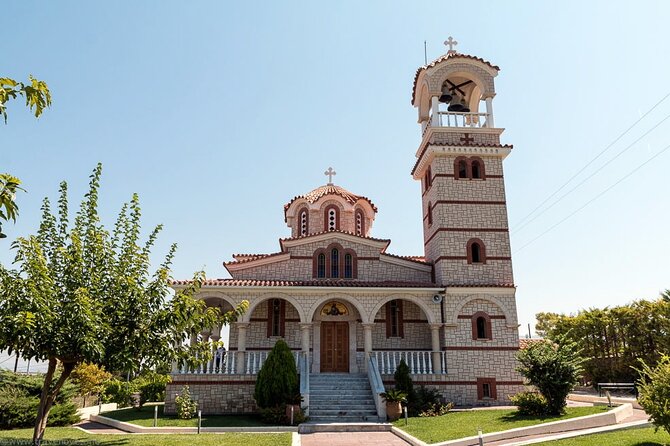
The most Bible-forward moment on the day is the stop at Kechries, also spelled Cenchrea. This was one of two controlled harbors on the eastern side of the isthmus. The harbor role matters because it ties Corinth to logistics: goods moving between Asia Minor and Italy, plus routes involving Achaia and Macedonia.
The tour connects this place to Paul in a very specific way. The Bible refers to Cenchrea more than once. On Paul’s second missionary journey, he stops at Cenchrea to fulfill a vow before sailing to Ephesus. The detail you are given here is tied to a Nazirite vow, which required not cutting hair. In Cenchrea, the record says Paul had his hair cut off, marking the end of that vow.
The same section also notes that a church was organized in Cenchrea. Paul is not identified as starting it outright, but the logic given is that he was in Corinth for some time, so he may have had opportunity to minister in the nearby area. If not him, then someone connected to his influence likely led the work.
I like this stop because it avoids the trap of turning the Bible into vague inspiration. Instead, it anchors the story in geography: harbor to ship route, vow fulfillment to departure.
Ticket note: this stop is listed as free. You should still expect walking and standing time, but it is one of the easiest budget wins on the day.
Time management, pace, and the private-group advantage
This is an approximately 7-hour private tour. Price is $433.48 per group, and the group size is up to 3 people. That matters for value. If you travel as a couple or with a small third person, you can get a private, driver-led route without paying “big tour bus” per-person rates.
The tradeoff is that the itinerary includes several stops where admission can be extra. Entrance fees are explicitly not included for archaeological sites and museums. You also do not get an automatically included state-licensed guide inside the sites. The driver can guide you until you enter, but then you are on your own unless you arrange a licensed guide at an additional cost (subject to availability on the booking day).
Here’s how I would think about it: if you are comfortable reading basic site context or you travel with your own notes, the driver-led framing may be enough. If you really want guided interpretation inside at each site, you should plan for possible extra cost.
The tour also states a mobile ticket and a private group format. That usually translates to smoother timing, especially when pickup is involved. One small detail that surprises people: the listed dress code is formal. I would follow that instruction, but still prioritize comfortable footwear. These sites involve uneven terrain and outdoor walking.
Who this day trip suits best
This tour fits best if you:
- want a Biblical Corinth focus but still enjoy archaeology and fortifications
- like to see how trade routes and terrain connect, not just monuments in isolation
- prefer private pacing, especially if your group includes different interests or comfort levels
It may not be the best fit if you:
- want a full, licensed guide inside every museum and site with no extra planning
- are expecting food included or a long sit-down lunch break (food and drinks are not included)
Still, the structure is a strong match for a first-time Corinth visit because it hits the big buckets: canal, ancient city, fortress height, and the harbor connection.
Should you book this Biblical Corinth in 7 hours private tour?
I would book it if your goal is a compact, high-impact Corinth day with real context and minimal logistics stress. The door-to-door pickup from Athens or Piraeus is a big plus, and the canal plus submersible bridges segment is one of those “how does this work” stops that makes the whole region feel alive.
Just go in with two expectations set clearly: some entrance fees are extra, and the driver is not a licensed in-site guide. If that works for you, this is a solid value for a small group, and the overall rating score (5 out of 5 from 10 reviews) with a 100% recommendation track record says the format tends to land well.
FAQ
How long is the Biblical Corinth in 7 hours private tour?
It runs for about 7 hours.
Is this tour private, and what is the maximum group size?
Yes, it is private. Only your group participates, with up to 3 people.
Do you pick up from Athens hotels and from cruise ships at Piraeus?
Yes. Pickup is offered from accommodation in Athens and also from your cruise ship pier at Piraeus port.
What language is the tour offered in?
The tour is offered in English, and the included driver provides English service.
Are entrance fees to archaeological sites included?
No. Entrance fees to archaeological sites and museums are not included.
Can the driver guide us inside the archaeological sites and museums?
The driver can guide you until you enter the sites and museums. Drivers are not licensed to accompany you inside. A licensed tour guide can be arranged for an extra cost, based on availability.
What is the cancellation policy?
Free cancellation is available. You can cancel up to 24 hours in advance for a full refund. If you cancel less than 24 hours before the start time, the amount paid is not refunded.
More Private Tours in Athens


More Tours in Athens


More Tour Reviews in Athens
- All Day Cruise -3 Islands to Agistri,Moni, Aegina with lunch and drinks included
★ 5.0 · 4,958 reviews
Not for you? Here's more nearby things to do in Athens we have reviewed







Athens Private Tours, compared.
 ★ 5.0Best of Athens Half Day Private TourFrom $913,714 reviews
 ★ 5.0Athens Full Day Private TourFrom $2442,903 reviews
 ★ 5.0Athens Greece Full Day private tourFrom $683785 reviews
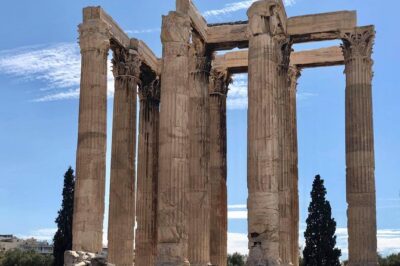 ★ 5.04 Hours – Athens & Acropolis Highlights Private TourFrom $181681 reviews
★ 5.0Athens Full Day Private TourFrom $205667 reviews
★ 5.04 Hours – Athens & Acropolis Highlights Private TourFrom $181681 reviews
★ 5.0Athens Full Day Private TourFrom $205667 reviews
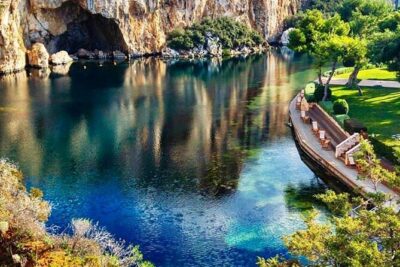 ★ 5.0Lake Vouliagmeni Thermal Spa And Temple Of Poseidon Private Full Day TourFrom $171578 reviews
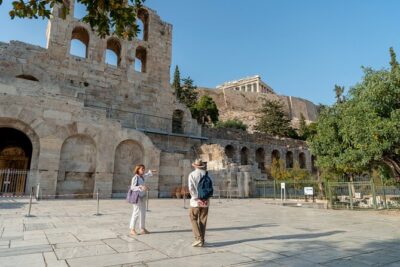 ★ 5.0Acropolis and Acropolis Museum Private Tour with Licensed ExpertFrom $188445 reviews
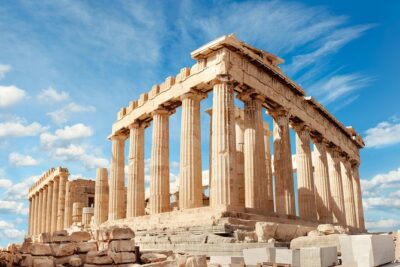 ★ 5.0Athens Highlights Half Day Private TourFrom $305407 reviews
Browse the lists this tour appears in