

Reviewed · ATHENS ACROPOLIS & PARTHENON TOURS
Athens Panoramic Tour with Guided Acropolis & Museum Visit
The Acropolis in one smooth, half-day hit. This tour strings together classic Athens and modern city landmarks by bus, then gets you into the Acropolis and the Acropolis Museum with an expert guide and audio gear.
I like that it is timed for a 5 hour window, so you are not spending your whole day in lines and heat.
What I really like is the mix of stops, starting with a photo stop at the Panathenaic Stadium and then rolling through major monuments from the Athens Trilogy to Hadrian’s Arc. I also like that the museum time is focused on the stories behind what you see, including Parthenon-focused halls and standout display pieces.
One drawback to keep in mind is logistics can be tight. Early departures plus loading a group of up to 42 people can mean extra waiting, and that eats into your energy once you get close to the top.
Key things to know before you go
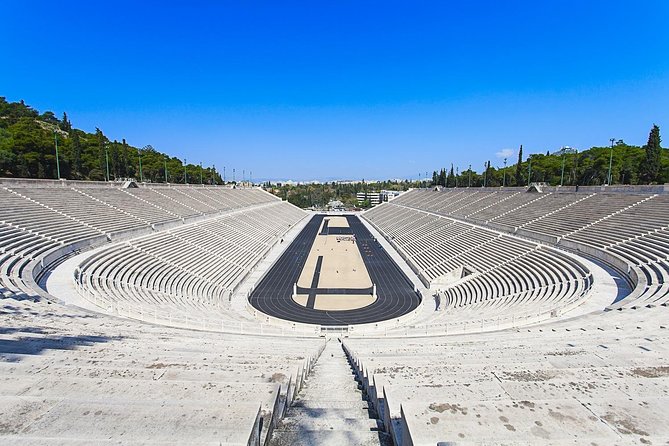
- Panathenaic Stadium photo stop at the birthplace of the modern Olympics in 1896, famous for its white marble build
- A long bus-and-walk route that shows Athens classics from street level before you climb to the UNESCO-listed citadel
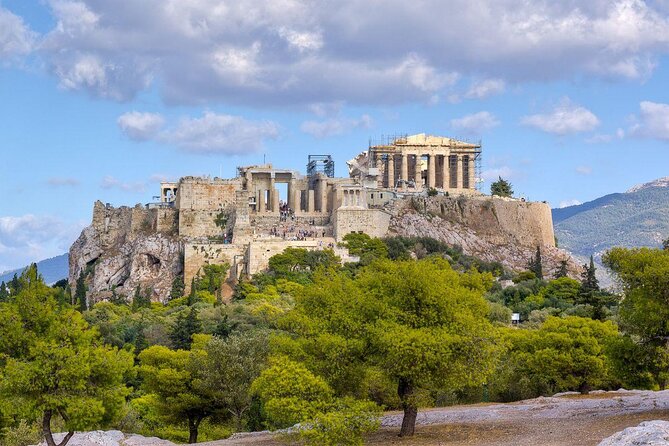
- Acropolis time is about sightlines and flow, with about 2 hours at the site and key stops like Propylaea and the Parthenon
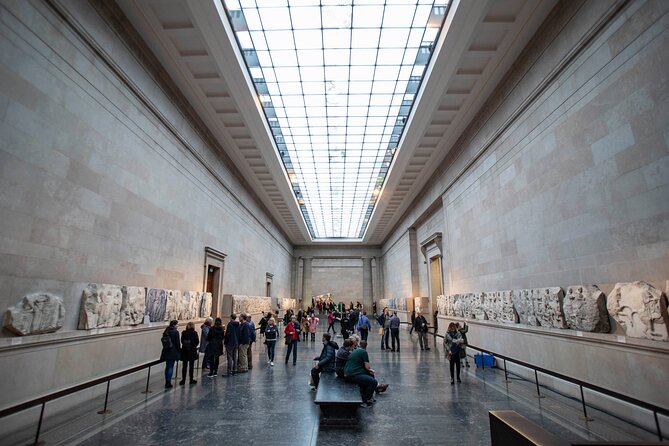
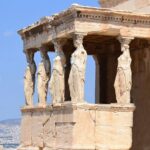
- Acropolis Museum is where the details click, including Caryatids and the Parthenon hall with metopes, pediments, and the frieze
- Audio devices are included, which helps a lot when you are walking and the guide has to keep moving
- Group size can be a factor, since the tour maxes out at 42 people and timing depends on how quickly everyone assembles
A half-day Athens plan that keeps your priorities straight
If you only have part of a day in Athens, this kind of tour helps you avoid the most common failure mode: spending hours bouncing between ticket lines and guesswork. You get an organized sequence that starts with city landmarks, then climbs to the Acropolis, then finishes in the Acropolis Museum, where everything you just saw suddenly makes more sense.
I like that the tour is built around pacing. You get about 2 hours on the Acropolis and about 1.5 hours in the museum, which is enough time to actually look at details without feeling like you are sprinting. And because the stops are paired logically, you do not leave the Acropolis only half-informed, wondering what you were seeing.
Also, the bus route matters. Athens is spread out, and even when you love wandering, you waste time if you try to stitch major sights together on your own. This itinerary sets you up to see a wide range of famous structures from the bus, including places many visitors miss because they are tucked into the city fabric.
The practical catch is timing. The tour runs around an 8:15 am start, and group assembly can affect how much time you feel you truly have at each stop. If you like getting to sites early and lingering, treat this as a structured experience, not a slow stroll.
You can also read our reviews of more guided tours in Athens


Meeting point, bus ride, and the timing that can make or break it
You meet at Athanasiou Diakou 26, Athina 117 43, Greece, and the tour ends back at the same meeting point. It starts at 8:15 am and runs about 5 hours total.
Transportation is by air-conditioned bus, and you get audio devices for the guide’s commentary. For Athens in summer, air-conditioning is not a luxury, it is a survival tool. The audio devices also help keep you aligned with the guide’s route once you move from street level to steps and viewpoints.
Here is the part to take seriously: group loading. This tour has a maximum of 42 people, and that can mean you wait while everyone gathers. Some people have reported delays when there are multiple stops for boarding, and when the group has to shuffle between buses. You cannot control that, but you can control your mindset and your planning.
My advice: arrive at the meeting point a bit early, even if you think you are early enough. Bring water before the first stop. And plan for a steady, guided flow. If you are the type who dislikes any schedule at all, this might test your patience, especially around the transition from bus riding to the Acropolis climb.
Panathenaic Stadium: the marble clue to Athens as a living city
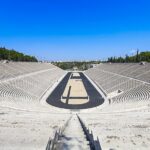
Stop 1 is a short photo stop at the Panathenaic Stadium, about 15 minutes, with admission listed as free. This is the stadium built out of white marble, and it is tightly linked to the modern Olympics, with the first games held there in 1896.
Why this stop is smart: it gives you a bridge between ancient Athens and modern Athens. It is not just a random landmark, it sets up the theme your guide will keep returning to: Athens reinventing itself while still drawing power from antiquity.
What you should expect here is mostly photos and orientation. You will not spend long enough to go deep, but you will get the visual anchor before you head toward the Acropolis area.
A small but useful tip from the field: wear comfortable shoes and use this first pause to check your water and sunscreen. Once you are higher up, you will not feel like stopping to fix anything.
The bus loop that frames the Acropolis climb
After the stadium, you head toward the Acropolis area on a route packed with landmark passes. From the bus, you go by Zappeion and the Temple of Olympian Zeus, then you see the Athens Trilogy, which includes the University of Athens, the Academy of Athens, and the National Library.
You also pass National Garden, Hadrian’s Arc, St. Paul’s Church, Parliament, and the Tomb of the Unknown Soldier. Depending on timing, you may also catch sight of places tied to Greek archaeology and learning, including Schliemann’s House (also known as the Numismatic Museum), plus several churches and civic buildings like Constitution Square and the Russian Orthodox Church.
Why bus passes matter: Athens can feel chaotic on foot when you are trying to place everything on a mental map. These views help you build a route sense. Even if you do not stop to read every plaque, the guide’s narration gives your eyes something to organize.
The good part is that this segment keeps the day moving. The less good part is that bus time is still time, and if loading delays happen at the start, the schedule compresses fast. So be ready to use your eyes, not your phone. If you are constantly checking for the next turn, you miss the context.
Up the Acropolis: Propylaea, Athena Nike, and the Parthenon in 2 hours

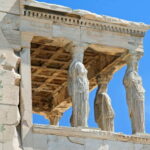
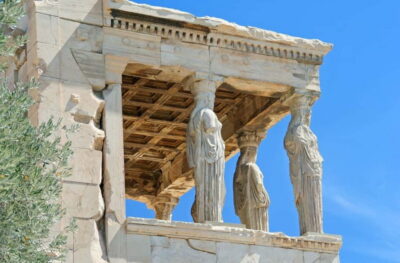
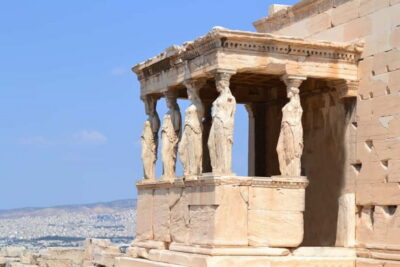
The Acropolis stop runs about 2 hours, and you will stroll up to the UNESCO-listed site that served as the ancient citadel. The route includes the big names: Areopagus, Propylaea, the Temple of Athena Nike, the Parthenon, and the Erechtheion with its Porch of Maidens.
This is the section where you will feel the altitude and the number of steps. The tour is guided, so you are not wandering randomly, but you are still doing real walking. Treat the climb like part of the attraction, not just a hurdle.
What makes the 2 hours work is the order. You start with the approach and key entrance area, then you flow through the temples and viewpoints that most visitors want to see. The guide’s job is to make you look at the right things in the right order. You hear how the monuments reflected Athens’ prosperity in the 5th century BC, and you start to see the buildings as a system, not a collection.
If you only remember one practical tip for the Acropolis: bring water and plan for heat. People have noted a drinking fountain at the Acropolis where you can refill. I would still bring a bottle from the start, because refill points are helpful only if you are not already running low.
Also, expect crowds around the Parthenon area. Even with a guided schedule, the Acropolis is popular. Your best move is to keep moving with the guide and use pauses to look around, not to stop searching for a perfect empty photo spot.
You can also read our reviews of more museum experiences in Athens
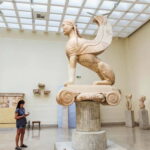




Acropolis Museum: the place where the Parthenon story becomes clear
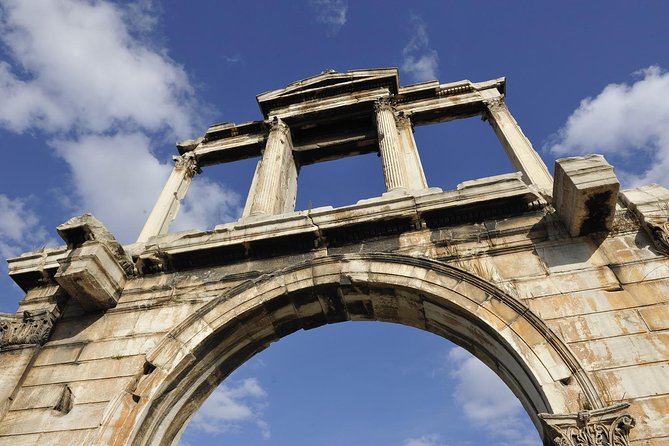
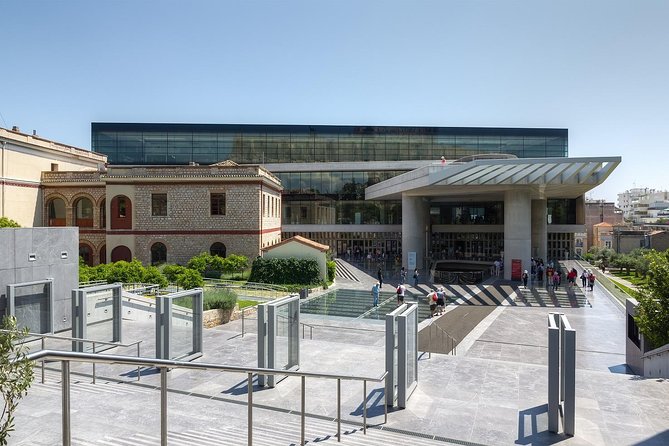
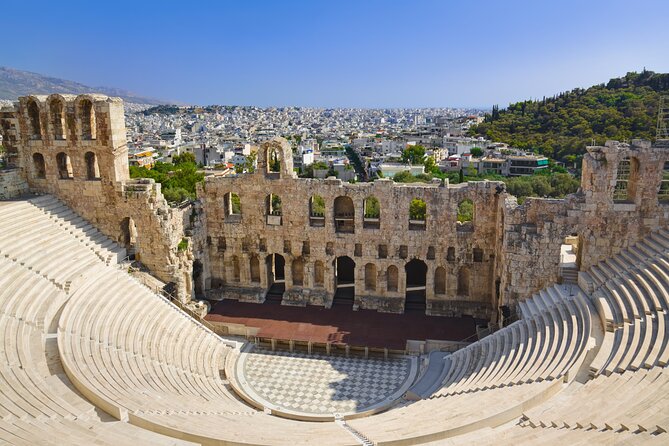
After the climb, you move on to the Acropolis Museum with a pleasant short walk past Herodion and the Theater of Dionysus. The museum visit runs about 1 hour 30 minutes.
This is the part I find especially valuable because it changes how you see the Acropolis outside. On the hill, you get scale and structure. Inside the museum, you get context, craftsmanship, and the meaning of the pieces.
The museum highlights include votives, artifacts of everyday life, statues from the archaic period, and the famous Caryatids. Then comes the Parthenon-focused experience, including the metopes, the pediments, and the frieze.
There is also a practical benefit: the tour is set up to help you avoid and skip lines at the new museum. That matters because museum queues can eat the exact time you want for looking slowly.
What to watch for during your 1 hour 30 minutes: do not try to see everything. Choose a few anchors. I like focusing on the Parthenon hall pieces and the Caryatids, then checking how everyday artifacts help you picture who used the religious spaces you just climbed.
You will likely leave with fewer blank spots in your memory. The guide’s narrative connects the museum objects back to the site, so the whole day clicks instead of feeling like checkboxes.
What you are paying for, and why it can be a good value
At $127.45 per person, the tour is not the cheapest option. But value is not only about saving money, it is about buying back time and reducing stress when Athens is busy.
You are paying for several concrete things:
- Admissions to both the Acropolis and the Acropolis Museum are listed as included with the tour
- Transportation by air-conditioned bus
- A professional licensed tour guide
- Audio devices for clear commentary
- A guided structure that ties the Acropolis and museum together in a single half-day plan
The key value claim here is efficiency without losing understanding. You still get time on the sites, but you are not trying to manage tickets, directions, and pacing at the same time.
That said, you should think about what you want most. If you hate group schedules and you are determined to move at your own pace, a guided tour may feel restrictive. If you want the most meaningful chance to see the Acropolis and Museum without planning chaos, the price can feel fair fast.
Also, you can only get so much value if timing slips. If loading delays happen, that can make the day feel shorter even if the itinerary is fixed on paper.
Comfort checklist: small things that save the day
This is one of those tours where basics really matter. Based on the best practical tips from real visitors, here is what you should do before you meet at 8:15 am.
Bring:
- Comfy shoes for steps on the Acropolis
- Sunscreen, because you will be outdoors
- Bottled water, and refill if you can at the Acropolis drinking fountain
Wear:
- Light layers you can manage in sun and shade
- A hat or anything that helps block direct light
Also, use the audio devices even if you think you can read signs. The guide’s route planning is part of the experience. When you can follow the story while walking, you get more out of the limited time on the UNESCO site.
Who should book this tour, and who might not love it
This is a strong fit if:
- You want a half-day structure that covers the Acropolis and the Acropolis Museum in one shot
- You prefer guidance so you spend your time looking instead of figuring out where to go next
- You like the idea of seeing major Athens monuments from the bus first, then focusing on the hill and museum afterward
It may be less ideal if:
- You get stressed by group timing and any waiting at the start
- You are hoping for total freedom to linger everywhere, since the day is scheduled to keep moving
- You expect a perfect skip-line experience at every step, because real-world loading and crowds can still affect your flow
If you do book, treat it as a guided day of priorities, not as a casual hangout. You will get more satisfaction that way.
Should you book the Athens Panoramic Tour with Acropolis and Museum?
My take: I would book this if your top goals are the Acropolis plus the Acropolis Museum, and you want them organized into a single half-day with bus connections and audio support. The museum portion is a big part of the payoff, especially with Parthenon-focused displays like the metopes, pediments, frieze, and Caryatids.
I would pause before booking if you are extremely time-sensitive at the start of the day. Group size up to 42 and the possibility of waiting during assembly can shift how you feel about the schedule. If you are okay with a bit of patience and you show up early, you will likely come away happy with how much you managed to see in one morning.
If you want the best experience, plan your day around comfort and heat management: shoes, sunscreen, water, and a calm attitude about crowds and timing at the top. Do that, and the Acropolis will feel like more than a photo stop.
More Guided Tours in Athens

More Tours in Athens


More Tour Reviews in Athens
- All Day Cruise -3 Islands to Agistri,Moni, Aegina with lunch and drinks included
★ 5.0 · 4,958 reviews



Not for you? Here's more nearby things to do in Athens we have reviewed









Athens Acropolis & Parthenon Tours, compared.
 ★ 4.4Acropolis & up to 5 Archaeological Sites Combo PassFrom $4812,619 reviews
 ★ 4.2Acropolis Ticket with Optional Audio or Live GuideFrom $4211,055 reviews
 ★ 4.8Acropolis, Parthenon & Acropolis Museum Guided TourFrom $409,316 reviews
 ★ 4.6Acropolis and Parthenon Guided Walking TourFrom $385,882 reviews
★ 4.8Acropolis, Parthenon & Acropolis Museum Guided TourFrom $413,579 reviews
★ 4.6Acropolis and Parthenon Guided Walking TourFrom $385,882 reviews
★ 4.8Acropolis, Parthenon & Acropolis Museum Guided TourFrom $413,579 reviews
 ★ 4.0Acropolis Ticket with Audio GuideFrom $473,575 reviews
 ★ 4.7Acropolis: Acropolis and Parthenon Guided Walking TourFrom $363,442 reviews
 ★ 5.0Acropolis monuments & Parthenon Walking Tour with Optional Acropolis MuseumFrom $422,678 reviews
Browse the lists this tour appears in