
Reviewed · MUSEUMS
Athens: Kotsanas Ancient Greek Technology Museum Guided Tour
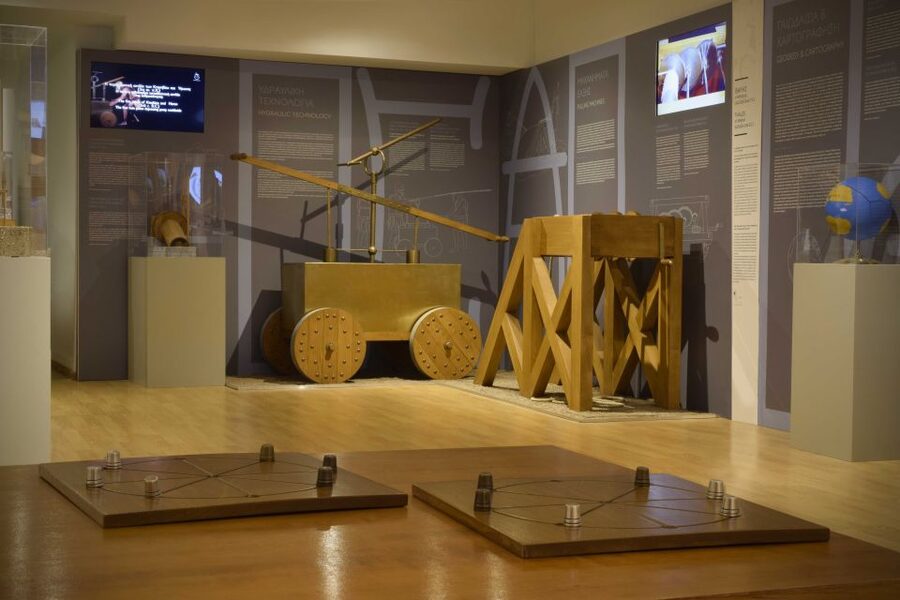
A museum that treats ancient tech like live engineering. The Kotsanas Ancient Greek Technology Museum is small but packed, and the private guide helps you connect the dots between ancient mechanisms and the gadgets you use today. I love how the collection is both hands-on and explained clearly, so you do not need a science degree to follow the logic.
Two things I really liked were the interactive exhibitions and the chance to hear an expert guide make the engineering feel understandable. One thing to consider: the visit is not for everyone with mobility issues, so check your comfort with indoor movement before you go.
Key points to know before you book
- Private guided tour (1 hour) with staff who can be engineers, historians, archaeologists, or museologists
- About 300 artifacts on display, focused on ancient mechanisms and inventions
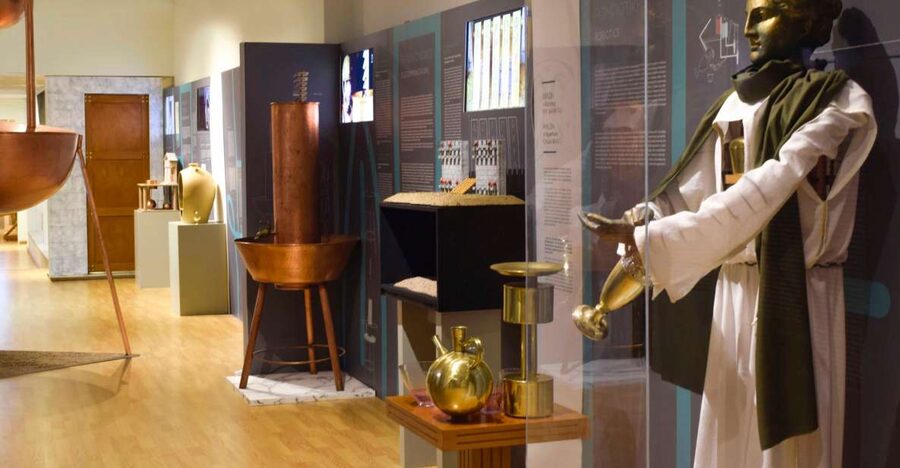
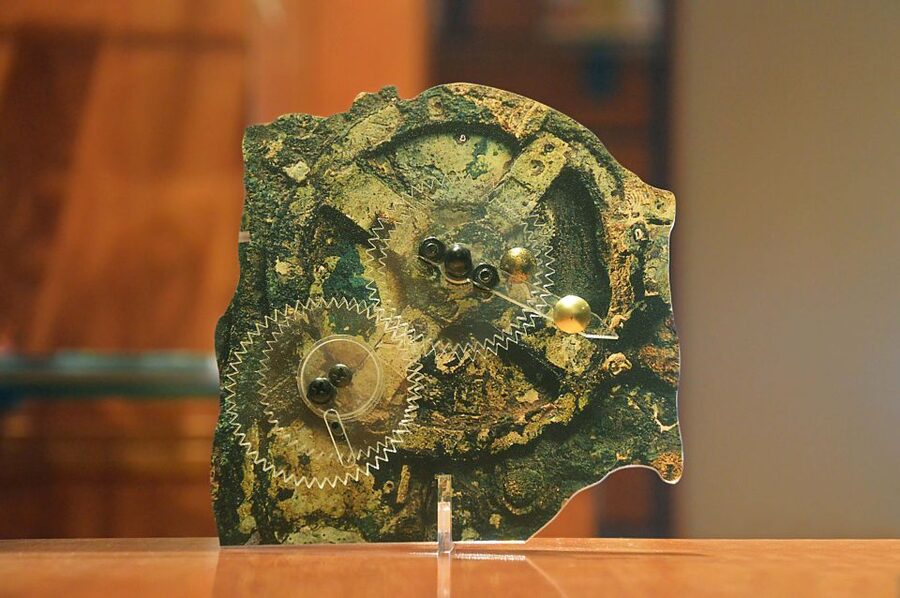
- Big hits include the Antikythera calculating mechanism, Ktesibios hydraulic clock, and Philon’s cinema
- The museum is inside a historic Art Nouveau building, about 700 square meters total
- You get free time to explore after the guided portion
Why Kotsanas Museum Works So Well for Modern Minds
This is not a museum where you stand back and look. The whole point is mechanisms you can understand through interaction, diagrams, and short visual explanations. Even if you only have an hour, you leave with a clearer sense of how Greek engineers thought.
What I like most is the way the tour frames ancient devices as technology, not just artifacts. You start noticing familiar ideas, like analog computing, automatic motion, clockwork timing, and even performance-like projection. That is where the museum earns its reputation, it makes the ancient feel usable in your head.
The setting helps too. The Kotsanas Museum sits in a historic Art Nouveau building, so the experience feels like a small workshop housed in a pretty shell. You go from city street to a room that looks built for curiosity.
You can also read our reviews of more guided tours in Athens



Meeting at Pindarou 6, and Getting There Without Stress
The meeting point is Pindarou 6, Athina 106 71, and the museum is about a 5-minute walk from Syntagma Metro Station. That is a nice setup in Athens because you can tie it into your day without planning a complicated transfer.
Plan for the fact that the tour is short, just 1 hour. If you show up late, you will feel it. I suggest giving yourself a little buffer around the meeting time, especially if you are also trying to get oriented in central Athens.
One practical note: the activity is listed as not suitable for people with mobility impairments. If that could matter for you, it is worth confirming how much indoor walking and standing the space will require for your needs.
How the 1-Hour Private Tour Flows Inside the Museum
Your tour is a private group experience in English, and it is designed to move at an engineering pace without turning into a lecture. The guide leads you through the exhibition displays, with interactive stations mixed in along the way. The goal is understanding mechanisms, not just seeing displays.
Because the tour is private, you can ask follow-up questions if something does not click. That is a big deal here, since many of the inventions involve motion, timing, and cause and effect. A good guide helps you connect what you see to what the device is actually doing.
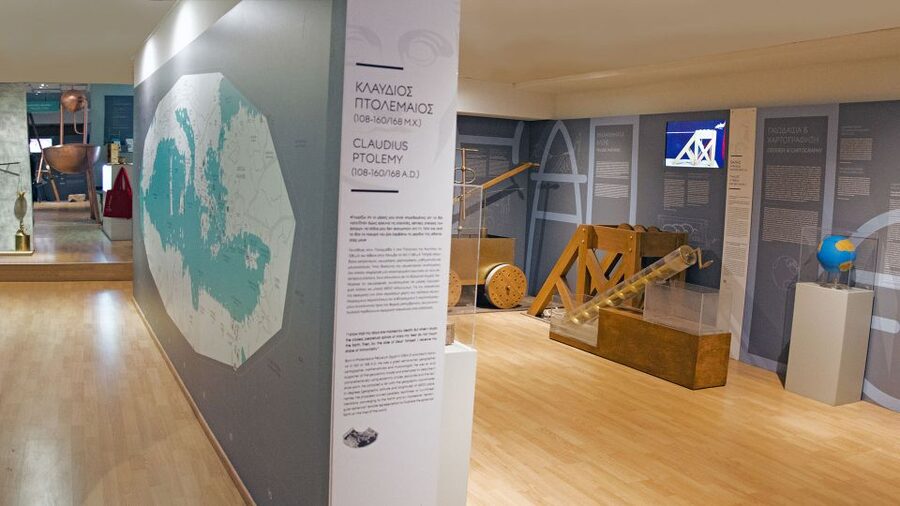
The museum space totals about 700 square meters, and the exhibition includes a lot of visual support. Expect labels, large posters with information, detailed diagrams, photos, and complete bibliographical references. You are not stuck guessing what you are looking at.
At the end, you get free time to explore further. I like using that window to go back to the interactive models that grabbed you earlier, because you catch new details once you have the basics from the guide.
The Big Theme: Ancient Greek Tech That Looks Familiar
The exhibition is framed around hi-tech inventions, and the best part is how naturally it links to modern concepts. You will see how Greek engineers used mechanisms to calculate, automate, control motion, and create spectacle.
This is where the private guide makes the visit smarter. Instead of telling you ancient tech was impressive, they explain the underlying mechanism and the purpose. That makes the similarity to today’s tech feel less like a slogan and more like a real pattern.
Many visitors walk in expecting a history lesson. The museum delivers something closer to a practical question, what did they build, how did it work, and what problem did it solve? If you enjoy that mindset, you will have a great time in a short visit.
Top Exhibits You Will Want to Prioritize
The museum experience includes highlights that can easily become your mental anchors. If you only have one hour, these are the devices I would focus on, because they show up as the most memorable points in the program.
You can also read our reviews of more museum experiences in Athens





The Antikythera calculating mechanism, the analog computer reference
One of the headline pieces is the Antikythera calculating mechanism, described as the oldest analog computer in the world. The value here is not just the fame, it is how the guide helps you understand what analog calculation can mean. Instead of abstract math, you get mechanical motion tied to functions.
You will also see how the exhibit style uses diagrams and visual explanations to translate motion into meaning. That is a key feature of this museum. It helps you interpret gear trains and motion logic without needing prior engineering background.
Ktesibios hydraulic clock, timing as technology
You will also encounter the hydraulic clock of Ktesibios. A water-powered timing system is one of those inventions that makes you appreciate how much control you can get from smart regulation.
During the guided part, you will learn what the mechanism is doing and why it matters. Even without technical detail, you can grasp the idea that the Greeks were already treating time like a system you could measure and manage.
Philon’s robot-servant ideas and cinema
The museum highlights Philon’s contributions, including the robot-servant and what is referred to as the cinema. The fun part is how the guide explains these devices as engineered performances, not just gimmicks.
If you like robotics themes or early motion spectacle, this is a section you will likely remember. The exhibits connect the mechanics to an end goal that looks like entertainment and automation working together.
Heron’s automotive-puppet show
Another named highlight is Heron’s automotive-puppet show. The value is similar to Philon, it shows how mechanical systems can drive coordinated movement.
Even if you think you are not an engineering person, you can still follow the underlying structure, because you are shown what moves and what triggers it. That is exactly what makes the museum special, the explanations match the mechanical reality.
Interactive Stations and What They Teach You
About 100 selected exhibits make up the thematic focus called The Hi-Tech Inventions of Ancient Greeks. On top of that, the museum has roughly 300 artifacts in total. That means you are not just hearing about famous names, you are getting enough examples to see patterns in the technology.
Many exhibits are interactive, which is where the learning sticks. When you can try or engage with a mechanism, you stop treating the device like a static object. You begin to understand it as a chain of actions that produces an output.
In particular, some staff members like Irina and Maria are praised for presenting inventions that you could try by yourself. That is the difference between reading about a device and experiencing how it behaves.
The museum also uses projecting stations with video and animation, plus documentaries where the exhibitor explains functions and usage. Even if you are short on time, these visuals help you place what you see in context before you move to the next mechanism.
Audio-Visual Support, Labels, and Diagrams You Can Actually Use
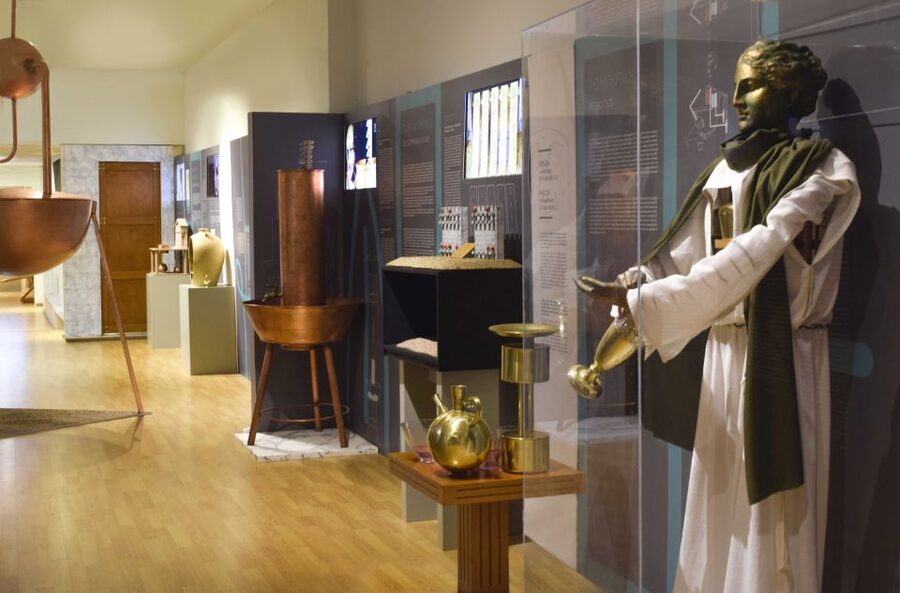
If you like to read while you look, this museum is built for that. Explanatory labels and giant posters are available in Greek and English, and the displays include detailed diagrams, photos, and bibliographical references.
The guided tour helps you use this information instead of feeling overwhelmed by it. You will usually get a guided explanation first, then you can confirm it with what the posters show. That pacing matters in a museum full of small mechanical details.
One practical tip: when you see a diagram, take a moment to match it to the parts you are physically looking at. The museum’s design supports that kind of mental matching, especially around clockwork logic and analog calculation concepts.
If you are with kids, this format also helps. The exhibits and the visuals are set up so younger visitors can stay engaged without needing technical vocabulary. That is why the museum often lands well for families.
Price and Value in a Short 1-Hour Private Format
The price is listed as $54 per group up to 4, and the tour lasts 1 hour. At first glance, it is not a bargain like a free walk-through. But value here is tied to access and explanation.
A private guide means you are not competing with a crowd for attention. And with technology mechanisms, those explanations are the whole point. You are paying to turn objects into understanding, and the museum is doing the rest with audio-visual support and interactive elements.
If you are traveling solo, the private format is still a good deal if you care about learning how devices work. If you are a small group of two or four, the per-person cost usually becomes far easier to justify, especially since you get a tailored guide-led path through the museum.
Also, you get entry to the museum plus the 1-hour private guided tour, then free time to explore after. That is important because it lets you slow down or re-check the exhibits that felt most interesting.
Who This Tour Suits Best
This is a great choice if you like engineering ideas, mechanical problem-solving, or early technology stories. It is also a strong pick if you want a break from classic Athens sights and want something different that still feels tied to Greek culture.
You do not need to be an engineer to enjoy it. The museum is set up so non-engineers can follow along, and the guide style is clearly meant to connect mechanisms to plain meaning. That is supported by the way visitors describe the experience as insightful and interactive, with takeaways that stick.
It is also a good family option. One highlight from the experience is that kids can enjoy it, especially because the exhibits are interactive and the guide can keep attention on what is happening.
Should You Book This Athens Kotsanas Guided Tour?
If you have only a limited time in Athens and you want a memorable change of pace, I think you should book this tour. The private guided format makes the museum easier to navigate, and the interactive exhibitions give you more than passive viewing.
You should consider skipping the guided tour only if you know you will not use the English explanations or you prefer totally self-paced museum wandering. But even then, the museum’s mix of diagrams, animations, and interactive stations suggests you will get more out of having a guide point out what matters.
My practical advice: if you are curious about how ancient Greeks created calculating devices, clocks, automata, and even early forms of projected spectacle, this tour is a fast and efficient way to see it all with context.
FAQ
FAQ
How long is the Athens Kotsanas Ancient Greek Technology Museum guided tour?
The tour lasts 1 hour.
Where do I meet for the tour?
Meet at Pindarou 6, Athina 106 71. The museum is about a 5-minute walk from Syntagma Metro Station.
Is this tour private?
Yes, it is a private group tour.
Is the tour guided in English?
Yes, the live tour guide language is English.
What is included in the price?
The price includes entry to the museum, a 1-hour private guided tour, and free time to explore further.
Are food and drinks allowed during the visit?
Food and drinks are not allowed.
What should I expect to see during the tour?
You can expect an interactive exhibition of ancient technology, with operating models and audio-visual material, including key inventions such as the Antikythera calculating mechanism, the hydraulic clock of Ktesibios, and inventions associated with Philon and Heron.
Is the museum tour suitable for people with mobility impairments?
No, it is listed as not suitable for people with mobility impairments.
What is the cancellation policy?
Free cancellation is available up to 24 hours in advance for a full refund.
Can I reserve and pay later?
Yes, you can reserve now and pay later.
More Guided Tours in Athens


More Tours in Athens



More Tour Reviews in Athens
- All Day Cruise -3 Islands to Agistri,Moni, Aegina with lunch and drinks included
★ 5.0 · 4,958 reviews




Not for you? Here's more nearby things to do in Athens we have reviewed









Museums, compared.
 ★ 4.8Acropolis, Parthenon & Acropolis Museum Guided TourFrom $409,316 reviews
 ★ 4.6Mythology of Delphi, Museum and Arachova Guided TourFrom $314,008 reviews
★ 4.8Acropolis, Parthenon & Acropolis Museum Guided TourFrom $413,579 reviews
★ 4.6Mythology of Delphi, Museum and Arachova Guided TourFrom $314,008 reviews
★ 4.8Acropolis, Parthenon & Acropolis Museum Guided TourFrom $413,579 reviews
 ★ 5.0Acropolis monuments & Parthenon Walking Tour with Optional Acropolis MuseumFrom $422,678 reviews
 ★ 4.5Athens All Included: Acropolis and Museum Guided Tour with TicketFrom $1652,673 reviews
 ★ 4.4Acropolis Museum Ticket with optional Audio GuideFrom $302,652 reviews
 ★ 4.8From Athens: Small-Group Delphi, Museum & Arachova Day TripFrom $342,476 reviews
 ★ 4.1Parthenon & Acropolis Museum with Audio or Live Tour OptionFrom $702,446 reviews
Browse the lists this tour appears in