
Reviewed · ATHENS ACROPOLIS & PARTHENON TOURS
Athens: Acropolis Guided Tour in Spanish-Option Tickets
The Acropolis becomes clear in 2 hours. This tour is built around a Spanish-speaking licensed guide and a timed walk inside the ancient complex, so you leave with real context, not just landmarks. I love how it ties together big themes like theatre and ancient medicine, and I love the route that lands you in front of the Parthenon for the Athens views. One drawback to plan for: it is not suitable for people with mobility impairments, and it is entirely on your feet.
You start with the hill’s performance world at the Theatre of Dionysus, then work your way through key sites like the Asklepieion of Athens and the Odeon of Herodes Atticus. The pacing is tight, but that is also the point, you get guided stops that keep you oriented rather than wandering.
At $36.14 per person, it is a strong value if you choose the option that includes the entrance ticket. With a licensed guide plus headphones, you also avoid the usual problem of losing the story when crowds get loud.
Key highlights you should care about
- Spanish live guide with headphones, so you can follow the details without shouting over the crowd
- The full Acropolis sequence, from Theatre of Dionysus to the Parthenon and Erechtheion
- Ancient medicine at the Asklepieion, a stop many first timers miss
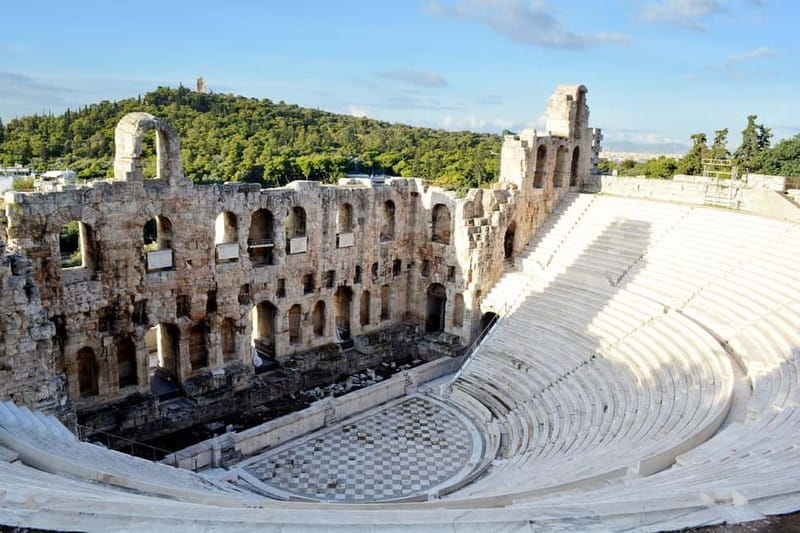
- Herodes Atticus Odeon, a venue still used for major concerts and performances
- Temple of Athena Nike to Parthenon timing, giving you a high-impact view over Athens
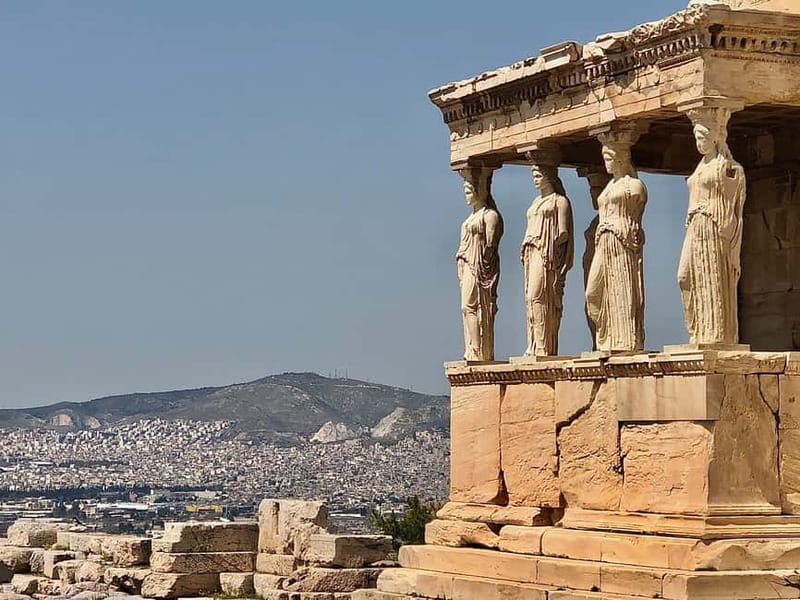
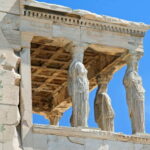
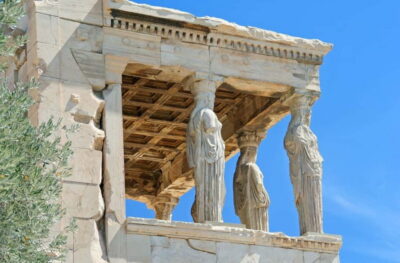
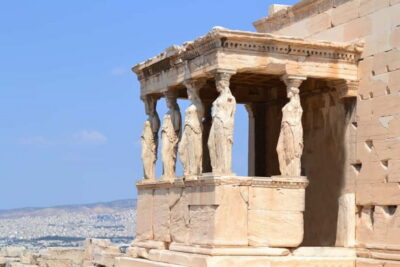
- Caryatids and Erechtheion, where small architectural details make the whole visit click
Two hours on the Acropolis, with your attention organized

The Acropolis can feel overwhelming on a self-guided visit. You see stones, you snap photos, then you realize you have no clear picture of what goes where. This tour solves that by moving through the main monuments in a logical order and explaining what you are looking at as you go.
You also benefit from Spanish live narration delivered through headphones. That matters because the Acropolis gets busy, and it is easy to miss the meaning of a temple or the reason a stage was built where it was. The guide’s job is to keep you connected to the story, not just the sights.
Timing is another big part of why this works. The walk is structured in short guided segments, roughly 5 to 20 minutes per highlight, so you do not drift off into map frustration. Plan to stay engaged and ask questions, because this is one of those tours where the guide can keep the conversation going.
One thing to note: the tour is not suited for mobility impairments. The ground is uneven, there are stairs and slopes, and you will be doing a full circuit on foot. If walking is limited, it is worth considering a different format.
More Athens tours and experiences for the shortlist



Price and what you really get for $36.14
This tour costs $36.14 per person, lasts about 2 hours, and is led by a Spanish live guide. The included items are a licensed guide and headphones, and the entrance ticket is included only if you choose that specific option.
That pricing can be a good deal for two reasons. First, you are paying for guided interpretation of a complex site, not just entry. Second, headphones are a practical add-on that makes the guide’s explanations easier to follow in the busiest areas.
If you prefer to handle tickets yourself, you can still book, but confirm whether the entrance ticket is included in your selected option. If you want one less thing to worry about on the day of your visit, choosing the entrance-ticket option is the simplest route.
The tour does not include hotel pickup or drop-off. That is typical for central Athens sights, and it also means you should plan to get yourself to the meeting point area on time. Food and drinks are also not included, so bring water if you are allowed to carry it where you will be (note that the tour states food and drinks are not allowed during the activity).
Meeting point reality: where you start and why it matters
Your start point can vary depending on the option you book. One listed start is the Tourist Information Center Athens at Dionysiou Areopagitou 18. The tour ends back at the meeting point, which is helpful if you are pairing this with other plans around central Athens.
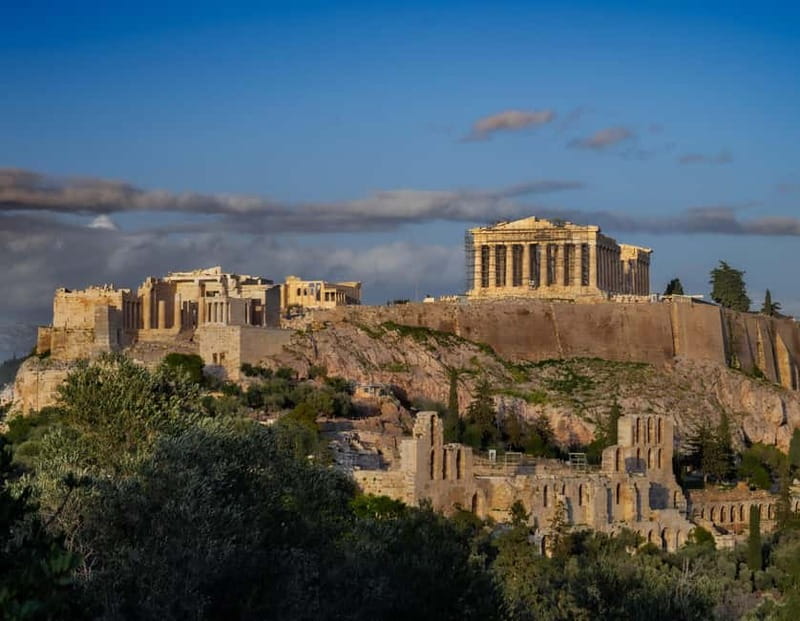
Why do I care about the exact start? Because the Acropolis sites are spread out on a hill. Starting in the wrong place can cost time just getting your bearings. When a tour begins at a clear meeting spot and then follows a route that climbs and turns in the right order, you spend your energy on monuments, not on shortcuts.
If you need help with tickets, you are encouraged to let the provider know. That is a nice safety net, especially if you are mixing tour entry with your own plans and want everything to line up.
The big practical tip is simple: comfortable shoes and a sun hat help a lot. Even in cooler months, the hill can feel exposed, and you will be standing and walking in open areas.
Theatre of Dionysus: the performance start that makes the Acropolis click
You begin with the Theatre of Dionysus, with a short guided stop (about 10 minutes). This is a smart opening because it connects the Acropolis to something you can feel immediately: stories performed in front of an audience.
The Theatre of Dionysus is tied to the birthplace of theatre, and that theme is not just trivia. When you learn how ancient Athenians staged drama and what the theatre represented, the rest of the hill stops feeling like random monuments. You see how civic life, religion, and public events all overlapped.
A drawback to expect here is that theatre sites can be visually subtle if you are focused only on big temple columns. The guide’s value is turning your attention to what is still there, and explaining why this location mattered for performances and community identity.
Asklepieion of Athens: ancient medicine on sacred ground
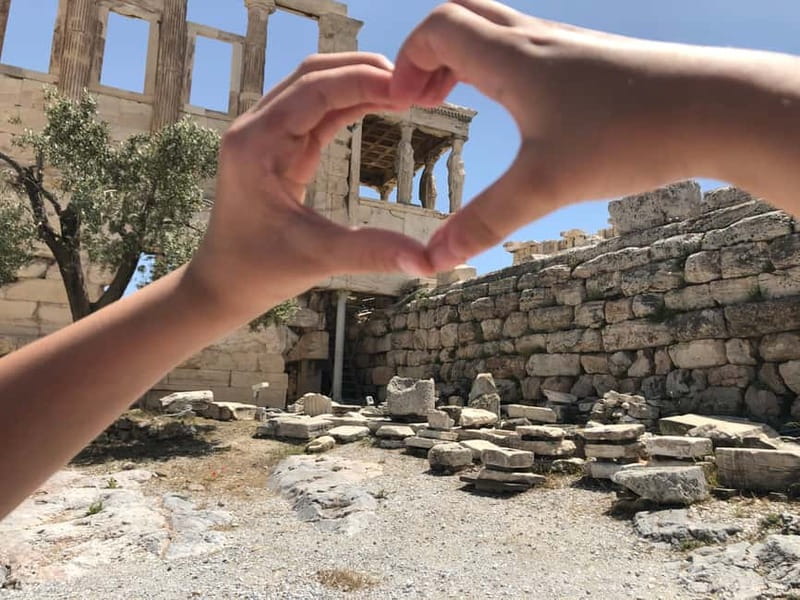
Next is the Asklepieion of Athens, again around a 10-minute guided segment. This stop is a standout because it shifts the focus from art and performance to health and healing.
You learn about ancient medicine at the temple dedicated to Asclepius, the god of medicine. That theme matters for first timers because many people picture the Acropolis as purely political or purely religious. Medicine adds another layer, showing how Athenians sought cures through sacred spaces, rituals, and community belief.
This stop also gives you a break in the architectural intensity. Instead of racing from one monumental facade to another, the guide helps you slow down and understand how the site worked as a place of healing. You might find yourself looking at remnants differently after this, not just as ruins but as parts of a function.
You can also read our reviews of more guided tours in Athens

Odeon of Herodes Atticus: where music still follows ancient lines
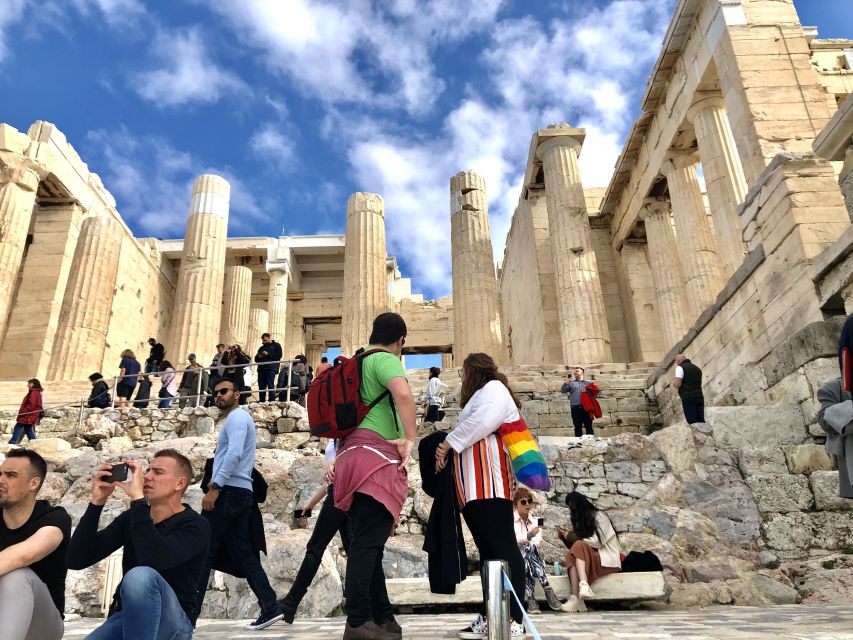
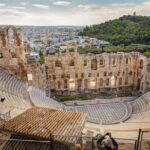
Then you move to the Odeon of Herodes Atticus, about 10 minutes of guided time. This venue is known for hosting performances even today, and that continuity can make the stones feel less distant.
The guide explains its role as a conservatory and performance space, and it is fascinating because you are watching the Acropolis do what it always did: supporting public gatherings. It is not frozen in time. The site still serves as a stage for culture.
One practical consideration: any performance-style theatre area can get crowded with people taking photos from similar angles. Headphones help you stay locked onto the story, so you do not have to compete with the view for your attention.
Propylaea to Athena Nike: the route that controls your perspective
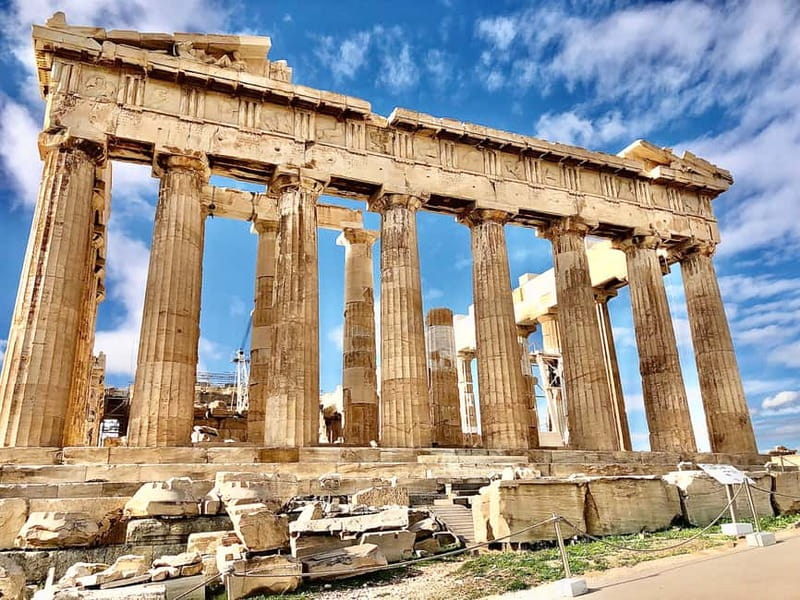
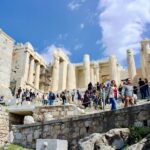
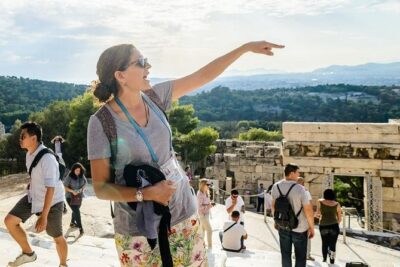
From the performance side, you work toward the Propylaea (the main gateway area), then continue on to the Temple of Athena Nike. These are short guided segments, around 10 minutes for Propylaea and about 5 minutes for Athena Nike.
Propylaea matters because it frames movement. It is the kind of architecture that tells you, move forward, and expect something monumental ahead. It helps you understand the Acropolis as a designed pathway, not just a collection of buildings.
Temple of Athena Nike is the kind of stop that can feel quick, but it sets up your next moment. You get a high-payoff viewpoint that leads directly into the Parthenon section. For many people, this is the first time the route makes its biggest promise: the hill opens out and Athens spreads below.
If you want a photo, try to coordinate with the guide’s timing. You will get more out of the view if you know what you are looking at, not just if you grab the fastest shot.
The Parthenon: where the view and meaning land together
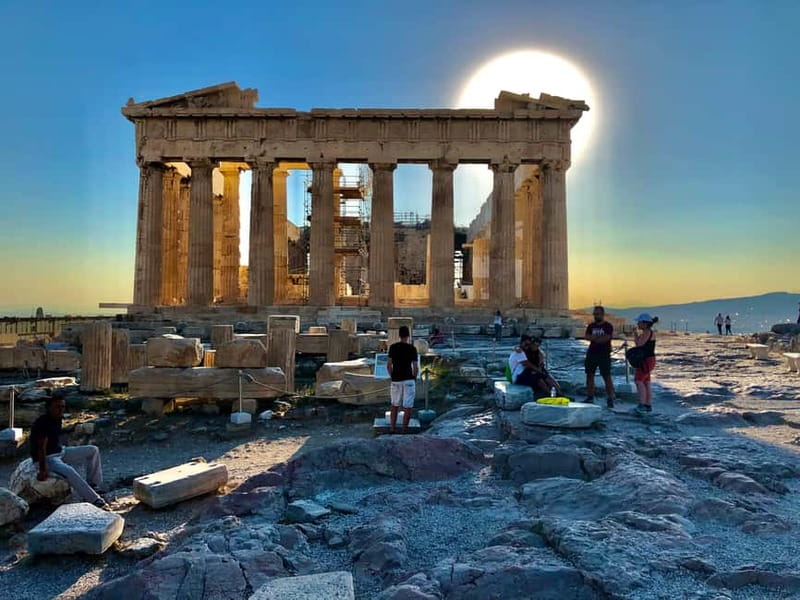
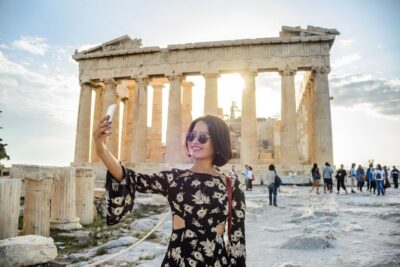
The high point is the Parthenon, with about 20 minutes guided time. This is the moment most people come for, but the tour’s advantage is how it makes the Parthenon more than an iconic photo.
You are guided through the interior and given historical context for why the complex became central to Athenian identity. That kind of explanation changes how you experience details, like how the monuments relate to one another and how the site functioned as more than a scenic backdrop.
Then there is the view. Standing at the right moment helps you understand why these buildings were placed where they were. You get a sense of dominance over the city, not because the stones are loud, but because the sightlines are real.
The only “watch out” is that 20 minutes can pass quickly if you are trying to do everything at once. I recommend you focus on listening first, then photo second, so the time investment pays off.
Erechtheion and the Porch of the Caryatids: details you can feel
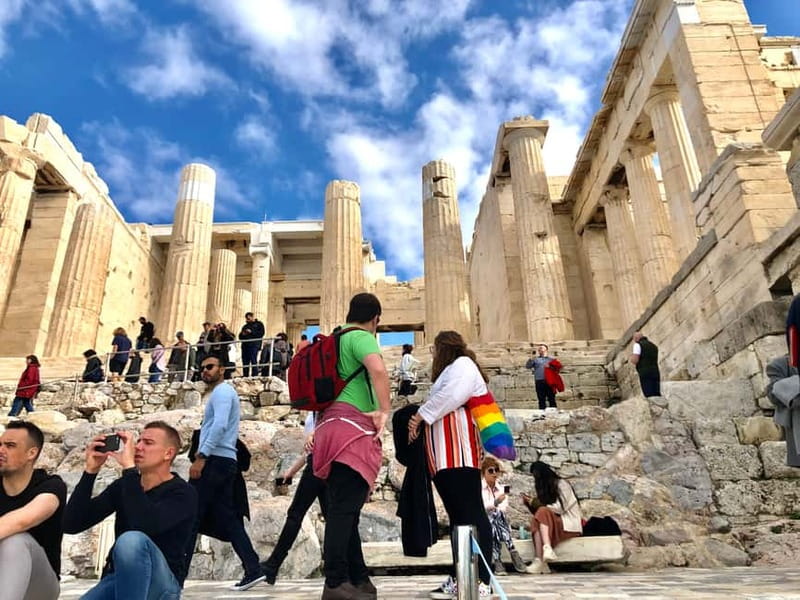
After the Parthenon, you continue to the Erechtheion (about 10 minutes) and then to the Porch of the Caryatids (about 10 minutes).
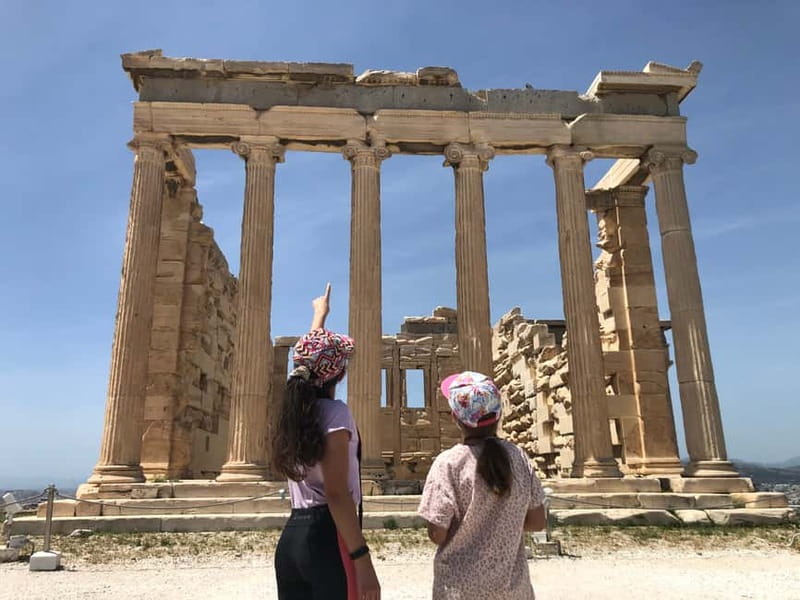
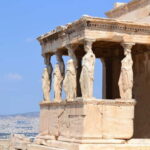
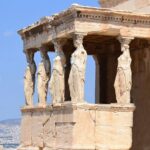
These stops are about craftsmanship and character. The Erechtheion is associated with multiple sacred stories, and the guide helps you connect the significance to what is still visible. Then the Porch of the Caryatids brings attention to sculpture and proportion, where figures become part of architecture.
This is the part of the tour where it is easiest to slow down. The guide’s pacing is still efficient, but you will likely feel a pull toward specific elements. Caryatids are hard to ignore once you notice how they function as supports and symbols at the same time.
If you only treat the Acropolis as a list of famous structures, you can miss this architectural personality. This route gives you a chance to notice it.
What I like about the guide-led approach, beyond the monuments
The biggest reason this tour tends to score high is simple: the guide does not treat the Acropolis like a checklist. The story is organized, the explanations are in Spanish, and the tour is paced so you can follow along without feeling lost.
I also like that the guide can share personal opinions and spark discussion on certain topics. That turns the experience from a monologue into a more human conversation. It is not required, but it often makes the learning stick, because you are not just memorizing facts.
With headphones, you also stay present. You are not constantly shifting your focus between the group and the ground. That helps on a site where the terrain can be uneven and where you might otherwise trip your attention over crowds.
Finally, the route covers both the dramatic and the practical sides of the Acropolis. You see theatre, medicine, performance culture, gateway architecture, and the main temples. That balance helps you understand the complex as a living civic and religious center.
Who should book this Acropolis Spanish tour
This tour is a strong fit if you want a guided walk in Spanish and you prefer a structured route over wandering. It is also ideal if you care about context, like how theatre and medicine connect to the hill’s identity.
I think it suits:
- People who want the essentials of the Acropolis without planning a multi-stop day
- Spanish speakers who would rather understand than skim
- First time visitors who want the Parthenon plus the less obvious stops like Asclepius and the Odeon
It may not be the best fit if:
- You have mobility limitations, because it is not suitable for that
- You get easily tired with standing and walking outdoors
- You need a lot of free time to wander without timing pressure
Practical tips before you go
Bring comfortable shoes because you will be walking and standing on a historic site. Add a sun hat since parts of the route are exposed. Also remember that baby strollers are not allowed and food and drinks are not allowed during the activity.
If you are sensitive to heat or you want photos at quieter moments, consider planning your visit based on the time of day offered when you check availability. The tour duration is about 2 hours, and the starting times depend on what is available.
Should you book this tour?
If you want the Acropolis story in Spanish and you are happy to walk a structured route for about 2 hours, I would book it. The value comes from combining a licensed guide, headphones, and a route that hits both the big names like the Parthenon and the meaningful side stops like the Asklepieion and the Odeon.
Skip it only if walking is difficult for you, or if you strongly prefer complete independence and more free time. Otherwise, this is the kind of tour that helps you leave with understanding, not just images.
FAQ
Is the Acropolis tour offered in Spanish?
Yes. The tour guide is live and the language is Spanish.
How long is the tour?
The duration is 2 hours. Starting times depend on availability.
Where does the tour start?
The meeting point may vary depending on the option booked. One listed starting location is the Tourist Information Center Athens at Dionysiou Areopagitou 18.
What is included in the price?
Included items are a licensed guide and headphones. An entrance ticket is included only if you choose that entrance-ticket option.
Does the tour include hotel pickup or drop-off?
No. Hotel pickup and drop-off are not included.
Are food and drinks allowed during the tour?
No. Food and drinks are not allowed.
Is the tour suitable for people with mobility impairments?
No. The activity is not suitable for people with mobility impairments.
More Tickets in Athens

More Tours in Athens


More Tour Reviews in Athens
- All Day Cruise -3 Islands to Agistri,Moni, Aegina with lunch and drinks included
★ 5.0 · 4,958 reviews



Not for you? Here's more nearby things to do in Athens we have reviewed







Athens Acropolis & Parthenon Tours, compared.
 ★ 4.4Acropolis & up to 5 Archaeological Sites Combo PassFrom $4812,619 reviews
 ★ 4.2Acropolis Ticket with Optional Audio or Live GuideFrom $4211,055 reviews
 ★ 4.8Acropolis, Parthenon & Acropolis Museum Guided TourFrom $409,316 reviews
 ★ 4.6Acropolis and Parthenon Guided Walking TourFrom $385,882 reviews
★ 4.8Acropolis, Parthenon & Acropolis Museum Guided TourFrom $413,579 reviews
★ 4.6Acropolis and Parthenon Guided Walking TourFrom $385,882 reviews
★ 4.8Acropolis, Parthenon & Acropolis Museum Guided TourFrom $413,579 reviews
 ★ 4.0Acropolis Ticket with Audio GuideFrom $473,575 reviews
 ★ 4.7Acropolis: Acropolis and Parthenon Guided Walking TourFrom $363,442 reviews
 ★ 5.0Acropolis monuments & Parthenon Walking Tour with Optional Acropolis MuseumFrom $422,678 reviews
Browse the lists this tour appears in