

Reviewed · ATHENS ACROPOLIS & PARTHENON TOURS
Acropolis Of Athens & Acropolis Museum Skip The Line Private Guided Tour
The Acropolis hits fast, and then keeps hitting. This private 4-hour tour pairs skip-the-line entry with a guide who helps you make sense of the Parthenon area and the Acropolis Museum right after. The big win for me is time, you see more and you do it without getting stuck in queue anxiety.
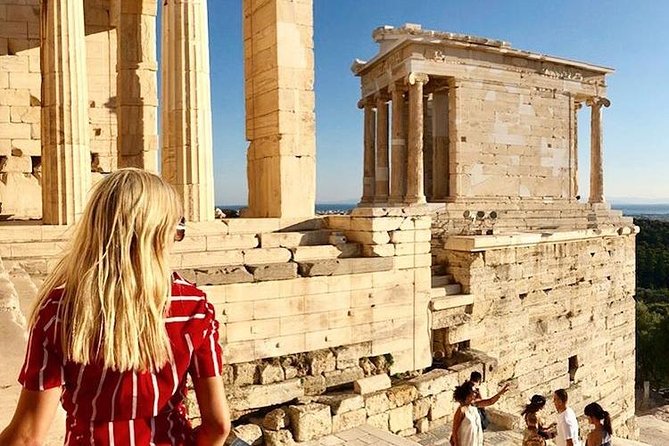
Two things I especially like: you get a planned walk that covers the main monuments (Propylaea, Parthenon, Erechtheion, Athena Nike, plus the theaters), and the museum visit is built to connect what you just walked past to what you see indoors. The one consideration is that it is uphill, there is a lot of walking, and the tour asks for moderate physical fitness.
Key things to know before you go
- Skip-the-line for both the Acropolis and the Acropolis Museum, so your morning does not disappear in lines
- A private guide for your group, which means pacing that fits kids, teens, or adults who want questions answered
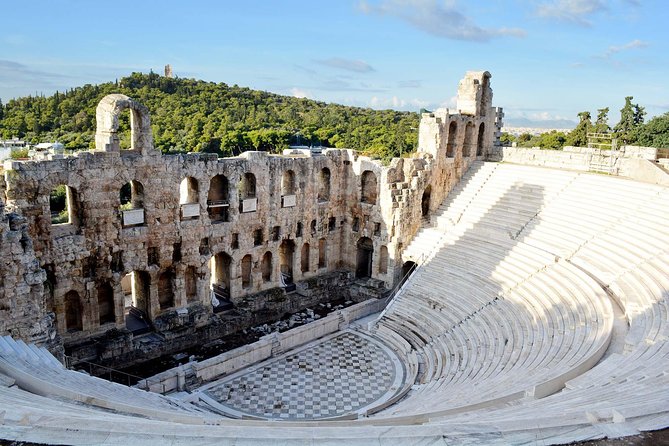
- A tight route across the monuments including Dionysus Theater, Herod Atticus Odeon, and multiple temple highlights
- Museum design that shows originals in natural light, plus excavations visible beneath glass walkways
- Two-hour museum time right after the walk, which makes the artifacts feel instantly connected to the hill
Acropolis Skip-the-Line and a Private Guide for Time-Starved Days

If you only have a half-day in Athens, the Acropolis can become either a knockout experience or a frustrating scramble. This tour is set up to make it the first one. You start at 9:00 am, you hit the hill while the light is often kinder, and you finish with the Acropolis Museum while the site is still fresh in your mind.
The practical magic is the combination: skip-the-line access at the Acropolis, then a guided museum visit with the right context. A private guide changes the rhythm. Instead of sprinting and hoping you understand, you can slow down, ask, and regroup when you want photos or a better view.
You should also know the tone is educational, but not stuffy. Guides in this program are repeatedly described as patient and able to adjust to families and mixed-age groups, including teenage kids. That matters, because the Acropolis can overwhelm people who want both story and breathing room.
You can also read our reviews of more guided tours in Athens


Getting In Fast: What Skip-the-Line Means at the Acropolis
Skip-the-line is one of those travel terms that sounds like marketing until you see how queues work at the Acropolis. Here, your goal is simple: spend your limited Athens time on monuments, not on waiting.
This tour includes admission tickets at both the Acropolis and the museum, which also reduces the mental workload. You bring your mobile ticket and show up ready. The meeting point is Dionysos Zonar’s Rovertou Galli, 43, Athina 117 42, Greece. Since the tour returns to the meeting point at the end, you are not trying to navigate a whole day’s worth of transfers after a climb.
One more small but real value point: when you avoid long waits, you are more likely to enjoy the experience without rushing. Several guides praised on this tour are described as giving people time to observe and take photos, and that matches what you want when you do not want to feel herded.
On the Sacred Rock: The Two-Hour Monument Walk
Your Acropolis portion is about 2 hours, and it is not a wandering stroll. It is a structured walk across key features on the sacred rock, with a field expert and a licensed tour guide.
Here is what you can expect, in the order you will likely experience it.
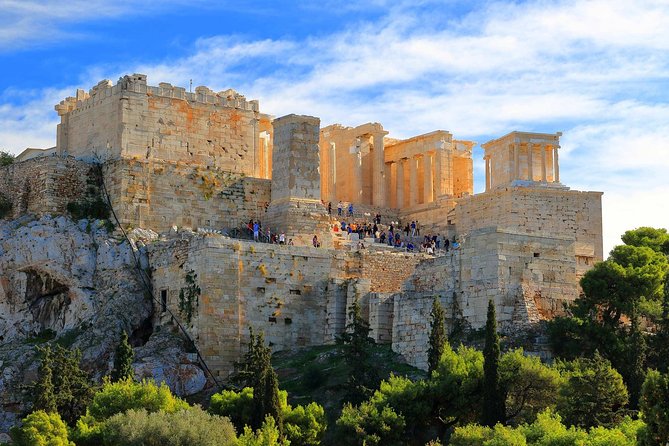
Propylaea, the Grand Entrance to the Acropolis
You start with Propylaea, the monumental gateway that sets the tone. Even if you only see parts of it, it helps you understand that the Acropolis was designed like a grand approach, not just a random hill of ruins. A guide will point out the big idea: these buildings were meant to impress visitors moving up toward the center.
Why it matters to you: Propylaea gives you a frame for everything after. You are not just looking at stone blocks, you are walking into an engineered space with meaning.
Parthenon, the Icon That Needs Translation
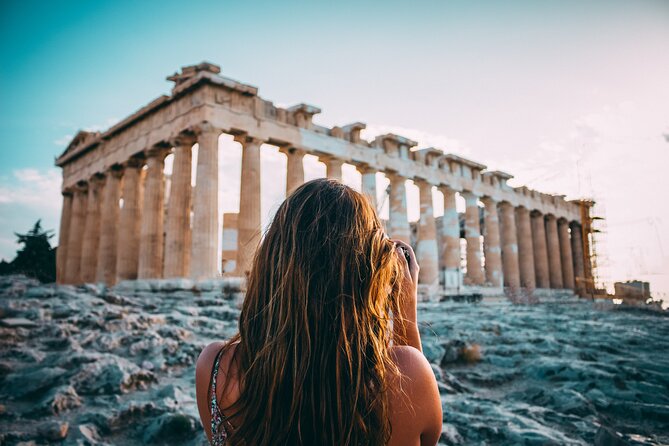
Next is the Parthenon. You will see why it is the star attraction, but the most useful part is the explanation around it. Your guide will break down what you are looking at and why the structure mattered in its time.
A drawback to consider: the Parthenon area is the most photo-friendly and the most crowded. Even with a private tour, people will be around. The fix is the guide’s pacing and timing, plus choosing your viewing angles instead of chasing the first best spot.
You can also read our reviews of more private tours in Athens




Dionysus Theater, Where Drama and Power Meet
Then you head toward the Dionysus Theater. This is where the Acropolis stops being only religious and becomes civic. A guide will connect it to theater and public life, which makes the ruins feel less like an open-air museum and more like a place where Greeks gathered, argued, and performed.
If your group enjoys stories about daily life and politics, this stop often lands well. It also helps to see how people used space on hillsides long before modern stadiums.
Herod Atticus Odeon, the Long-Lasting Idea of an Amphitheater
Herod Atticus Odeon is next, another theater setting, with its own presence. You will get the sense that the city kept reusing and reinterpreting performance spaces over centuries.
Practical tip: bring your eyes, not just your camera. The shape of the seating and the way sightlines work make more sense when someone points out how the design would have guided audiences.
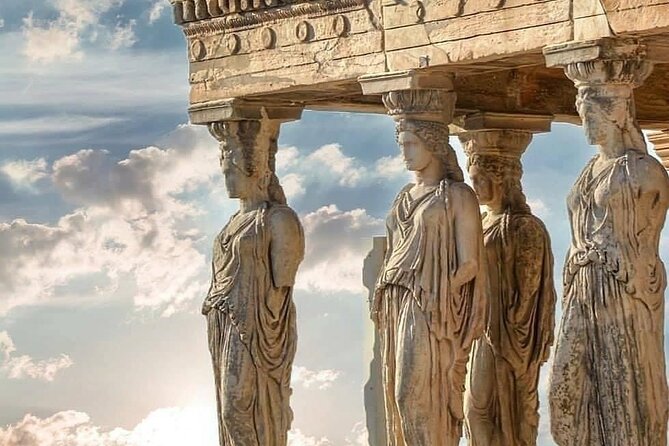
Erechtheion, Where Myth Shows Up in Architecture
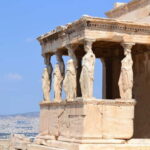
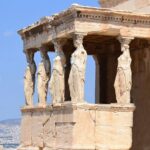
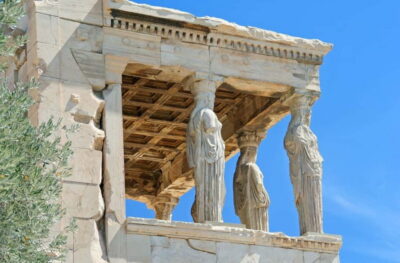
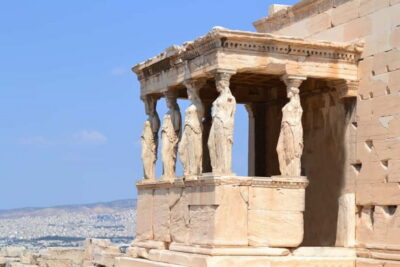
You will also reach Erechtheion. This is one of those monuments that can feel confusing if you are not guided, because it is not just one simple temple form. With the right explanation, you start noticing what makes it different and why it is tied to myth and sacred associations.
Why it matters to you: Erechtheion is a bridge stop, it helps your brain connect religion, stories, and the physical layout of the hill.
Athena Nike, Small Structure, Big Meaning
You finish with Athena Nike. This can be easy to overlook if you only focus on the most famous structures, but it is a smart closing stop. It reinforces the point that the Acropolis was full of smaller monuments with specific symbolism, not only one mega-building.
If you like the idea of mapping meanings onto visible stone, this part pays off.
The Acropolis Museum After the Climb: Originals, Natural Light, and Glass Floors
After the walk, you shift to the Acropolis Museum, and this is where the day can click into place. The museum visit is also about 2 hours with skip-the-line service and admission included.
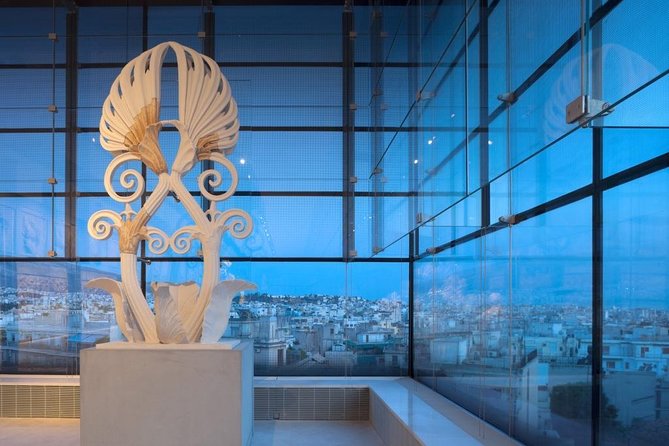
The museum is known for a display approach that uses natural light to present original surviving masterpieces from the temples of the Acropolis. You are not just seeing replicas. You are seeing artifacts that help you understand details you might have missed up on the hill.
The building design is credited to Swiss architect Bernard Tschumi and Greek architect Michalis Photiadis. That design matters because it supports the museum’s concept: make connections between what came from the Acropolis and how you experience it today.
Under-Glass Excavations That Explain the Site
One of the most useful features is the visibility of excavations under glass floors and walkways. You get a behind-the-scenes feel for layers of history, without needing to imagine what is buried.
Why this is valuable: after walking among ruins, seeing the layers beneath your feet makes the whole site feel more complete. It also helps you understand that the Acropolis was not built once, then left alone. It kept changing.
Bathrooms and Breaks, Without Losing the Thread
This tour also tends to include helpful guidance that keeps the day comfortable, including information that can help you find facilities efficiently. That is not glamorous, but when you are spending hours in the heat and walking, it makes a real difference.
Pacing, Walking, and What to Bring (So You Enjoy It, Not Survive It)
The tour is about 4 hours total, and it is marked as requiring moderate physical fitness. That is not code for danger, it is simply a heads-up: you are walking on uneven paths and managing the uphill terrain of the Acropolis.
From the experience style, you can also expect frequent stops for explanations and photo pauses. The guides are described as attentive to pacing, and that is ideal for families and groups that want to ask questions rather than just move.
Here is how to set yourself up for a smoother day:
- Wear comfortable shoes with grip. Stone can be slippery if damp.
- Bring water. A long hill plus sun is a setup for dehydration, even on a good day.
- If you are sensitive to heat, try to use the morning timing as intended. One practical piece of advice that matches how this tour is run is to do the hill first, then use the museum’s indoor cooling to regroup.
Price and Value: Is $366.44 Per Person Worth It?
At $366.44 per person, this is not the cheapest way to see Athens. The real question is what you are buying for that money.
You are paying for:
- Skip-the-line access at two major attractions
- Private guiding that helps you interpret what you are seeing instead of guessing
- Admission tickets included for both the Acropolis and the museum
- A structure that covers major monument highlights in a half-day window
If you compare the alternatives, this starts to make sense quickly. Going independently means you pay for tickets, then spend time figuring out the site layout, and you might miss the most meaningful connections between monuments. Joining a basic group tour can reduce cost, but it also often reduces your pacing and question time, especially for families.
This price tends to be most worth it when:
- You want a high-quality, guided introduction rather than a rushed self-guided walk
- Your group includes kids or teens who will engage better with stories and photo stops
- You care about seeing originals at the museum, not just looking at buildings from outside
If you are the type who loves walking with a phone map and you are fine figuring monuments out on your own, you might prefer a cheaper plan. But if you want fewer lines, better context, and a guide who helps you see the meaning in the stone, the cost feels more reasonable.
Who Should Book This Tour, and Who Might Prefer Something Else
This tour fits best if you want:
- A private experience with only your group
- A guided path through the big Acropolis monuments and then the museum
- Smart use of time, especially if you have a short Athens stay
It may feel like a lot if:
- You hate walking uphill
- You want a fully unstructured day with minimal explanations
For families, it often works well because guides in this program are described as excellent with kids, including teenagers. For history fans, it works because you are not only seeing icons, you are getting context that connects temples, theaters, and myth.
Should You Book This Acropolis and Acropolis Museum Private Tour?
My take: book it if you want the Acropolis to make sense fast. The skip-the-line plus private guide combo is the difference between viewing ruins and understanding a living story that shaped Athens.
I would especially recommend it if your schedule is tight or if your group gets grumpy when lines steal time. The museum pairing is also a smart move. Seeing the Acropolis first, then walking through the museum afterward, helps you connect artifacts and meanings while the hill is still in your head.
If you are traveling with very limited mobility or you know you struggle with uphill walking, you might need a different plan. But for most people with moderate physical fitness, this is one of the most efficient and satisfying ways to do the Acropolis in a single morning plus early afternoon.
FAQ
What time does the tour start?
The tour starts at 9:00 am.
Where does the tour meet and where does it end?
The meeting point is Dionysos Zonar’s Rovertou Galli 43, Athina 117 42, Greece. The tour ends back at the meeting point.
Is admission included for the Acropolis and the museum?
Yes, admission tickets are included for both the Acropolis and the Acropolis Museum.
How long is the tour?
It is approximately 4 hours total, with about 2 hours at the Acropolis and about 2 hours at the museum.
Is this a private tour or a shared group?
This is a private tour. Only your group will participate.
Is the tour cancellable and what happens with weather?
You can cancel for a full refund if you cancel up to 24 hours in advance. The experience requires good weather, and if it is canceled due to poor weather, you will be offered a different date or a full refund.
More Guided Tours in Athens

More Tours in Athens


More Tour Reviews in Athens
- All Day Cruise -3 Islands to Agistri,Moni, Aegina with lunch and drinks included
★ 5.0 · 4,958 reviews



Not for you? Here's more nearby things to do in Athens we have reviewed









Athens Acropolis & Parthenon Tours, compared.
 ★ 4.4Acropolis & up to 5 Archaeological Sites Combo PassFrom $4812,619 reviews
 ★ 4.2Acropolis Ticket with Optional Audio or Live GuideFrom $4211,055 reviews
 ★ 4.8Acropolis, Parthenon & Acropolis Museum Guided TourFrom $409,316 reviews
 ★ 4.6Acropolis and Parthenon Guided Walking TourFrom $385,882 reviews
★ 4.8Acropolis, Parthenon & Acropolis Museum Guided TourFrom $413,579 reviews
★ 4.6Acropolis and Parthenon Guided Walking TourFrom $385,882 reviews
★ 4.8Acropolis, Parthenon & Acropolis Museum Guided TourFrom $413,579 reviews
 ★ 4.0Acropolis Ticket with Audio GuideFrom $473,575 reviews
 ★ 4.7Acropolis: Acropolis and Parthenon Guided Walking TourFrom $363,442 reviews
 ★ 5.0Acropolis monuments & Parthenon Walking Tour with Optional Acropolis MuseumFrom $422,678 reviews
Browse the lists this tour appears in