
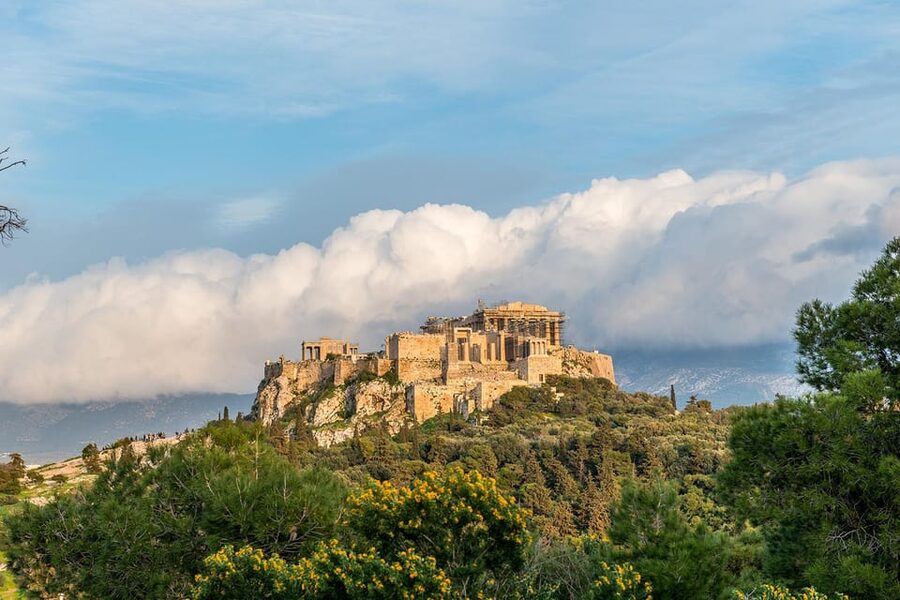
Reviewed · ATHENS ACROPOLIS & PARTHENON TOURS
Acropolis & Agora: The Rise & Fall of Democracy
Democracy has layers, and Athens shows them. This Acropolis and Ancient Agora guided walk is interesting because it turns big political ideas into real stone and real streets. I especially liked the politics-first guide style and how the story centers on the Ancient Agora, not just the Parthenon. One heads-up, though: it is a walking tour on uneven ground, so comfortable shoes and a steady pace matter.
I also like that the tour runs as a small group with a live guide, and the bilingual delivery feels practical, not academic. From Maria to Nathalia to Anastasia to Helena, the common thread is clear teaching plus time for questions and photos, plus small comfort breaks like pauses in the shade. If you want Athens in selfie mode only, this may feel too talky, in the best way, but it is still a guided experience.
Key things I found most useful
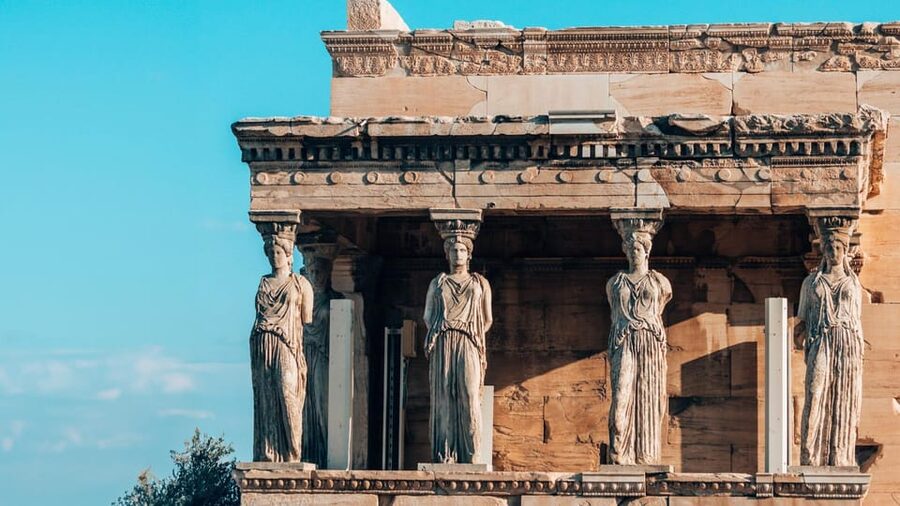
- Acropolis as messaging, not just monuments: you get the why behind the big view.
- Ancient Agora as the birth setting for political life, commerce, and administration.
- Democracy as people-power, with a question mark: who counted as “the people” and what power they actually held.
- A clear ancient vs modern comparison, framed around what still works and what breaks down.
- Photo time and shade breaks built in, so you can keep enjoying it, not just surviving it.
Entering Athens With Democracy in Mind

Most Athens tours tell you what you are looking at. This one asks why those places mattered, and that changes the whole feel of the day. You start by framing Athenian democracy as an experiment that tried something new, then you follow the story to how that experiment strained and ultimately failed.
The big concept is that the Greek word demokratia literally points to people-power. But the tour pushes the annoying and important follow-up question: who were the people, and what power did they truly hold? That question keeps coming back as you move through the Acropolis and then into the Agora.
Even if you only remember one idea, remember this: the ancient system was not automatically fair, stable, or built to last. It was radical for its time, and the tour treats it like a living political setup that had goals, rules, and limits.
You can also read our reviews of more tours and experiences in Athens.


The Acropolis: Where Power Gets Built in Stone
The Acropolis section is where you feel the political theater. You visit the Acropolis of Athens with a guided approach that ties architecture and placement to how ancient Athenians presented themselves. The tour describes the Acropolis as a monument tied to political messaging, which helps you stop thinking of it as only a postcard viewpoint.
A few stops on the hill stand out because they each give you a different angle on civic identity. The Propylaea, for example, matters because it frames how people entered and moved into a sacred and political space. When you notice the layout and the transitions, you start to understand the Acropolis as a carefully staged experience.
Then you get into temples and sanctuaries that were not just religious. They were statements. The Temple of Athena Nike is especially useful for this, since it reinforces the Athenians linking civic pride, victory, and identity to the city’s core ideals.
Odeon of Herodes Atticus, and the Idea of Public Life
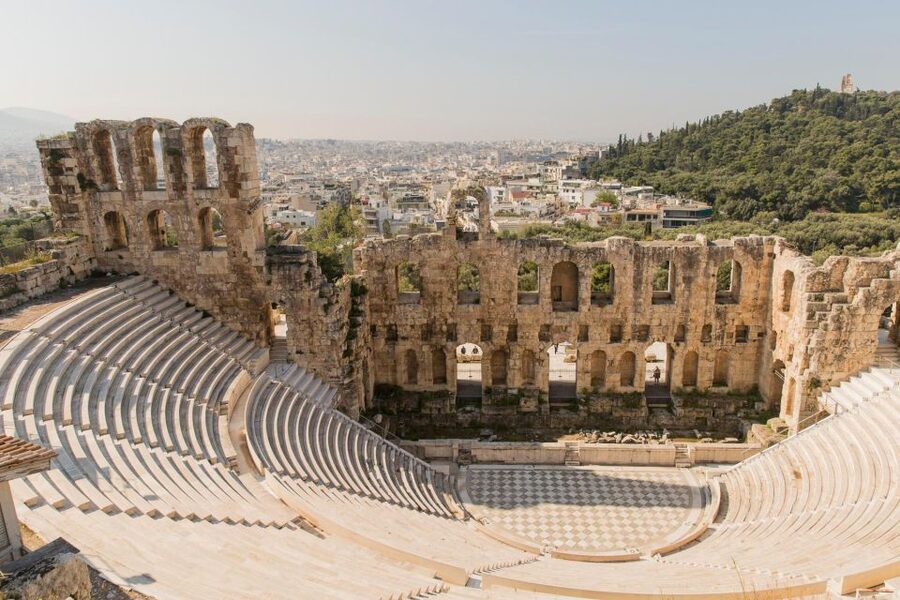
Right after the main Acropolis introduction, the tour includes the Odeon of Herodes Atticus. This small add-on makes the day richer because it reminds you Athens was not only law and debate. It was performances, crowds, and public gathering spaces.
Even with only a short guided stop, you start to see how culture and politics share a stage. The tour uses this kind of moment to connect everyday civic life to the bigger democratic story. You are not just seeing monuments, you are learning how a city actually functioned.
This is one of those segments that works well if you like your history with context. It is also a good breathing moment before you jump into the heaviest icon, the Parthenon.
Propylaea, Erechtheion, and Athena Nike, Little Stops With Big Meaning
The guided time at Propylaea is short, but it is a smart use of minutes. It helps you get your bearings fast, so you do not just stare at stone without a map in your head. The early orientation also makes the later temple stops feel connected, not random.
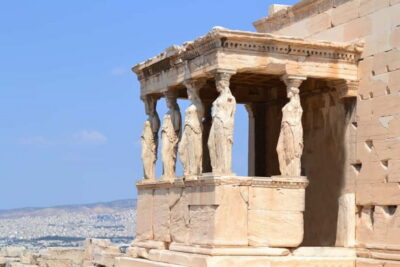
The Erechtheion is interesting because it shows how layered the Acropolis experience was. The tour treatment leans into the idea that places on the hill carried meaning beyond their surface look. You get a better sense of how sacred space and civic pride blended.
Temple of Athena Nike is another quick but effective lesson. It helps you interpret the Acropolis not only as ancient art, but as messaging about values. The guide also tends to tie these stops back to democracy, which is the reason this tour is called Acropolis and Agora rather than only Acropolis.
Parthenon Time: More Than the Best Photo Spot
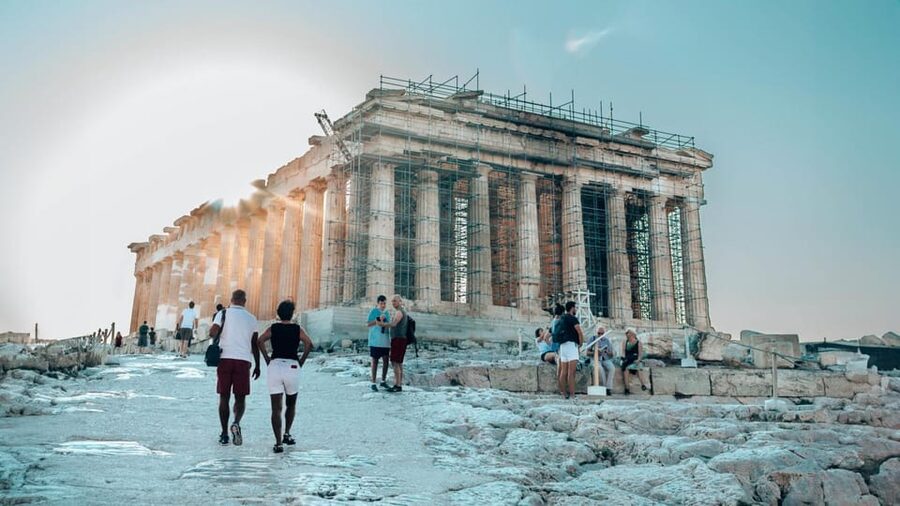
The Parthenon gets the longest time on the Acropolis side, which makes sense. But what I like is that you do not stand there hoping someone points out something new. The guide focuses on what the building communicated and why that mattered to Athenians.
You will get context that makes the Parthenon feel less like an isolated masterpiece and more like part of an argument about the city. That is key if you already know the quick basics and you want the deeper meaning of why Athenians put their money, effort, and identity into these structures.
Practical note: plan for sun and wind. You will be on an open hill for much of this section, so bring what you normally bring for bright Mediterranean afternoons.
- All Day Cruise -3 Islands to Agistri,Moni, Aegina with lunch and drinks included
★ 5.0 · 4,958 reviews


The Descent to the Agora: Where Democracy Became Daily Life
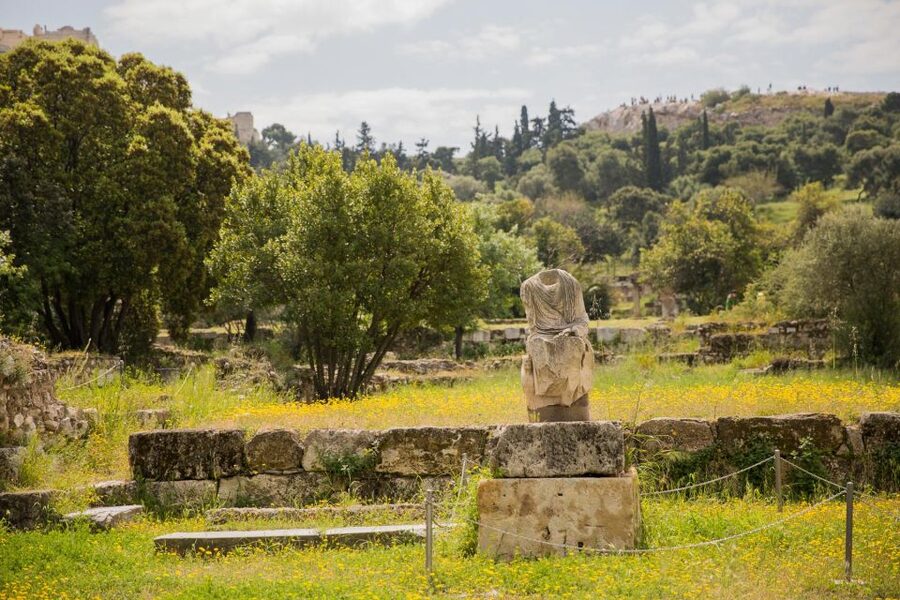
Then you leave the hill and go to the Ancient Agora of Athens, the heart of ancient Athens’ political, commercial, and administrative life. This is where the tour’s title stops sounding like a clever marketing line and starts sounding like a real lesson.
In the Agora, the story becomes more grounded. You move from a monument and viewing platform mindset into a daily-life mindset. It is easier to imagine how public decisions were discussed, how civic life operated, and how rules shaped everyday movement through the city.
What I found especially helpful here is how the guide connects the Agora’s role to the birth of democracy. You hear about how people-power was set up, what purposes it served, and why it was radical at the time.
Temple of Hephaestus, and a Strong Finish in the Agora Area
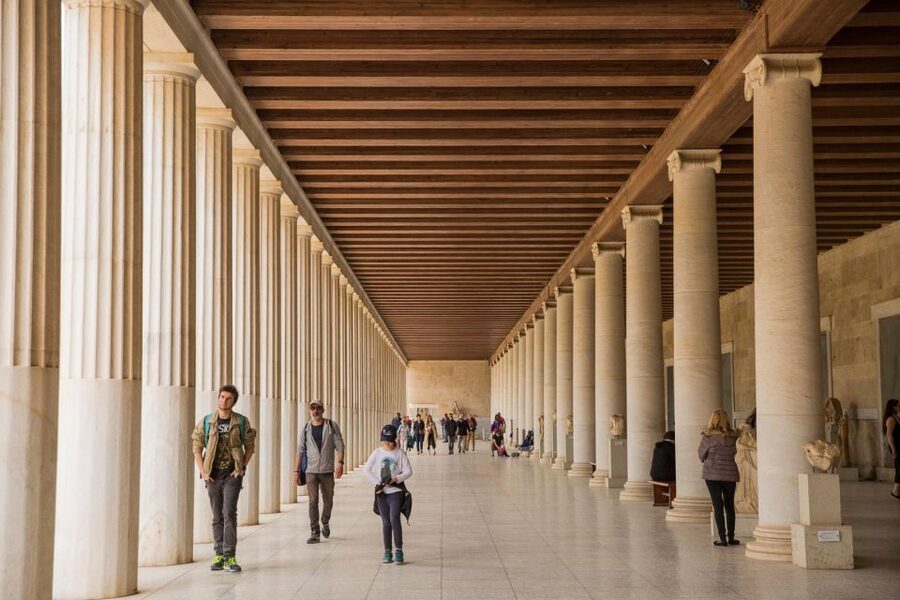
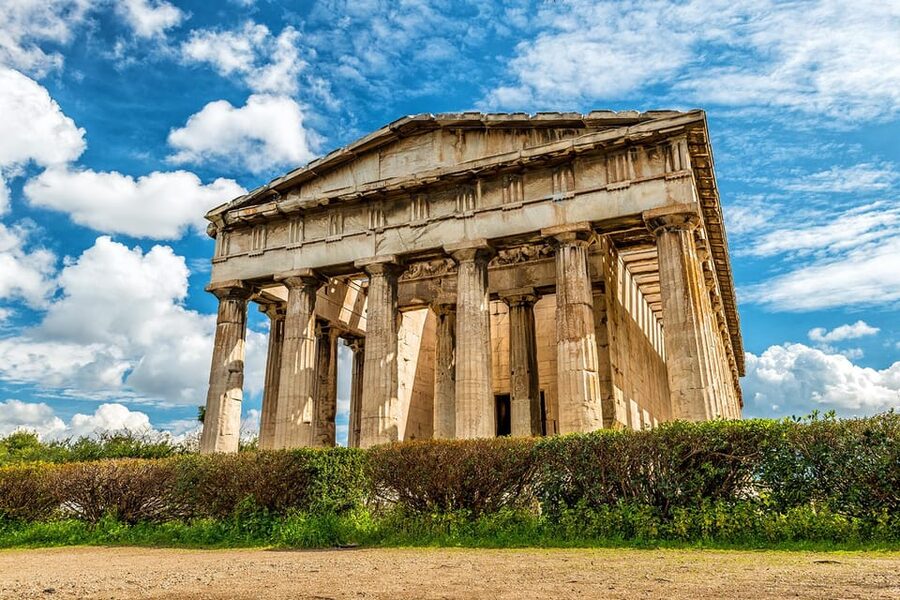
After the core Agora exploration, the tour includes time at the Temple of Hephaestus. This stop is useful because it reinforces the Agora’s identity as a civic hub, not only an open area with ruins.
Hephaestus also works as a visual anchor. After the politics and the big concepts, you get something you can take your time with, and you get a better sense of how these sacred spaces fit into the public sphere.
The tour finishes at the Ancient Agora, so if you like to keep walking after the guide wraps up, you are already placed in a logical spot for more wandering and map-based exploring.
The Big Thought: Why Democracy Was an Experiment, and Why It Failed

The tour does not treat democracy like a straight line to modern voting. It frames Athenian democracy as an experiment, something built under real pressures and real constraints.
The key theme you should listen for is that democratia was not a simple promise of fairness. It was people-power, and the tour highlights the ambiguity in that word. Who counted as the people, and what power did they actually have?
That focus matters because it sets you up to understand why the system faced limits. The guide also discusses why democracy was considered radical and later why it was not an easy system to sustain.
If you enjoy political theory but hate dry lectures, this is a good way to learn. It uses the sites as proof of concept rather than treating politics as a set of abstract definitions.
Ancient vs Contemporary Democracy: Similar Shapes, Different Realities
One of the best parts of the tour is the explicit comparison between ancient and modern democracy. You get prompts that ask what structural elements still help society, and what elements often end up failing.
This section is valuable because it turns your visit into something you can carry home. Instead of only learning what Athens did, you also learn what kinds of systems need safeguards, clarity about who is represented, and stability in how decisions are made.
The guide keeps it practical. You are not asked to memorize a chart. You are encouraged to think about how power flows, how participation works, and what happens when a political experiment meets human behavior under stress.
Price and Value: Is $69 a Good Deal for 3 Hours?
At $69 per person for a 3-hour small-group tour, this is priced in a way that usually makes sense for Athens, where you are paying for a certified guide plus major site access. If you select the option that includes Acropolis and Ancient Agora entry tickets, you are also covering a big chunk of the usual cost that people often forget until checkout.
Even if you already plan to buy tickets yourself, paying for a guide here can still be good value because the tour is not only about access. It is about interpretation: what the spaces meant for democracy and civic identity, and how that story evolves from hilltop propaganda down into the Agora’s public life.
Also, you receive an Ancient Athens fun city map. It is not a life-changing artifact, but it helps you extend your day after the tour ends, especially if you want to keep exploring near the Agora.
You do not want this if you like silent travel. But if you want a guided lens that makes the Parthenon and the Agora feel like one connected story, $69 for 3 hours can feel fair.
Comfort and Practical Tips for a Smooth Walk
This tour is built around walking, and the sites are on ancient surfaces. You will get the most out of it if you come ready for that reality.
Here is what I would prioritize:
- Bring comfortable shoes that can handle uneven ground.
- Wear comfortable clothes for sun and breeze.
- Expect a steady walking pace, even with short guided stops.
There are also clear rules that affect convenience. Strollers, pets, and backpacks are not allowed, and big bags can be an issue. If you are traveling with a small child or you use a mobility aid, you should double-check suitability before booking, because the tour is not set up for children under 8, wheelchair users, or visually impaired people.
Good news: the guides in this program have a track record of adjusting the experience for comfort, including pauses in the shade and time to sit. That matters on a hill and in bright open spaces.
Who This Tour Fits Best
This experience is a strong match for you if you want Athens to feel like more than ruins and views. I think it is ideal for history-minded travelers who like ideas explained through real place, especially if you care about politics and civic life.
It is also a good option if you want a guided day but still need room for your own pace. The guide style described in the experience leans into pedagogy, answering questions, and giving time for photos.
If you are traveling with young kids under 8, if mobility or vision needs are part of your plan, or if you want a purely self-guided visit, you may find the structure limiting.
FAQ
How long is the Acropolis and Ancient Agora democracy tour?
It lasts 3 hours.
Where does the tour start?
The meeting point may vary depending on the option booked.
Is this a small-group tour?
Yes, it is described as a walking small group tour.
What languages is the guide available in?
The live guide speaks French and English.
Are entry tickets included in the price?
Acropolis and Ancient Agora entry tickets are included if you choose the option that includes them. Entrance fees are not included by default unless that option is selected.
Does the tour provide anything besides the guide?
You get a certified guide and an Ancient Athens fun city map.
Is it appropriate for children?
It is not suitable for children under 8 years.
Can I bring a stroller, pets, or a backpack?
No strollers are allowed. Pets are not allowed. Backpacks are not allowed.
Is it good for wheelchair users or people with visual impairments?
It is not suitable for wheelchair users or visually impaired people.
Should You Book This Tour?
Book it if you want the Acropolis and the Ancient Agora to make political sense, not just aesthetic sense. The guides, from Maria to Nathalia to Anastasia to Helena, are built around teaching with questions, comfort pauses, and time to take pictures, so you get both story and atmosphere.
Skip it if you want a mostly silent, self-paced walk, or if your needs do not match the tour limits, like very young kids, wheelchair use, or visual impairment. If you are comfortable walking and you like thinking about democracy as something messy and human, this is one of the more meaningful ways to spend half a day in Athens.
More Tour Reviews in Athens
- All Day Cruise -3 Islands to Agistri,Moni, Aegina with lunch and drinks included
★ 5.0 · 4,958 reviews
Not for you? Here's more nearby things to do in Athens we have reviewed









Athens Acropolis & Parthenon Tours, compared.
 ★ 4.4Acropolis & up to 5 Archaeological Sites Combo PassFrom $4812,619 reviews
 ★ 4.2Acropolis Ticket with Optional Audio or Live GuideFrom $4211,055 reviews
 ★ 4.8Acropolis, Parthenon & Acropolis Museum Guided TourFrom $409,316 reviews
 ★ 4.6Acropolis and Parthenon Guided Walking TourFrom $385,882 reviews
★ 4.8Acropolis, Parthenon & Acropolis Museum Guided TourFrom $413,579 reviews
★ 4.6Acropolis and Parthenon Guided Walking TourFrom $385,882 reviews
★ 4.8Acropolis, Parthenon & Acropolis Museum Guided TourFrom $413,579 reviews
 ★ 4.0Acropolis Ticket with Audio GuideFrom $473,575 reviews
 ★ 4.7Acropolis: Acropolis and Parthenon Guided Walking TourFrom $363,442 reviews
 ★ 5.0Acropolis monuments & Parthenon Walking Tour with Optional Acropolis MuseumFrom $422,678 reviews
Browse the lists this tour appears in