
Reviewed · WORKSHOPS
Greek dance lessons
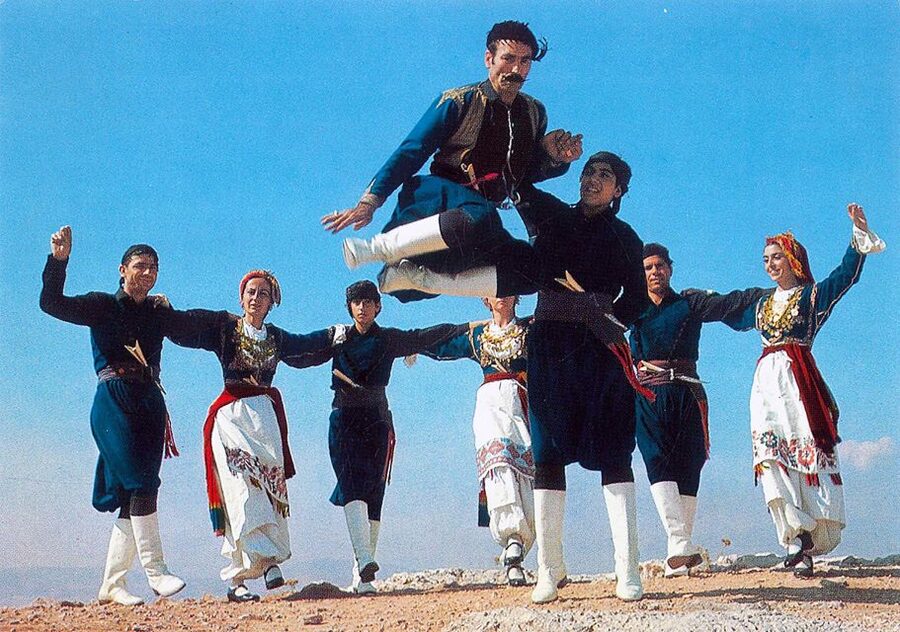
Dance steps, plus history, right in Plaka. This 1.5-hour Greek dance lesson is a fun way to get your body moving while picking up real context about how Greeks see dance as more than entertainment. I like that the instruction is beginner-friendly and easy, and I also like how you learn well-known dances from the islands and mainland in one session.
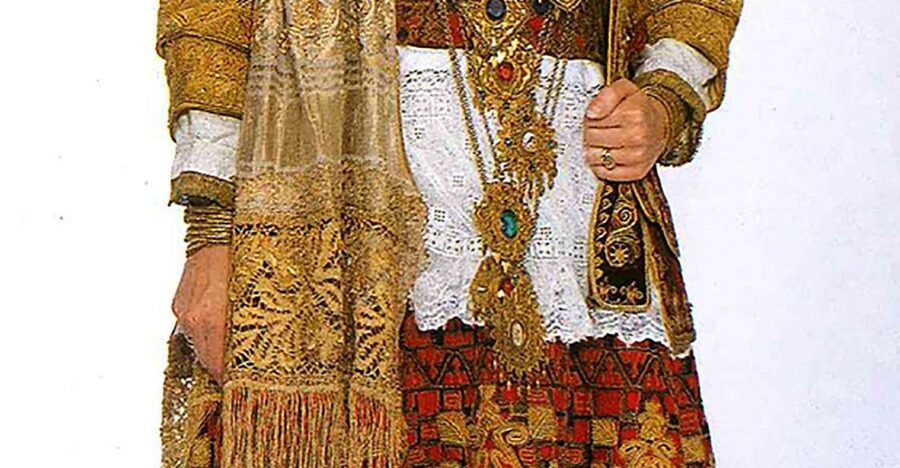
You start near the Acropolis Metro Station and walk through Plaka’s old alleys before reaching the lesson space, a preserved multi-floor building tied to George Finlay, a British historian of the Greek revolution. From there, an experienced teacher guides you through folk steps, then brings in the visual side of the tradition with costumes and special jewels.
One consideration: wheelchair access looks a bit conflicted on the activity info, since it’s listed as wheelchair accessible but also marked not suitable for wheelchair users. If mobility is a factor, I’d confirm directly before you book.
Key things to know before you go
- Beginner-friendly format that helps you learn dances without needing prior experience
- A strong “many dances, short time” payoff in just 1.5 hours
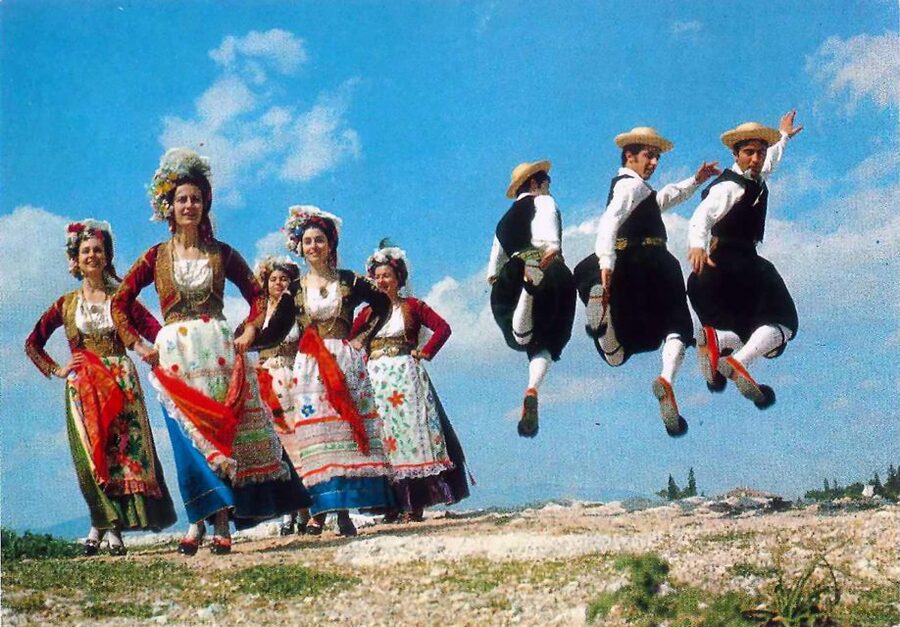
- Regional culture lessons tied to the islands of the Aegean and Ionian seas and the mainland
- Costumes and jewels are part of the lesson, with general clothing info
- Professional, upbeat teaching vibe, based on multiple high ratings
From Acropolis Metro to George Finlay’s four-floor building in Plaka
The experience starts with a simple, walkable approach that feels like part of the tour. You meet at an office located very close to the Acropolis Metro Station, about a 3-minute walk away, in an 18th century building. Then you head into Plaka, walking through picturesque old-town alleys to reach the lesson site.
What I like about this setup is that you do not just arrive, change into dance mode, and leave. You get a quick taste of Athens’ old heart first. Plaka’s winding lanes help you shift from “I’m sightseeing” to “I’m participating,” which matters for any activity that asks you to use your feet and focus your attention.
The lesson takes place in the property of George Finlay, a British historian of the Greek revolution, in a well preserved four-floor building with a flowery yard. You are not getting a classroom-only vibe. You are stepping into a space that is connected to Athens’ layered story, which makes the cultural parts of the lesson feel more grounded.
One practical note: expect to do that short walk through Plaka before dancing. If you’re arriving from a long day of walking, wear comfortable footwear and pace yourself. It will make the first minutes of the lesson feel lighter, not rushed.
More Athens tours and experiences for the shortlist



Why Greek dance is treated like culture, not just steps
Greek dancing has a built-in meaning that the lesson frames clearly. Ancient Greeks believed dance was created by the gods, and that is why it was connected to cult and religious events. That idea turns dance into something with purpose, not something done only for show.
In the lesson, you connect that belief to how Greeks use dance in daily life and celebrations. You learn that dance expresses feelings, marks moments like welcoming different seasons, and plays a role in social gatherings. When you hear that, the steps start to feel less like memorization and more like a language.
This is also where the regional element matters. Greek folk dances vary by area, and costumes do too. When you learn dances tied to the Aegean and Ionian islands and the mainland, you start to see the country as connected but distinct. The point is not to memorize facts. The point is to understand why people dance the way they do, and how the look of traditional clothing supports that meaning.
I also appreciate that the cultural framing does not slow the lesson down into a lecture. It stays practical. You are learning in an easy and fun way, while the background helps you dance with a little more intention.
1.5 hours of folk dances plus costumes and jewels
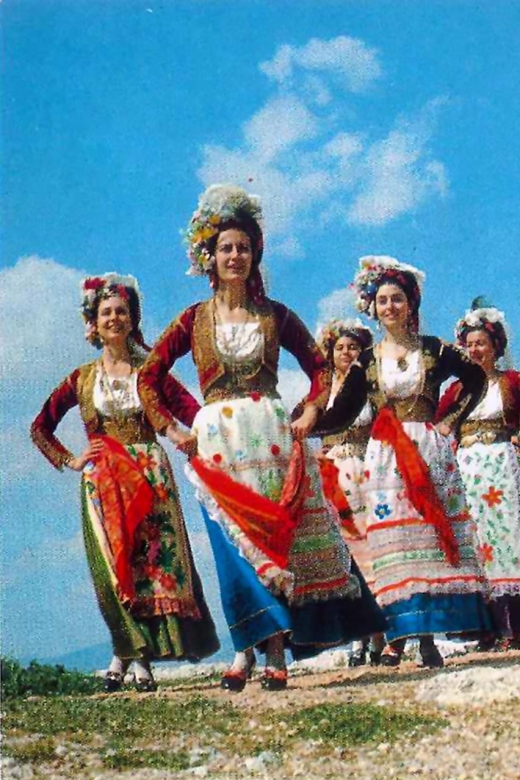
The core of the experience is your time with the teacher, and it is built around hands-on learning. You get a 1.5-hour session with an experienced dance teacher who introduces you to Greek folk and traditional dances. The focus is on learning the movements in a way that works for beginners, not a “watch first, struggle later” approach.
A major value here is that you cover multiple themes in a short time:
- You learn well-known Greek folk dances, including styles associated with the islands of the Aegean and Ionian seas and mainland Greece.
- You also learn about costumes, including how Greek costumes are constructed and what they signal.
- You get general clothing information, plus an introduction to special jewels that adorn traditional outfits.
That mix is why this is not just a dance class. The costumes and jewels parts give you visual anchors for the dancing. Even if you are not performing like a seasoned dancer, you are learning what people are celebrating and how their identity shows up through fabric, patterns, and ornament.
It helps that the teacher runs this in English and Spanish, so you can follow key explanations without relying on body language alone. The lesson is designed to be fun while you learn, which matters because confidence tends to rise quickly when you’re not trapped in perfection mode.
One more thing I’d keep in mind: folk dance can make your sense of timing feel exposed. One participant added a funny, relatable note about discovering they had no rhythm. That’s a reminder that this is normal, and the instruction is there to help you get unstuck.
Getting culture through your feet: regional meaning you can actually use
Greek costumes are not decoration only. They are tied to region and tradition, and the lesson connects you to that idea through the clothing information you receive. When you hear about what adorns the costumes, the jewels and details are no longer random. They become part of how regions communicate identity.
You also learn that Greek dances are used to celebrate and welcome seasonal changes and different moments in life. That matters for how you interpret the energy of the dances you are learning. Some movements tend to feel more communal and celebratory, while others feel more structured. Understanding that background helps you dance with a better sense of rhythm and intention, even if you are still learning the exact steps.
The regional focus is one of the highlights. You are not only absorbing Athens. You are getting a sense of how Greek culture stretches across the islands and mainland, with distinct expressions. For many visitors, this is the missing piece. Museum visits show artifacts. This gives you cultural context you can feel in motion.
If you like hands-on experiences, you’ll probably enjoy how quickly the “why” turns into “okay, I get it.” And if you prefer active learning over passively watching, this fits your style because you are doing the dancing the whole time.
Price and value: why $73 feels fair for 1.5 hours
At $73 per person for a 1.5-hour session, the key question is value. Here’s how I’d judge it: you are paying for guided practice with an experienced teacher, plus cultural instruction, plus costume and jewels context. That is more than a short performance, and it is more than a quick walk-through.
The ratings help confirm you’re likely to get the “real teaching” side of the bargain. The overall score is 4.6 from six reviews, and the strongest praise is consistent: the lesson is professional, it teaches a good amount of dance content, and it works well for beginners. One person highlighted that they learned many dances with expert professionalism, and another called it fun and informative.
So the practical takeaway is this: you’re paying for guided momentum. You are not spending your time guessing steps on your own. You get structure and feedback while you learn multiple dances and cultural themes in one compact window.
Also, location plays into value. Starting near Acropolis Metro Station means you’re not fighting half a day of transit just to reach an activity. You get the Plaka walk as a bonus, and then you’re back to a central area after the lesson. That makes it easy to fit into a typical Athens day without breaking your schedule.
- All Day Cruise -3 Islands to Agistri,Moni, Aegina with lunch and drinks included
★ 5.0 · 4,958 reviews




Who this lesson is best for, and who should think twice
This is a great match if you want a memorable Athens experience that is interactive and beginner-friendly. If you like culture you can participate in, not just read about, you’ll probably enjoy this. The lesson is in English and Spanish, and the format is designed for easy, fun learning.
It is also a strong pick if you are pairing Athens sightseeing with at least one active, low-stress activity. You’ll learn folk dances and also connect them to regional identity through costumes and jewels, so you walk away with more than a photo.
For who should think twice: if you use a wheelchair, be careful. The activity information includes both wheelchair accessibility and a note that it is not suitable for wheelchair users. Since that conflicts, I would not assume it will work. Confirm before booking and plan an alternative if needed.
If you hate any chance of feeling awkward while learning something new, you may still have a tough time. But if you can laugh at yourself, folk dance classes are often where that awkward feeling turns into confidence fast.
Should you book this Greek dance lesson in Athens?
I’d book it if you want a fun, beginner-friendly way to learn Greek folk dancing while also understanding why the dances matter. The strongest draw for me is the combination of professional instruction, multiple dances in a short session, and the added cultural layer through costumes and jewels.
I’d pause only if you need reliable wheelchair suitability, since the accessibility notes do not fully agree. Otherwise, this is a solid value at $73, and it’s the kind of experience that gives you something to remember beyond landmarks.
FAQ
How long is the Greek dance lesson?
The lesson lasts 1.5 hours.
Where do I meet for the activity?
You gather at the meeting point in an 18th century building, very close to Acropolis Metro Station, about a 3-minute walk away. From there, you walk through the Plaka alleys to the lesson location.
What language is the instruction offered in?
The instructor speaks English and Spanish.
What will I learn during the lesson?
You will learn well-known Greek folk dances, and you will also learn about Greek costumes, including special jewels and general clothing information. The lesson also covers culture from different Greek regions.
How much does it cost?
The price is $73 per person.
Is it suitable for wheelchair users?
The activity info includes both that it is wheelchair accessible and that it is not suitable for wheelchair users. Because of this contradiction, you should confirm directly before booking.
Can I get a refund if my plans change?
You can cancel up to 24 hours in advance for a full refund.
More Workshops & Classes in Athens



More Tour Reviews in Athens
- All Day Cruise -3 Islands to Agistri,Moni, Aegina with lunch and drinks included
★ 5.0 · 4,958 reviews
Not for you? Here's more nearby things to do in Athens we have reviewed










Workshops, compared.
 ★ 5.0Classic Cooking Class with Market Visit and WineFrom $831,101 reviews
 ★ 4.9Food Market Visit and Cooking Class with WineFrom $811,087 reviews
 ★ 5.0Greek Cooking Class in Athens Including Rooftop Dinner with Acropolis ViewFrom $120826 reviews
 ★ 5.0Greek Small-Group Athens Cooking Class & DinnerFrom $118574 reviews
 ★ 5.0Greek Cooking Class & Dinner on a RooftopFrom $108383 reviews
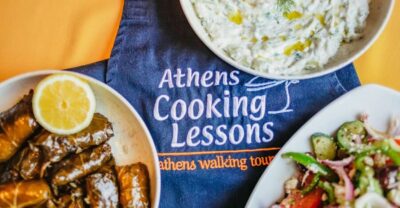 ★ 4.8Greek Cuisine Cooking Class and 3-Course DinnerFrom $115270 reviews
 ★ 5.0Traditional Greek cooking class and lunch or dinner with an Acropolis viewFrom $114250 reviews
 ★ 5.0Athens Airport Private Transfer by Mercedes-Benz E Class Wagon to City CenterFrom $131232 reviews
Browse the lists this tour appears in