
Reviewed · WORKSHOPS
Athens: Traditional Greek Pastry Workshop
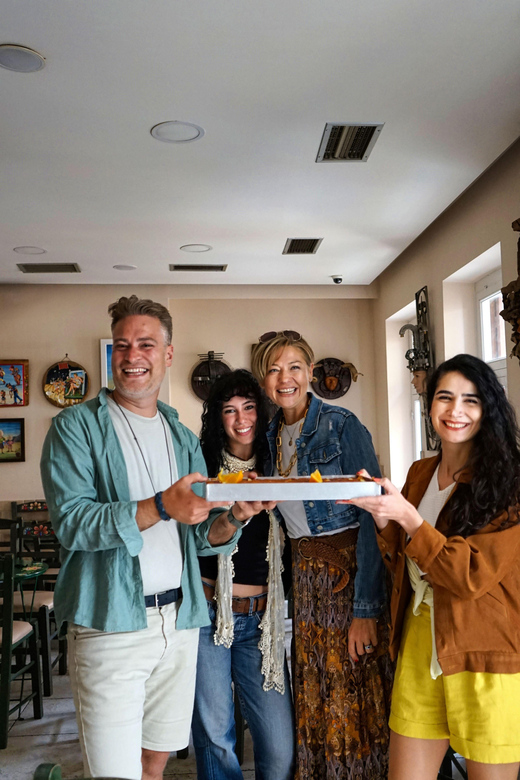
Orange pie lessons beat another museum stop. This Portokalopita workshop turns a sweet idea into a baked reality, taught by Chef Maria in a traditional pastry shop near Psyri square.
I especially like the hands-on focus, from mixing and baking to learning the syrupy siropiasto style that makes this cake so distinctive. I also like the relaxed, welcoming vibe led by Maria, with Oral helping out, answering questions, and keeping the mood friendly.
One thing to consider: this is a 2.5 hour cooking class, not a guided sightseeing tour, and transfer is not included, so you’ll want to plan how to reach the meeting point in Psyri square.
Quick reasons to book this Portokalopita class
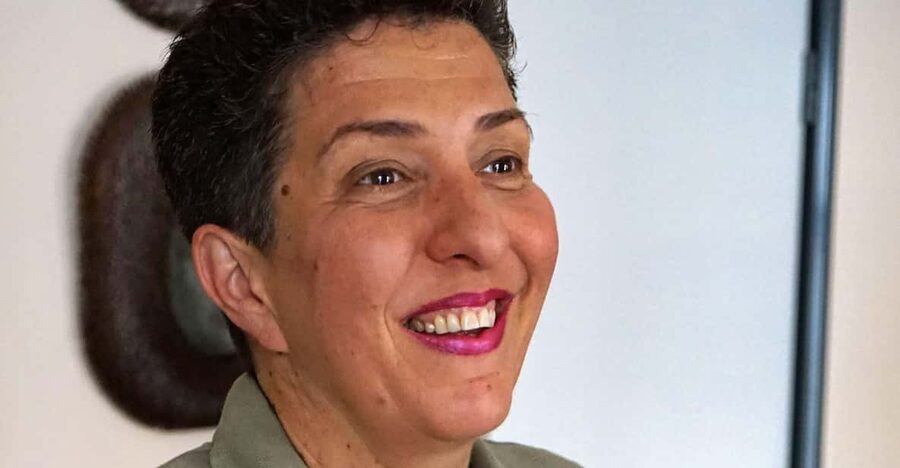
- Chef Maria guides the full Portokalopita process from start to finish, so you’re not just watching and tasting
- Small group of up to 6 participants means more time at the workstations and less standing around
- You mix and bake fresh ingredients, then learn how the orange syrup changes the final texture
- Greek coffee pairing at the end makes the tasting feel like a real Greek break, not an afterthought
- Take-away tray included, so you can bring your baked result back (check what portion fits your plans)
Why Portokalopita tastes like a Greek home kitchen, not a show
Portokalopita is one of those desserts that sounds simple until you see the details. The “wow” comes from how the orange flavor and syrup work together, especially in a siropiasto style cake where the baked layers soak up aromatic liquid. That’s what makes this workshop more useful than many generic “bake something sweet” classes.
Chef Maria walks you through the recipe A to Z, so you’re building the dessert step by step instead of copying someone else’s shortcuts. If you like cooking for friends and family later, this kind of structured lesson matters. You don’t just leave with a plate of cake, you leave with a method you can repeat.
There’s also a cultural angle that’s practical. You’re learning how Greek sweets are made in a neighborhood pastry shop setting, where the process, the ingredients, and the timing all matter. The result is a dessert you can talk about in a way that goes beyond, it was good.
More Athens tours and experiences for the shortlist
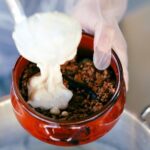
Getting oriented: Psyri square and a traditional shop vibe
Your workshop starts in the Psyri square area, at a traditional Greek pastry shop. The location choice is smart. Psyri is the kind of central neighborhood where it’s easy to feel you’re in real Athens life rather than a staged tourist bubble.
When the group gathers, you begin with an exploration of local sweets. It’s not a lecture. It’s more like a guided look at flavors and textures, and it sets your brain in the right mode for what you’re about to make. From there, you shift from tasting and learning to rolling up sleeves and working at your station.
This is a small group experience, limited to 6 participants, and that scale shows in how the hosts interact. In the better parts of this class, you can ask a question without feeling rushed. You can also get a quick check if something looks off, like the texture of a mix or how phyllo is being handled.
First the sweets, then the baking: what the 2.5 hours really covers
The pace is built around one main outcome: you’ll create and bake a Portokalopita orange pie under professional supervision. The timing matters because this dessert involves multiple stages, and some steps influence others.
Here’s the practical flow you can expect:
1) Welcome and sweets exploration
You start with local sweets. This helps you understand what you’re aiming for, so when you later smell the orange and syrup elements, it makes sense rather than feeling like random ingredients.
2) Hands-on workshop under Maria’s guidance
Chef Maria walks you through making the dessert. The workshop includes mixing and baking aromatic ingredients, and you work with the process rather than only watching.
3) Learning the syrup-soaked result
Portokalopita gets its personality from its aromatic orange syrup. You learn how the syrup works with the baked structure, which is the difference between a cake that tastes orange and one that tastes like orange soaked into everything.
4) Bake, cool briefly, then taste
At the end, you taste your dessert with Greek coffee. That tasting moment is part of the learning. You’re not just eating, you’re checking flavor balance and texture.
5) Take-away tray
You finish with something you can bring home. That’s important if you’re traveling light or if you want to extend the experience later with your own kitchen setup.
Because the class is 2.5 hours, you’ll want to treat it as your main activity for that block of time. If you’re trying to fit in a museum, long meal, and a workshop all in one day, it might feel tight.
Chef Maria’s step-by-step approach to Portokalopita
Chef Maria teaches the recipe for Portokalopita from A to Z, and that phrase matters. In a good baking class, you need consistency, not vague tips. The goal is for you to leave knowing what each stage is for.
The process you learn includes working with the elements that define this dessert:
- Orange pie flavor built into the syrup so the final cake tastes and smells like orange, not just has orange zest nearby
- Preparation of the batter or mixture where you learn how it should look when it’s ready for the next stage
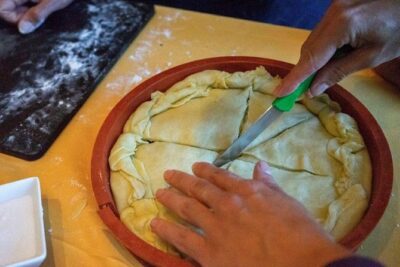
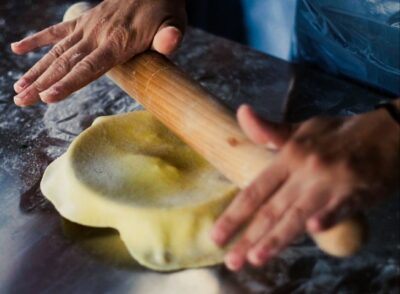
- Phyllo (filo) handling so layers absorb correctly and the texture stays right after soaking
The hosts also keep the atmosphere friendly. Maria is described as kind and patient, and Oral supports alongside her. In practice, that kind of teaching style is what helps first-timers avoid the most common mistakes, like rushing phyllo handling or misunderstanding the syrup role.
If you’re someone who likes clarity, this class is built for you. You get a guided sequence, plus time to participate. If you’re the type who prefers watching first, you’ll still have a role, but you may appreciate that the team keeps the steps approachable and supportive.
Siropiasto orange pie: why the syrup step changes everything
This workshop is centered on the siropiasto style orange pie. In plain terms, this dessert isn’t just about baking something sweet. It’s about baking it and then using syrup in a way that transforms the whole cake.
That’s why syrup technique is such a focal point. The syrup soaks, softens, and perfumes. Done well, it turns a layered cake into something more cohesive, like the flavors finally meet.
This is also where you get a valuable takeaway for home cooking. Many people can bake a cake. Fewer people understand why syrup timing, flavor intensity, and how it interacts with baked structure is the key.
If you want your friends to go, how did you make it so moist and orange-forward, this is the part you’ll remember.
- All Day Cruise -3 Islands to Agistri,Moni, Aegina with lunch and drinks included
★ 5.0 · 4,958 reviews




Making it hands-on: what you’ll actually do at your station
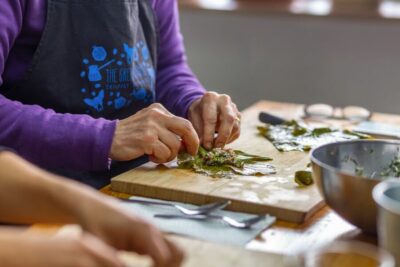
You’re not only tasting and listening. You’re actively preparing the dessert. The workshop includes the ingredients, professional supervision, and the cooking workshop itself, so the class is set up for you to produce something, not just sample.
You’ll be mixing and baking fresh ingredients under Maria’s supervision. You’ll also create your dessert, then you taste it at the end with Greek coffee.
A few details that matter for your comfort:
- Wear comfortable clothes you don’t mind getting a little messy.
- Expect to do hands-on work at the pastry counter area.
- If you’re traveling with mobility considerations, it’s worth noting that the experience has been described as accommodating for mobility issues, based on one participant’s experience.
Also, small-group classes can go two ways: either everyone is busy, or you spend half the time waiting. Here, the whole point of the group size is to keep you participating. With up to 6 people, you’re more likely to stay engaged and get help when you need it.
Taste with Greek coffee, then take the results home
The ending is built around a simple, Greek style finish: you taste your creation with Greek coffee. That pairing is more than tradition for tradition’s sake. Coffee helps cut sweetness and makes the citrus and syrup flavors feel cleaner.
Then comes the practical part: you take your dessert with you. The experience includes a take away tray, which is a big value add. Many food tours give you a taste, maybe a recipe card, and that’s it. Here, you’re leaving with something you can serve later.
One small consideration: food classes sometimes differ in how much you get to take home. Your specific portion depends on what you bake during the session. If you’re hoping to share with a crowd, it’s smart to ask the provider what size tray you should expect.
Price and value: is $106 per person worth it?
At $106 per person for a 2.5 hour small-group class, you’re paying for more than ingredients. You’re paying for:
- Chef-led instruction by Maria
- Professional pastry supervision
- A full cooking workshop experience
- Greek coffee included
- Ingredients included
- A take-away tray
So the question isn’t, is cake expensive. It’s, what portion of the cost is labor plus a finished product. In this format, a good chunk goes to hands-on coaching and the setup, not just to flour and sugar.
The fact that it’s limited to 6 participants helps justify the price. You’re more likely to get the kind of help that lets you learn the syrup and phyllo handling instead of just following along.
What’s not included is also worth noting: transfer is not included, and anything extra is not included. If you’re already staying near central Athens, this is easier. If you’re farther out, plan the transit cost and time so the workshop doesn’t become stressful.
Who this workshop suits best (and who might be disappointed)
This workshop is ideal if:
- You want a hands-on food experience that teaches you a specific Greek dessert, not just general Greek cuisine
- You like learning a recipe you can repeat at home
- You’re traveling in a small group or couple who enjoys practical activities
It’s also a solid option for families in the right circumstances. One participant described bringing a nine-year-old who worked hands-on alongside the adults, with the hosts supporting the process. If your kids can follow step-by-step instructions and handle messy fun, you’ll probably enjoy it.
You might want to choose something else if:
- You mainly want sightseeing and don’t want a focused cooking block
- You dislike kitchens or hands-on cooking activities
- You’re very tight on time and need something shorter or easier to fit around meals
Practical tips before you go
A few small things will make your experience smoother.
- Bring comfortable clothes and something you can get dirty.
- Expect the workshop to be centered on one main recipe, so eat lightly beforehand if you tend to get too full while cooking.
- Keep your phone ready for photos if you like documenting food making, since Oral has been described as allowing photos and supporting questions.
- Plan to arrive at Psyri square with enough time to find the shop and settle in before the class begins.
Should you book the Athens Traditional Greek Pastry Workshop?
Book it if you want a memorable, tasty lesson in Greek baking that’s built around Portokalopita and the siropiasto orange syrup effect. The small group size, Chef Maria’s step-by-step teaching, and the fact you leave with a take-away tray make it feel like a complete experience rather than a quick tasting stop.
Pass or compare options if you need transfers handled for you, or if you’re not in the mood for hands-on work in a pastry shop. Also, if you’re hoping for a broad, multi-stop food itinerary across Athens, this one stays focused on one dessert and does it well.
FAQ
Where is the meeting point for the workshop?
The meeting point is Psyri square.
How long is the Athens Traditional Greek Pastry Workshop?
The duration is 2.5 hours.
Is the workshop taught in English?
Yes, the instructor is English.
How big is the group?
The group is small, limited to 6 participants.
What’s included in the price?
The price includes the ingredients, supervision by a professional pastry chef, the cooking workshop, Greek coffee, and a take-away tray.
What should I bring to the workshop?
Bring comfortable clothes and clothes that can get dirty.
Is transfer included?
No, transfer is not included. Anything extra is also not included.
More Workshops & Classes in Athens
More Tour Reviews in Athens
- All Day Cruise -3 Islands to Agistri,Moni, Aegina with lunch and drinks included
★ 5.0 · 4,958 reviews
Not for you? Here's more nearby things to do in Athens we have reviewed








Workshops, compared.
 ★ 5.0Classic Cooking Class with Market Visit and WineFrom $831,101 reviews
 ★ 4.9Food Market Visit and Cooking Class with WineFrom $811,087 reviews
 ★ 5.0Greek Cooking Class in Athens Including Rooftop Dinner with Acropolis ViewFrom $120826 reviews
 ★ 5.0Greek Small-Group Athens Cooking Class & DinnerFrom $118574 reviews
 ★ 5.0Greek Cooking Class & Dinner on a RooftopFrom $108383 reviews
 ★ 4.8Greek Cuisine Cooking Class and 3-Course DinnerFrom $115270 reviews
 ★ 5.0Traditional Greek cooking class and lunch or dinner with an Acropolis viewFrom $114250 reviews
 ★ 5.0Athens Airport Private Transfer by Mercedes-Benz E Class Wagon to City CenterFrom $131232 reviews
Browse the lists this tour appears in