

Reviewed · ATHENS ACROPOLIS & PARTHENON TOURS
Athens: Acropolis, Parthenon & Acropolis Museum Guided Tour
Athens runs on layers. This tour connects the Acropolis with the Acropolis Museum so you understand what you’re seeing, not just what you’re standing in front of.
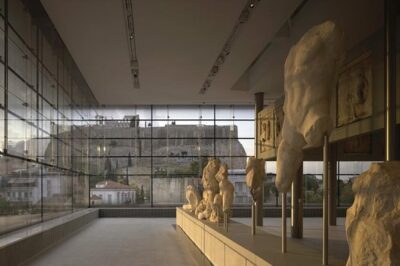
What I like most is the combo of real site time plus an expert narration that makes the monuments feel human. I also love that the tour works in the New Acropolis Museum, where original masterpieces are displayed with natural light and excavations show through glass floors and walkways.
One heads up: the hill and ruins involve lots of walking and uneven ground. It is not suitable for wheelchair users, people with mobility impairments, or anyone with heart problems, and there’s no elevator included at Acropolis Hill.
Key things to know before you go
- Skip-the-line tickets help you save time at ticket offices (for both Acropolis and the museum)
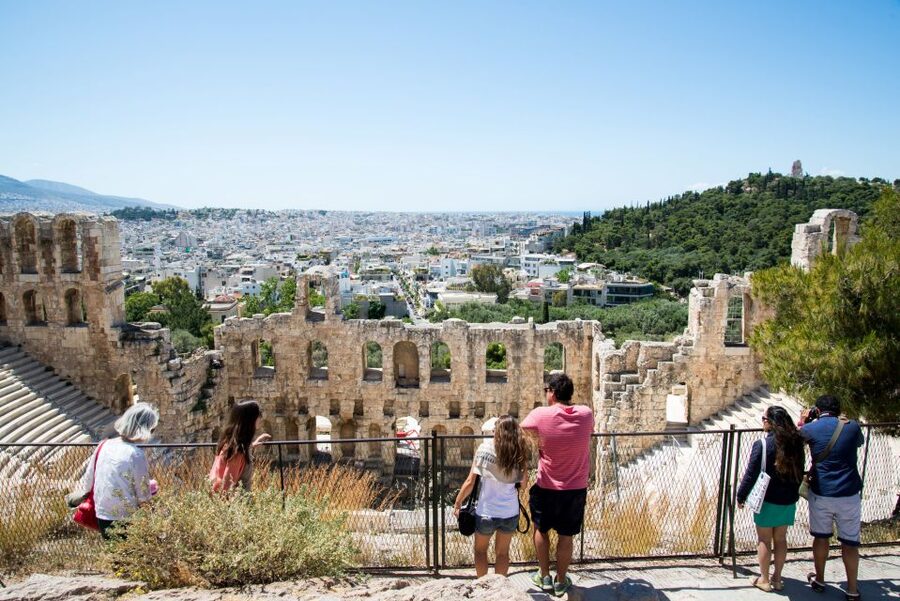
- The Dionysus Theater stop gives you context for how ancient drama got its start
- Licensed English guides keep the story clear, fast, and practical
- The museum’s glass-floor views show excavations as you move through the galleries
- Earphones for bigger groups keep guide audio workable, though crowds can affect sound
Skip-the-line tickets, and what that means at the Acropolis
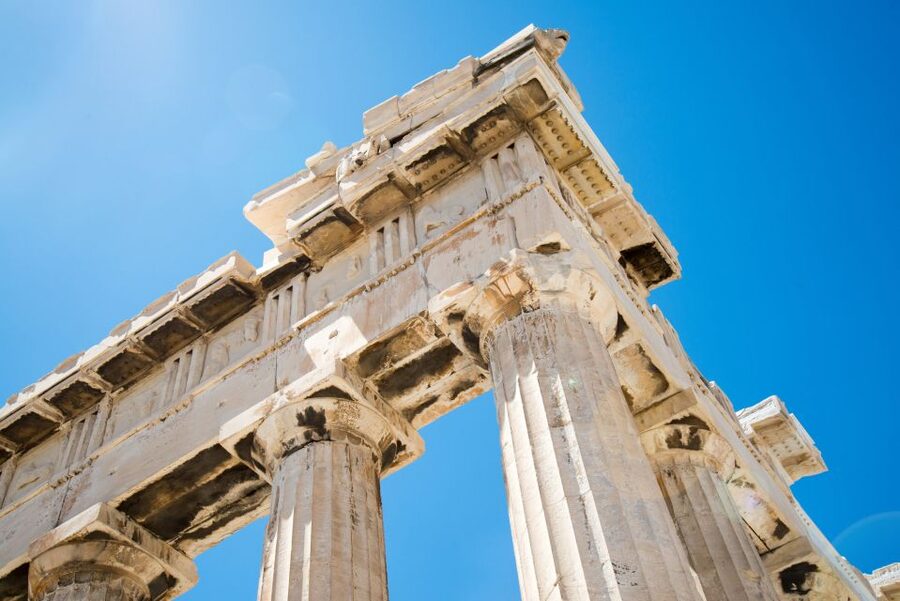
The biggest time-saver here is that the tour can include skip-the-line tickets for both the Acropolis and the Acropolis Museum. In practice, that usually means less time stuck at counters and more time moving through the best parts of the hill and museum.
That said, there’s an important nuance. The information provided notes that there is no skip-the-line separate entrance to the Acropolis itself. So expect that your advantage is mainly about bypassing ticket-office lines, while actual entry procedures on the hill can still be busy.
At the museum, you get an added benefit: the tour includes entering through a separate entrance to the Acropolis Museum. That helps you get inside with fewer delays, which matters because museum time is where the details start to click.
If you hate waiting, this is the kind of tour that feels worth it fast. You’re paying to spend your precious Athens hours looking at stone, not standing in queues.
You can also read our reviews of more guided tours in Athens



Up the hill: Theater of Dionysus, Odeon, and Asclepius
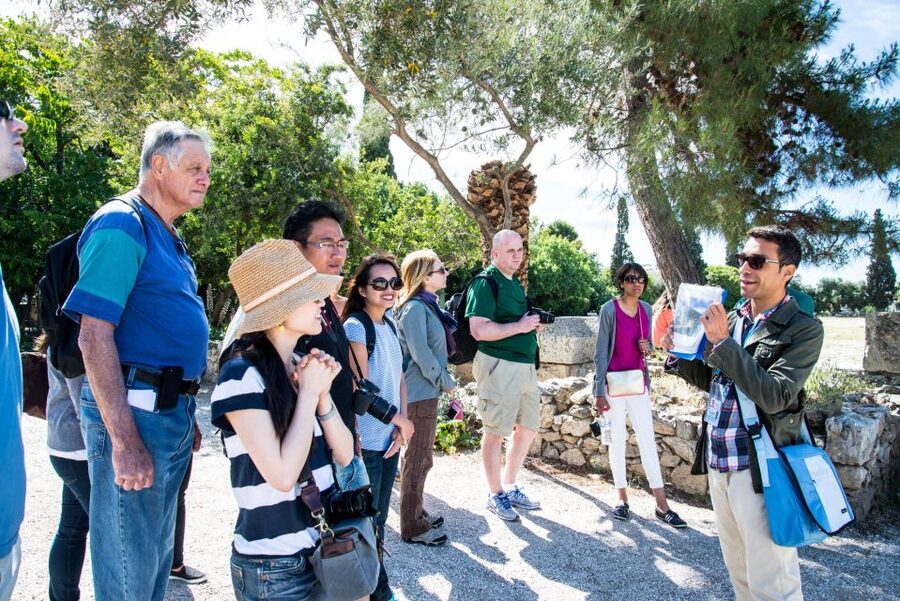
The tour starts with the Acropolis complex, and the guide’s job is to connect the dots between myth, politics, and everyday life. You’re not just touring famous names, you’re learning where each part fits in the broader story of ancient Athens.
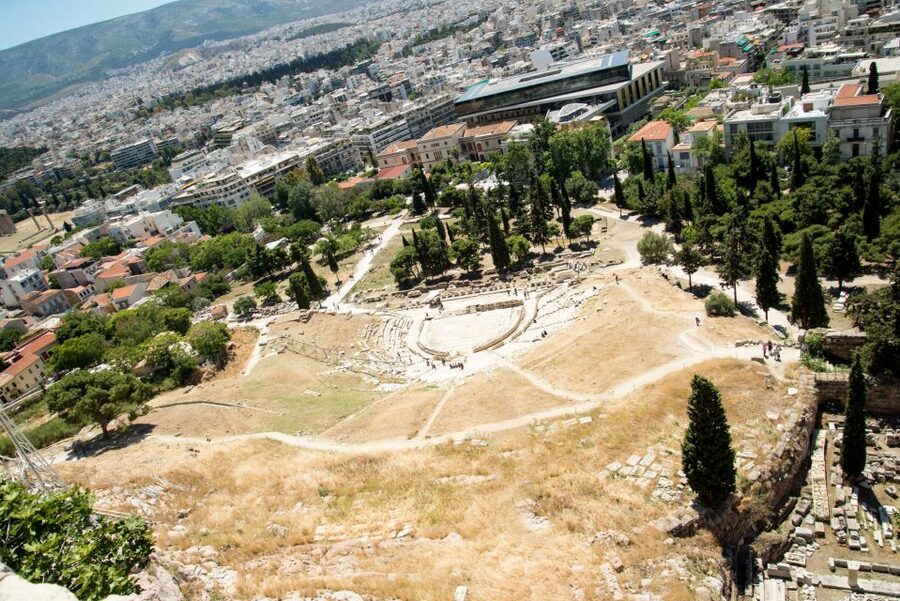
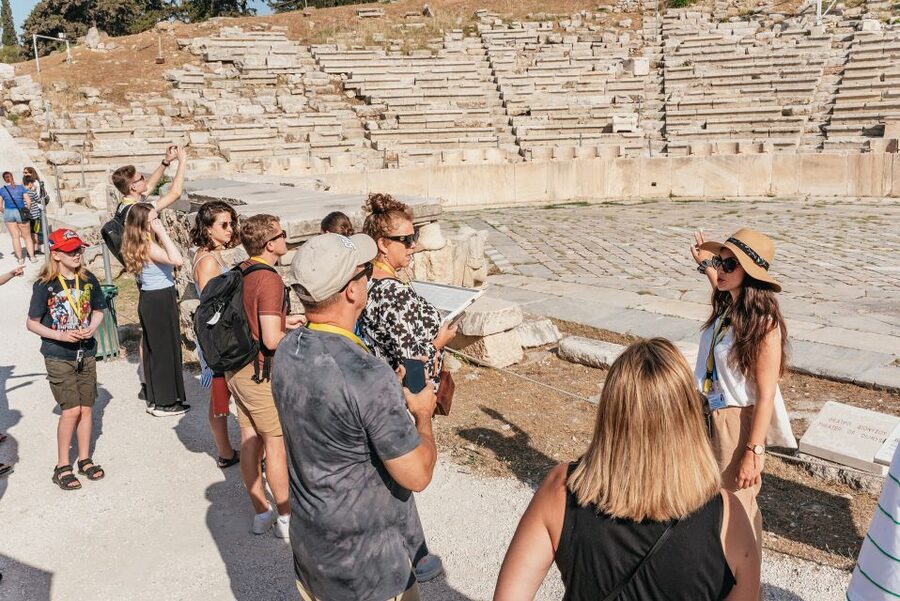
A standout stop is the Theater of Dionysus, often described as the first theater of humanity in the tour highlights you’ll hear. This is where famous ancient dramas and tragedies were first performed. It’s a powerful contrast: you look at the stone remains, then the guide places them in a time when theatre was a major cultural force.
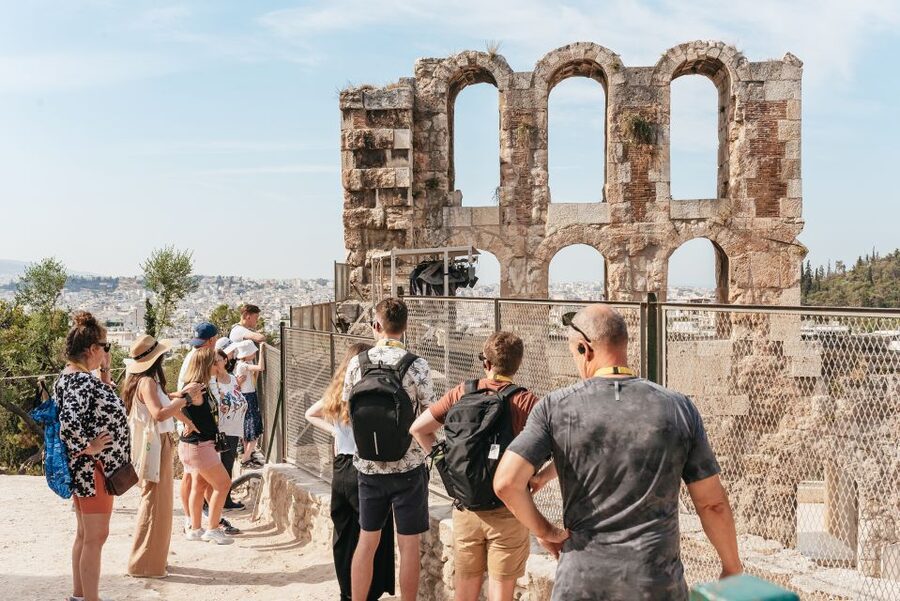
You’ll also walk around areas linked to civic and social life, including the Odeon of Herodes Atticus. From there, the tour includes the sanctuary of the healing god Asclepius, which adds a different mood to the visit. Not all Acropolis time is about war and politics. This part reminds you that people came to these spaces for health and hope, too.
Practical note: the audio setup uses disposable earphones for groups larger than 8. That’s helpful in a crowded complex, but the information also warns that audio quality can be affected by other groups’ equipment at busy times. If you’re picky about sound, keep your earphones securely seated and don’t yank them out every time someone stops to take photos.
Propylea, Temple of Nike, and the Erechtheion puzzle pieces
Once you reach the top hill areas, the tour shifts from the big landmarks into the specific “why it matters” details that make the Acropolis feel like more than a postcard.
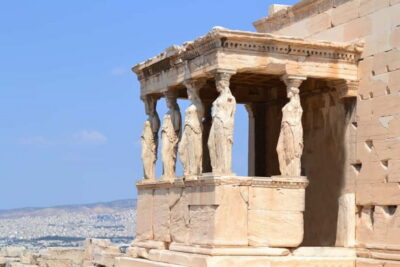
You’ll visit the Propylea Temple of Nike and the Erechtheion Temple. This is where the guide’s narration really helps you see structure, not just silhouette. The Erechtheion in particular tends to feel iconic once you understand what makes it distinctive, and the guide usually frames it in the context of the city’s priorities during Athens’ Golden Age.
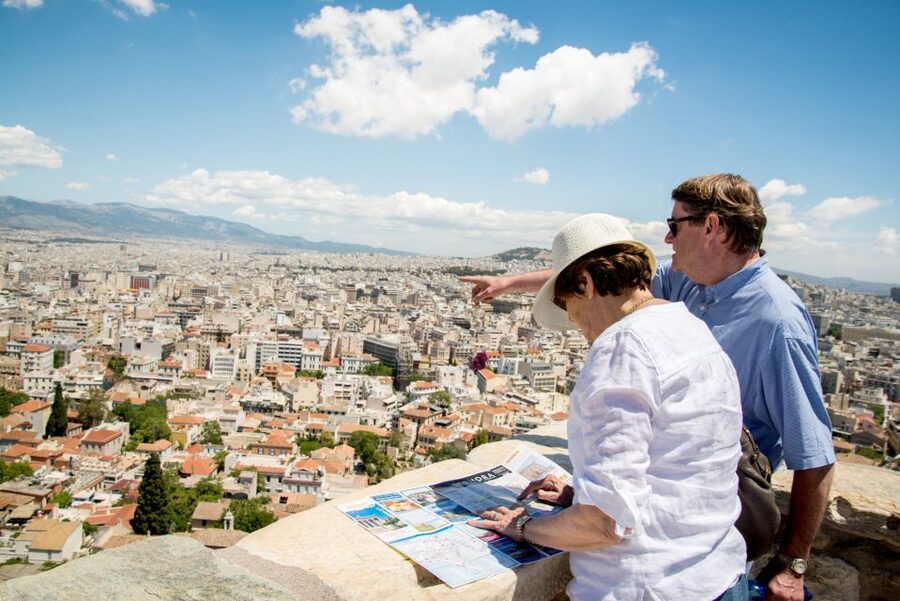
The Propylea area is also a moment for views and orientation. You get a sense of how the Acropolis functions as a crown over Athens, and why it symbolized power long before modern visitors arrived with cameras and maps.
The tour can also adjust the order of sites to avoid discomfort, especially during heat or crowded moments. So if you feel like your route changes slightly on the day, that’s normal. The goal is that you still cover the key monuments without everyone getting worn out at once.
The Parthenon: democracy in stone, plus what to look for
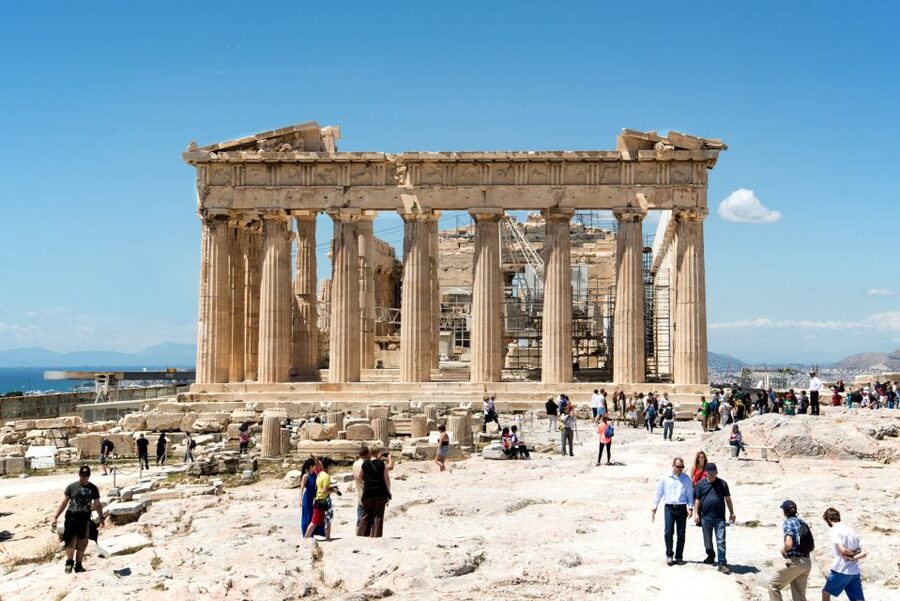
The Parthenon is the reason most people come, and the tour treats it that way. You’ll see it as a symbol of democracy and western civilization, and you’ll also get a time frame: dating back to the 5th century.
The guide’s value is in explaining why that symbolism mattered in the real Athens of its day. The Parthenon wasn’t just a dramatic building project. It was part of a broader political and cultural identity, tied closely to the Golden Age of Pericles.
Here’s what you can do to get more out of the moment. When you’re looking at the Parthenon, don’t only scan for the most famous angles. Watch for how the space is arranged, and pay attention to what the guide emphasizes, since those small cues are often the difference between seeing a monument and understanding it.
You’ll likely also hear ties between myths and civic meaning. Ancient Athens used storytelling to shape public identity. The tour does a good job of connecting that habit to what you’re standing in.
One reality check: the tour lasts about 3 to 4 hours depending on pace and weather. The hill can feel long, so the earlier stops matter, because the guide has to set up the bigger meanings before you reach the Parthenon.
Short break, bathroom time, then straight to the museum
Between the Acropolis and the Acropolis Museum, you get a short break and bathroom time. That matters more than it sounds. If you’ve ever toured ruins in the heat, you know comfort is what keeps the mind focused on details.
The museum is only a few minutes walk from the Acropolis site, so you’re not switching cities mid-tour. That proximity helps you keep the two experiences connected. What you learned on the hill follows you into the building.
Also, the museum is where time becomes more forgiving. On the Acropolis you’re in sun, wind, and stairs. In the galleries, you can slow down and actually study.
So treat this as a reset point. Drink water if you need it, use the bathroom, then come back ready to look closely at objects instead of just big shapes.
You can also read our reviews of more museum experiences in Athens





New Acropolis Museum: Caryatids, glass-floor excavations, and the Parthenon frieze
The New Acropolis Museum is where the tour gets its real “aha” factor. The highlights call out something visitors love: all the original surviving masterpieces from the temples of the Acropolis are displayed using natural light. That lighting approach changes how you perceive sculpture and surface texture.
Inside, the museum is designed so you can move through multiple layers of the story. The ground floor includes immersive glimpses into daily life, which helps fill in what the stone locations on the hill only suggest.
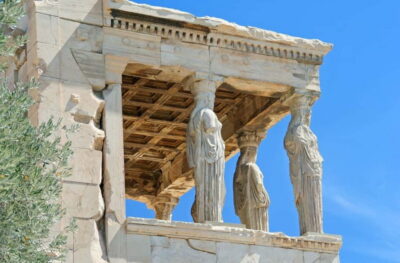
Then you reach the level with the Caryatids. The tour info notes that five Caryatids are here, with the sixth Caryatid housed in the British Museum. Seeing the group in one place gives you a sense of scale and design that you cannot get from photographs alone.
The museum also shows excavations under glass floors and walkways. This is a big practical win. Instead of imagining what’s beneath the surface, you can see evidence of the archaeological work as you move through.
On the top floor, the focus becomes the Parthenon frieze, plus a recreation of the Parthenon. If the Parthenon on the hill felt like a single monument, this part helps you grasp the whole decorative program and how it was meant to be experienced.
And yes, you’ll get a view back toward the Acropolis from inside. It’s a small moment, but it makes the tour feel like one continuous story rather than two separate stops.
Pacing, group size, and what to wear
This tour runs about 2 to 4 hours, usually around 3 to 4 depending on pace and weather. That timing is right for people who want a major highlight day without turning the day into a whole-day endurance test.
Group size can change the experience. Earphones are provided for groups of more than 8, which helps keep the guide’s voice clear. Still, the information warns that sound quality can be affected by other groups’ equipment during crowded times, so don’t assume every minute will be perfect audio.
What matters most is comfort. Bring comfortable shoes, water, a hat, and clothes suited for sun. The hill and museum involve a lot of walking, and the Acropolis complex has uneven ground.
Also, keep in mind the tour doesn’t include use of the elevator at Acropolis Hill. And it’s not for wheelchair users or people with mobility impairments. If you’re on the fence due to walking ability, you’ll want to be honest with yourself about stairs, slopes, and sustained time on your feet.
Not allowed items include pets, baby strollers, and luggage or large bags. If you’re traveling light, you’ll have a smoother experience.
Guides: what you can expect from the narration
One of the most praised aspects is the quality of the guide. The guide is listed as a field expert and licensed tour guide who leads in English, and the reviews you can find around Athens consistently highlight that the storytelling makes the sites feel alive.
Names that have been mentioned include Sotos, Jason, Chrysa, Giota, Ioannis, and Julia. What ties these accounts together is that the guides are described as entertaining while still staying focused on clear, structured explanations.
You’ll also notice a theme in the feedback: the information level hits a sweet spot. Enough facts to make the monuments meaningful, without drowning you in lectures. Guides also tend to build helpful timelines so the 5th century doesn’t feel like random ancient math.
You may find that the guide also changes the order of sites to avoid discomfort. That’s not a drawback so much as a sign they’re thinking about the group’s energy and the day’s conditions.
Value: how $40 makes sense for a two-part day
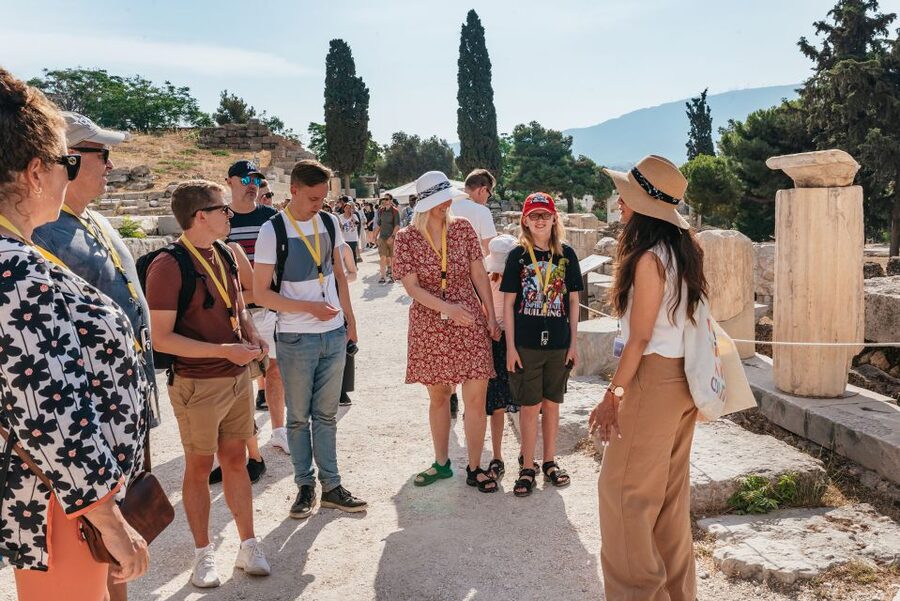
At around $40 per person, this tour can be good value if you care about time and interpretation. You’re not just paying for entry tickets. The included items can include the guide, skip-the-line tickets (when the ticket option is selected), and museum entry via a separate entrance.
Skipping line time is the hidden cost of Athens. The Acropolis complex can move slowly, and any saved minutes help you finish without feeling rushed. The museum add-on also increases value, because the New Acropolis Museum is where you get the “show me the object” part of the story.
Duration matters too. With a 2 to 4 hour window, you can fit this into a packed itinerary without losing a whole day. For many first-timers, that balance is exactly what you want.
If you are considering booking on your own without a guide, the difference is that you’d likely spend more time figuring out what you’re looking at and less time connecting themes like theatre, healing, politics, and art.
Who should book this Acropolis and museum tour
I think this is a smart fit if you:
- Want the major Acropolis sights plus the New Acropolis Museum in one half-day
- Like guided storytelling that connects mythology and civic meaning
- Prefer saving time with skip-the-line ticket options
- Are comfortable walking and standing for several hours on uneven ground
It’s not a fit if you:
- Need wheelchair access or elevator options at Acropolis Hill
- Have mobility limitations that make stairs and uneven surfaces unsafe
- Have heart problems that make sustained hill walking risky
- Are traveling with young children under 6
If you’re traveling as a private group, that’s available too. A smaller group can feel less hectic, and the pacing can work better if your interests are specific.
Should you book it?
Book it if you want a first-class Athens highlight that teaches you how to read the Acropolis. The combination of the hill stops, the theatre and healing context, and then the museum’s Caryatids and Parthenon frieze is a clean way to turn ruins into understanding.
Skip booking if you’re already comfortable doing the Acropolis and museum self-guided and you enjoy figuring things out without a narrative. Also skip if mobility concerns are a serious issue for you, because the tour is not designed for wheelchairs or mobility impairment needs.
If you’re aiming for value, I’d lean toward booking. For around $40, you’re buying structure, time savings, and expert interpretation, and that’s what makes this kind of iconic day actually satisfying instead of exhausting.
FAQ
How long is the Athens Acropolis and Acropolis Museum guided tour?
The tour runs about 2 to 4 hours, and it typically lasts 3 to 4 hours depending on the group’s pace and weather conditions.
Is this tour offered in English?
Yes. The live tour guide provides the tour in English.
Does the tour include skip-the-line tickets?
It can include Acropolis and Acropolis Museum skip-the-line tickets when you select the option with tickets. The separate entrance benefit is specifically mentioned for the Acropolis Museum.
Is there a separate skip-the-line entrance for the Acropolis?
No. The information you have says there is no skip-the-line separate entrance to the Acropolis. The skip-the-line benefit is tied to tickets at the ticket offices.
What does the Acropolis Museum visit include?
You’ll visit the New Acropolis Museum, including displays using natural light, original surviving masterpieces from the Acropolis temples, and visible excavations under glass floors and walkways. You’ll also see the Caryatids and the Parthenon frieze, plus a recreation of the Parthenon.
Are earphones provided for larger groups?
Yes. Disposable earphones are provided for groups of more than 8 people.
Where is the meeting point?
The meeting point may vary depending on the option you booked.
What should I bring?
Bring comfortable shoes, a hat, water, and comfortable clothes.
Is the tour wheelchair accessible?
No. The tour is not suitable for wheelchair users, and people with mobility impairments are listed as not suitable.
What if I choose the option without tickets?
The information says you should purchase Acropolis and Museum entry tickets at least one day before the tour and contact the provider first to confirm time slots. If you do not purchase ahead of arrival, the provider can supply full-priced adult entry tickets at the meeting point paid in cash.
Is cancellation free?
Yes. The tour lists free cancellation up to 24 hours in advance for a full refund.
More Guided Tours in Athens


More Tours in Athens



More Tour Reviews in Athens
- All Day Cruise -3 Islands to Agistri,Moni, Aegina with lunch and drinks included
★ 5.0 · 4,958 reviews



Not for you? Here's more nearby things to do in Athens we have reviewed









Athens Acropolis & Parthenon Tours, compared.
 ★ 4.4Acropolis & up to 5 Archaeological Sites Combo PassFrom $4812,619 reviews
 ★ 4.2Acropolis Ticket with Optional Audio or Live GuideFrom $4211,055 reviews
 ★ 4.6Acropolis and Parthenon Guided Walking TourFrom $385,882 reviews
 ★ 4.8Acropolis, Parthenon & Acropolis Museum Guided TourFrom $413,579 reviews
 ★ 4.0Acropolis Ticket with Audio GuideFrom $473,575 reviews
 ★ 4.7Acropolis: Acropolis and Parthenon Guided Walking TourFrom $363,442 reviews
 ★ 5.0Acropolis monuments & Parthenon Walking Tour with Optional Acropolis MuseumFrom $422,678 reviews
 ★ 4.5Athens All Included: Acropolis and Museum Guided Tour with TicketFrom $1652,673 reviews
Browse the lists this tour appears in