
Reviewed · ATHENS ACROPOLIS & PARTHENON TOURS
Ancient Athens tour: Acropolis, Parthenon and Acropolis Museum
Ancient Athens, explained at walking pace. This half-day covers the Acropolis sights you came for, then finishes with the Acropolis Museum, where the sculptures and building fragments suddenly click into place. You do it with a licensed guide, a small group size, and a plan that tries to keep you out of the worst of the day.
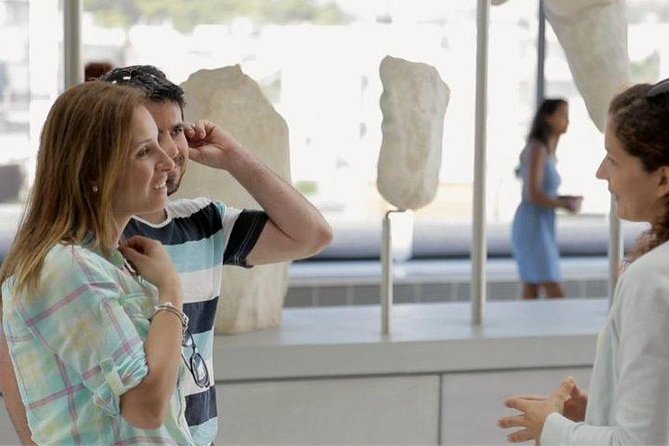
I love how the museum turns quick monument stops into something you can actually understand. I also like the feel of the walk, with guides such as Giannas and Selena guiding the group to smart viewpoints and picture spots without making it feel like a sprint.
One possible drawback: the schedule is tight, so you will spend less time wandering on your own than you might want, especially if the Acropolis crowd levels are high.
Key highlights worth your attention
- New Acropolis Museum, built to display finds from the Acropolis rock and nearby slopes
- Acropolis monuments at a comfortable pace, including Parthenon and the Theater of Dionysus
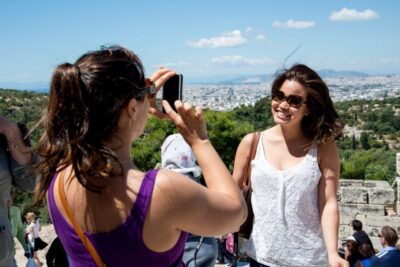
- Photo-friendly stop points, with guides helping you find good angles
- Bottled water provided, because the Greek sun can be real
- Max 20 people, which helps the guide keep track of everyone
- Licensed guide in English, including archaeologist-style explanations from guides like Efie and John
Morning Logistics at Porinou 5: the 9:00 am start that matters
If you want the Acropolis to feel human instead of like a theme park, timing is everything. This tour starts at 9:00 am, meeting at Porinou 5 in Athens, and ends back at the same meeting point. The early start helps you beat some of the heat and crowd pressure, and it also keeps the day’s pacing sensible.
The group size is capped at 20 travelers. That sounds like a small detail, but it makes a big difference on a site like this. A smaller group means fewer bottlenecks at viewpoints, and the guide can spend time adjusting the flow when people get stuck behind someone taking a photo.
You’ll want moderate physical fitness for the climb and walking around the hilltop. This isn’t a marathon, but the terrain is uneven, and the sun can turn every step into a workout. The tour helps with bottled drinking water, and I’d treat that as your baseline, not a substitute for good sunscreen habits.
You can also read our reviews of more museum experiences in Athens

Price and Entrance Fees: getting real value for $72.59
The advertised price is $72.59 per person, and you should think of it as paying for the guided experience plus whatever entrance options you chose. The key thing is that entrance fees are not automatically included unless your booking option includes them.
Here’s what’s listed as extra if you do not have tickets lined up:
- Acropolis entry ticket: €30 per person
- Acropolis Museum entry ticket: €20 per person
The good news is practical: if you arrive without entrance tickets, the guide will have a way to help you buy them cash at the meeting point. That reduces the most common stress on arrival day. Still, check your confirmation so you know whether you’re already covered or you’ll be paying on-site.
Is it good value? For many people, yes, because you’re not just getting someone to point at stones. You’re paying for interpretation. Without a guide, the Acropolis can feel like beautiful architecture, but it’s the explanations that connect myths, rebuilding phases, and the purpose of each structure.
And the museum finish is where the value really clicks. The Acropolis Museum visit is listed as 1 hour with museum admission included in the experience details, which matters because museum entry fees add up fast. If your schedule allows it, this combo often saves you time versus buying tickets and piecing together stops on your own.
Acropolis itself: 2 hours of monuments with built-in flexibility
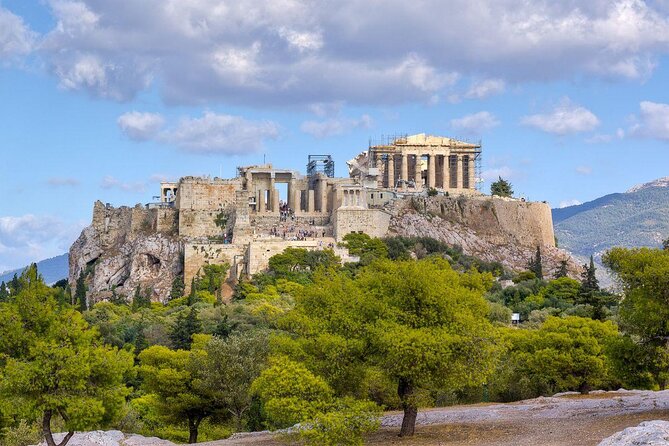
The Acropolis stop is about 2 hours, and it’s the part where you get the big picture, then start seeing the details. You move at a guided pace, but the format includes the ability to tailor stops, so the guide can adjust for what you want to emphasize.
The practical win here is focus. The Acropolis is packed with points of interest, and with a group you’d otherwise lose time and energy trying to decide what to see first. The guide helps you get oriented quickly and avoids the common mistake of wandering for an hour without understanding what you’re looking at.
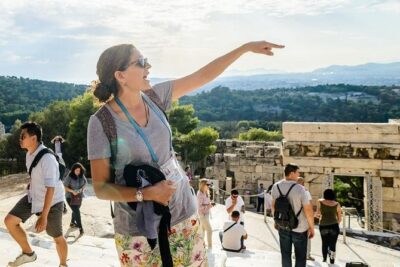
It’s also where the comfort details matter. Even with morning light, you’re outdoors and exposed. Bottled water is provided, and several guides in this same style of tour are careful about pacing and shade breaks when possible. If you’re the kind of person who likes to stop for photos, you’re in luck, because the guides often identify smart photo spots and regroup points so you don’t end up yelling across a crowd.
One watch-out: 2 hours on the rock can still feel short if you’re the type who wants to linger. The route is designed for coverage and clarity, not endless wandering. If you’re hoping for long, quiet decompression time on your own, you may feel a bit rushed.
Parthenon and the Theatre of Dionysus: quick hits that teach you what you’re seeing
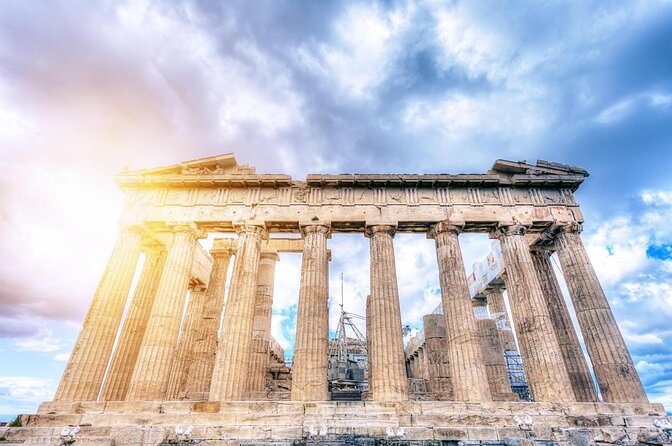
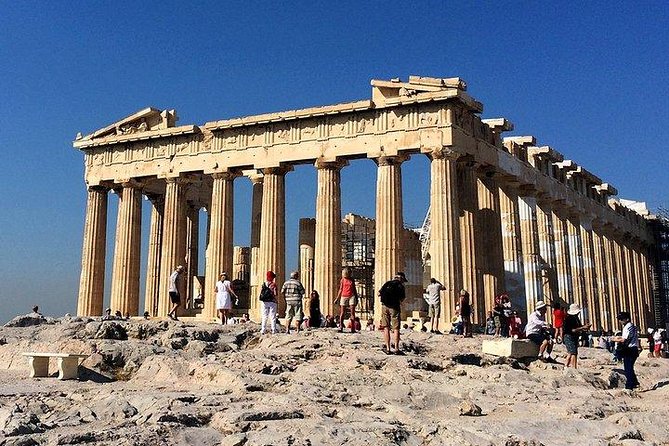
After you get your bearings, the tour highlights the Parthenon with a short stop of about 10 minutes. In that window, the guide’s job is to help you see past the postcard view. You’re looking at a monument that served political and cultural purposes, and the explanations help you understand why it was built, not just what it looks like.
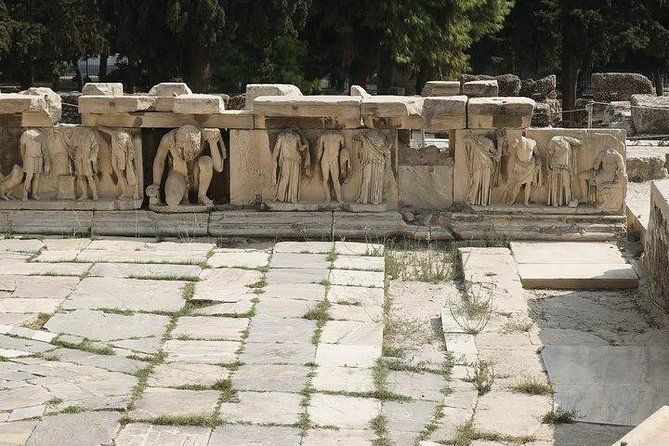
Right after that comes the Theatre of Dionysus, again around 10 minutes. The Theatre of Dionysus is famous because it connects Greek drama and public life in a very tangible way. Even a short visit works when someone points out the layout and what performances meant in that society.
A small note on expectation: you will not do a deep study of each structure in 10-minute pieces. The value is in getting a guided framework. Once your brain understands the basics, you can enjoy the scale and craftsmanship more than you would with a purely visual visit.
Also, crowds can make hearing tricky in outdoor archaeological zones. Many participants find that the tour uses audio support such as microphone or ear pieces to keep communication clear. If you know you need help hearing in crowded places, you might consider bringing your own wired headphones as a backup.
Herod Atticus Odeon, Propylaea, and Erechtheion: the route gets specific
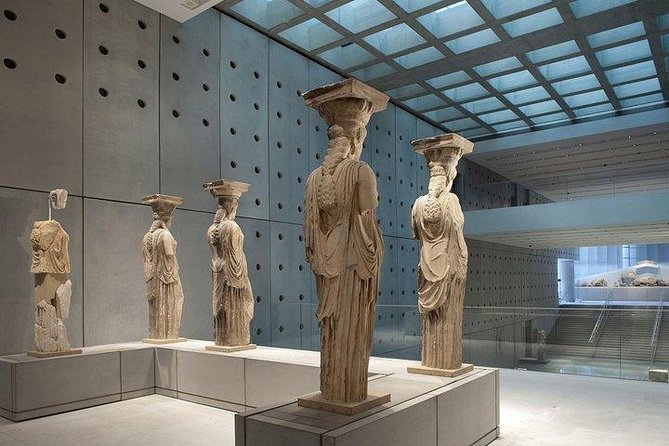
The itinerary includes several landmark stops that each teach a different slice of how the Acropolis functioned.
You’ll see the Herod Atticus Odeon, described as a temple-like structure still operating as a Greek Roman monument. Even if you only get a short look, it’s a useful reminder that the site wasn’t frozen in one era. The Acropolis had a long afterlife, and later periods left their mark.
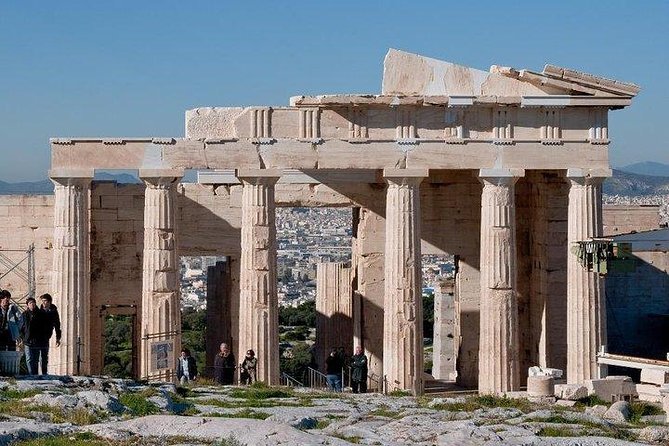
Next is the Propylaea, the gateways of the Acropolis. This is one of those places that’s easy to walk past if you don’t understand what a gateway represents. The guide’s explanations help you see it as a transition point, not just a set of arches.
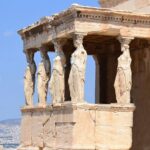
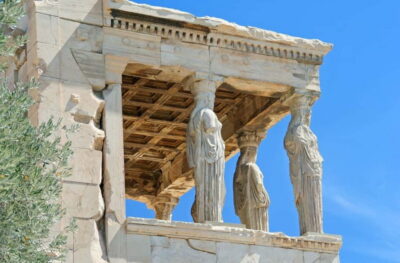
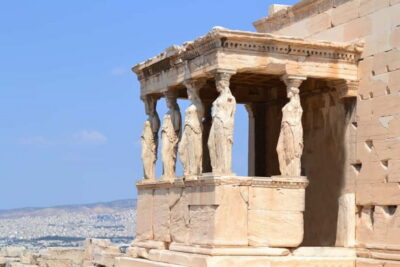
Then comes Erechtheion (often associated with the famous Caryatid statues). If you like art as much as architecture, this stop is a highlight. The Caryatids are one of the most recognizable sculpture themes connected to the Acropolis. The guide’s framing helps you connect the figures to the broader story of the building and its cultural meaning.
Because these stops are short, they work best if you treat them as guided wayfinding. Think of this as getting the map and the vocabulary, not fully mastering each site on this first pass. If you want that deeper dive, the museum at the end is where you can slow down.
- All Day Cruise -3 Islands to Agistri,Moni, Aegina with lunch and drinks included
★ 5.0 · 4,958 reviews



Acropolis Museum: where the sculptures and building parts finally make sense
If you only did the hilltop, the Acropolis could feel like a beautiful, confusing set of monuments. The Acropolis Museum is the fix.
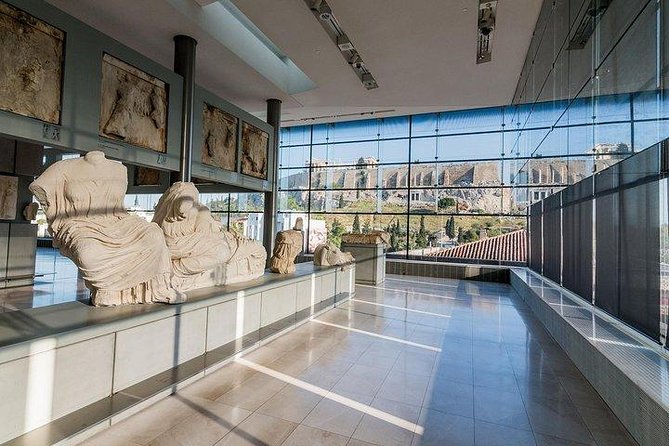
This tour includes the museum for about 1 hour, and the admission is listed as included for the museum portion in the experience details. The museum focuses on archaeological finds from the Acropolis rock and the surrounding slopes. It covers finds from the Greek Bronze Age through Roman and Byzantine periods, so it’s not just a Parthenon-only story.
Even better, the museum is built over parts of ancient ruins. That creates a strange and compelling sense of layers: you’re looking at artifacts while the ground beneath connects back to the city that sat there long ago.
What I love about this ending is the way it changes how you remember the walk. A carving you glanced at on the Acropolis starts to feel specific. A sculpture detail becomes a clue. And the overall experience becomes less about seeing a highlight and more about understanding how the pieces fit.
Many participants say the museum portion gives them permission to keep going at their own pace after the guide’s structured time. So if you’re the type who wants to linger, you’ll likely appreciate that you’re not forced to stay in a constant herd line.
Guides make the difference: stories, humor, and small-group control
This is the part that shows up again and again in the strongest feedback about this tour style: the guide.
You’ll find a mix of guide backgrounds and personalities, but the pattern is consistent. Guides such as Giannas, Selena, Efie, Alexia, Bernardos, Lydia, Afrofithi, Demos, and Michael G are described as doing three things well:
- Explaining what you’re looking at without drowning you in jargon.
- Keeping the group moving through crowds so you still get time at the key spots.
- Making the story human, with humor and clear points that stick.
One standout detail that comes through in feedback is that some guides encourage you to stay after the guided museum segment to maximize your time. That matters because the museum is where you can slow down and connect details. A good guide doesn’t just deliver facts, they help you use the time you paid for.
Pacing also gets praised. Several people mention the comfort-focused rhythm, including getting water and adjusting the flow when needed. On the Acropolis, a guide who understands crowd movement and footing can prevent you from feeling constantly behind or constantly stressed.
What to pack and how to handle the Acropolis heat
The tour provides bottled water, but you should still plan for a hot, sun-heavy day. Greek sun can be relentless even in shoulder months, and the Acropolis has little shade.
Pack like this:
- sunscreen
- a hat
- comfortable shoes with grip for uneven rock
- a reusable water bottle if you like to top off between breaks
A few people also mention slipping spots on parts of the climb. That’s not the tour operator’s fault, but it is a real reason to wear shoes you trust. Take your time on the steps and keep an eye on your footing when the rock looks slick.
If you’re sensitive to noise or struggle to hear in crowds, consider bringing wired headphones as a backup suggestion. Some tours use audio devices, and a backup can help if the volume isn’t perfect for your hearing.
Who this tour is best for, and who should choose another plan
This works especially well for you if:
- you want a structured, narrative walk that makes the Acropolis meaningful fast
- you prefer a small group over a huge bus-style herd
- you’re okay with short stops that give you context, then let you explore more on your own later (especially in the museum)
It might be less ideal if:
- you want long, unbroken free time on the Acropolis rock
- you struggle with moderate walking and uneven surfaces
- you hate heat and you’re not willing to pack for sun and hydration
If you have limited time in Athens and you care about understanding more than just checking boxes, this format is a strong match. It’s a classic day plan because it combines the monuments with the place where artifacts are explained and displayed.
Should you book this Acropolis and Museum tour?
Book it if you want the best shortcut to understanding Athens’ most iconic site. The mix of guided highlights on the Acropolis with a museum finish gives you both scale and context. You also get the practical benefits of a licensed guide, English language instruction, a small maximum group size, and bottled water for the climb.
Skip or adjust expectations if your top priority is lingering quietly and deeply on the hilltop without structured movement. This tour is built to cover key structures in a few hours, not to replace a full day of slow wandering.
If your goal is to leave the Acropolis knowing what you just saw and why it mattered, this is one of those half-day plans that pays off the moment you walk into the museum.
FAQ
What time does the tour start?
The tour starts at 9:00 am.
How long is the Ancient Athens tour?
It runs for about 4 hours.
Is the tour offered in English?
Yes, it is offered in English.
Where is the meeting point?
The meeting point is Porinou 5, Athina 117 42, Greece.
Are entrance fees included?
Entrance fees are not included unless you booked the option with entrance tickets. If you do not have tickets, you can buy them cash from the guide at the meeting point.
How much is the Acropolis entrance fee?
The Acropolis entry ticket is listed as €30.00 per person.
How much is the Acropolis Museum entrance fee?
The Acropolis Museum entry ticket is listed as €20.00 per person (unless your option includes it).
What is included in the tour price?
The tour includes a licensed tour guide.
Is the group size limited?
Yes, the tour has a maximum of 20 travelers.
Is bottled water provided?
Yes, bottled drinking water is provided because the weather can get hot.
FAQ
What if I need to cancel?
You can cancel up to 24 hours in advance for a full refund.
Will I need ID if I am under 25?
Yes. People under 25 years old will need their physical passport or ID to help reduce participant price.
Is it near public transportation?
Yes, it is listed as near public transportation.
Is the tour physically demanding?
You should have moderate physical fitness since it involves walking on the Acropolis.
Does the tour end at the same place it starts?
Yes, it ends back at the meeting point.
More Museum Experiences in Athens



More Tours in Athens


More Tour Reviews in Athens
- All Day Cruise -3 Islands to Agistri,Moni, Aegina with lunch and drinks included
★ 5.0 · 4,958 reviews
Not for you? Here's more nearby things to do in Athens we have reviewed









Athens Acropolis & Parthenon Tours, compared.
 ★ 4.4Acropolis & up to 5 Archaeological Sites Combo PassFrom $4812,619 reviews
 ★ 4.2Acropolis Ticket with Optional Audio or Live GuideFrom $4211,055 reviews
 ★ 4.8Acropolis, Parthenon & Acropolis Museum Guided TourFrom $409,316 reviews
 ★ 4.6Acropolis and Parthenon Guided Walking TourFrom $385,882 reviews
★ 4.8Acropolis, Parthenon & Acropolis Museum Guided TourFrom $413,579 reviews
★ 4.6Acropolis and Parthenon Guided Walking TourFrom $385,882 reviews
★ 4.8Acropolis, Parthenon & Acropolis Museum Guided TourFrom $413,579 reviews
 ★ 4.0Acropolis Ticket with Audio GuideFrom $473,575 reviews
 ★ 4.7Acropolis: Acropolis and Parthenon Guided Walking TourFrom $363,442 reviews
 ★ 5.0Acropolis monuments & Parthenon Walking Tour with Optional Acropolis MuseumFrom $422,678 reviews
Browse the lists this tour appears in