
Reviewed · ATHENS PRIVATE TOURS
Apostle Paul’s missionary journys in Athens Private Tour 4Hours
Acts 17 feels real in Athens. This private tour follows Apostle Paul’s footsteps with a car-based route that links early Christian moments to exact Athenian landmarks, including Mars Hill viewpoints and the Acropolis skyline.
I especially like how the day connects scripture with street-level geography. The Ancient Agora and the Areopagus area make Acts 17 make more sense, and the guides on this tour tend to bring the Paul story to life in a very practical way, with names like Andreas and Panos showing up again and again in positive feedback.
One consideration: a big chunk of the experience may cost extra at the gate. Acropolis Parthenon and Ancient Agora entry fees are not included, so you’ll want to budget for those and decide early if you want to go inside or just take photos outside.
Key highlights you will feel right away
- Private pickup and drop-off with a clear meeting setup so you are not hunting for anyone in busy areas
- Daphni Monastery mosaics (UNESCO) with free admission for a gorgeous Byzantine reset between ancient stops
- Faliro port area tie-in to Paul’s arrival by ship at Flisvos Marina, then moving into city context
- Ancient Agora plus Mars Hill (Areopagus) where the “Unknown God” sermon concept becomes place-specific
- Acropolis views plus photo options when entry tickets are not included in your base price
- Mount Lycabettus viewpoints and the church of Agioi Isidoroi for a calmer end to the day
A half-day Athens mission route that connects Paul to real places
This is designed as a private, half-day style outing, roughly around 5 hours, built for people who want the big-name Athens sights without losing time to transit on their own. The emotional hook is clear: Apostle Paul’s message did not land in a vacuum. It landed in a place full of temples, debate, and street life, and this tour tries to show you where that happened.
The car is part of the value. You cover distance efficiently, then you get purposeful stops. That matters in Athens, where traffic, heat, and uphill walking can turn “one more stop” into a tired scramble. You also get a driver who explains background as you move, so the sites are not just coordinates on a map.
If you are the type who likes meaning with your sightseeing, the route works. You are not bouncing between random ruins. You are tracing themes from Acts 17 through neighborhoods and monuments that visitors can actually recognize.
You can also read our reviews of more private tours in Athens


Pickup, pacing, and why the car time matters
The meeting setup is straightforward. Your personal driver picks you up from your hotel lobby, the entrance of your Airbnb or apartment, or at the port or airport arrival area with a signboard holding your name. The goal is to make the start clean, especially if you are on a cruise schedule.
Once you are in the vehicle, this tour is paced around short to medium walking blocks at each stop. Some places are open for quick photo and context moments, while others are built for longer time on-site, like the Ancient Agora. That split helps you stay oriented. You also keep energy for the places where going inside really matters to you.
One practical note that can affect your experience: the information side is handled by your driver, but the driver is noted as not licensed to accompany you inside sites. So you will often be exploring on your own once you arrive, with the driver providing context before or after. If you want a hands-on museum-style guide inside every building, check how your chosen day handles admissions and entry timing.
Daphni Monastery mosaics: the UNESCO reset before the sermon stops
Daphni Monastery is about 11 km northwest of Athens, and it is a strong opener or middle stop because it shifts the tone from ancient marketplace debate to Byzantine art and sacred space. It dates to the 6th century and is UNESCO World Heritage, known for standout Byzantine mosaics.
You get around 30 minutes here with admission listed as free. That free entry detail is more than a nice perk. It makes this stop feel like a win in your budget, especially since other key sites do have separate entry fees.
What makes Daphni work in a Paul-themed tour is contrast. Paul preached in a different era, but Christianity’s visual and architectural language developed over centuries. Seeing Daphni’s mosaic craftsmanship helps you understand how a message becomes a tradition, and then becomes something people build, preserve, and decorate with devotion.
Dress matters. Monasteries can be strict about shoulders and knees, so pack something that covers comfortably, even if the rest of your Athens day is casual.
Flisvos Marina and the port-city reality behind Paul’s arrival

Flisvos Marina connects the dots to the “ship landing” part of Paul’s story. The tour frames it as the area where Paul’s ship docked at Faliro. It also explains that the ancient main port was there at the time, and it links the port zone to the road that led into Athens.
You typically spend about 15 minutes here. That is not long, but it is enough if your goal is mental geography. You stand in a modern port-adjacent area, and the story gives you a sense of what “arriving in Athens” would have felt like.
A particularly useful detail from the tour description is the city-side reaction after arrival. Paul walked through the city, spoke in the synagogue and the market, and was disturbed by the abundance of idols. That kind of emphasis changes how you view later stops. When you reach the Ancient Agora and Mars Hill, you are not just seeing stones. You are seeing the stage where religious debate and critique would have made sense.
If you like faith-history travel, this is the stop that helps you make the leap from reading Acts 17 to actually picturing movement through a living city.
Ancient Agora and Areopagus: where Acts 17 becomes place-specific
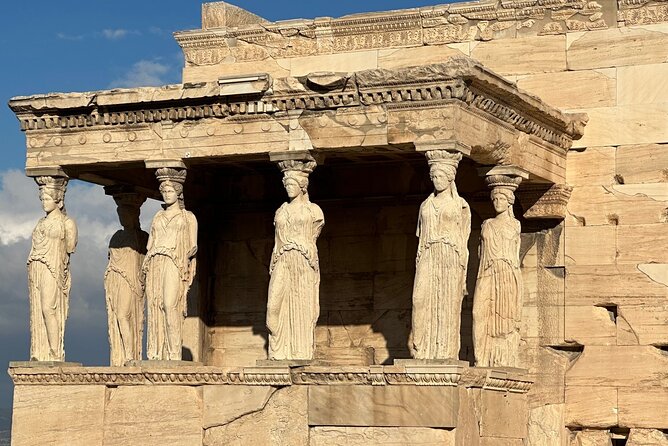
The heart of the “Paul in Athens” idea is the Ancient Agora plus Mars Hill, also known as the Areopagus.
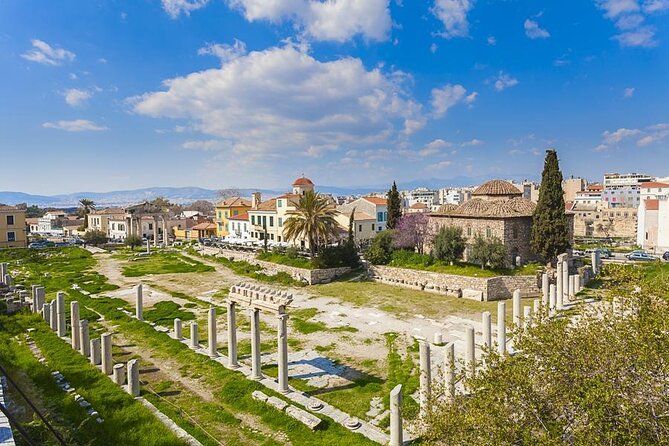
The Ancient Agora stop runs about 1 hour 10 minutes, and admission is not included in the base price. This is one of those trade-offs: the time window is solid, and the site fee is real, but it is also one of the best opportunities to connect the dots between marketplace life, philosophy, and the sermon setting.
The tour context you get here matters. The Agora is described as a central marketplace and a place of philosophical debate, with idol displays. Paul addressed these themes in discussions with Stoic and Epicurean philosophers. Once you have that framing, the remains feel less random. You can see how conversations, not just temples, shaped the religious atmosphere.
Then you move to the Areopagus area. You can expect around 20 to 30 minutes spread across the Mars Hill viewpoints, with admission listed as free. The tour highlights Paul’s famous sermon on Mars Hill from Acts 17:22, including the theme of the altar to the unknown god.
If you want a “how does Paul fit in Greek thought” moment, this is it. The description notes that Paul used Greek references and even drew on Greek figures (Epimenides and Aratus are mentioned) to communicate one God and the resurrection concept. That is exactly the kind of connection that turns Bible history into cultural history.
You will likely feel this most if you bring even a light interest in early Christianity, or if you are the kind of person who likes hearing how a message traveled across languages and ideas.
- All Day Cruise -3 Islands to Agistri,Moni, Aegina with lunch and drinks included
★ 5.0 · 4,958 reviews



Acropolis and Parthenon: sights first, entry decisions second
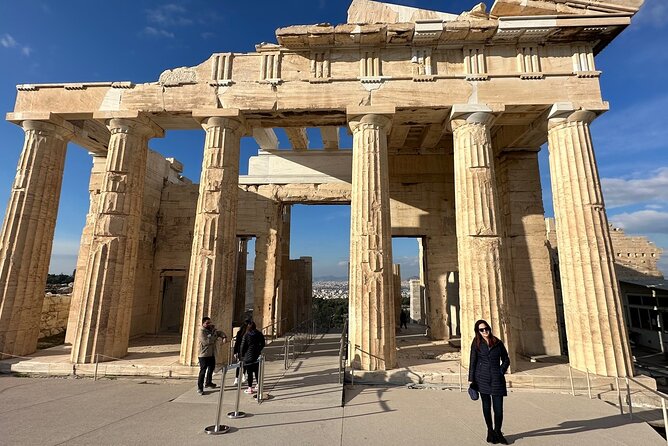
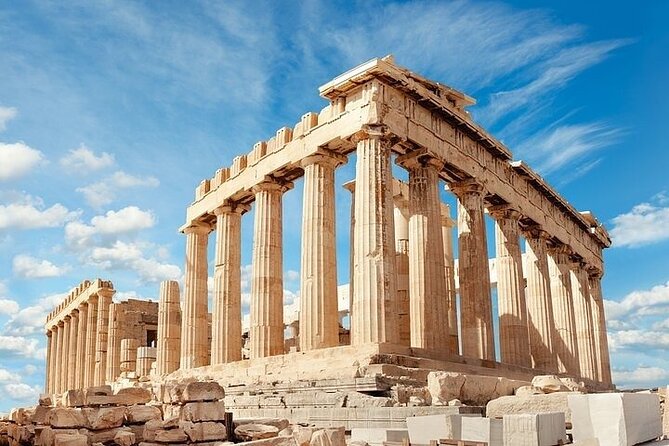
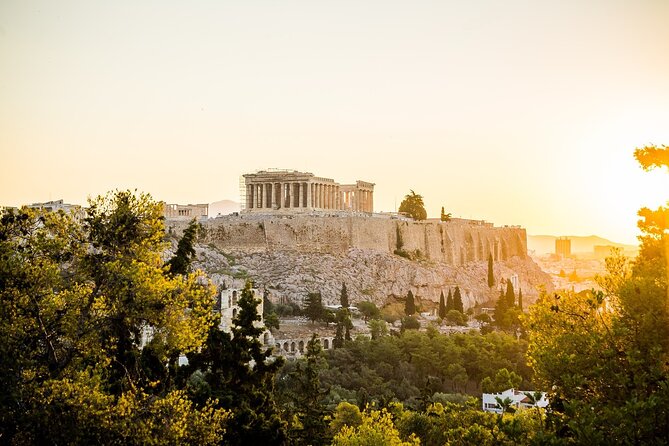
The Acropolis stop is built around the big icons: the Acropolis hill and the Parthenon area, with mention of the Erechtheion as part of what you can see. Time at the Acropolis is listed around 1 hour, with admission not included.
The Parthenon admission is priced separately as €30. The Ancient Agora is also priced separately as €20. This matters for budgeting, but it also shapes your experience. If you decide to enter, you will spend time waiting, walking, and dealing with crowds. If you decide not to enter, you will still get major viewpoints and great photo angles, but you will skip interior access.
For many people, the best value choice is to plan entry for the one site that feels most “must-see” for you, and treat the rest as photo stops. With this tour, those choices are basically the Acropolis Parthenon and the Ancient Agora, because both have explicit separate entry fees.
Also, the route emphasizes that you do not have to do the whole day at full uphill stamina level. That can be a relief for cruise passengers or anyone with limited time in Athens. You get the Acropolis as a centerpiece without turning the entire trip into a hike.
One more practical tip: wear shoes you can walk in right away. Even if the tour time is “short,” Acropolis terrain still demands grip.
Catholic Cathedral of St. Dionysius and why this Paul link is a clever stop
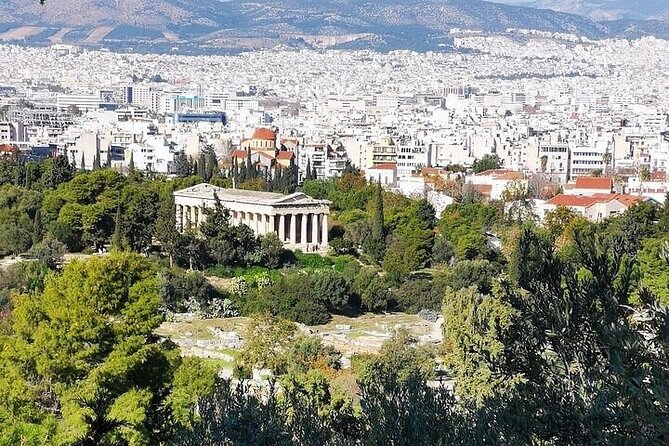
A nice surprise in the route is the Agios Dionysios Areopagitis Catholic Cathedral stop. It is listed as free and runs about 20 minutes.
The description calls it the seat of the Catholic Archbishop of Athens and notes it is a three-aisled neo-Renaissance basilica with frescoes and stained glass. It also connects the place to Saint Dionysius the Areopagite, who is tied to Acts 17:34 as a convert after Paul’s sermon on Mars Hill.
This is a clever stop because it gives you a “what happened next” feeling. Paul’s story is not only about a speech. It is about people hearing it and changing their lives. Having a dedicated church named for that figure is the kind of reminder that history carries forward in institutions and art.
If you are religiously curious, this is also the kind of stop that feels calm and reflective compared with the outdoor crowds around the biggest ruins.
Mount Lycabettus views and the church of Agioi Isidoroi
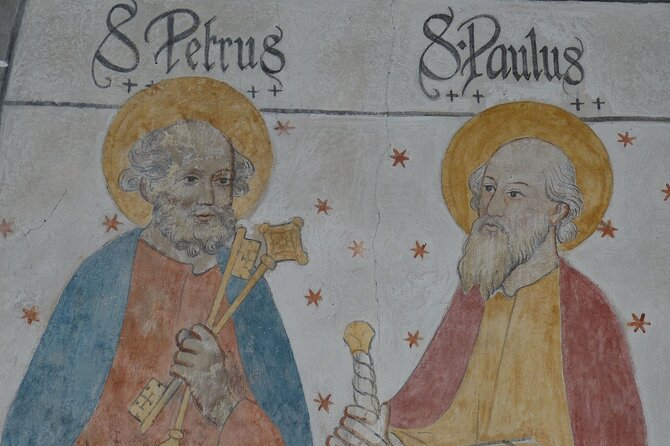
The day rounds out with Mount Lycabettus, about 15 minutes. This is mostly a viewpoint-style stop, with the church of Agioi Isidoroi noted at the hill’s southwest slope.
The church details matter here because they add meaning to the views. The church is dedicated to Saints Isidore of Chios and Isidore of Pelusium. The description says it was built on top of a cave, built in the 15th or 16th century, and it is presented as Byzantine architecture with a pilgrimage feel.
This is a good end stop because it turns the day from “site-to-site” into “breathe and look.” You get a sense of how the city sits around the Acropolis and the hills.
If your legs are tired, this is a practical choice. If you want a deeper hike or a longer time for sweeping panoramas, you might find the time short, but that is common for a half-day plan focused on multiple major landmarks.
Price and logistics: what you are really paying for
The base price is $154.74 per person, and the tour is private. You also get pickup and drop-off, plus transportation in a modern vehicle with WiFi, A/C, and bottled water. Car seats can be booked in advance if you need them.
That base price also buys you time management. The route is built so you hit multiple anchors: Daphni, the port-area tie-in, Ancient Agora, Mars Hill, and the Acropolis zone.
Where cost rises is entrances. The big separate fees listed are:
- Acropolis Parthenon: €30 per person
- Ancient Agora: €20 per person
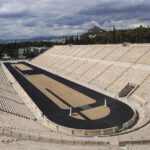
- Panathenaic Stadium (optional photo stop): €20 per person
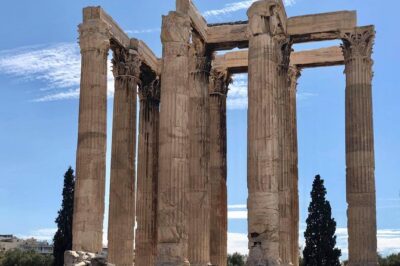
- Temple of Olympian Zeus (optional photo stop): €20 per person
These optional items are worth thinking about. If you are already doing the Acropolis, you may not need more ticketed big-name archaeology. But if you want a wider “Athens highlights” photo set and you have time, those optional stops can round out the day.
One more logistic point that affects value: this is private and can be customized. That is good, but it also means your “true cost” depends on which optional entry points you choose and whether you decide to enter the Acropolis and Agora.
If you want the cleanest budgeting, do this: add the two main entry fees (Acropolis and Ancient Agora) to the base price, then decide if you want either optional stadium or Zeus stop.
Who this tour fits best, and who should rethink it
This tour fits you if you want:
- A Christian and biblical Athens focus, tied specifically to Paul’s Acts 17 themes
- A car-first approach that prevents the day from turning into a marathon
- The chance to see Daphni’s UNESCO mosaics without spending extra time coordinating transport
- A guide-led storytelling feel, where people like Andreas and Costas are repeatedly praised for turning Paul’s journey into something you can picture
It may not be the best match if:
- You hate entrance fees and prefer everything outside. The two biggest “core” sites with explicit entry pricing are the Acropolis Parthenon and the Ancient Agora.
- You need very clear English with zero accent variation. One piece of feedback flagged that an English accent was difficult for some. If that is a deal-breaker for you, ask ahead which guide you will have, if the operator can share.
- You want a deep museum-style experience. This is time-boxed, and some stops are more “context and photos” than long indoor exploration.
Should you book this Apostle Paul private tour?
I think it is worth booking if you are choosing Athens for meaning, not just landmarks. The route gives you a direct line from Paul’s arrival atmosphere to the Agora and then to Mars Hill and the unknown god sermon setting, with a bonus Daphni mosaics stop that adds beauty and perspective.
If you book it, do two things to protect your time and value. First, decide in advance whether you will enter the Acropolis Parthenon and the Ancient Agora. Second, wear good shoes and bring something light that covers you for monastery or church spaces.
If your main goal is only photos from far away, you might prefer a sightseeing-only option with fewer separate admissions. But if you want the Paul story anchored to real Athens geography, this private setup is an efficient, faith-aware way to spend a half-day.
FAQ
How long is the Apostle Paul’s missionary journeys in Athens private tour?
The duration is listed as approximately 5 hours.
Is this tour private or shared?
It is private. Only your group participates.
Do you get pickup and drop-off?
Yes. Pickup is offered from your hotel lobby, the entrance of your Airbnb or apartment, or from the port or airport arrival area with a signboard showing your name. Drop-off returns you to your preferred location.
What language is the tour offered in?
The tour is offered in English.
Are entrance fees included for major sites like the Acropolis and Ancient Agora?
No. Entrance fees for the Acropolis Parthenon and the Ancient Agora are not included and are listed separately.
Which stops are free in the program?
Daphni Monastery, Areopagus (Mars Hill), and the Catholic Cathedral of St. Dionysius the Areopagite are listed as free.
Are lunch and drinks included?
No. Lunch and other beverages are not included.
Can I cancel for a full refund?
Yes. Free cancellation is allowed up to 24 hours in advance for a full refund. The experience also requires good weather, with an offer of a different date or full refund if canceled due to poor weather.
More Private Tours in Athens


More Tours in Athens


More Tour Reviews in Athens
- All Day Cruise -3 Islands to Agistri,Moni, Aegina with lunch and drinks included
★ 5.0 · 4,958 reviews
Not for you? Here's more nearby things to do in Athens we have reviewed






Athens Private Tours, compared.
 ★ 5.0Best of Athens Half Day Private TourFrom $913,714 reviews
 ★ 5.0Athens Full Day Private TourFrom $2442,903 reviews
 ★ 5.0Athens Greece Full Day private tourFrom $683785 reviews
 ★ 5.04 Hours – Athens & Acropolis Highlights Private TourFrom $181681 reviews
★ 5.0Athens Full Day Private TourFrom $205667 reviews
★ 5.04 Hours – Athens & Acropolis Highlights Private TourFrom $181681 reviews
★ 5.0Athens Full Day Private TourFrom $205667 reviews
 ★ 5.0Lake Vouliagmeni Thermal Spa And Temple Of Poseidon Private Full Day TourFrom $171578 reviews
 ★ 5.0Acropolis and Acropolis Museum Private Tour with Licensed ExpertFrom $188445 reviews
 ★ 5.0Athens Highlights Half Day Private TourFrom $305407 reviews