
Reviewed · CORINTH DAY TRIPS FROM ATHENS
Footsteps of Apostle Paul from Athens to Corinth, Private Day Tour
Paul’s footprints run through Athens. This private day tour ties the Bible to real streets and stones, from the Areopagus to Ancient Corinth, with easy pickup and A/C comfort.
I like two things most. I love the Areopagus and Ancient Agora stops because you stand in the same public spaces where Paul spoke to Greeks. I also like that it’s a true private group day, so your pace and priorities can steer the schedule.
One practical catch: your English-speaking driver will explain along the way, but they cannot enter archaeological sites. If you want a licensed guide inside Corinth, there’s an extra charge.
Key things you’ll like about Paul’s Athens to Corinth route
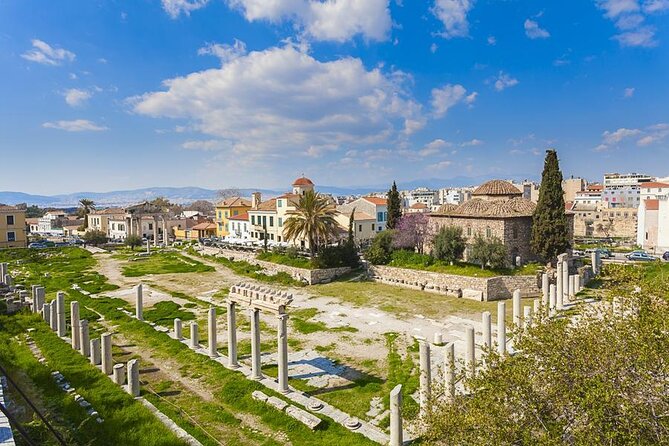
- Areopagus context in 360-degree Athens: a short stop with big meaning, tied to the speech about the Unknown God
- Ancient Agora time that feels like the city’s “center”: political, social, religious, and legal life in one area
- Iconic Athens stops without the chaos: Syntagma Square and the Changing of the Guard in a tight, efficient window
- Corinth Canal views on the drive south: quick, scenic, and historically tied to navigation
- Ancient Corinth at a human pace: longer time where Paul lived and worked, plus a port stop (Kechries) linked to sailing toward Ephesus
Why this day feels more meaningful than a normal sightseeing loop
This route works because it connects two layers of travel. You get the classic Athens highlights, and you also get the Bible story placed into real geography. It’s not just plaques and photos. You’re moving through the kind of public spaces where ideas spread fast.
I also like the day’s structure for how people actually travel. Some stops are short and scenic, others are longer and slower. That matters when you’re doing 7 to 8 hours of stops in the Greek sun, with transfer time between Athens and the Corinth region.
And because it’s private, you can ask for more time where your brain is still processing. One person may want every detail at Ancient Corinth. Another may care most about the Changing of the Guard moment at Syntagma Square.
You can also read our reviews of more private tours in Athens


Pickup and timing: what a private driver day really means
This tour starts at 8:00 am, with pickup available from Athens hotel areas, Piraeus hotels, or the Piraeus cruise port. You can also request pickup timing adjustments, and it works well if you hate rushing out the door.
The vehicle is air-conditioned and non-smoking, sized for your group (sedan, SUV, van, minibus). Parking fees are covered, and there’s bottled water included, which is a small detail but a real comfort when the weather turns warm.
Here’s the key thing to understand: your driver provides English commentary en-route, but they cannot enter archaeological sites. That affects how you plan if you want deep narration inside Ancient Agora or Corinth. There is an option to arrange a private licensed guide to escort you in the sites (additional cost applies, depending on availability).
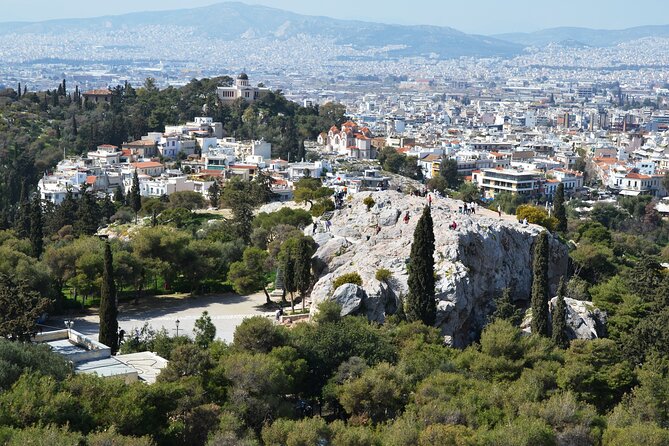
Areopagus: the rocky perch behind the Unknown God story
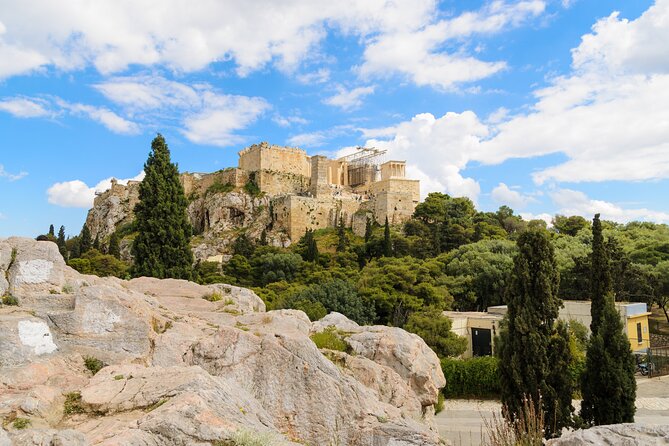
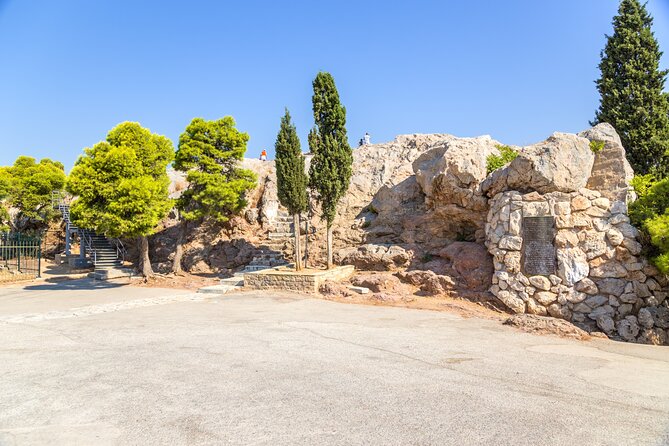
The Areopagus (Areopagus rock) sits northwest of the Acropolis. Historically, it shifted roles over time, from a council place in earlier Athens to a judicial court area in classical periods. That’s the kind of layered civic space you can feel when you look out over the city.
In Roman times, this is also the setting connected to Paul’s speech about an altar to the Unknown God. The experience works because the stop is short but focused, and you’re positioned to imagine how Paul’s words would land in a serious public place.
Admission is listed as free, so you’re not paying extra just to stand there and connect the story to the terrain. The time block is about 20 minutes, which is enough for orientation and a few photos, but not enough for a deep archaeological walkthrough.
Ancient Agora: where public life, law, and first preaching intersect
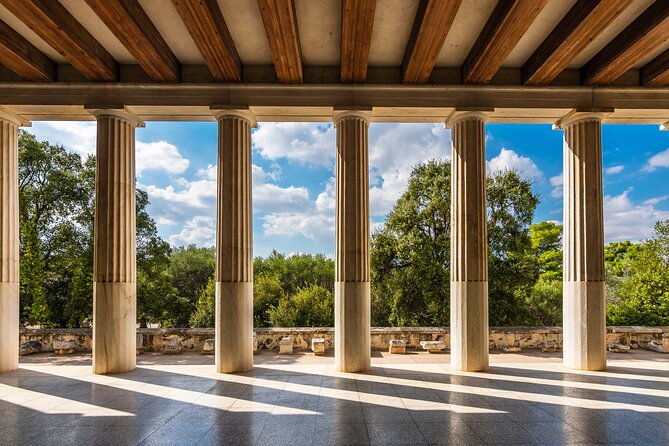
Next up is the Ancient Agora, the heart of ancient Athens. This area served as the city’s political, commercial, administrative, and social center, plus a religious and justice hub. That broad mix matters, because Paul’s preaching wasn’t happening in a quiet corner. It was happening in a place where people heard arguments, traded news, and debated beliefs.
You’ll also get the long timeline. The site saw activity from the Late Neolithic period, then became a public area in Solon’s era in the early 6th century. That long occupation makes the Agora feel like a layered “meeting place” across centuries.
The Bible connection tied to this tour is Paul preaching Christianity to Greeks for the first time in 51 A.D. The stop time is about 1 hour 30 minutes, and admission is not included here. If you want to visit the Agora museum too, the listed entrance fee is €20 per person.
If your group wants maximum context, this is one of the best places to consider the extra help of a licensed site guide, since the driver’s commentary is en-route rather than inside the ruins.
Athens icons near the Acropolis: Olympian Zeus and the Stadium vibe
After the Agora, the day shifts into Athens landmarks that help you “see the city” while you’re still in Paul’s starting zone.
One of the major stops is the Temple of Olympian Zeus. The structure once had massive column layouts described as tripteral octastyle on the short sides and dipteral eikosastyle on the long sides. Today, sixteen columns survive, with thirteen of them intact on the east side. One collapsed in 1852, which is a reminder that even iconic sites have rough chapters in their survival.
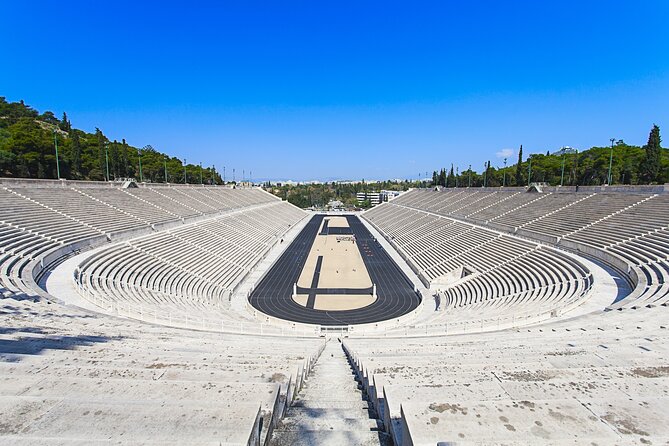
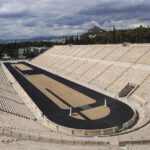
Then there’s the Panathenaic Stadium. This is the kind of stop that surprises people who think it’s only for sports fans. It began as a natural hollow ground between hills, was turned into a stadium in 330 to 329 BC for the Great Panathenaea, and later restored in the early 2nd century AD by Herodes Atticus. The measurements on record for the track and width help you picture the scale, and it’s associated with large crowds in antiquity.
Panathenaic Stadium is listed with free admission, about 15 minutes. That’s short, but it’s a good “reset” stop between more information-heavy places.
- All Day Cruise -3 Islands to Agistri,Moni, Aegina with lunch and drinks included
★ 5.0 · 4,958 reviews


Panathenaic and Hadrian’s Arch to Syntagma Square: classic Athens, efficient timing
You also pass by or pause for a few major city moments that make Athens feel like Athens.
There’s a stop for the triumphal arch built by the Athenians in A.D. 131 honoring Emperor Hadrian. Two inscriptions on the architrave tell the story from two sides: one facing the Acropolis reads Athens as the ancient city of Theseus, and the other facing the new city reads as the city of Hadrian.
From there, you move to Syntagma Square, also called Constitution Square. It’s a huge public plaza outside the Parliament building, and it’s a natural hub where major streets begin. For a first-time visitor, this is where you get your bearings fast.
The time blocks are short for each stop, which is smart on a day like this. You get key Athens photo moments without losing the thread of Paul’s journey.
Monument to the Unknown Soldier and the Changing of the Guard
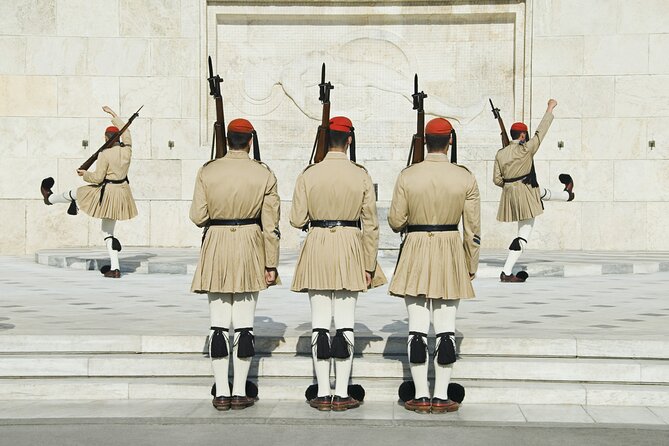
This is one of those moments that many people keep thinking about after the tour ends. The Monument to the Unknown Soldier is a war memorial in Syntagma Square, guarded 24-7 by the Evzones (Presidential Guards). The Changing of the Guard ceremony happens at both the Presidential Mansion and near the Tomb of the Unknown Soldier.
This tour includes time for both the monument visit and the ceremony window, about 15 minutes each. It’s free, and it’s one of the easiest ways to see a living tradition in the middle of a packed city day.
Practical tip: this ceremony can draw crowds, so timing matters. Guides for this day are reported to aim for the best moment to see it, which makes a difference when you’re trying to get a view without spending your whole stop stuck behind other heads.
Corinth Canal: the quick engineering stop that changes how you picture Greece
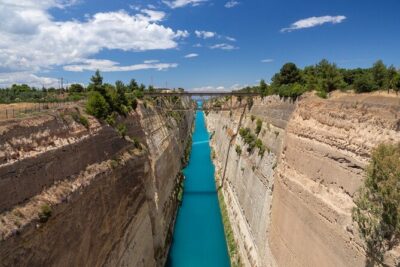
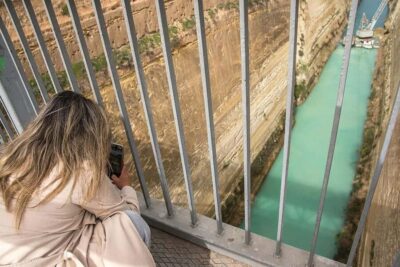
Once you leave Athens and head toward Corinth, you get a stop at the Corinth Canal. This narrow man-made canal is described as an important navigational route, linking the Gulf of Corinth with the Saronic Gulf. It effectively separates the Peloponnese into an island compared to the Greek mainland.
The canal is short, about 6.3 kilometres, with depth and width stats that explain why it mattered to ships. Surrounding walls rise roughly 170 feet, and the canal can save a ship a longer journey of about 185 nautical miles, depending on routing.
You’ll spend around 30 minutes here, and the admission is listed as free. It’s not the longest stop, but it’s a memorable one. It also helps you “feel” the geography behind Paul’s world, where travel by sea and coastal routes mattered.
Ancient Corinth: the core stop where Paul’s story gets physical
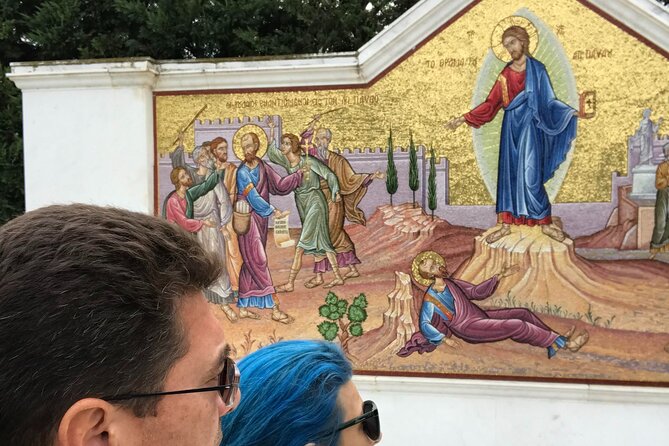
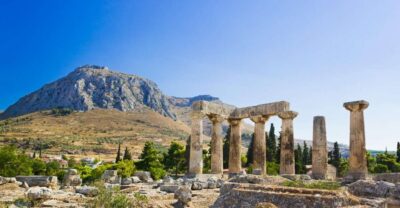
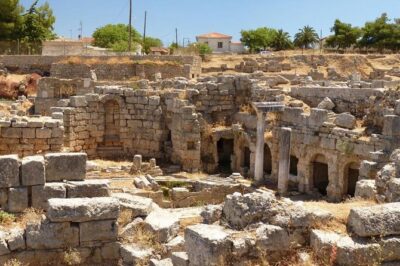
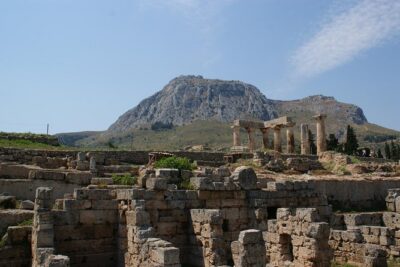
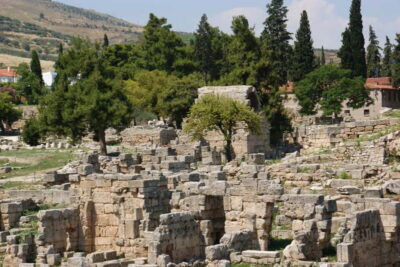
Ancient Corinth is where the day’s meaning really tightens. Paul first visited Corinth in about AD 49 or 50, and he stayed for roughly eighteen months. Here you also meet the story thread about Paul working with Priscilla and Aquila as tentmakers, and regularly attending the synagogue.
The account linked to this stop also ties to Gallio, the proconsul of Achaia, who presided over a trial that helped fix a secure date for the Acts timeline. That’s a big deal if you care about accuracy more than vibes, and it’s one reason this stop is often the favorite for people on the day.
You’ll get about 1 hour 30 minutes here. Admission is not included, and the listed fee to visit Ancient Corinth and the museum is €15 per person.
Important logistics point: your driver can’t escort you inside the site, so your experience will depend on how much context you want on the ground. If you want deeper explanations while you’re walking the ruins, the tour can arrange a licensed guide for Corinth for an additional €200 (depending on availability).
Also, the terrain can be steep and uneven in parts. Comfortable shoes help because you’re not just looking, you’re moving.
Kechries Port: where Paul’s sailing route gets a place to stand
The final stretch in the Corinth area includes Kechries. In ancient times, Kechries was one of Corinth’s two ports, and this is presented as the port from which St. Paul sailed toward Ephesus.
This stop is short, about 15 minutes, but it hits emotionally for many people because it shifts your focus from speaking in synagogues to travel and departure. You’re no longer only imagining Paul’s words. You’re imagining his route.
Admission is listed as free. If you’re the type who likes to end a religious-historical tour with a sense of motion rather than just more ruins, this is a good closing note.
Price and value: what you get for $286.02 per person
At $286.02 per person, the biggest value isn’t the ruins themselves. It’s the private structure: hotel or port pickup and return, a dedicated vehicle with A/C, and skip-the-line service for purchasing appropriate entrance tickets in advance.
You’re also paying for time. The tour is built as a full day with transfers from Athens to the Corinth area, plus multiple Athens stops. That kind of routing is hard to recreate on your own without losing half a day to planning and transportation logistics.
Where the price can feel less clear is entrances. Some stops are free (like Areopagus, Panathenaic Stadium, Syntagma Square area moments, Corinth Canal, and Kechries). But key paid areas are spelled out: Ancient Agora and its museum (€20 per person), plus Ancient Corinth and its museum (€15 per person). So your final cost depends partly on whether you add those entrances.
A smart way to think about value: if you want your day to be guided in a Christian-biblical narrative sense, with a vehicle and timing handled, this price is in the “worth it” zone. If you only want one or two ruins, a cheaper self-guided plan may be more cost-effective.
Comfort, heat, and pacing: how to have an easy day on the road
This day can be long, and June and summer conditions can be intense. Bring sunscreen and a hat, and make sure you carry water even though bottled water is included. The route involves walking in archaeological areas and waiting moments for the ceremony.
Pacing is one of the reasons people love the private format. One of the strengths described in feedback is that guides sometimes adjust timing to help you avoid peak crowd moments, especially around the Changing of the Guard. That means you spend your limited sightseeing time actually seeing the thing, not just waiting for a clear photo.
Lunch is not included. So either plan a stop meal on your own or ask your driver for practical restaurant ideas that fit your schedule. A good suggestion can save you time, and time is the main currency on this kind of day.
Should you book the Athens and Corinth Footsteps of Apostle Paul private tour?
Book it if you want an organized, private day that connects Bible context to real places, and you’re comfortable paying for entrance fees where they’re required. This is especially good if you care about Paul’s route and you want a driver who can explain what you’re seeing while you move between stops.
Skip it (or consider a lighter plan) if you hate extra costs for museum tickets, or if you strongly prefer a dedicated licensed archaeologist-style guide inside every site. The driver can’t enter the archaeological areas, so you might need the optional licensed guide add-on in Corinth to get the level of detail you want.
If you do book, wear good shoes, bring sun protection, and decide ahead of time what matters most to your group, Areopagus, Agora, Corinth ruins, or the Kechries port moment. Then you’ll get a day that feels tied together, not just stacked.
FAQ
How long is the Footsteps of Apostle Paul from Athens to Corinth tour?
It runs about 7 to 8 hours.
What time does the tour start?
The start time is 8:00 am.
Is this a private tour?
Yes. Only your group participates.
Where can I be picked up?
Pickup is offered from Athens center hotels, Piraeus hotels, and the Piraeus cruise port. You can also request pickup from another address if you provide the exact location.
What language is the tour in?
The tour includes English, and the driver provides commentary in fluent English while en-route.
Are entrance fees included?
No. Entrance fees are not included for Ancient Agora and the Agora museum (€20 per person), and for Ancient Corinth and the museum of Corinth (€15 per person). Some stops are listed as free (like Areopagus, Panathenaic Stadium, Corinth Canal, and Kechries).
Can the driver enter archaeological sites with you?
No. The driver provides commentary en-route but cannot enter archaeological sites. A private licensed guide for site escort in Corinth can be arranged for an additional cost (200€), depending on availability.
Does the tour include ticket help or skip-the-line service?
Yes. There is a skip-the-line service to purchase the appropriate entrance tickets in advance.
Is lunch included?
Food and drinks are not included unless specified.
What is the cancellation and weather situation?
Free cancellation is allowed up to 24 hours in advance for a full refund. The experience requires good weather, and if it is canceled due to poor weather, you’ll be offered a different date or a full refund.
More Private Tours in Athens


More Tours in Athens

More Tour Reviews in Athens
- All Day Cruise -3 Islands to Agistri,Moni, Aegina with lunch and drinks included
★ 5.0 · 4,958 reviews
Not for you? Here's more nearby things to do in Athens we have reviewed



Corinth Day Trips from Athens, compared.
 ★ 4.6From Athens: Ancient Corinth Day Trip with Canal & VR GuideFrom $411,073 reviews
 ★ 5.0Private Biblical Tour Ancient Corinth & Isthmus Canal from AthensFrom $301762 reviews
 ★ 4.8Ancient Corinth & Nafplio Full Day Trip with SwimFrom $44523 reviews
 ★ 5.0Private Tour of Apostle Paul’s Footsteps in Ancient CorinthFrom $169275 reviews
 ★ 4.5Corinth Half-Day Trip from Athens with Entrance TicketsFrom $91242 reviews
 ★ 4.7Ancient Corinth & Nafplion Guided Premium TourFrom $34237 reviews
 ★ 4.4Corinth Canal, Mycenae and Nafplio Day TourFrom $33233 reviews
 ★ 4.6From Athens: Ancient Corinth Tour Official Guide & TicketsFrom $86208 reviews
Browse the lists this tour appears in