
Reviewed · ATHENS PRIVATE TOURS
Semi-Private Tour Athens to Tirana; Greece, Albania & N.Macedonia
Seven days, three countries, big memories.
This is the kind of trip that strings together UNESCO powerhouses with real street time in the Balkans, all without you micromanaging. I like how the plan moves from Greek temples to cliff-top monasteries, then into Albania and onward to Ohrid, with lots of moments to just walk and look. It’s also run as a small group, up to 10 people, so the day feels semi-private instead of chaotic.
Two things I especially like: the convenience of a hotel pickup in Athens and drop-off in Tirana, plus private transportation that keeps transfers straightforward. I also like that your sightseeing is paired with actual wandering time, like in Ioannina’s old town and the stepped lanes around Berat.
One possible drawback to know up front: it is a lot of driving in a single week, and lunches and dinners are not included. If you’re the type who needs long, relaxed meal breaks, you may feel a bit rushed.
Key highlights you’ll care about
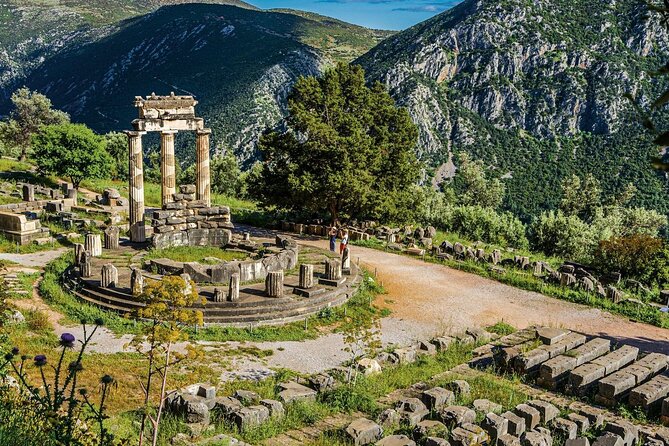
- Delphi then Meteora in one arc: ancient drama sites, plus monk life on towering rock formations
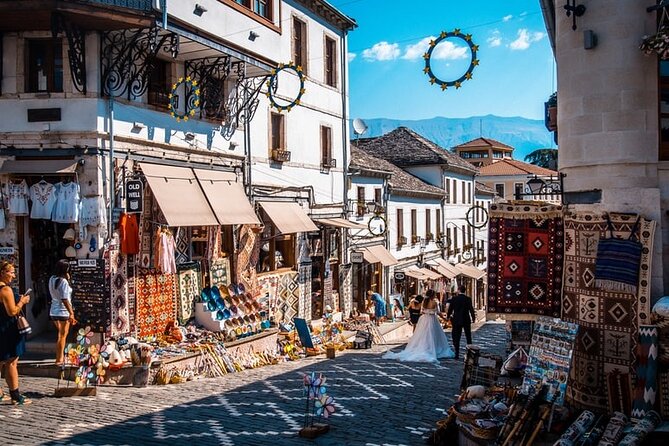
- Stone-city atmosphere in Gjirokastër: fortress-like houses, bazaar streets, and a preserved home
- Berat’s layered old town: the famous 1001-windows look, castle views, and the Onufri connection
- Lake Ohrid region charm: St Naum’s springs and Ohrid’s iconic churches and sites
- Tirana food and history loop: byrek breakfast, Albanian coffee culture, and Bunk’art 2
Starting In Athens: Pickup, Private Transport, And A Small-Group Pace
If you’re starting from Athens, the first smart move is that you don’t have to figure out how to get out of the city. The tour begins with pickup at your hotel in Athens around 9:00 am, and the end is drop-off at your hotel in Tirana. That door-to-door feel matters, because the rest of the week is all about keeping your head clear while you travel across sites.
You’ll be moving by private transportation, and the group size is capped at 10 travelers. In practice, that means your days are usually organized without feeling like you’re packed into a coach. You also tend to get quicker answers from the tour leader when you have questions.
The real trade-off is time. This route covers major stops in Greece, Albania, and North Macedonia, so you should expect a busy rhythm. If you want a slow, one-city-at-a-time vacation, this probably won’t feel calm. But if you want a well-paced highlights tour with enough breaks to enjoy the places, it works.
You can also read our reviews of more private tours in Athens


Delphi and Meteora: UNESCO Drama, Then Cliff-Top Monasteries at Sunset
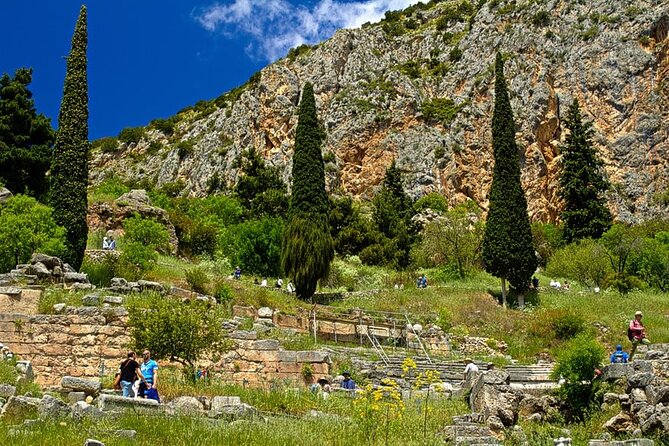
Delphi is the opening “wow” stop, and it’s a good choice to start with. After Athens, you drive to Delphi, the UNESCO site packed with ancient monuments you can actually see and walk around. You’ll spend about an hour here, which sounds short, but it’s enough to grasp the layout and hit the major names on the grounds.
What makes Delphi special for me is how it reads like theater. The Temple of Apollo gives you the sacred focus. Then you move past places like the Treasury of the Athenians, the Theatre, and the stadium area, and suddenly the site feels like a stage for old civic life. The museum adds context, including items tied to the classical world (including a statue of Antinoos and the famous bronze Charioteer).
After Delphi, you head to Meteora, also UNESCO, built around the monasteries that sit on top of rock formations. Meteora is where the trip changes mood, from classical stone to dramatic cliffside living. You’ll have about two hours, with time to look around and, importantly, catch a sunset moment. Even if you’re not the “golden hour” type, Meteora’s scale does something to your brain. The light changes fast, and you feel it in the way the rocks and monasteries turn from sharp to soft.
Practical note: bring something warm for Meteora sunset. Even in good weather, exposed rock sites can cool down quickly.
Ioannina Old Town and the Castle: Byzantine and Ottoman Layers You Can Walk Through
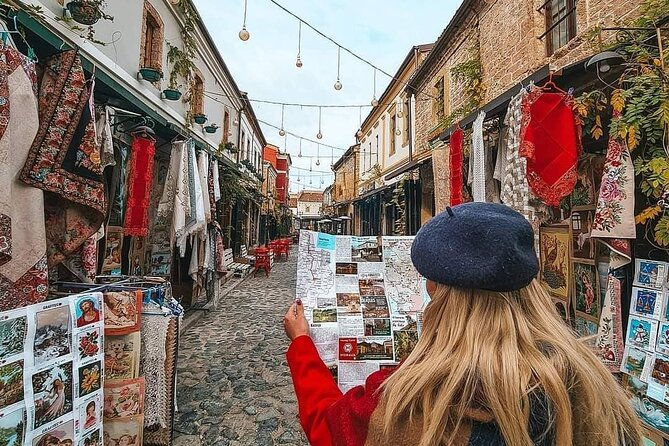
From Meteora, the route shifts toward Greece’s Epirus region, and your first major stop is Ioannina. You get around three hours, which is a great length for a town like this. It’s long enough to wander, short enough to keep energy for the next day.
Ioannina’s old town is a mix of Byzantine and Ottoman-era architecture, so you don’t just see buildings, you see layers. Cobblestones plus old walls plus smaller streets add up to that “I’m inside history” feeling that doesn’t require a museum ticket. The tour also brings you to Ioannina Castle, dating back to the Byzantine period, and inside you’ll find a maze of narrow lanes and historic buildings.
What I’d watch for as you walk is the small rhythm of local life. You’ll pass cafes and side streets where people linger. That matters, because Ioannina is not only about landmarks, it’s about the way the town still functions.
You’ll also have time on your own to stroll the old town. Use that time. Don’t spend it just on photos. Walk far enough that you start to feel like you know the geometry of the streets.
Gjirokastër, The Stone City: Fortress Houses, Bazaar Streets, And A Preserved Home
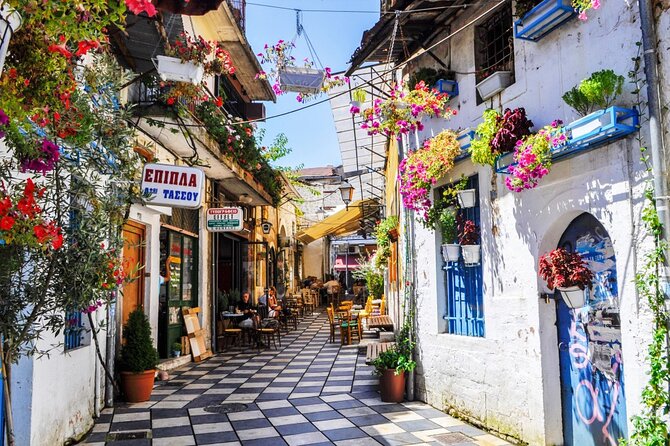
Crossing into Albania, the tour hits Gjirokastër, known as the Stone City and recognized by UNESCO for its historic architecture. This is one of those places where the city shape is part of the story.
You’ll have about an hour for the castle-area experience, and it’s built around the fortress city feel. Many houses resemble small fortresses, which makes sense when you look at the terrain and defensive walls. The origin of the city is tied to a castle presence in the early centuries, and the town’s medieval preservation comes through in the way the streets climb and compress.
Then the plan adds the bazaar and the domestic side of the city. Right before you enter the castle area, you pass through the medieval bazar, with stone streets and handmade craft shops. This is where you can pick up small items if you want, but more importantly, it gives you the texture of how the town trades.
The highlight for me is the visit to Skenduli House, described as one of the best-preserved and authentic houses in Gjirokastër. Houses like this help you understand that these weren’t just pretty exteriors. They were lived-in systems built for comfort, defense, and family life.
If you go at a slow pace, you’ll notice how the town’s elevation changes your viewpoint constantly. Take your time. The city is easier to understand when you stop often.
Berat and the 1001 Windows: Castle Views, Onufri’s Art, And Everyday Ottoman Street Life
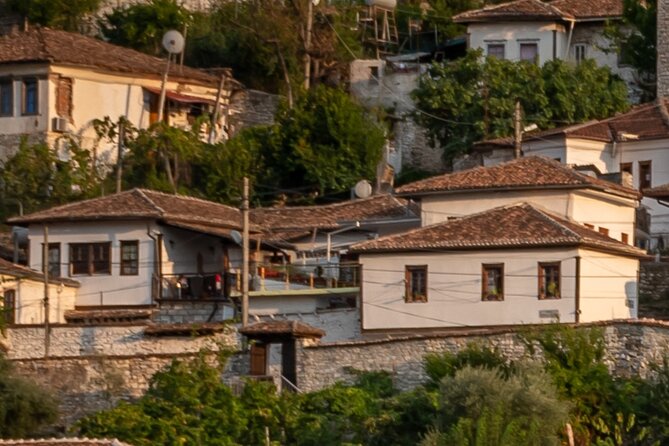
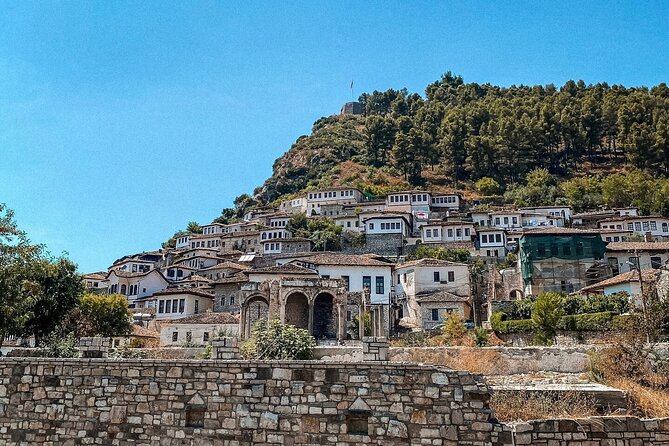
After breakfast, the tour heads to Berat, known as the town of 1001 windows. It’s UNESCO, and it earns the nickname honestly. As you walk through the narrow stone streets, you look up and see how the windows stack and overlap on hillside homes.
Berat’s story is layered. The city grew from older settlements and later evolved into a castle city called Antipatrea. What’s unique is that people still live inside the castle walls, so it doesn’t feel like a dead museum set. It feels like a living town shaped around old architecture.
Your time in Berat is broken into multiple stops, which is smart. You start with the old town walk, then visit Berat Castle, then the National Iconographic Museum Onufri, then the Gorica Bridge and neighborhood area.
The castle stop is about gaining height and perspective. From there, you can see how the old town stretches across slopes and how the religious buildings sit in the wider layout. The tour also points you to the Onufri museum, connected to the painter Onufri, known for a particular reddish color used in church art. If you like religious art, this is a good bonus stop because it gives you a name and a visual idea to look for.
By the time you reach Gorica Bridge and the Gorica area, the mood shifts again. You’re not only looking at grand sites. You’re walking along the connections between neighborhoods, which is where Berat feels most real.
- All Day Cruise -3 Islands to Agistri,Moni, Aegina with lunch and drinks included
★ 5.0 · 4,958 reviews



Drilon National Park, Tushemisht, and St Naum: A Gentle Break Before Ohrid
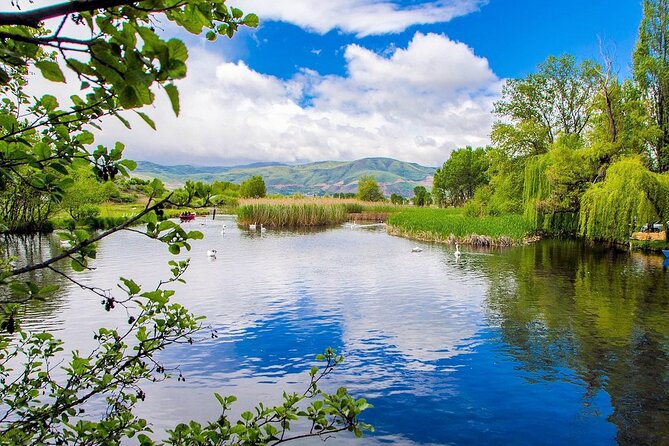
Day six moves the trip toward North Macedonia. Before you reach the Ohrid region, you stop at a few calmer nature and village spots, and I think that’s one of the smartest parts of the itinerary.
First is Drilon National Park, with a small lake formed by water springs and surrounded by greenery. There are weeping willows along the shoreline, which creates a quiet, shaded vibe. This is the kind of pause that helps after long drives. You’re given about an hour, which is enough to walk a bit, look at the water, and reset.
Next you stop in Tushemisht, described as a hidden gem with warm hospitality and a mix of nature and culture. You’ll only have about 30 minutes, so think of it as a quick taste stop. Use the short time to stretch your legs and grab a sense of the lake area atmosphere.
Then comes St Naum, a monastery complex connected to the springs of the River Crni Drim. The key detail is location. It’s right at the source of the river that flows through Lake Ohrid. You’ll have about an hour here, with time to appreciate the water, greenery, and the protected area setting.
If you want one simple travel tip for this day: keep your schedule light on expectations. Don’t try to “see everything” at each stop. Let St Naum be the moment where you slow down.
Ohrid City Highlights: UNESCO Lake Time, Church Views, and Iconic Sites
Ohrid is one of those destinations that feels like it should take longer than a single day. Still, your plan gives you about three hours to understand both the lake side setting and the city’s religious landmarks.
Ohrid and the surrounding lake area are UNESCO sites, and the tour frames Ohrid’s depth by mentioning it as one of Europe’s oldest human settlements. You also get cultural context through stories about Illyrian roots and Roman naming, which helps you connect the modern town to older timelines.
The route includes key sights around central Ohrid. You’ll visit the viewpoint of the church of St. John, then church of St. Nicolas, and the Halveti Hayati Tekke mosque. That mix of Orthodox Christian churches and Islamic-era religious architecture gives you a fuller picture of how Ohrid evolved across empires.
There’s also a powerful detail to notice as you walk: the tour mentions Ohrid’s reputation for having 365 churches, often described as one for each day of the year. Even if you don’t count them yourself, it sets a frame for what you’re seeing. The religious architecture is not random. It’s part of the city’s identity.
One practical thing: Ohrid involves viewpoints and walking in uneven terrain. Wear shoes you trust. You’ll get more out of the day if your feet feel stable.
Tirana Food Loop and Bunk’art 2: Local Flavors Plus Modern History
The final day is all about Tirana, and it’s not structured like a checklist. It’s structured like a local food and culture walk, paired with a history museum.
You meet with a local companion and start at Tregu Çam, with a chance to try byrek and have a more local style breakfast. Byrek is central here, with fillings like cheese, meat, and spinach. This stop matters because it gets you eating early, before the city turns into a “where should we go next” scramble.
Next is Çam bazaar, a place tied to the Çam community. The tour includes time to browse, with options ranging from clothes to kitchen equipment, plus bargaining in the marketplace style. Even if you don’t buy anything, it’s a good way to understand how trade works in Tirana day to day.
After that, you get a second Tirana segment that’s designed to help you skip predictable tourist traps. You’ll walk through local neighborhoods, stop for traditional dessert at a pastry, and then join locals at a cozy café to taste Albanian coffee. The tour also mentions you can watch street markets with produce sellers, which helps you connect the city’s energy to daily life, not only sightseeing.
Then it shifts to Pazari i Ri, including the Bicycle bazaar and the New Bazaar. You’ll try qofte (grilled meatballs) with bread, and vegetarians can try bread with Albanian Gjize (cottage cheese). You’ll also taste raki as part of the lunch experience.
The day ends at Bunk’art 2, a museum built inside a former nuclear bunker designed for Enver Hoxha and close party members during the Cold War. It was hidden from the public until 2014 and converted into a museum focused on history and daily life during the communist period. Even if you don’t love war-era history, this stop is memorable because it’s about how ordinary people lived inside systems built for power.
Price and Logistics: Is $2,636 Per Person Good Value?
At $2,636.15 per person, this isn’t a budget trip. The value comes from what’s bundled and how much ground you cover.
Here’s the practical math to think about:
- You get 3-star hotels with breakfast on all overnights (breakfast included is a real cost saver).
- You get private transportation for a multi-day route across borders.
- You have a professional tour leader for the whole trip.
- Entry tickets for the sites you visit are included, and tourist taxes are covered.
- You get hotel pickup in Athens and hotel drop-off in Tirana, which removes two major planning headaches.
What’s not included: lunches, dinners, drinks, and snacks. That means you’ll still spend on food, especially in cities where meals can add up quickly. Also, since it’s a full-on route, you should budget for occasional impulse purchases or bottled water.
So is it worth it? If you want a guided route that links Delphi, Meteora, Berat, Ohrid, and Tirana without you researching every transfer and entry, it can feel like good value. If you’re the type who wants to travel slowly and eat at your own pace, you may feel the schedule tightness more than the cost.
For me, the sweet spot is: you’re comfortable with a busy week, you like history and viewpoints, and you want the reassurance of being looked after.
Who Should Book, And Who Should Consider Another Style
This tour fits best if you:
- Want a small group feel with a leader handling the route and site flow
- Like UNESCO sites and want to hit several major ones in a single week
- Enjoy walking old-town streets, especially places like Berat and Gjirokastër
- Are interested in both history and food culture, since Tirana has a strong food-and-coffee focus
It may not be ideal if you:
- Prefer long stays in one city
- Struggle with lots of driving and frequent schedule changes (weather and site access can affect timing)
- Need all meals included, because lunch and dinner are on you
One plus that people consistently appreciate with this operator type of tour is the human side. In the feedback you can see themes like guides being friendly and booking support making pre-trip planning smoother. If you’re traveling with friends, the small size also keeps the vibe more personal.
Should You Book This Athens to Tirana Tour?
If your goal is to see Greece and the Balkans highlights in one coherent week, with guides, tickets, and transportation handled, I’d say you should strongly consider booking. The route makes sense: Delphi sets the classical tone, Meteora gives you dramatic scale, Albania brings you living old towns, and Ohrid plus Tirana rounds it out with both lake beauty and modern city culture.
Book it if you’re happy to move often and manage meals on your own. Skip it if you want a slow, minimalist itinerary.
FAQ
What is the tour duration?
The tour duration is listed as approximately 7 days.
Where does the tour start and end?
It starts in Athens, Greece, and ends in Tirana, Albania, with drop-off at your hotel in Tirana.
What time does the tour start in Athens?
The start time is 9:00 am.
How many travelers are on the tour?
The maximum group size is 10 travelers.
Is hotel pickup and drop-off included?
Yes, hotel pickup in Athens is included, and hotel drop-off in Tirana is included.
What’s included in the accommodation and meals?
Accommodation is listed as 3-star hotels with breakfast (BB) for all overnights.
Are entrance tickets included?
Yes, entry tickets for the sites you will visit are included.
Are lunch and dinner included?
No. Lunches, dinners, drinks, and snacks are not included.
Are there any recommended tips?
Tips are not a must in the Balkans, but it’s recommended to tip the tour leader and driver as an international practice for good service.
Is the booking refundable if plans change?
The experience is non-refundable and cannot be changed for any reason. If you cancel or ask for an amendment, the amount paid will not be refunded.
More Private Tours in Athens


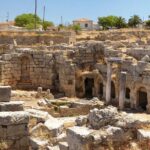
More Tours in Athens

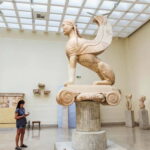
More Tour Reviews in Athens
- All Day Cruise -3 Islands to Agistri,Moni, Aegina with lunch and drinks included
★ 5.0 · 4,958 reviews
Not for you? Here's more nearby things to do in Athens we have reviewed
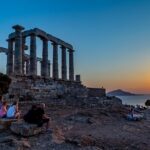






Athens Private Tours, compared.
 ★ 5.0Best of Athens Half Day Private TourFrom $913,714 reviews
 ★ 5.0Athens Full Day Private TourFrom $2442,903 reviews
 ★ 5.0Athens Greece Full Day private tourFrom $683785 reviews
 ★ 5.04 Hours – Athens & Acropolis Highlights Private TourFrom $181681 reviews
★ 5.0Athens Full Day Private TourFrom $205667 reviews
★ 5.04 Hours – Athens & Acropolis Highlights Private TourFrom $181681 reviews
★ 5.0Athens Full Day Private TourFrom $205667 reviews
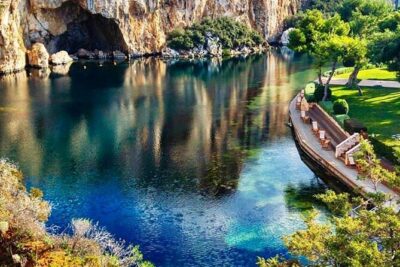 ★ 5.0Lake Vouliagmeni Thermal Spa And Temple Of Poseidon Private Full Day TourFrom $171578 reviews
 ★ 5.0Acropolis and Acropolis Museum Private Tour with Licensed ExpertFrom $188445 reviews
 ★ 5.0Athens Highlights Half Day Private TourFrom $305407 reviews