
Reviewed · CORINTH DAY TRIPS FROM ATHENS
St. Paul’s Footsteps: Biblical Ancient Corinth & Daphni Monastery
A Paul route without the crowd rush. This 8-hour day links Ancient Corinth, Acrocorinth, and the Monastery of Daphni into one focused loop you can move through at your pace. I like that you get a private Athens-to-Corinth transfer, plus onboard Wi-Fi and clear stop-by-stop timing.
Two things I especially like: photo-friendly timing at the Corinth Canal and Temple of Apollo, and a calmer way to enjoy the big-name sites without feeling herded along. In Ancient Corinth, you’re on your own through the ruins and museum, and the driver can still give practical advice that helps you spot major areas, like the Bema Seat.
One consideration: you will not have a licensed tour guide entering the sites with you, and you’ll also want to budget for the paid entrances at Ancient Corinth and the Archaeological Museum of Corinth (sold on site).
Key things to know before you go
- Private group up to 4, so the day feels controlled instead of chaotic
- Pickup from Athens or the Piraeus port keeps travel time from stealing your sightseeing hours
- Driver guidance without site entry, so you learn and still get time to wander
- Entrance fees are not included for Ancient Corinth and the museum, plan for €15 per person
- Wi-Fi on board plus bottled water, useful for maps, messages, and quick breaks
- Daphni Monastery mosaics offer a UNESCO-style arts stop after the Corinth sites
How this St. Paul route feels different from a big-group day
This tour is built for people who want the classic Corinth-and-Paul story, without the pressure of a large group timetable. You still get a structured run of seven stops, but the key is how you experience them: you can linger at what grabs you, take photos without asking permission every 20 seconds, and regroup when you feel like it.
You also avoid a common Athens problem. Many days trip out to Corinth, but the ride can eat your best daylight. Here, you’re picked up at your Athens address or the Piraeus port, then transported in an air-conditioned vehicle for about 8 hours total. That means more time at the places that matter and less time negotiating transit.
Finally, this is a good match for travelers who like context. You’ll move from landscape to stonework to art to views, so your brain keeps connecting the dots: canal geography, city ruins, clifftop fortress, port departure points, then Byzantine mosaics outside Athens.
You can also read our reviews of more tours and experiences in Athens.


Getting picked up in Athens (or the Piraeus port) and staying connected
The pickup is one of the smartest parts of the day. If you’re staying in Athens, you’ll be collected at your residence or hotel. If you’re arriving through the Piraeus port, you also get a straightforward transfer option. That reduces the usual “where do we meet, who is late, and what bus do we take” stress.
On the practical side, the vehicle includes bottled water and Wi-Fi on board. I like that detail because it keeps you from blowing your phone budget just to open a map or check messages. It also makes it easier to plan photo breaks or timing your own restroom stops around the schedule.
One more detail worth noting: you have professional drivers with history commentary. They are not licensed to accompany you into the sites, but they can answer questions and explain what you’re looking at while you’re riding. That’s a good balance if you want facts without stopping your walking flow.
Corinth Canal: the quick engineering moment that frames the whole region
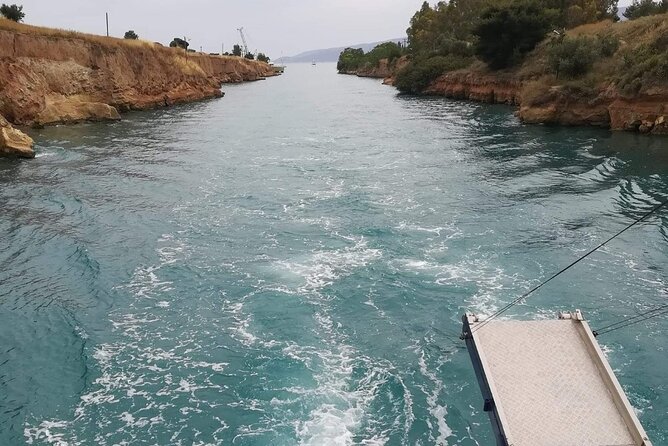
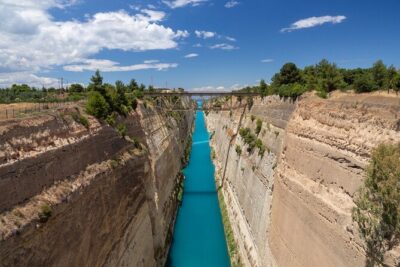
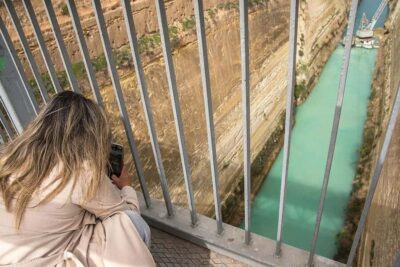
Corinth Canal is short on time, but it’s an excellent opener. The canal cuts through the narrow Isthmus of Corinth, linking the Aegean Sea and the Ionian Sea. You’ll see a modern-feeling slice of geography that still tells an ancient story, because control of that connection mattered for centuries.
It’s a 30-minute stop, and that’s about right. You can take photos, look for good sightlines, and understand the “why” behind Corinth’s strategic importance without turning the day into a geography lecture. If you like photographing structures, reflections, or dramatic infrastructure, this is where you’ll get your first satisfying frames.
A small practical tip: treat the canal as your warm-up. Before the ruins, your eyes are adjusting to Greece’s light and stone colors. Use this stop to get oriented visually, then you’ll find it easier to recognize architectural features once you reach the archaeological area.
Ancient Corinth ruins: where Paul’s world stops being abstract
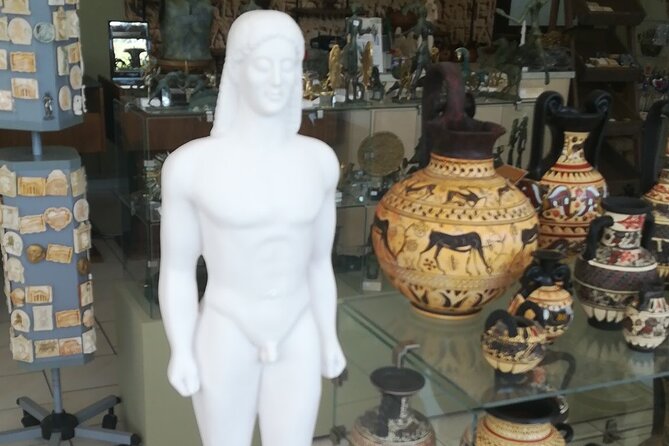
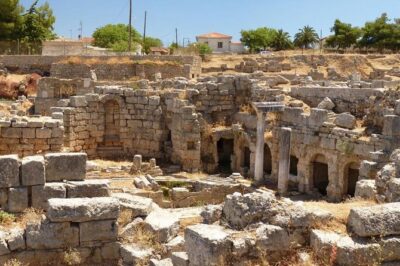
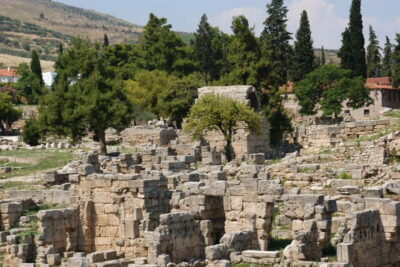
Ancient Corinth (Archaia Korinthos) is the anchor stop, and the payoff is how much ground you cover on foot. You’ll explore the remains of temples, marketplaces, and central landmarks tied to Corinth’s power as a trading city. Just as importantly, you’ll connect those stones to the story of Saint Paul’s missionary activity.
This is also the stop where you get to set your own pace. You’re not locked into a constant march. Instead, you walk through the site and see what grabs you, whether that’s the monumental temple area, the layout of the city’s civic spaces, or the sense of scale.
During one visit described in feedback for this tour, the driver offered clear instructions for making the most of key areas, including the Bema Seat. Even if you do not memorize everything, having a pointer like that helps you avoid the common problem of “I walked around, but I missed the main moments.”
One consideration: admission is not included for Ancient Corinth, and it’s a paid on-site entry. That usually takes only a few minutes, but it is still time you should factor into your arrival flow.
Temple of Apollo and the Doric columns you can actually see up close
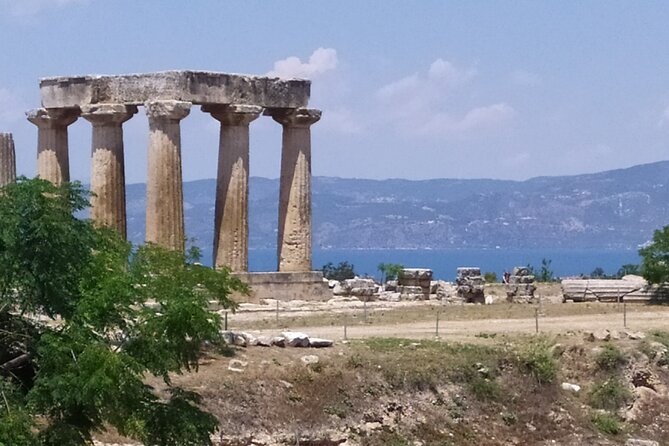
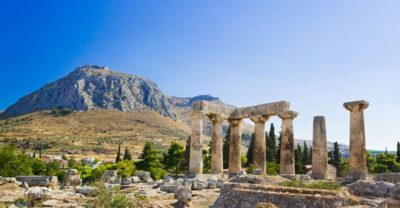
Right after the main ruins area, you’ll focus on the Temple of Apollo. This is a 30-minute stop, and it works because it gives you a clear architectural target instead of a wide scatter of structures.
The temple remains you’ll look at are associated with Doric architecture and date back to the 6th century BC. Even when you’re viewing ruins, the Doric style reads fast: proportions, column rhythm, and the way the site holds up under sunlight.
This stop is also valuable for photographers. Columns, fragments, and perspective shots all look better when you’re there in person rather than scrolling through pictures later. If you care about ancient Greek design, you’ll feel the difference between “I’ve seen this style before” and “I can stand next to it and understand its scale.”
- All Day Cruise -3 Islands to Agistri,Moni, Aegina with lunch and drinks included
★ 5.0 · 4,958 reviews

Archaeological Museum of Corinth: the best way to read the stones
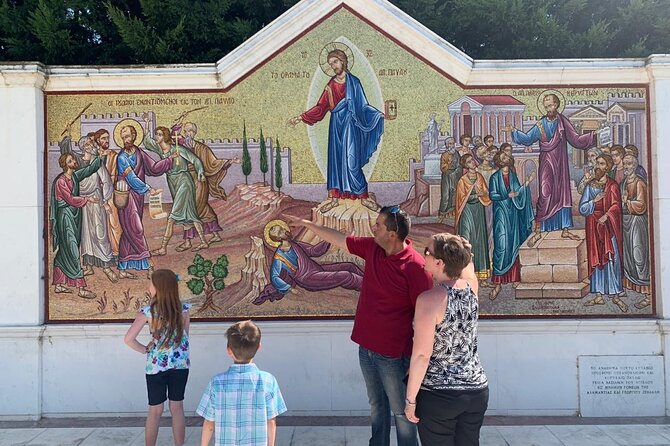
A common mistake on ruin days is skipping the museum, then feeling like the site is just random walls. This stop solves that. The Archaeological Museum of Corinth is about an hour, and it provides the context that makes the ruins easier to understand.
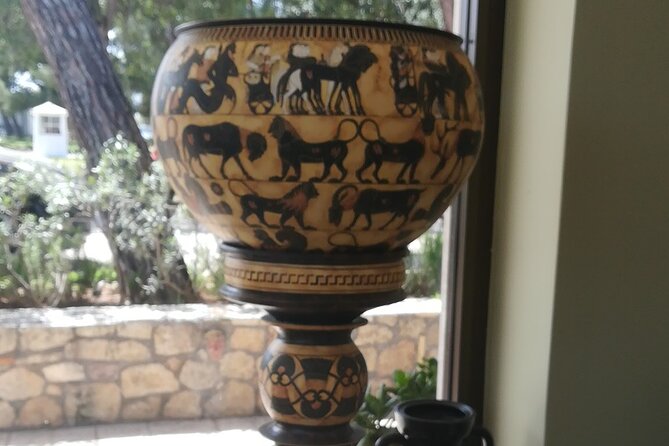
You’ll see artifacts spanning centuries, including pottery and sculptures, plus Roman mosaics and everyday objects. That time range matters because Corinth changed a lot over time, and the museum helps you notice those layers instead of forcing one narrative onto everything.
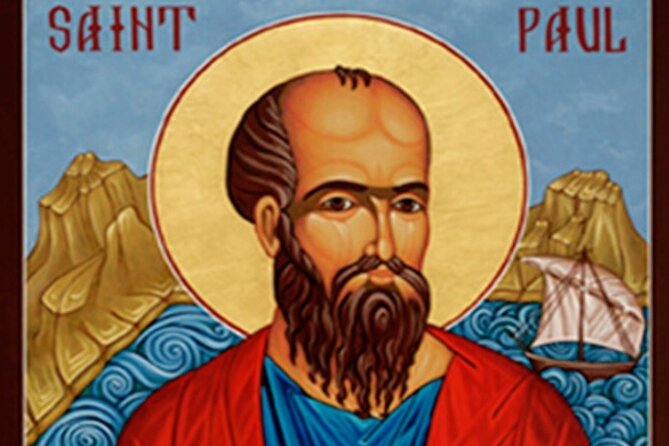
Another reason I like this stop: it ties material culture to the early Christianity period connected with Saint Paul. If the ruins feel big but emotionally distant, the museum helps bridge that gap by showing real objects and artistic work from the city’s life.
Like Ancient Corinth, the museum entrance is not included. Plan around the on-site purchase, and give yourself enough time to wander slowly rather than rushing through the highlights.
Acrocorinth: the fortress above Corinth and the view payoff
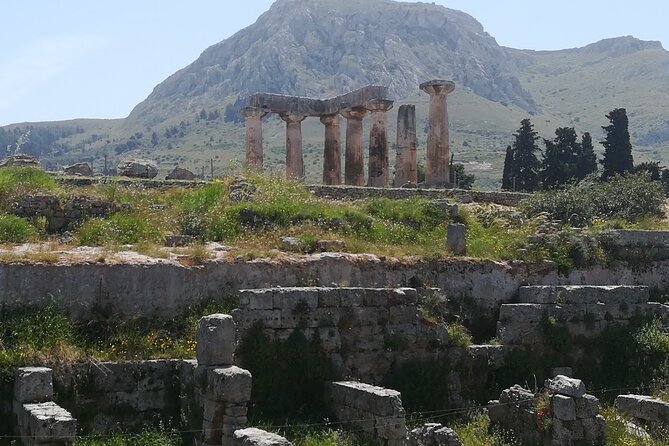
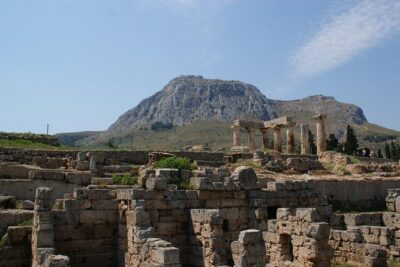
Acrocorinth is the dramatic “above it all” stop. It’s scheduled for about an hour, and that’s a sensible window because the area has views, walls, gates, and remains that reward slow walking.
Historically, Acrocorinth functioned as a defensive stronghold from ancient Greek times through later Byzantine and Ottoman periods. You’re not just looking at one era. You’re seeing a long-use site, and that makes it feel like a living timeline rather than a single snapshot.
This stop is great if you enjoy architecture that was built to last under hardship. Massive fortification lines help you understand why people fought for this region and why the surrounding geography mattered.
Practical note: the day already includes multiple stops, so don’t treat Acrocorinth like a quick photo pause. Use the hour for orientation and viewpoint settling. When you climb, give yourself a moment to breathe and then look outward, because the view is part of the lesson.
Kechries port: the quiet, reflective angle on Paul’s journeys
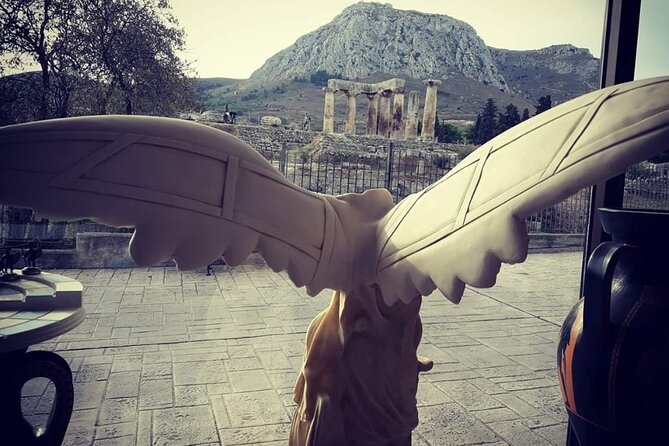
Kechries is often the kind of stop that surprises people. It’s 30 minutes, and it’s not flashy like a ruined temple. But it adds an essential piece: the port side of Corinth.
This area is tied to the eastern coast of the Isthmus and was a bustling harbor during Roman times. You can explore the ruins of docks and warehouses, which helps you picture ships arriving, goods moving, and travelers passing through.
The biblical connection is the special sauce here. Kechries is known as a port area linked to where the Apostle Paul set sail on a missionary journey. Even if you focus more on history than spirituality, it’s a meaningful shift from land-based ruins to the movement of people across water.
If you want something calmer after the fortress and ruins, this stop can be a relief. It’s a slower, more reflective finish within the Corinth portion of the day.
Daphni Monastery: mosaics and Byzantine art outside Athens
After Corinth, the Monastery of Daphni feels like a different kind of visit. It’s located just outside Athens and is a UNESCO World Heritage site. Expect about an hour at the monastery grounds and the church.
Daphni is especially famous for Byzantine art and architecture, with mosaics that depict religious scenes in remarkable detail. This is not just a photo stop. When you take your time, you’ll notice how the mosaics function as storytelling and how the architecture supports a quiet atmosphere.
This is also a good emotional counterpoint to Ancient Corinth. At Corinth, you’re dealing with centuries of outdoor stone and open sky. At Daphni, you’re surrounded by a carefully preserved tradition of religious art, which makes the day feel complete instead of repetitive.
Entrance for Daphni is listed as free for the tour stops, which is nice because it reduces the number of paid add-ons during the day. That said, do bring patience for the general rhythm of a cultural site visit.
Price and value: why $425.85 per group can make sense
The price is $425.85 per group, up to 4 people, for an 8-hour private outing. That means the cost per person drops sharply if you’re traveling with friends or family. It’s not a budget “see everything” tour, but it can be good value if you care about transportation comfort and avoiding crowd-control stress.
What you get for that price is practical: Athens pickup and return, air-conditioned vehicle, private transportation, bottled water, and onboard Wi-Fi. You also get professional drivers who provide history commentary, even though they do not enter sites with you.
The main extra cost to plan for is entrances for Ancient Corinth and the Archaeological Museum of Corinth, listed at €15.00 per person for on-site purchase. The rest of the stops are free within the tour schedule.
If you’re the type who hates splitting time between transit options, waiting for group departures, or standing around while someone figures out where the entrance line is, this tour can feel like a money-saver in time and energy, not just dollars. And if you want to move at your pace, private transport plus structured stops is a strong setup.
Who this tour fits best, and who may want to adjust expectations
This is a great fit for you if you want a biblical-themed route that stays practical and photo-friendly. You’ll enjoy it most if you like ancient sites, can appreciate ruins without needing every sentence explained, and want a calmer day than the big bus experience.
You might also like it if you travel with up to three others. The group size is limited to your party, and the per-group pricing makes it easier to justify.
Where expectations should be set: you are getting driver commentary, not a licensed guide inside the sites. If you want full narration at every temple corner, you may need to request a licensed tour guide and hope availability lines up. Also, some entrances require on-site payment, so don’t assume everything is covered.
One last note from feedback connected to this tour style: the driver instructions can make a difference for identifying key points, like viewing important areas of Ancient Corinth such as the Bema Seat. If you ask questions in the car, you’ll likely get more out of your walk.
Should you book St. Paul’s Footsteps to Corinth and Daphni?
If your ideal day includes Ancient Corinth, Acrocorinth views, and Daphni mosaics, then yes, this is a strong choice. The private format, pickup options, and onboard Wi-Fi make the day feel efficient, and the stop mix covers geography, ruins, museum context, fortress perspective, port atmosphere, and Byzantine art.
I’d book it if you want to walk through Corinth with freedom, not a stopwatch, and you’re comfortable paying two site entrances on the day. It’s especially worth it when you’re splitting the group price with friends.
If you require a licensed guide entering every site or you hate paying on-site tickets, you may want to look for an alternative arrangement. Otherwise, this is a practical way to follow in the footsteps of Paul’s world while still enjoying Athens-style comfort.
FAQ
Is this tour private and how many people are in a group?
Yes, it is private. The tour price is per group and supports up to 4 people.
What is included in the $425.85 per group price?
The tour includes bottled water, WiFi on board, air-conditioned vehicle, private transportation, and Athens hotel or residence pickup and return. It also includes professional drivers with deep history knowledge who can provide fluent English commentary, though they are not licensed to enter sites with you.
Do I need to pay entrance fees during the day?
Yes. Entrance fees for Ancient Corinth and the Archaeological Museum of Corinth are not included and can be purchased on-site for €15.00 per person.
Do we get a licensed tour guide on the site?
The tour does not include a licensed tour guide entering the sites. A licensed tour guide may be available upon request, depending on availability.
Where does pickup happen?
Pickup is offered. You can be collected from your Athens address or from the Piraeus port.
What is the cancellation policy?
You can cancel for a full refund if you cancel up to 24 hours in advance of the experience start time. If you cancel less than 24 hours before the start time, the amount you paid is not refundable.
More Tour Reviews in Athens
- All Day Cruise -3 Islands to Agistri,Moni, Aegina with lunch and drinks included
★ 5.0 · 4,958 reviews
Not for you? Here's more nearby things to do in Athens we have reviewed







Corinth Day Trips from Athens, compared.
 ★ 4.6From Athens: Ancient Corinth Day Trip with Canal & VR GuideFrom $411,073 reviews
 ★ 5.0Private Biblical Tour Ancient Corinth & Isthmus Canal from AthensFrom $301762 reviews
 ★ 4.8Ancient Corinth & Nafplio Full Day Trip with SwimFrom $44523 reviews
 ★ 5.0Private Tour of Apostle Paul’s Footsteps in Ancient CorinthFrom $169275 reviews
 ★ 4.5Corinth Half-Day Trip from Athens with Entrance TicketsFrom $91242 reviews
 ★ 4.7Ancient Corinth & Nafplion Guided Premium TourFrom $34237 reviews
 ★ 4.4Corinth Canal, Mycenae and Nafplio Day TourFrom $33233 reviews
 ★ 4.6From Athens: Ancient Corinth Tour Official Guide & TicketsFrom $86208 reviews
Browse the lists this tour appears in