Reviewed · ATHENS
Steps to tradition: Greek Traditional Dances in Athens
Philopappou turns dance class into a real Athens moment. This morning session pairs Greek traditional dances with big views toward the Acropolis, taught by Tania in a small group setting. You follow the rhythm, learn step by step, and move hand in hand in the kind of circular patterns that have survived for generations.
I like two things in particular: the hands-on teaching (you learn dances, not just watch), and the cultural storytelling that connects the steps to regional traditions. The setting also helps. Once you walk from the main entrance and settle in a quieter spot on the hill, the experience feels calmer and more local.
One consideration is timing. The start is 6:00 am, and you’ll be walking on a hill, so comfy shoes and an early-morning mindset help.
Key highlights worth your early start
- Danced on Philopappou Hill with the Acropolis in view, right next to ancient landmarks
- Circular, hand-in-hand steps explained and practiced until they feel natural
- Regional styles taught step by step so you can pick up multiple dances in one session
- Small group size (max 12) for better attention and faster confidence
- A morning class that feels like a workout while still being fun and social
- You might get extra goodies like recorded clips, plus a participation certificate with QR codes for playlists
Philopappou Hill makes Greek dancing feel genuinely local
Athens has plenty of ways to see ancient stuff. This experience adds movement, music, and people, on the slopes of Philopappou Hill, with the Acropolis working as your backdrop. The group meets at Dionysiou Areopagitou & Apostolou Pavlou (Athina 117 41), then you head toward the main entrance area for the lesson.
Right away, you get that sense that you are not just touring. You’re joining something lived-in, like a local tradition that happens in real outdoor spaces. And because the class happens early, the hill can feel less crowded and more peaceful.
You can also read our reviews of more tours and experiences in Athens.


Meet Tania, plus Kostas and the rest of the team
The teaching comes from Tania, an experienced traditional dances teacher. Her partner Kostas appears in the class format too, and some sessions include other instructors such as Alexandra and Konstantinos.
This matters because the best dance classes do two jobs at once. They teach steps clearly, and they make you feel capable before you get tired. Based on the strong ratings, the vibe here is warm and patient, with lots of encouraging as you go.
Also, you’re not handed a complicated routine on minute one. The lesson is taught step by step, and the group format supports that. With a maximum of 12 people, you’re less likely to get lost in the back row.
The circular dance idea, and why the history matters
The lesson’s theme is tradition through movement, with a focus on cyclical circular dances. The explanation you hear traces these dances back to around 2000 B.C., connecting the roots to Minoan civilization in Crete, then carrying them forward through centuries in different regions and communities.
Even if you don’t memorize a timeline, the story changes how you dance. When you know the steps represent community and continuity, you’re less likely to treat it like a trendy exercise class. You’re more likely to pay attention to rhythm, direction changes, and the meaning of holding hands.
There’s also a practical layer to the history talk. It helps you understand why dancers move the way they do, and why the music cues matter so much in circular patterns.
What the lesson actually looks like, step by step
Here’s how the morning flows, in the real-world order you’ll follow.
First, you meet Tania at the main entrance of Philopappou ancient hill. Once the group gathers, you begin with a short walk, about 10 minutes, with views toward the Acropolis. This isn’t just a transfer. It’s a warmup and a mini orientation so the dance spot feels like the point, not the detour.
Then you reach the teaching area inside the hill’s natural space. That’s where the main class starts and keeps going for roughly 2 hours 30 minutes total time, including the walk.
During the dancing, you learn multiple traditional dances, typically around 5 to 7 dances depending on the group and the pace. The teaching stays focused on clear steps and repeated practice. You’ll be given time to get the sequence, then you’ll move through it as a group, hand in hand.
A nice detail from past participants: many people felt they could take what they learned and use it later, even in casual tavern dancing moments. That’s the goal here, learning enough to join in, not just finish the session.
Expect multiple dances from different Greek regions
This class isn’t just one dance repeated for the whole time. The structure aims to show dances characteristic of main regions of Greece. In other words, you’re learning variety, not only the most famous steps.
You might start with simpler patterns, then progress to dances that include faster footwork and more energy. One participant described learning everything from basic steps to Cretan-style moves with kicks and quick steps. The important part is that difficulty can be adjusted, so beginners are not thrown into the deep end.
The music also gets treated as part of the curriculum. You’re not just copying steps, you’re listening for the rhythm and learning how it guides your timing. A few reviews specifically mention story-based explanations, which help you remember the dances later.
And yes, there’s a social payoff. People repeatedly describe feeling like a little community by the end, with the circular format doing most of the bonding work.
- All Day Cruise -3 Islands to Agistri,Moni, Aegina with lunch and drinks included
★ 5.0 · 4,958 reviews



Views, photos, and small extras that make it feel like a moment
The setting helps, but there are also small experience touches that raise the fun level.
The hill views toward the Acropolis are repeatedly called out as a highlight. One review points to dancing with sightlines that make the whole session feel special, not random. You also get that calmer feeling once you’re in the low-populated dance area.
On the practical side, water shows up during the class, which is smart given the early timing and active footwork.
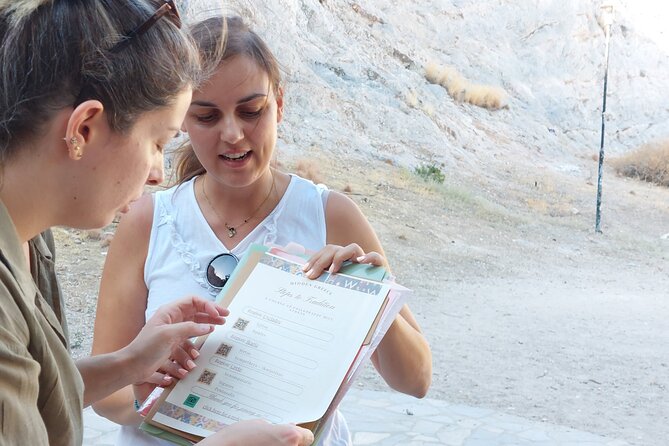
For memories, some classes include recording and photos by a team member, so you have something to replay later. There’s also mention of a participation certificate with QR codes for a Greek traditional playlist, plus an overview of the dances learned and where they are danced most often. If you’re the kind of traveler who likes taking something home that isn’t just photos, this kind of follow-up is a real plus.
Is it a workout? Yes, but it’s not the scary kind
The best part of this class is that it can feel like exercise without feeling like punishment. Reviews mention it being a great workout, and the structure supports that: constant movement, coordination, and staying with the rhythm.
Still, the class is built to include most travelers. That typically means the teaching is approachable, and the group format supports beginners. You’ll be encouraged, and instructors adjust instruction so you can keep up.
My practical advice: wear supportive shoes with grip. Greek dances often involve quick turns and weight changes, and Philopappou Hill adds uneven ground. Also, bring water even if you’re provided some, because you’ll likely sweat a bit.
If you’re sensitive to early mornings, plan your Athens day around it. A 6:00 am start means an earlier dinner the night before, and that can actually help you feel better for the rest of your trip.
Price and value: $41.52 for 2.5 hours that tries to teach, not entertain
At $41.52 per person for about 2 hours 30 minutes, you’re paying for instruction, a guided walk, and cultural context in a small group (max 12). In many cities, dance lessons either cost more or feel more like performance than learning. This one is designed to get you moving from the start.
The value isn’t only the price tag. It’s the ratio of teaching time to listening time. You spend your time practicing steps, not watching from a distance.
There’s also value in the location. Philopappou Hill isn’t a generic classroom. You’re learning with real views and real atmosphere, near ancient ruins and right by the Acropolis line of sight. For many travelers, that turns a regular class into a “why don’t I remember this forever?” kind of memory.
One more value note: this experience is booked ahead often. The average booking window is about 31 days. If you want the date that fits your schedule, don’t wait.
Timing, weather, and what can make you change plans
This tour requires good weather. If weather cancels the session, you’ll be offered a different date or a full refund. That’s a normal rule for outdoor dancing, especially on a hill.
It also requires a minimum number of travelers. If the minimum isn’t met, you’ll get either a different date/experience or a full refund. The small group size is part of the charm, but it can affect when the class runs.
So if your schedule is tight, book early, and keep a little flexibility in the morning plan. If you’re visiting Athens in shoulder season, you might want backup mornings.
Who should book this Greek dance class in Athens
This is a great pick if you want more than sightseeing. It’s hands-on cultural learning with movement, music, and community energy.
It’s especially suitable for:
- People who learn best by doing, not reading
- Couples, friends, and solo travelers who want a social activity with clear structure
- Families with kids who can handle being active for a couple of hours (one review mentioned a family with teens and they had a very positive experience)
If you hate early wakeups, hate walking, or want a totally low-effort activity, this might not match your style. But if you’re open to a morning start and you want to feel connected to Greek culture in your body, this class is the kind of experience that makes Athens feel personal.
Should you book Steps to Tradition in Athens?
I’d book it if you want a real connection to Greek tradition, not a scripted performance. The combo of Tania’s teaching, the small group size, and the Philopappou setting makes it feel like more than a hobby class.
Choose it if you want to leave with actual dance skills, even if you start as a total beginner. The pacing, step-by-step instruction, and encouragement are built for success.
Skip it only if the 6:00 am start and hill walking are deal-breakers for you. Otherwise, it’s a strong value way to spend a morning in Athens, with culture that you can carry into your next night out in a tavern.
FAQ
Where do I meet for Steps to Tradition in Athens?
You meet at Dionysiou Areopagitou & Apostolou Pavlou, Athina 117 41, Greece. The activity ends back at the same meeting point.
What time does the class start?
The start time is 6:00 am.
How long is the experience?
It lasts about 2 hours 30 minutes.
Who teaches the Greek traditional dances?
Tania is the main teacher. Kostas is mentioned as part of the teaching team in the class format, and other team members like Alexandra and Konstantinos may also take part.
How many people are in the group?
The tour has a maximum of 12 travelers.
Is there a walk before the dancing starts?
Yes. After you meet and the group gathers, there is about a 10-minute walking route with views toward the Acropolis before you reach the dance spot.
Do I get a ticket on my phone?
Yes. The tour offers a mobile ticket.
Does it run in bad weather?
It requires good weather. If it is canceled due to poor weather, you will be offered a different date or a full refund.
Is free cancellation available?
Yes. You can cancel for a full refund up to 24 hours before the experience’s start time.
Is the experience suitable for most people and service animals?
Most travelers can participate. Service animals are allowed.
More Tour Reviews in Athens
- All Day Cruise -3 Islands to Agistri,Moni, Aegina with lunch and drinks included
★ 5.0 · 4,958 reviews