Reviewed · ATHENS
Steps to tradition: Greek traditional dances in Athens
Greek dance gets personal fast. This 2.5-hour session pairs Tania’s teaching with a meeting spot right by Philopappos Hill, so the whole experience feels tied to Athens instead of like a studio class. You’ll learn real traditional dances, in a hand-in-hand way that turns culture into something you feel, not just watch.
I especially love how supportive the teaching is, so you can go at your own speed and still end up dancing with confidence. One drawback to plan around, though: it’s not suitable for people with heart problems, wheelchair users, or anyone with motion sickness.
Key Highlights You’ll Care About
- Philopappos Hill meeting point right next to the tourist bus area by the main entrance of the hill
- English instruction with an experienced teacher, Tania
- A short hill walk with views toward the Acropolis before the dancing starts
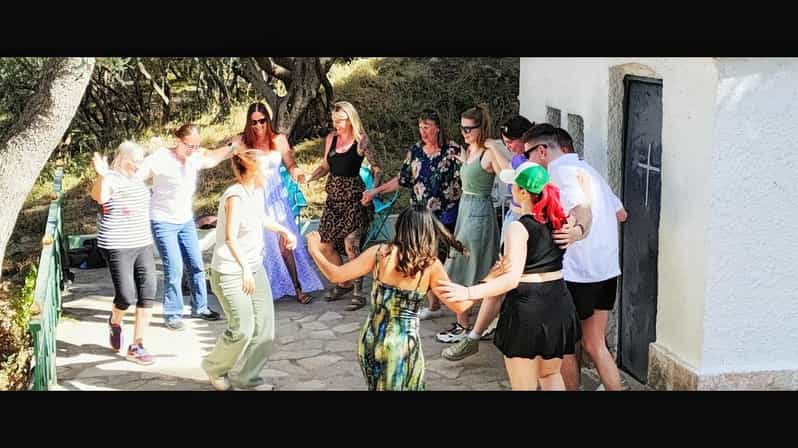
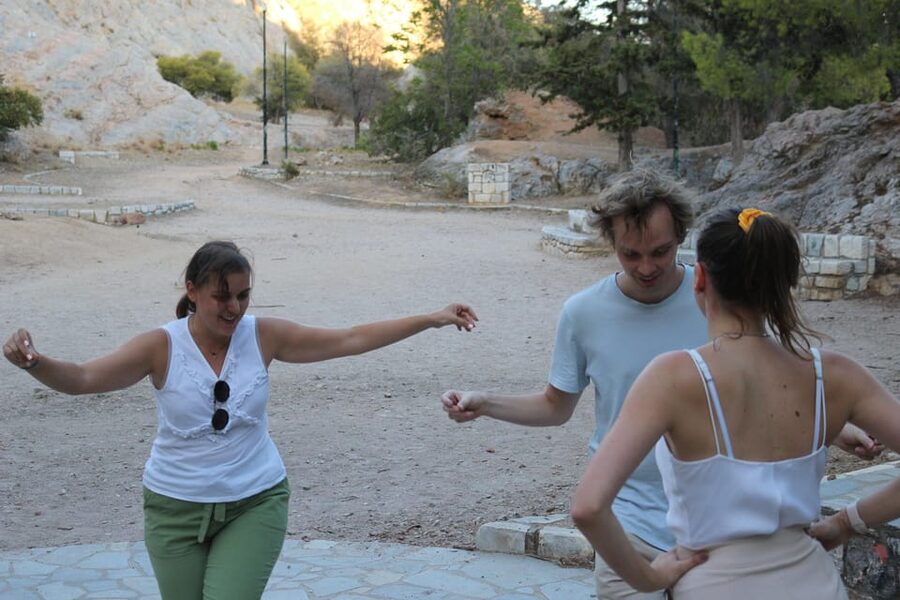
- Step-by-step traditional dances taught in a group, hand-in-hand style
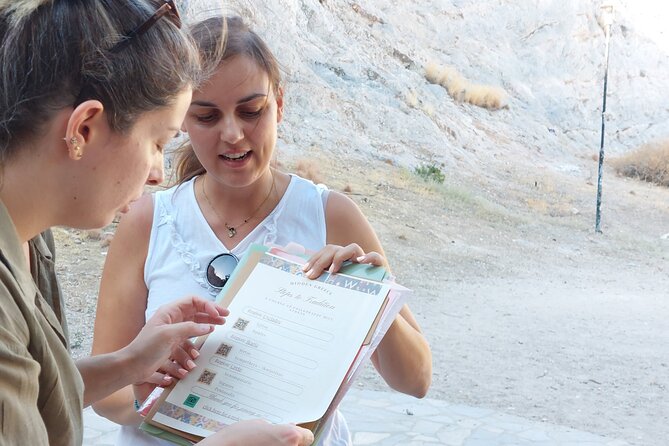
- Photos and videos included, plus a printed program of the dances
A Greek Dance Class With an Athens Address
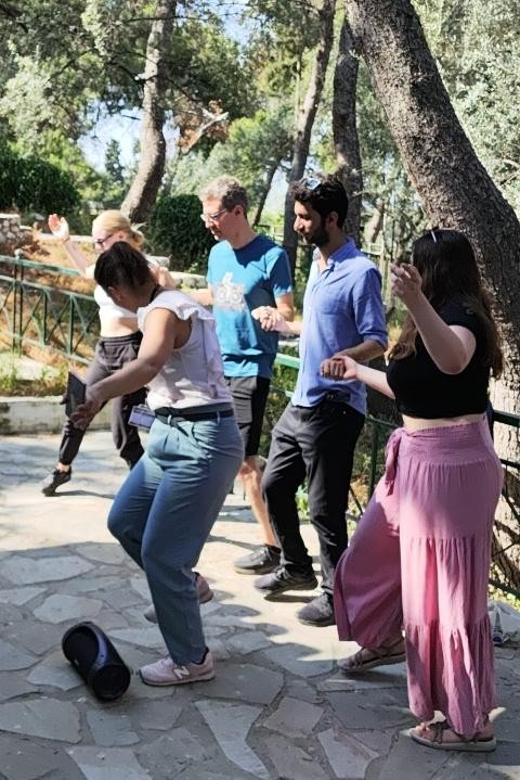
If you want an Athens activity that feels alive, this is the kind. Instead of sitting around and watching, you’re moving to music, learning steps, and connecting with the group. The setting helps a lot. You start at the main entrance of Philopappos Hill, near the Acropolis area, so the cultural context is right there the whole time.
What makes it more than just entertainment is the way traditional dance is framed. The dances are described as stretching back to ancient times, then evolving and adapting through different eras and cultures. That means what you learn is not treated like museum material. It’s presented as a living tradition, passed from family to family, parents to kids, generation to generation.
You also get the practical side of a good class. There’s a printed program, water and drinks, and photos and videos from the course. In other words, you’re not just leaving with sore feet, you’re leaving with memories you can actually show later.
You can also read our reviews of more tours and experiences in Athens.


Finding Tania at Philopappos Hill (By the Bus Entrance)
You meet at the exact entrance of Philopappos Hill, next to the touristic buses. This matters more than it sounds. Athens has a way of making “near” turn into “walk for 20 minutes and ask five people.” Here, the start point is very specific, and the activity ends back at the same meeting point.
Once the group gathers, you don’t jump straight into dancing. You’ll first meet Tania, the English-speaking traditional dance teacher, and then she leads you into the experience.
This setup is ideal if you like clear direction. You get one appointment, one meeting spot, and one return point. No hunting around for hidden entrances or guessing which corner is correct.
The 10-Minute Walk That Sets the Tone
Before the dancing starts, plan on a 10-minute walking route. It’s part orientation, part warm-up, and part atmosphere.
As you walk, you get a view of the Acropolis. Then you move to a beautiful spot in the nature of the hill, where the course begins. That shift is a big part of why this activity feels more personal than a standard “class in a room.”
It also helps your body prepare. Even if you’re not an athlete, you’re headed toward physical rhythm work, and the short walk makes that transition smoother.
What You Learn: Traditional Greek Dances, Taught Step by Step
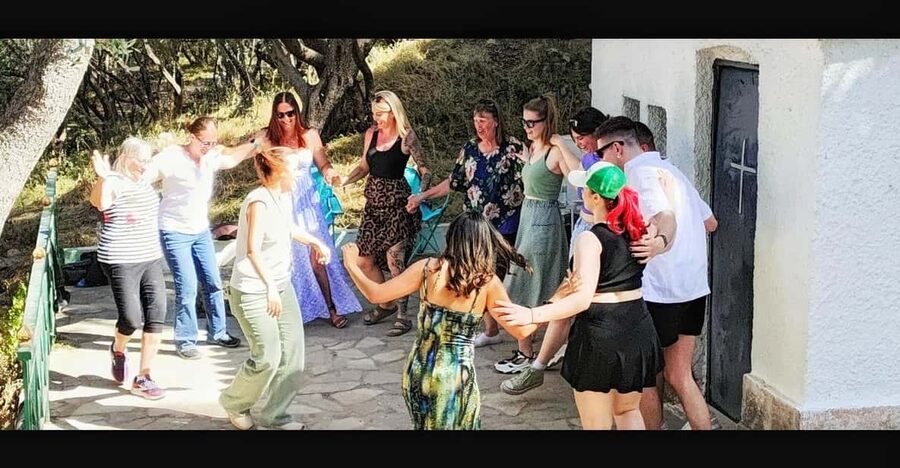
The main promise here is learning authentic Greek traditional dances from the major regions of Greece. Tania teaches them step by step, and the group dancing is done hand in hand.
That hand-in-hand format is more than a cute detail. It changes how the whole class feels. You’re not just copying steps. You’re sharing timing and space with other people, which turns the lesson into a real group experience. It’s also why the fun factor shows up so strongly in the overall vibe.
Expect instruction that supports you as you try. The teaching style described is friendly and encouraging, so you can relax and participate without feeling judged. In practice, that means even if you’ve never danced Greek styles before, you’ll still be able to follow along.
Why the Dance History Matters (And How They Explain It)
The experience doesn’t treat dance like pure performance. It frames it as tradition with a long timeline.
Here’s the core idea you’ll hear: dances in Greece have ancient roots, but they’ve also been changing over thousands of years. They adapt and pick up influences through different eras and cultures. Then those forms keep living on, passed through families.
That context matters because it shapes how you move during the class. Instead of feeling like you’re doing random steps, you’re learning movement patterns that are described as connected to regional identity and cultural continuity.
And based on what you’ll pick up during the lesson, the history connection extends beyond dance theory. The class also shares some history of Greece along the way. It’s not a long lecture, but it adds meaning as you go.
- All Day Cruise -3 Islands to Agistri,Moni, Aegina with lunch and drinks included
★ 5.0 · 4,958 reviews



The Group Atmosphere: Laughing, Learning, and Going All In
This is one of those activities where the success depends on your willingness to try. The good news is the environment is designed for that.
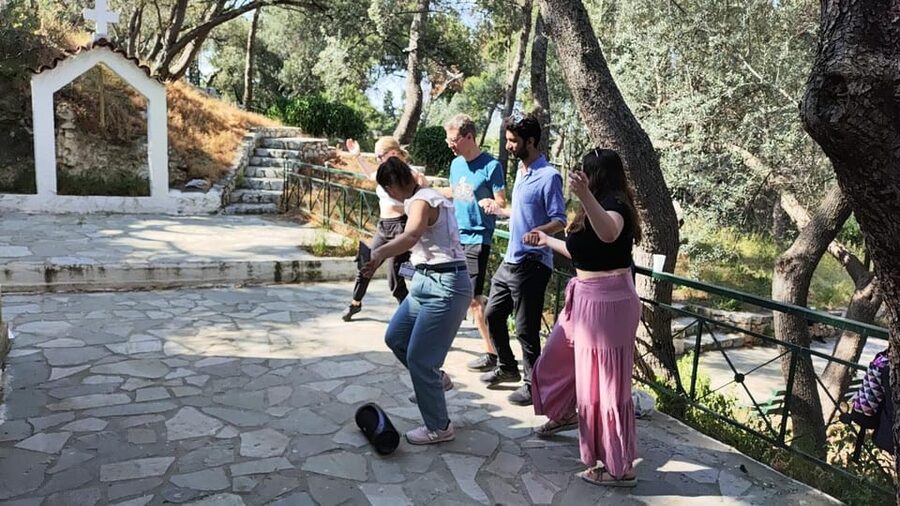
You’re outdoors on Philopappos Hill, with music driving the rhythm, and the teacher guides you through the steps. You also get the social energy that comes from doing coordinated movement with other people.
One of the most praised parts is the way the teachers are described as very nice and supportive, and the setting as cute and private. That combination helps. It makes it easier to focus on the dance without feeling like you’re in a crowded tourist circus.
If you’re the type who likes to feel included rather than watched, this format works well. You don’t need to be a dancer. You just need to show up and be willing to hold a neighbor’s hand and try.
Photos, Videos, and the Printed Program You Can Actually Use
A lot of tours give you a photo opportunity. This one adds real extras.
Included are:
- Photos and videos from the course
- A printed program with the dances
- A commemorative item of participation
- Water and drinks
I like that the printed program exists because it changes how you remember the class. You can look back and refresh which dances you worked on and keep the experience from melting away after jet lag.
And the photos and videos are a practical win. Dance is hard to capture on your phone, especially while you’re learning. Getting it professionally recorded means you’ll have something more than blurry selfies.
Price and Value: Is $41.33 Worth It?
At $41.33 per person, this isn’t a budget-only activity, but it also isn’t priced like a private performance. For the time you get, it lands in the “good value” zone because you’re paying for more than a basic introduction.
You’re getting:
- A 2.5-hour structured dance course with an experienced instructor
- Water and drinks
- A printed program
- Photos and videos
- A commemorative of participation
When you compare that to the cost of a typical cultural class where you might only receive instruction and nothing else, the extras matter. Photos and videos alone can make a difference in how worth-it the experience feels when you’re planning your Athens trip and trying to balance activities with limited time.
Also, the class is English taught, so you’re not paying extra for a language workaround. You’re getting a straightforward learning experience.
Timing and What 2.5 Hours Feels Like in Athens
The duration is 2.5 hours, and you should check availability to see starting times. In day-to-day Athens planning, that timing is a sweet spot.
It’s long enough to genuinely learn and participate. It’s not so long that it becomes a half-day anchor you can’t adjust around museums and meals.
Because you start and end at the same point and the first step is a guided walk, you’re less likely to lose time to logistics. That helps when you’re juggling an Acropolis visit, lunch, and maybe a neighborhood wander.
Who This Tour Works For, and Who Should Skip It
This is a good fit for most visitors who want hands-on culture. It works especially well if you:
- Want more than sightseeing
- Like interactive activities
- Feel excited by group energy and music
- Want a memorable take-home package (photos, videos, printed program)
But it has clear limits. It’s not suitable for:
- People with heart problems
- Wheelchair users
- People with motion sickness
Also, the experience includes dancing and walking on a hill setting, so if you have balance or stamina limits, you’ll want to think carefully before booking.
Practical Tips to Make Your Dancing Easier
You don’t need to show up wearing fancy gear. The essentials are about comfort and readiness.
Here are practical things that match how this experience runs:
- Wear comfortable shoes you can move in, since you’ll walk briefly and dance for the rest of the course
- Bring a light layer if you’re sensitive to changing outdoor temperatures on the hill
- If you’re camera-shy, don’t worry about it. Photos and videos are part of the package, and you can focus on learning rather than filming
- Go in with a playful mindset. The class is designed for fun as much as learning
One more tip: since the meeting point is at the entrance next to tourist buses, it helps to arrive a few minutes early. You’ll get your bearings fast, and the group usually moves quickly once it gathers.
Should You Book This Greek Dance Course?
I’d book it if you want Athens culture you can participate in, not just look at. The biggest selling points for me are the pairing of a great hill setting near the Acropolis and the teaching style described as supportive and encouraging. When the learning feels safe, you actually try, and that’s where the joy comes from.
Book it especially if you care about memories you can keep. The combination of photos, videos, and a printed program turns a fun afternoon into something you can revisit later.
Skip it if any of the stated restrictions apply, like heart problems, wheelchair needs, or motion sickness. Also skip it if you strongly dislike group activities, because hand-in-hand dancing is part of the format.
If you’re on the fence, think about your goal for Athens. If you want one activity that turns culture into movement, this is a smart choice.
FAQ
Where is the meeting point?
The meeting point is exactly at the entrance of Philopappos Hill, next to the touristic buses.
How long is the Greek traditional dance course?
The duration is 2.5 hours.
What time does it start?
Check availability to see starting times.
Who teaches the class?
The class is taught by Tania, an experienced Greek traditional dance teacher.
Is the course taught in English?
Yes, the instructor teaches in English.
What should I expect during the experience?
You’ll take a short walking route with a view of the Acropolis, then learn Greek traditional dances step by step in a group, with hand-in-hand dancing and music.
What is included in the price?
Included are the Greek traditional dance course, an experiential activity, a printed program with the dances, water and drinks, a commemorative of participation, and photos and videos from the course.
Does it start and end at the same location?
Yes, it ends back at the meeting point.
Is it suitable for wheelchair users or people with heart problems?
No. It is not suitable for wheelchair users or people with heart problems.
Can I cancel and can I book without paying right away?
Free cancellation is available up to 24 hours in advance for a full refund. You can also reserve now and pay later.
More Tour Reviews in Athens
- All Day Cruise -3 Islands to Agistri,Moni, Aegina with lunch and drinks included
★ 5.0 · 4,958 reviews