

Reviewed · HISTORICAL TOURS
Running Through the History of Athens with Personal Trainer
Run Athens before the crowds get loud. This 1 hour morning jog mixes serious sights with a pace that fits your group. You’ll get a guided route starting at Syntagma Square, then work your way toward iconic views and a real stadium finish.
Two things I especially like are the English-speaking trainer (no guessing, no language stress) and the included Old Olympic Stadium entrance, so you’re not just looking from outside. One consideration: this is a running tour and it’s best for people with moderate physical fitness, since the pace is tailored but you still need to jog.
The small group size, up to 15 travelers, keeps it friendly and manageable in a city that loves traffic and stairs. It’s also one of those experiences that sells well, with bookings averaging 40 days ahead, so plan early if your dates are fixed. Plus, you get bottled water and you’ll end back where you started.
Key highlights worth planning around
- English-speaking personal trainer keeps the route and story easy to follow
- Old Olympic Stadium entry is included, ticket covered for your run
- Acropolis-area viewpoints from street level, with stops tied to major monuments
- Pace adapts to the group so you can keep moving without getting steamrolled
- Central meeting point at Syntagma Square makes it simple to show up
- Small max group size (15) helps the trainer manage the run
Price and what you actually get for $66.23
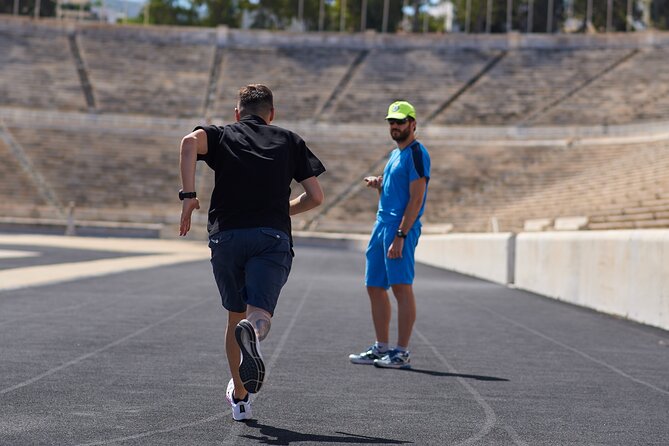
At $66.23 per person for about an hour, you’re not paying for a long guided day. You’re paying for a compact, well-guided loop that bundles three practical pieces: a professional trainer, bottled water, and entrance into the Old Olympic Stadium. That bundle matters, because stadium entry is the kind of add-on that can turn a casual plan into extra cost.
Is it a bargain? It’s a fair price for a small-group, trainer-led run in a city where getting the right route takes local guidance. If you were to do the landmarks on your own, you’d still need to plan the timing and figure out how to string together places like the Acropolis viewpoints, the Agora area, and the National Garden with a safe running pace.
One more value point: the meeting location is easy to reach, and the tour ends back at the start. That saves you from the stress of transit planning mid-run.
You can also read our reviews of more historical tours in Athens


7:30 am in Athens: why an early start is part of the win
This run starts at 7:30 am, which is exactly when Athens feels more manageable for walking, running, and seeing. You’ll beat a chunk of the daytime crush around the central sights, including Monument-heavy areas like the Acropolis slopes and the Agora zone.
I also like that this is timed like an active city walk, not an all-day sightseeing marathon. When you keep it to about an hour, you’re more likely to enjoy the scenery instead of turning it into a checklist. And the pace is tailored to the group level, which helps if you’re a runner but not a marathoner.
Downside? If you hate mornings, you may feel it. This is the kind of tour where getting ready the night before pays off.
From Syntagma Square to Ermou Street, you warm up with real city energy
Your morning begins at Public Syntagma, Karagiorgi Servias 1. That’s a practical choice because it puts you in the center of Athens, where public transportation connections are typically easier than reaching remote meeting spots.
From there, you jog down Ermou Street, a busy corridor that instantly gives you the Athens rhythm. Even at a jog, you’ll feel the mix of local life and big-sight proximity. It’s also a smart warm-up: you start running while you’re still close to the core neighborhoods, so you’re not battling travel fatigue before the landmarks.
What to expect here is simple: motion first, then more structured viewing as the route guides you toward the historic areas. If you prefer quieter, fully scenic-only routes, this opening phase may feel like a lively city jog before the monument moments.
Monastiraki Square to the Acropolis views: history you can see while moving
As the route reaches Monastiraki Square, the vibe shifts toward the area that’s known for ancient-meets-modern Athens. This is where the mix of streets, viewpoints, and landmark density starts to feel real.
From this part of the run, you can take in views of the Acropolis and the surrounding historic zones. The big win is that you’re not sitting through a museum experience or doing it slowly on foot. You’re staying active while the city lines up monument after monument in front of you.
A practical note: viewpoints look amazing, but you’ll want to keep your footing and follow the trainer’s instructions. In any Athens historic district, uneven sidewalks and changes in street level can be part of the deal.
Entering the Old Olympic Stadium: the moment most people will remember
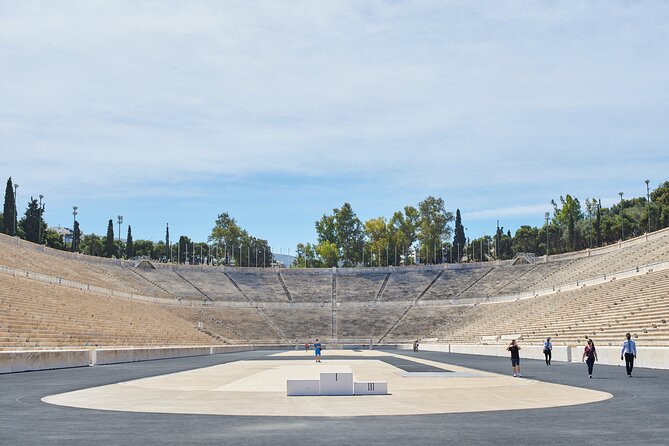
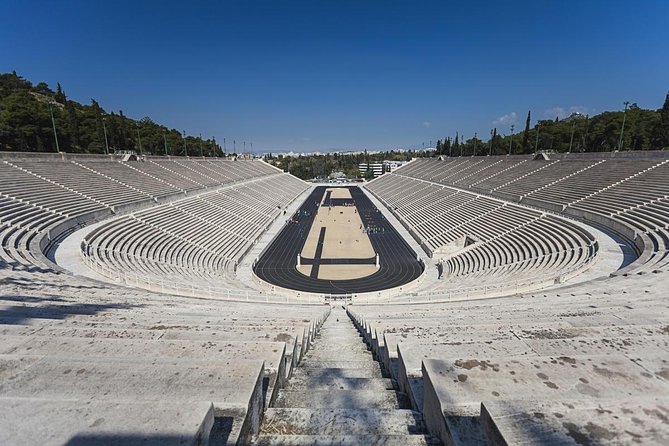
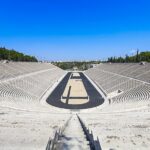
The highlight many people hope for is the stop at the Panathenaic Stadium, also called the Old Olympic Stadium. Your ticket is included, so you can enter rather than just peek from outside. And yes, this is where the first modern Olympics took place in 1896, which is part of why this stop hits so hard.
What I like about this included entry is the way it changes your perspective. When you’re running, you experience the scale differently. You’re not just observing seats and stonework, you’re taking in the place as a living arena.
For runners, this is especially satisfying because you’re actually moving through the setting. For non-runners, it still works because it’s a contained, meaningful landmark stop within the short hour.
The main consideration is timing. With only about an hour total, you won’t have a long, relaxed walk through every corner. Think of it as a guided highlight stop, not a do-everything stadium tour.
- All Day Cruise -3 Islands to Agistri,Moni, Aegina with lunch and drinks included
★ 5.0 · 4,958 reviews
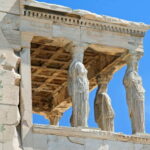


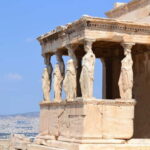


Temple of Hephaestus and the Ancient Agora area, seen from a route point of view
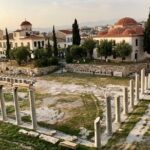
The run includes passing by the Ancient Agora and the Temple of Hephaestus. This part of Athens is packed with layers: civic life, religious significance, and the kind of stone that has survived centuries.
Even if you don’t know every detail, a good trainer helps you connect what you’re seeing to why it matters. You’ll get stories along the run, and that makes the landmarks feel like more than photo backdrops.
One small drawback: since this is a running tour, you won’t linger like you might on a dedicated historic walking tour. If you love stopping to read every plaque, you may want a slower follow-up later that day.
The Aries and Zeus moments: big names, quick context
Your route includes stops tied to the Temple of Aries and later areas connected to the Temple of Zeus. These are the kinds of places where names alone can feel intimidating, but the trainer’s job is to translate the significance into something you can actually absorb while you jog.
You’ll also get views near major monument sites including the Parthenon and Erechtheion. The idea is not to replicate a full Acropolis ticket experience. Instead, you’re using the route to position you for the sights that make people plan their whole trip to Athens.
If you’re the type who enjoys context while moving, this structure is a win. If you’d rather spend your energy on one or two sites in detail, you might prefer a longer tour later.
National Garden and Zappeion: a calmer finish after the monument run
After the heavy monument zones, you transition toward the National Garden and the Zappeion. This is a smart pacing choice, because it gives your body a different kind of environment after the more intense historic stretches.
The National Garden area offers a psychological reset, even if you’re still jogging. You get a break from nonstop stone-and-columns intensity and you can refocus on the running experience itself.
The Zappeion connection is also useful because it helps you broaden the Athens story beyond just the ancient sites. The route effectively helps you see Athens as a living city with layers, not just a stack of ruins.
By the time you’re approaching the ending, you’re not scrambling to catch trains or re-map your day. The tour ends back at the meeting point.
Pacing, group size, and how to choose your level
This is designed for all fitness levels, and the pace is tailored to the group’s level on the day. With a maximum of 15 travelers, the trainer can usually manage different speeds without turning it into a single-file sprint.
Here’s how I’d choose whether it fits you: if you can comfortably jog for stretches without needing to walk constantly, you’ll likely enjoy the flow. If you’re only used to slow walking, this may feel like effort rather than fun, even with pacing adjustments.
Also, you’ll be more relaxed if you treat it like a morning workout plus guided storytelling, not like a sightseeing substitute. In other words, plan for photos, but don’t plan for a slow, deep-study approach.
What Dimitra-style training looks like in practice
One trainer name that stands out from feedback is Dimitra. The consistent theme is pacing that feels considerate, plus a local touch that goes beyond the route itself. People mention that she takes time to keep the run enjoyable and offers practical suggestions for where to eat and what to do next.
That kind of personal connection is what makes a small-group trainer-led experience better than a generic audio guide. You’re not only learning facts, you’re getting someone on the ground who can help you turn a great morning into a smarter plan for the rest of Athens.
You’re also getting an English-speaking guide, which means the explanations and route cues land fast. That reduces stress, especially when you’re concentrating on footing while moving.
Logistics that matter: mobile ticket, central meeting, no private transport
A mobile ticket is part of the experience, which is convenient if you like keeping everything on your phone. The meeting point is near public transportation, so you’re not forced into a private transfer plan.
The tour does not include private transportation, so plan to arrive under your own power. This is normal for city walking and running tours, but it does affect the kind of traveler who will enjoy it most. If you’re already staying central, you’ll likely find it easy. If you’re far out in the suburbs, you may spend more energy getting to Syntagma than you want.
The good news: the ending is back at the meeting point, so you don’t need to solve your route again after the run.
Should you book this Athens running tour?
Book it if you want a short, active way to see the highlights around Syntagma, Monastiraki, the Acropolis viewpoints, and the Old Olympic Stadium, without turning the day into an all-day grind. It’s also a great fit if you prefer English guidance and you like the idea of a trainer shaping the run to your level.
Skip it or look for a slower option if running a full hour in a historic, uneven street environment sounds like work instead of fun. Also consider a different plan if you want extensive time at the major monuments, because this is built for motion and key-story stops, not long stays.
If you are the kind of traveler who likes to start early, keep it energetic, and then use local advice for the rest of your day, this is a smart bet. And with the small max group size and strong feedback around pacing, it’s a comfortable choice for a first morning in Athens.
FAQ
Where and when does the run start and end?
The tour starts at 7:30 am at Public Syntagma, Karagiorgi Servias 1, Athina 105 63, Greece. It ends back at the meeting point.
How long is the Athens running tour?
The duration is about 1 hour.
What language is the tour offered in?
The tour is offered in English.
What group size should I expect?
The maximum group size is 15 travelers.
What does the price include?
The price includes a professional trainer, an entrance ticket to the Old Olympic Stadium, and bottled water.
Is private transportation included?
No, private transportation is not included.
What fitness level do I need?
The tour recommends moderate physical fitness level.
Is a mobile ticket used?
Yes, a mobile ticket is part of the experience.
What is the cancellation policy?
You can cancel for a full refund up to 24 hours before the experience starts.
More Historical Tours in Athens


More Tour Reviews in Athens
- All Day Cruise -3 Islands to Agistri,Moni, Aegina with lunch and drinks included
★ 5.0 · 4,958 reviews
Not for you? Here's more nearby things to do in Athens we have reviewed









Historical Tours, compared.
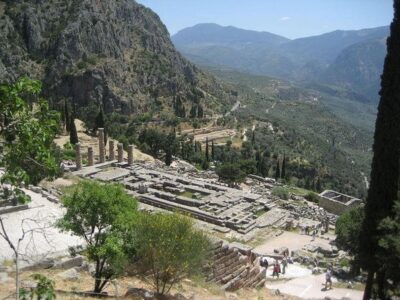 ★ 4.5Historical Delphi One Day Tour with Arachova Stop & Expert GuideFrom $341,247 reviews
 ★ 4.9Historic Athens: Small Group Electric Bike TourFrom $50740 reviews
 ★ 5.0The History of Athens: Greek Mythology Private TourFrom $199138 reviews
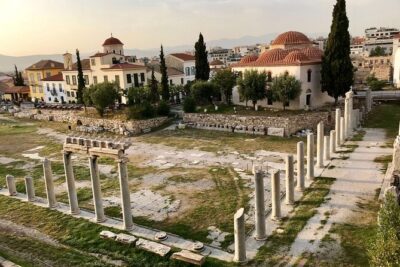 ★ 5.0Athens Highlights by E-Bike: Small-Group Historic TourFrom $54131 reviews
 ★ 4.9Small-Group E-Bike Tour of Historic HighlightsFrom $43119 reviews
 ★ 5.0History of Rebellion Walking TourFrom $44110 reviews
 ★ 5.0Half Day Historical Athens City Private Taxi Service TourFrom $11079 reviews
 ★ 5.0Half day tour to Acropolis and the must-see historical sites and downtownFrom $18069 reviews
Browse the lists this tour appears in