
Reviewed · GUIDED
Athens: the Great Greek Philosophers Guided Tour in Spanish
Philosophy gets physical in Athens. This Spanish guided walk connects major thinkers to real spots you can stand on, with a route running from the Greek agora toward the hill of Pnyx. You are not just learning names, you are seeing where the arguments happened.
I love how the tour ties each stop to a clear idea, so Plato is not floating in the textbook. And I also like the way the guide keeps the conversation moving, with group Q and A and prompts that push you to think, not just listen. Recent groups have been led by guides such as Gregory or Sunny, and the common theme is energy plus real teaching.
One thing to consider is practical: it is 150 minutes of walking, and food and drinks are not included. Bring water and comfy shoes, and plan for a snack after if you need it.
Key highlights you can count on
- Statue of Plato as the starting point, so you get oriented fast
- Areopagus (Aeropagus), where debate and consequence feel connected
- Socrates Prison and the cost of wisdom, not just the myth
- A route that runs from the Agora to the hill of Pnyx
- A live Spanish guide who answers questions and encourages discussion
- A price that works out well for a guided, site-based philosophy story (about 34 USD for 150 minutes)
Meeting the tour at the Statue of Plato, then getting your bearings
The meeting point is straightforward: you gather in front of the Statue of Plato, about 10 minutes before start time. That small early buffer matters. You arrive, find your group, and you are ready to start walking without that stressed hunt for the guide.
This is a city-center walk, so you will quickly see why location is the whole point. When you start with Plato in view, the tour can move from big concepts to specific places right away. You do not have to translate history into your own mental map.
If you like structure, this helps. You know where it begins, and you know you will be moving through connected stops rather than doing random sightseeing blocks.
You can also read our reviews of more guided tours in Athens


The Athens philosophy story: how the Agora to Pnyx route makes ideas feel real
The tour is built around a simple idea: philosophy began as talk, debate, and questioning in public space. So instead of treating ancient Athens like a museum, the route follows the geometry of the city. You go from the Agora area to the hill of Pnyx, two key settings for civic life and public thinking.
As you walk, the guide connects symbolism to daily reality. You learn why certain places mattered to people living back then, and how those settings shaped what Socrates, Plato, and others could do with ideas. The tour also leans into the tension: being wise was not always safe, and thinking out loud could create real problems.
This matters for you because it changes how you experience Athens afterward. Instead of seeing ruins in isolation, you start recognizing patterns, like where debate took place and how public space supported authority and dissent.
Stop 1: Statue of Plato, your first anchor for the whole tour
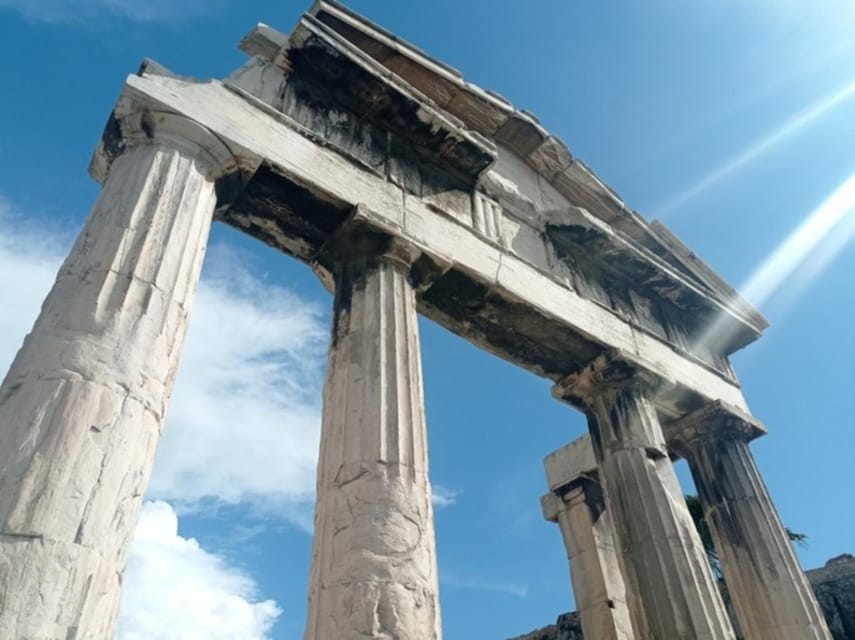
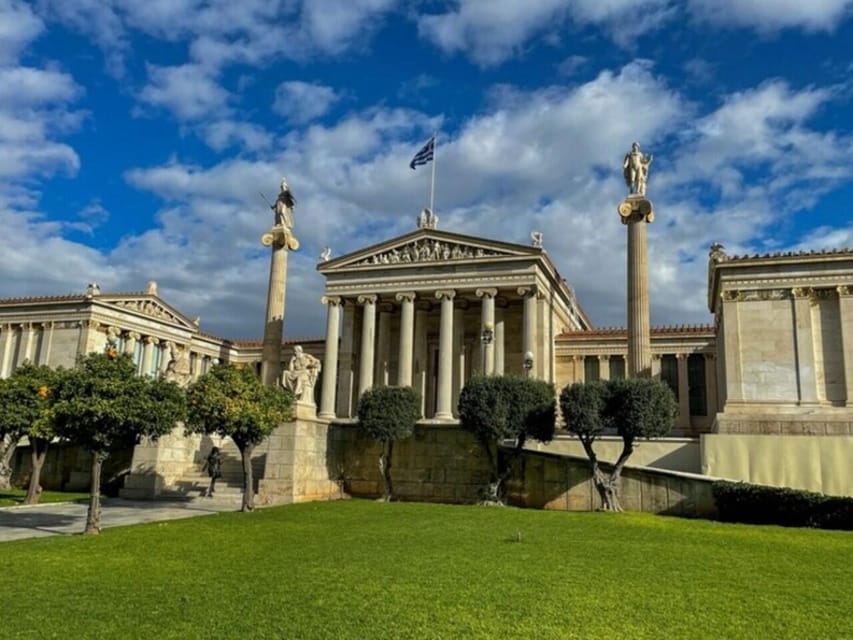
Meeting at the Statue of Plato is more than a convenient location. It acts like the tour’s thesis statement. From the start, you are oriented toward Plato’s place in the story of philosophy, and you get a sense of what the guide will keep returning to: how ideas traveled through arguments, teaching, and civic life.
You will also get context that helps you follow the rest of the walk. Even if you are not a philosophy specialist, the tour format makes it easier to connect the dots. You can think of this start as turning on the flashlight, so later stops do not feel like separate monuments.
What to watch for here is the tone. A few early minutes set expectations for how the guide talks about thinking. The best moments often happen when the guide frames philosophy as something you can discuss, not something you just memorize.
Areopagus (Aeropagus): where argument meets consequence
One of the standout named stops is the Areopagus (Aeropagus). The tour uses this spot to talk about how societies debated serious matters and what happened when thinking challenged the status quo.
This is where you start feeling the tour’s edge. It is not only about clever ideas. It is about people living inside those ideas, with rules, power, and pressure. You hear the connection between civic roles, public speech, and the kind of intellectual courage that can be risky.
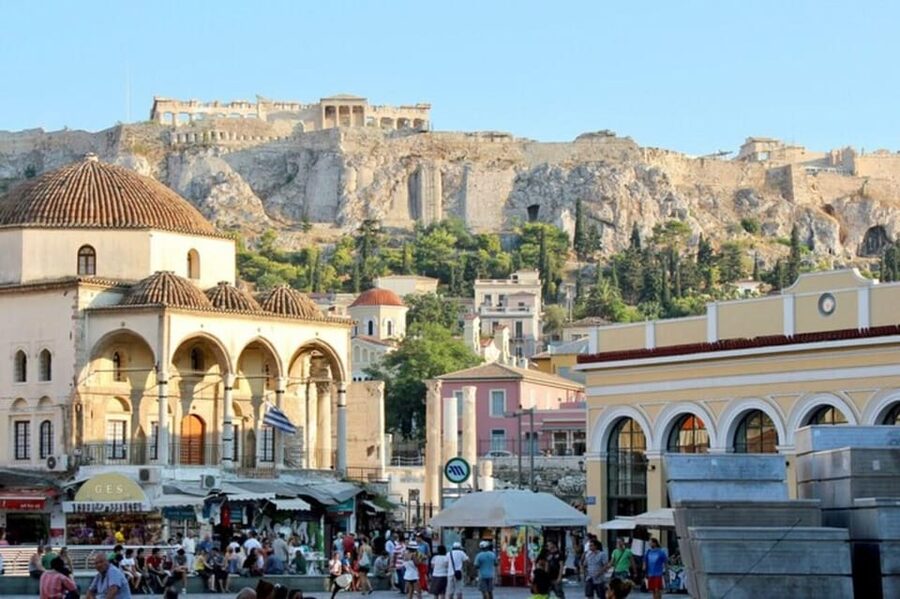
A practical plus: Areopagus is a viewpoint and a landmark area, so the setting supports the story. Even if you are focused on the guide, you can glance around and sense why this hilltop space would matter. It is easier to understand the stakes when you can see the city scale.
Socrates Prison: the cost of wisdom you can’t ignore
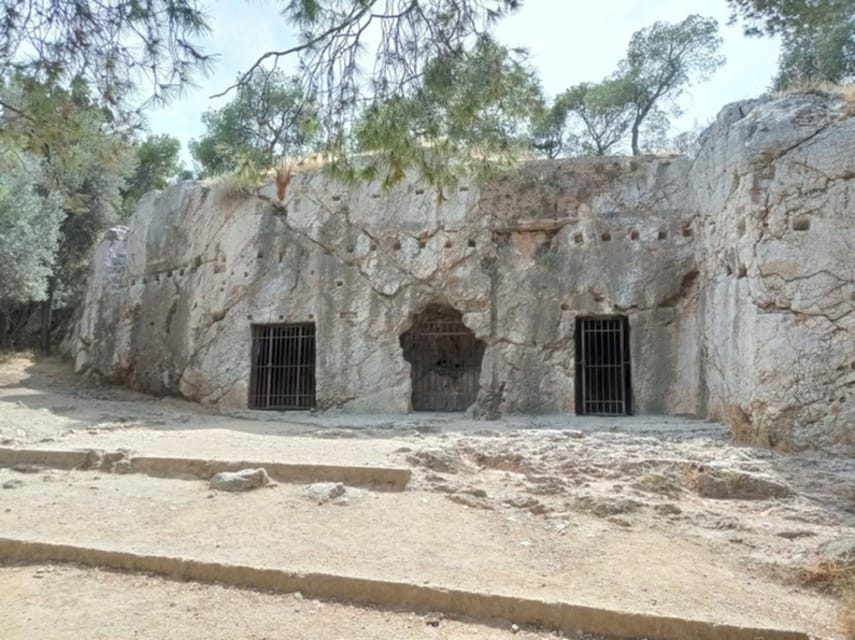
The tour highlight for many people is Socrates Prison. This stop brings the theme into sharp focus: sometimes wisdom did not pay off with praise. It could come with punishment.
In a short time, the guide turns a famous figure into a grounded human story. You connect Socrates to the idea of questioning, and then you connect questioning to consequences. That shift is what makes the stop memorable, because it goes beyond slogans.
For you, this is the part that might stick the longest. Once you’ve heard the story tied to a location, you will likely find yourself watching your own assumptions, the same way the guide encourages the group to ask bigger questions during the walk. It is a philosophy tour, yes, but it also works like a mental reset.
And if you are traveling as a group, this stop tends to spark conversation. Even non-philosophy travelers usually have something to react to here because the moral tension is universal.
- All Day Cruise -3 Islands to Agistri,Moni, Aegina with lunch and drinks included
★ 5.0 · 4,958 reviews


The guide in Spanish: story, questions, and real engagement
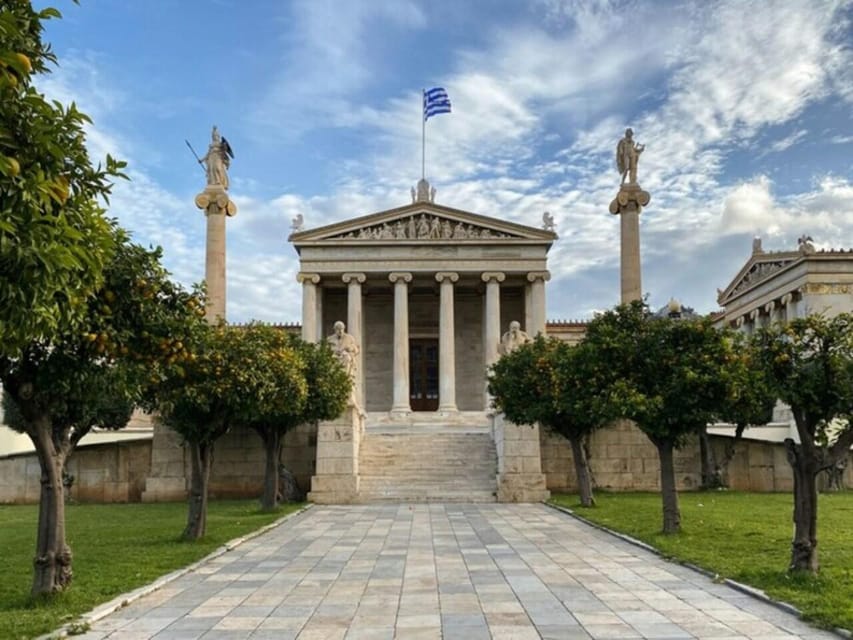
The experience is led by a live guide in Spanish. That is a big deal, because the tour relies on discussion and explanation, not just listening to pre-recorded facts.
From what I can tell from recent tour behavior, guides like Gregory or Sunny often keep things lively. People highlight that the guide explains concepts clearly and adapts to the group, including answering questions and encouraging back-and-forth talk. You should expect a two-way style: you are invited to think and respond, even if you only know a little philosophy.
One subtle benefit of this approach is timing. Instead of forcing you to power through long monologues, the guide uses the walking flow to pace the lesson. Short stories, questions, and quick concept check-ins keep the brain from melting halfway through.
If you speak Spanish, you will get a cultural bonus: you learn philosophy vocabulary in context, not in a textbook. If you are still building Spanish, do not panic. You might find it easier than you expect because the places and the stories give the meaning support.
Walking time, what to bring, and how to avoid getting cranky
The duration is 150 minutes, so plan for a proper walk. This is not a sit-and-watch history lecture. You will be on your feet, moving between points, and using your attention as much as your legs.
Bring comfortable shoes and water. That is explicitly recommended, and it is genuinely the difference between enjoying the walk and rushing through it. Athens heat can be sneaky, and even on milder days you will feel better with a bottle in hand.
For pacing, I suggest treating the tour like a guided hike with smart breaks built in. If you need a pause, take it when the guide naturally stops to explain. Do not wait until you are already tired.
Also note that the tour includes the official guide, but food and drinks are not included, so you may want to grab water beforehand and plan a meal after.
Price and value: why 34 USD for 150 minutes can be a solid deal
At 34 USD per person for 150 minutes, this sits in the category of guided experiences that are priced for value, not for luxury. What you are paying for is time plus on-the-ground storytelling tied to specific sites.
The value gets better if you care about more than photos. If you want the “why” behind Athens landmarks, this tour helps you connect places like Plato’s statue, Areopagus, and Socrates Prison into one continuous argument about public thought and moral risk.
You also get a guide who encourages discussion, which is hard to fake on your own. A self-guided walk can show you buildings, but it cannot answer your question in the moment or shape how you interpret what you are seeing.
One check for your decision: if you dislike walking or only want quick overview sightseeing, the price might feel less appealing. If you like guided explanation and you enjoy asking why things mattered, it tends to feel like a fair bargain.
Who should book this Athens Great Greek Philosophers tour?
This tour is a great match if you like city walking with a theme and you enjoy connecting ideas to places. It works well for:
- First-timers who want a guided entry point into Athens beyond temples and photos
- People who are curious about how philosophy relates to civic life
- Travelers who like discussion and Q and A, not just a lecture
- Spanish speakers or those who want to practice Spanish while learning
It might feel less ideal if you want purely visual sightseeing with minimal talking, or if Spanish is a dealbreaker. Since the guide is live in Spanish, language level will shape your comfort.
Also, if you plan to see Athens over multiple days, this tour gives you a framework. You will likely notice more on later walks because you start using the city itself as a reference.
Should you book the Great Greek Philosophers guided tour in Spanish?
I would book it if you want Athens to make sense as a place where ideas were debated in public, not as a pile of monuments. Starting at the Statue of Plato, then moving through Areopagus and ending with Socrates Prison gives you a clear arc, from thinking to the consequences of thinking.
Book it with confidence if you like questions, stories, and a guide who adjusts to the group. And bring the essentials, water and comfortable shoes, because the 150 minutes is real walking.
If Spanish is okay for you, this is one of the most memorable ways to connect ancient philosophy to the physical layout of Athens. If Spanish is not your strength, you might prefer another language option so the discussion lands fully.
More Guided Tours in Athens

More Tours in Athens


More Tour Reviews in Athens
- All Day Cruise -3 Islands to Agistri,Moni, Aegina with lunch and drinks included
★ 5.0 · 4,958 reviews
Not for you? Here's more nearby things to do in Athens we have reviewed








Guided, compared.
 ★ 4.2Acropolis Ticket with Optional Audio or Live GuideFrom $4211,055 reviews
 ★ 4.8Acropolis, Parthenon & Acropolis Museum Guided TourFrom $409,316 reviews
 ★ 4.6Acropolis and Parthenon Guided Walking TourFrom $385,882 reviews
 ★ 4.4Cape Sounio & Poseidon Temple Trip with Audio GuideFrom $234,521 reviews
 ★ 4.6Mythology of Delphi, Museum and Arachova Guided TourFrom $314,008 reviews
★ 4.8Acropolis, Parthenon & Acropolis Museum Guided TourFrom $413,579 reviews
★ 4.6Mythology of Delphi, Museum and Arachova Guided TourFrom $314,008 reviews
★ 4.8Acropolis, Parthenon & Acropolis Museum Guided TourFrom $413,579 reviews
 ★ 4.0Acropolis Ticket with Audio GuideFrom $473,575 reviews
 ★ 4.7Acropolis: Acropolis and Parthenon Guided Walking TourFrom $363,442 reviews