Reviewed · ATHENS
Philosophy Experience at Plato’s Academy Park – basic version
Philosophy gets physical at Plato’s Academy. This small-group, interactive workshop helps you practice Plato’s ideas on the exact archaeological ground tied to the first Academy, then turns the Allegory of the Cave into a real-life debate you can actually use. I love the hands-on, talk-it-out format, where questions and dialogue do the teaching. I also love how the Allegory of the Cave is treated like a living tool, not a museum label.
One possible drawback: it depends on the museum screens working and on good weather, since it’s an outdoor session on heritage ruins. If the Plato’s Digital Museum is closed due to technical issues, the flow can still move forward, but you should be ready for Plan B.
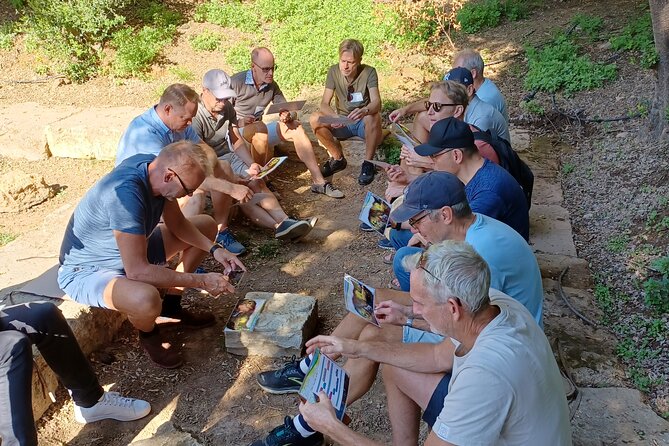
You’ll sit on ancient foundations, guided like a Socrates-style midwife (maieutic method), with clear, plain English and a focus on participation. This is family friendly, geared for adults and teens 15+, and it keeps the group size small, with a maximum of 10.
Key Highlights You Should Care About
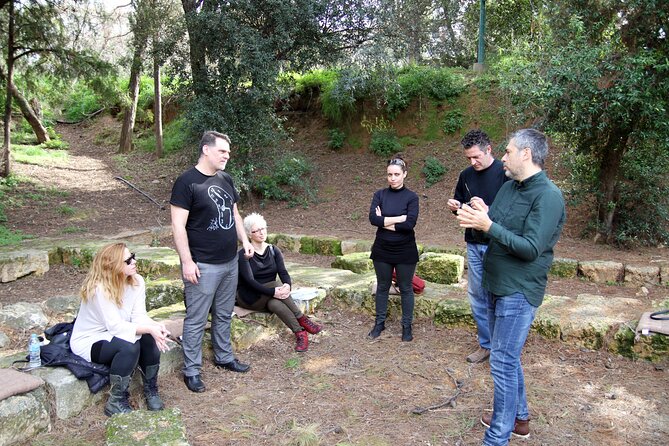
- Socratic maieutic method in action: you learn by practicing the style of questioning and answering
- Plato’s Allegory of the Cave, mapped to modern life: opinions turn into arguments and then into insight
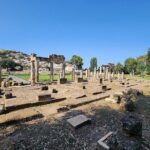
- Ancient Gymnasium ruins setting: you sit and debate on stone foundations tied to Plato’s world
- Small group (max 10): you are not lost in a crowd
- Digital Museum start, with Plan B if screens fail: and facilitators keep things moving, even when tech acts up
Why Plato’s Academy Ruins Make This Philosophy Workshop Work
This experience is built for people who find classic guided tours too passive. Here, you spend your time doing philosophy in the only way it really survives: conversation. You’ll be asked questions, nudged to explain your thinking, and challenged to consider alternate views, the same way Socrates tried to pull ideas into the open through dialogue.
The location matters more than people expect. Plato’s Academy Park is not just a pretty setting. It’s the kind of place where you can feel why ideas formed there in the first place: students gathering, discussing, arguing, and training their minds the way athletes trained their bodies. That’s why the workshop doesn’t feel like theatre. It feels like the setting is part of the lesson.
I also like that the format is honest about what it is. It’s not advertised as a guided tour with a lecturer walking you through every artifact. It’s an educational interactive workshop, so the value comes from your participation, not from collecting facts. If you enjoy asking questions and speaking up, you’ll have a good time. If you want a quiet lecture and a photo every ten seconds, you might not.
Finally, it’s priced like a smaller, more personal experience, not like a budget group tour. At $495 for about 2 hours, you’re paying for facilitation, insurance, and the structure that keeps everyone involved.
You can also read our reviews of more tours and experiences in Athens.


Digital Museum Start: Free Entrance, Screens, and the Reality Check
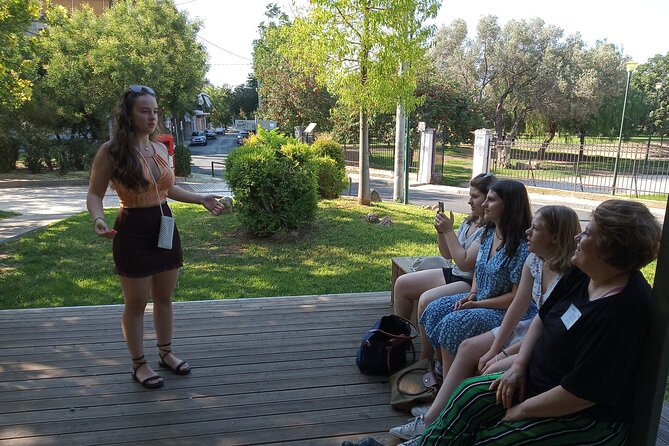
Your tour starts at Plato’s Academy Digital Museum (Alkmeonos 1, Athina 104 42). You get free entrance as part of the experience, and the museum is meant to help you get your bearings before you move to the ruins. The idea is simple: meet Plato in a modern format first, then talk philosophy where it began.
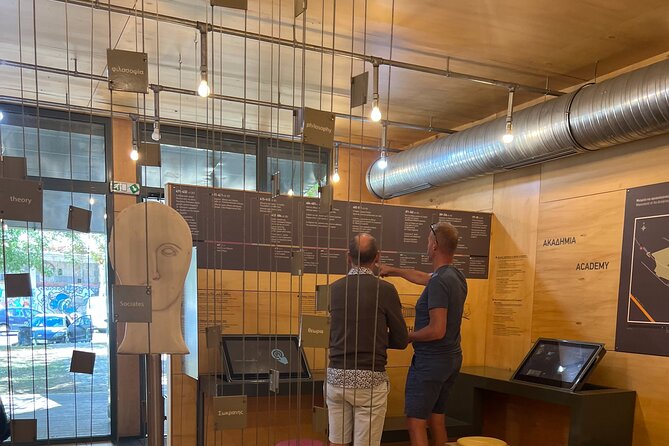
Inside, you’re looking at interpretive content through screens, walls, and videos. That matters because it prepares you for the workshop, so you’re not starting the Allegory of the Cave conversation from zero. It also helps if you don’t know the story of the cave already, since the workshop is suitable for people with no previous knowledge.
Now the part to take seriously: the museum can sometimes be closed due to technical reasons, and operating hours can change. Even when it is open, screens might not always be perfect. In a past session led by Olga, the museum experience faced screen issues, and the facilitator still kept the group learning and talking. That gives you confidence that the day won’t fall apart if the digital layer glitches.
Practical tip: don’t treat the museum content as the only path to understanding. You’re coming for the dialogue on the ancient site. The museum is support, not the whole point.
Sitting on Ancient Gymnasium Foundations, Then Practicing Socratic Questioning
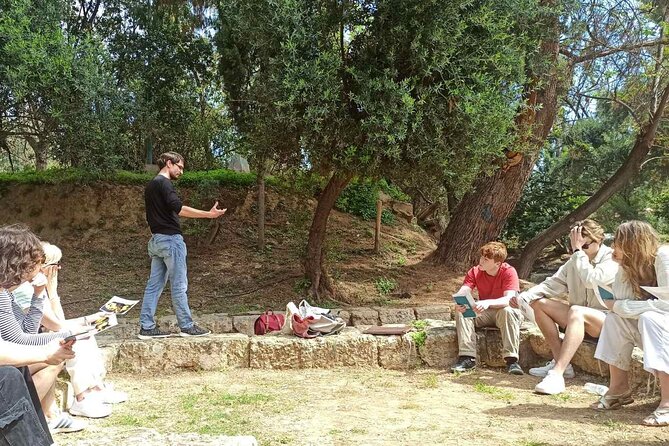
After the museum, you walk about 300 m through the archaeological park. Then you position yourself on the ruins of the ancient Gymnasium, the training place where young people gathered. This is the moment when the workshop becomes memorable.
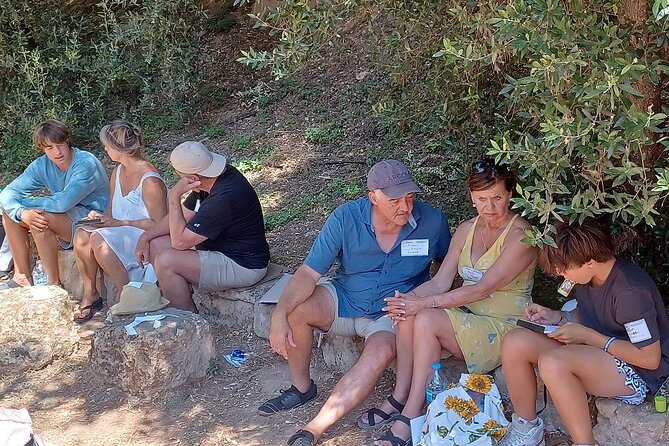
You’ll sit on foundation stones under shaded trees. That detail sounds small, but it changes the vibe. You’re not standing in a windy line. You’re resting where students once trained, and that makes the questioning feel grounded, not random.
The workshop then becomes a dialogue workshop. The facilitator guides you through the deeper meaning of the Allegory of the Cave, asking questions as another Socrates would. The goal is not to memorize definitions. The goal is to practice the thinking method. You’ll exchange opinions, beliefs, experiences, and views on real modern life examples, which is where people often realize philosophy is less about history homework and more about how you decide what to trust.
A key concept you’ll hear is Socrates’ maieutic method, described as a midwife style of learning. Instead of giving you answers, the facilitator helps you shape ideas from inside your own thinking. That approach can be surprisingly effective in a travel setting, because you’re not studying alone in a hotel room. You’re doing it with other people, with your own reactions in the room.
One more realism note: archaeological excavation can happen in the park. If that’s the case, you’ll see the ancient Gymnasium ruins from a short distance and settle at a different spot. It’s still the same overall experience, just with a small adjustment for the day.
The Allegory of the Cave, Turned Into a Modern Debate You Can Use
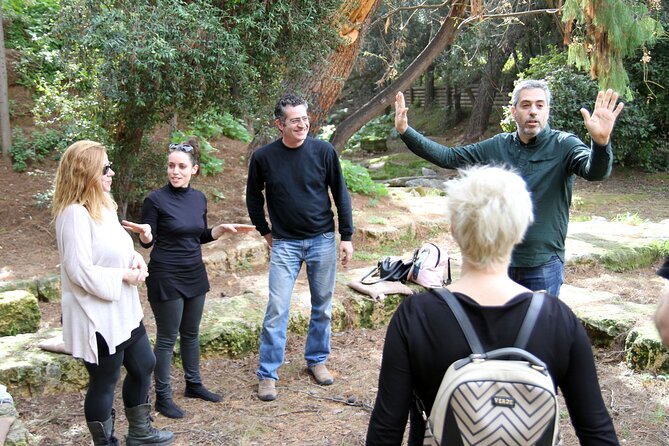
Plato’s Allegory of the Cave is often taught as a story about knowledge versus ignorance, but this workshop leans into something more practical: how you move from comfortable beliefs to tested ideas. In the dialogue, you’ll talk about perceptions, assumptions, and what it takes to question your own mental habits.
Here’s what makes that valuable for you as a traveler. Your mind is already in a state of comparison. You’re in a new country, hearing different perspectives, reading signs that mean different things than you expect, and navigating systems that aren’t yours. That’s exactly the kind of moment where the cave metaphor becomes relevant. The workshop gives you a structure for noticing how quickly you accept what you see, and how hard it can be to step back.
It also teaches you something social, not just intellectual. Good dialogue requires listening, then responding in a way that actually engages the other person’s point. The facilitator is there to keep things productive and joyful, and to reassure that everyone is equally involved. With a maximum of 10 travelers, it’s easier for quieter people to participate without feeling swallowed by a large group.
Language is also handled thoughtfully. It’s in plain English, and there won’t be difficult terminology. If you’re traveling with a teen, or you’re someone who thinks philosophy is only for classroom settings, this detail matters. It reduces the friction that can shut people down.
If you’re the type who loves debates, you’ll probably feel energized here. If debates make you tense, go in with the mindset of asking questions, not winning. That’s what the Socratic method is built for.
Who This Workshop Fits Best (And Who Might Want a Different Option)
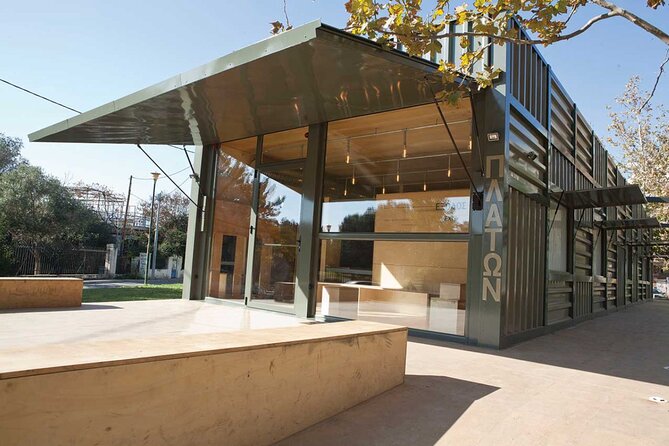
This is family friendly and designed for adults and teenagers over 15. Underaged participants cannot book alone, so you’ll want at least one supervising adult included. If your group includes teens, this can be a great change of pace from museum-hopping, because it turns learning into something you do together.
It also suits people who don’t want a standard lecture. Since there’s no guided tour in the usual sense, you should expect interaction. The facilitator will keep the workshop moving through dialogues and questions, but your job is to show up mentally and speak up when you’re invited.
If you are traveling with friends and want a shared activity that feels different from eating, sightseeing, and shopping, this is a strong match. It creates conversation you might carry into the rest of your Athens days.
On the other hand, this is an outdoor experience, so it requires good weather. If rain or harsh conditions hit, it may be canceled and you’ll be offered another date or a full refund. That means you’ll want flexibility in your schedule. Also remember it’s a historical heritage site, so the facilitator can terminate participation without refund if behavior is disrespectful, including things like loudness or dress-code problems.
One more practical fit check: if you want a quiet, sit-and-watch experience, this one isn’t built for you. This workshop rewards participation.
- All Day Cruise -3 Islands to Agistri,Moni, Aegina with lunch and drinks included
★ 5.0 · 4,958 reviews

Price and Value: Is $495 Fair for 2 Hours?
Let’s talk value like adults, not like brochure math. At $495 for about 2 hours, this isn’t a cheap add-on. You’re paying for three things that do not come free:
- Facilitation and insurance: liability insurance is included, and you’re guided by a junior facilitator for the basic version
- A structured interactive format: you’re not just entering a site, you’re doing an educational workshop with dialogue
- A small group cap: maximum 10 travelers means more actual participation per person
Also, the museum entrance is folded in with free access at the start. That reduces one cost and helps you understand what you’ll discuss later.
Where the value lands for me is this: you’re not buying a pile of facts. You’re buying time and attention from a facilitator, plus a method you can reuse. Even if you disagree with parts of Plato, you’ll likely leave with sharper habits for questioning your own assumptions, and a better sense of how to turn ideas into discussion without steamrolling others.
If you’re on a tight budget, you might decide to use the money for more museum entries or a classic guided walk. But if you’re the kind of traveler who likes activities that force thinking, and you want something genuinely different from standard sightseeing, this can feel worth it.
Should You Book Plato’s Academy Park Philosophy Workshop?
Book it if you want philosophy as an experience, not a lecture. If you enjoy dialogue, want to understand the Allegory of the Cave in a practical way, and like settings tied to ideas, you’ll likely be happy you scheduled this.
Consider skipping or swapping to something else if you need guaranteed quiet, prefer passive tours, or you can’t handle the risk of tech issues at the museum or weather cancellations. Also, since it’s for teens 15+, it may feel more like a teen-and-adult level workshop than a kids-only activity.
If you do book, come ready to talk. Bring comfortable walking shoes, expect to sit outdoors, and keep your expectations on the process. When you treat it like an interactive seminar on ancient ground, this workshop delivers something rarer than a photo: better questions.
FAQ
Where does the workshop start?
It starts at Plato’s Academy Digital Museum, Alkmeonos 1, Athina 104 42, Greece. The activity ends back at the same meeting point.
How long is the experience?
It lasts about 2 hours.
Is previous knowledge of Plato required?
No. It is suitable for people without previous knowledge, and it is explained in plain English with no difficult terminology.
Is it family friendly and age appropriate?
Yes. It is suitable for adults and teenagers over 15 years old. Underaged participants cannot book alone, so at least one adult must be part of the booking and supervise.
What if Plato’s Digital Museum is closed?
Sometimes the museum is closed due to technical reasons. The information notes that it can happen, so the day may adjust. The workshop is still planned around starting at the museum area and continuing in the park.
What happens if the weather is bad?
Because it’s outdoors, it requires good weather. If canceled due to poor weather, you’ll be notified at least 3 hours ahead and offered a different date, a similar workshop, or a full refund.
More Tour Reviews in Athens
- All Day Cruise -3 Islands to Agistri,Moni, Aegina with lunch and drinks included
★ 5.0 · 4,958 reviews