Reviewed · ATHENS
Open Water Course in Nea Makri, Athens
Scuba training in Athens, without the stress. The key draw for me is Dimitris, a patient, experienced instructor, with small-group attention so you get repeated practice and real feedback. The other big plus is the way the program moves from skills in shallow water to open-water sessions off Nea Makri in a safe, controlled setup. One thing to consider upfront: you need a health questionnaire first, and some conditions can prevent you from participating, plus they note not to go underwater training within 12 hours of flying.
This is a PADI Open Water certification course based out of Nea Makri, close to Athens, with options that fit your timeline. You can do a shorter 2-3 day format with a maximum depth of 39 feet (12 meters), or a longer 4-7 day format that allows deeper training. You’ll also do theory through five sections that you can study on your own from a book or laptop, then bring questions to your instructor.
Key things to know before you book
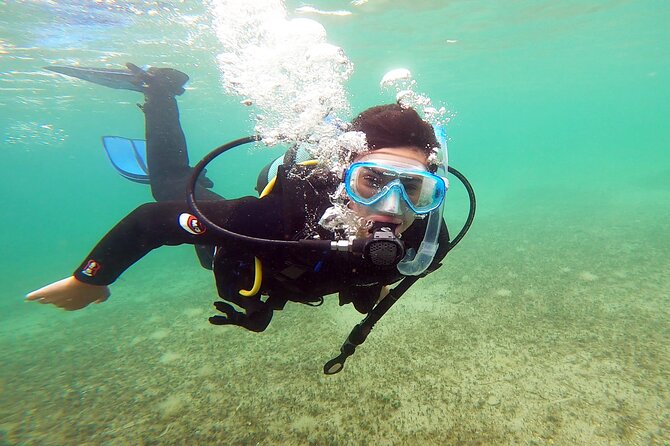
- Instructor-led small groups: the course keeps coaching tight, with a maximum of four people in the group (while the overall activity can run up to eight total).
- Theory that fits your schedule: five theory sections, done by self-study from a book or laptop, either at the start or during the course.
- Hands-on skill building in shallow water: equipment use and core safety skills are practiced in confined, shallow conditions before anything open-water.
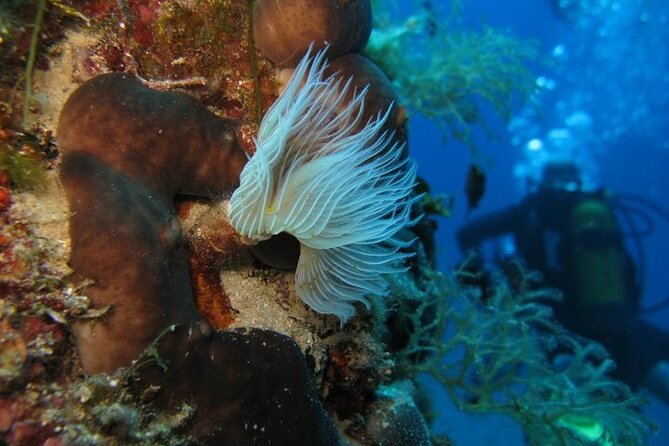
- Open-water sessions in south Evoikos gulf: after you’re ready, you revise what you learned and add new skills in the most interesting training spots in the area.
- Two certification paths: a shorter 2-3 day track (39 feet / 12 meters max) or a longer 4-7 day track for deeper training.
Nea Makri, Athens: a calmer way to earn your PADI card
If you want the Athens area but not the hectic pace, Nea Makri is a smart base for scuba training. It is close enough to Athens that it feels convenient, yet it is far enough from the city center that your day can stay focused on the course. The meeting point is at Kanelakis Diving Experiences on Frinis 20, Nea Makri, and the start time is 10:00 am, which helps you settle into the day without rushing.
What I like most is the structure. You do not just get tossed into the water and hoped for the best. You build skills step by step, with your instructor right there to answer questions and guide you when something feels off. In real life, that matters, because early scuba is equal parts technique and confidence.
From the reviews, the instruction style is a standout. One person highlighted Dimitris as an excellent instructor with a lot of experience, running multiple technique practices and keeping the whole schedule safe. That matches what you want in a course like this: calm coaching, repeated fundamentals, and clear correction when needed.
One more practical upside: this course is set up to work for most people. It lists a minimum age of 10, requires an adult for children, and notes that many travelers can participate. Still, you should read the medical guidance carefully, since the health questionnaire and any conditions you have can affect whether you can go forward with underwater training.
You can also read our reviews of more tours and experiences in Athens.


Course length options: the 2-3 day format vs 4-7 day deeper training
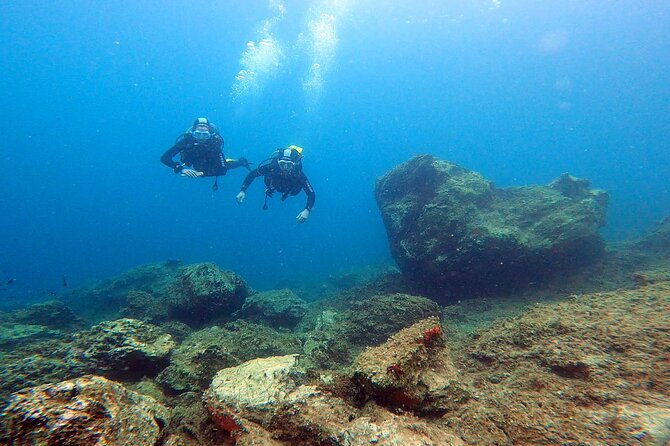
This course is built around two tracks. Choosing the right one is less about tougher versus easier and more about how much time you want for repetition and comfort.
Shorter track (about 2-3 days)
This option is designed to get you certified fast. It limits your maximum training depth to 39 feet (12 meters). If you are comfortable learning quickly, like a tighter schedule, and want to minimize time away from other plans, this makes sense.
A key detail here is that the course still follows the full flow: theory on five sections, confined-shallow skill work, then open-water sessions for revision and additional skills. So you are not skipping steps, you are compressing the timing.
Longer track (about 4-7 days)
The longer option takes more days and allows deeper training than the shorter track. The exact depth number for this deeper path is not stated in the details you provided, so you should confirm it when you book. But the overall idea is clear: you get more time in the water and typically more chances to refine technique before moving deeper.
From a comfort perspective, extra days can be worth it even if you think you will learn fast. Scuba is a skill, not just a concept, and repetition helps. If you tend to be cautious or you want more time to ask questions without feeling rushed, the longer format can be a better fit.
Theory sessions: five sections you can do on your own (with support)
Here is one part of the course that can feel surprisingly flexible. The theory is split into five sections, and you can complete them by studying on your own using a book or a laptop. You can do that at the beginning of the course or during it, depending on how your instructor wants to pace things and how you want to fit it around the practical sessions.
Your instructor stays available to talk through questions throughout. That is important, because theory can be tricky when it is just words on a page. In a good program, you learn the rules, then you see how they apply to what you do underwater.
Practical advice: do not wait until right before your first water session to start theory. Even a quick run through the concepts the day before can make the first shallow-water practice feel more natural.
Also, since the theory can be done from your own device or a book, you can plan your day more easily. If you like structured learning, the book may suit you. If you prefer digital notes, the laptop format may be your thing.
- All Day Cruise -3 Islands to Agistri,Moni, Aegina with lunch and drinks included
★ 5.0 · 4,958 reviews


Practical training in shallow, confined water: learn the system first
Before you go into open-water settings, the program includes confined water dives replaced here as confined-water practice, where you train with equipment and build key skills in shallow conditions. That part is about turning the basics into muscle memory.
Expect you will practice:
- Using scuba equipment safely and correctly
- Core safety and control skills in shallow conditions
- Basic movements and technique under close supervision
This is not a sit-and-watch class. It is hands-on training, and the point is to get you ready for the open-water phase without guessing.
One review mentioned that the student had four underwater sessions across two days and practiced the techniques multiple times. That is exactly what you want from the confined-water stage. You are not trying to prove you can do it once. You are practicing until your body knows what to do when something feels unfamiliar.
A small caution: the confined-water practice is still real scuba work. Your brain will be processing breathing, buoyancy, and hand signals all at once. If you get anxious easily, the best strategy is to lean on your instructor early, ask questions immediately, and treat the early skills as normal.
Open-water sessions in the south Evoikos gulf: revision and new skills
Once you complete the confined-water training and skills work, you join the open-water portion of the course. The details you have here are nicely straightforward: you revise what you learned and learn new skills in the most interesting places of the south Evoikos gulf.
What makes this part valuable is the combination of two things:
1) Revision, so you do not lose the fundamentals you practiced in shallow water
2) New skill learning, so the certification actually reflects real-world handling
From the reviews, safety and quality matter. One review specifically noted safe training spots and that the schedule involved practice of techniques multiple times. That signals a course that does not just move you along quickly, it works on correctness.
Practical expectation: even if you feel good, you will still be learning. Early open-water work is where you connect theory to conditions, including breathing rhythm and controlling depth in a real environment. If you start feeling overwhelmed, that is normal. This is exactly why the course uses a step-by-step progression.
Small-group coaching: why max four people changes your experience
The program limits the course group size to four people. Meanwhile, the overall activity can have a maximum of eight. That may sound like a minor detail, but in a scuba certification course, group size can decide whether you get real feedback or just a quick pass at instructions.
When a group stays small:
- Your instructor can correct technique sooner
- You get more time for questions
- Your pace is easier to manage
- You spend less time waiting around
The reviews you provided back up this style of coaching. One person called Dimitris responsible and patient, with professional teaching and a friendly vibe around the group. Another emphasized that Dimitris had a lot of experience and ran multiple technique repetitions during the training schedule.
If you like learning with personal attention, this setup is a strong fit. If you prefer solitary travel, scuba work will still keep you social since your course partner group matters in terms of support and shared training.
Price and value: what $488.70 really covers
The price is $488.70 per person, and the course runs about three days in the shorter format. On paper, that is not cheap, but scuba training rarely is. The value here comes from what you are paying for: structured instruction, both theory and practical sessions, and the step-by-step path that leads to certification.
You are not just paying for time in the water. You are paying for:
- Five theory sections delivered through self-study structure, plus instructor support
- Confined-water practice to build safe equipment and control skills
- Open-water sessions for revision and additional skills
- An instructor who stays with you throughout to handle questions
In other words, you are paying to reduce the risk of learning the wrong way. In scuba, that is a big deal. A course that feels calm and coached is not a luxury, it is part of staying safe while you learn.
If you compare the two tracks, the longer format likely costs the same per-person in your details, but it is spread across more days and includes training that goes deeper than the shorter track allows. That can be good value if extra days reduce anxiety and improve skill quality.
One budgeting tip: plan your schedule so you can actually keep up with the course rhythm. When scuba training runs on a tight timeline, missing a session, showing up tired, or skipping theory prep can make everything harder than it needs to be.
Getting there and the day-of rhythm at Kanelakis Diving Experiences
You meet at Kanelakis Diving Experiences, Frinis 20, Nea Makri 190 05, Greece, and the start time is 10:00 am. The activity ends back at the same meeting point.
It also helps that the location is near public transportation. Even if you drive, having transit nearby makes last-minute changes less stressful. For a course that starts in the morning, that kind of flexibility is underrated.
For timing, remember the rule about flying. The details say diving within 12 hours of flying is not recommended, and you will complete a health questionnaire before you can participate. So when you plan your trip, try to avoid booking flights too close to your course start. You want your body to be in its normal rhythm, not adjusting to travel fatigue or changes in pressure.
Practical advice: give yourself a buffer day before the course if you can. If that is not possible, at least avoid late-night travel that cuts into sleep.
Who this course suits best, and who should think twice
This experience fits people who want a structured, well-taught path to PADI certification without chaos. It is especially good if you value:
- Patient instruction and time for repetition
- Small-group attention
- A clear progression from skills to open-water training
- A schedule that offers both short and longer certification tracks
It may be less suitable if you:
- Have medical conditions that require clearance, since some pre-existing issues like asthma or heart conditions may prevent you from diving
- Cannot comply with the health questionnaire process
- Have flight timing that puts you within 12 hours of the course start
Also, the minimum age is 10, with children needing an adult. If you are traveling with family, this can work, but you should make sure the child and adult can handle the pace and schedule.
Should you book the Nea Makri Open Water Course?
I would book this course if you want a guided, confidence-building way to earn PADI Open Water near Athens, with small-group coaching and a teaching style that prioritizes repetition and safety. The combination of self-study theory (with instructor answers) plus supervised skill practice in shallow water is a solid recipe for beginners.
I would pause and think it through if you have medical concerns, tight flight plans, or you want a purely casual experience. Scuba training is work, and the success of your first certification mostly depends on preparation, good sleep, and following safety guidance.
If your schedule allows, the longer 4-7 day track is worth considering for extra practice time, especially if you want deeper training or you tend to learn more comfortably with more repetitions. And if plans change, the option includes free cancellation up to 24 hours in advance for a full refund, which is handy when Athens weather or travel connections throw curveballs.
FAQ
Where is the course based, and when does it start?
You start at Kanelakis Diving Experiences on Frinis 20, Nea Makri 190 05, Greece, with a start time of 10:00 am. The activity ends back at the meeting point.
How long is the Open Water Course?
There are two options: a regular certification that takes about 2-3 days, or a more intense course that takes about 4-7 days.
What is the maximum depth for the shorter 2-3 day course?
For the regular certification option, the maximum depth is 39 feet (12 meters).
How does the theory part work?
The course includes five theory sections. You can complete them by studying on your own from a book or via your laptop. The theory can be done at the beginning or during the course.
What happens during the practical training?
The practical part includes confined water sessions where you practice using scuba equipment in shallow water and learn skills needed for safe and enjoyable underwater training. After that, you participate in open-water sessions to revise what you learned and add new skills.
How big are the groups?
The course is in a small group limited to four people. The overall activity can have a maximum of eight travelers.
Do I need to fill out a medical questionnaire?
Yes. All participants must complete a health questionnaire before diving, and some pre-existing medical conditions (such as asthma or heart conditions) may prevent you from participating. Check with your doctor if you have any concerns.
Is it safe to fly right before the course?
The guidance says diving within 12 hours of flying is not recommended. Try to plan your travel schedule so there is time between your flight and the course.
More Tour Reviews in Athens
- All Day Cruise -3 Islands to Agistri,Moni, Aegina with lunch and drinks included
★ 5.0 · 4,958 reviews