
Reviewed · HISTORICAL TOURS
Explore Athens Historical Centre by Bike
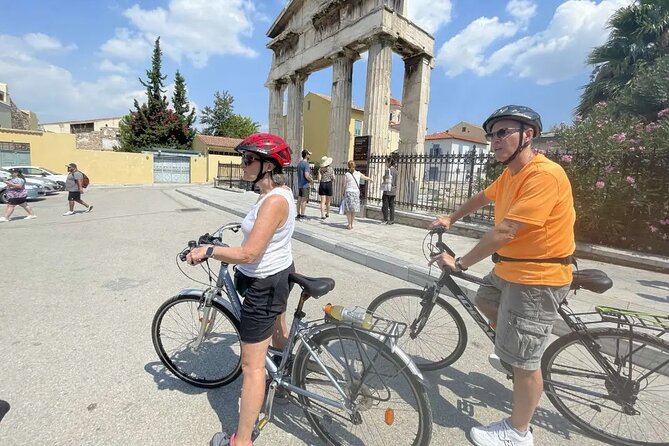
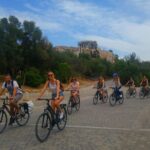
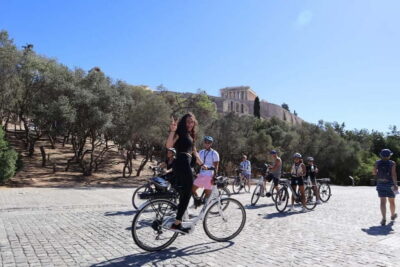
Bike lanes turn Athens into a moving museum. This Athens Historical Centre by Bike ride links the city’s big monuments with real neighborhoods, all in about 2.5 hours. You start at the Flat Tyres Psycling Club and roll along metropolitan bike lanes, with a max group size of 10.
I love two things most: the way you cover serious ground in one go, and the calm confidence of guide Stavros as you move through foot traffic, traffic, and short hills. I also like that bikes and helmets are provided, plus bottled water is included, so you spend less time planning and more time actually seeing Athens.
One thing to consider is the setup: there is no hotel pickup, so you must get yourself to the meeting point on time. Also, if you dislike cycling at all, this is still a real ride, not a leisurely stroll.
Key highlights worth planning around
- Max 10 riders keeps it personal, not chaotic.
- Stavros and clear English connect ruins to how the city grew.
- Bikes plus helmets and bottled water are included.
- A true Athens mix: ancient sites, markets, and viewpoints.
- One loop covering major sights from the Acropolis area to the Agoras.
- Managed street navigation helps you feel safe around busy areas.
Why Athens by bike beats a grab-and-go sightseeing day
Athens is great on foot, but it is also big, hot, and full of interruptions. On a bike tour like this, you get motion, rhythm, and a sense of distance without feeling like you are constantly hunting for the next ticket line. In about 2.5 hours, you string together areas that are usually split into multiple days.
The route also has variety. You do not just hit museum-stop Athens. You also cycle through neighborhoods where daily life is right there, including market streets and side lanes. That everyday texture makes the history stick in your head.
The sweet spot here is that the tour is designed for a first-time orientation. You learn where things are, how they connect, and what you want to revisit later, on your own terms.
You can also read our reviews of more cycling tours in Athens


Getting started at Flat Tyres and what the ride setup means for you
You meet at Flat Tyres Psycling Club (Thessalonikis 140, Athina 118 53). The tour ends back at the same meeting point, so you do not need to figure out a second transport plan afterward. It is also listed as near public transportation, which helps if you are already hopping around the city.
Bikes are 28-inch trekking bikes, and helmets are included. If you are worried about comfort, this matters. Trekking bikes are built for mixed city surfaces, and the 28-inch size generally feels stable for riders who vary in height. Bikes are also noted as in good condition in multiple experiences, which gives peace of mind for an outdoor ride.
You will choose from several start times, and the tour is offered in English. That means you can fit it into your schedule even if your day starts late or you want to avoid the worst parts of your day.
The route in plain language: an Athens loop from Parthenon area toward Petralona
This is not one straight line. It is a loop that sweeps across central Athens, combining major ancient landmarks with modern streets. You cycle from the initial bike-lane network toward the heart of the city, then branch into neighborhoods, then come back through other historic quarters.
Along the way, you get a mix of:
- Ancient sites (Kerameikos, Acropolis area viewpoints, the Agoras)
- Monument-scale sights (Temple of Olympian Zeus, Hadrian’s Arch)
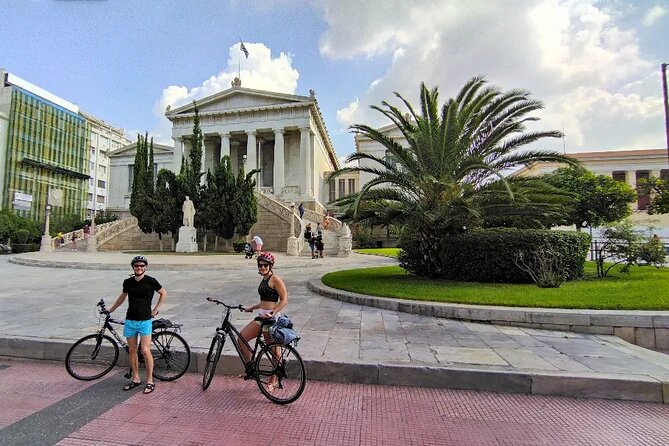
- City landmarks (Syntagma Square, Greek Parliament, the National Gardens)
- Modern Athens textures (Psirri, Varvakios Market area, Monastiraki market area)
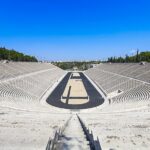
- A “big wow” stop for stadium lovers (Panathenaic Stadium, also called Kallimarmaro)
That combination is a big part of the value. It is not just history. It is Athens as a working city layered on top of ancient bones.
Stop-by-stop: what you will actually see and why it matters
Below is how the sights flow, with the practical take on what each part gives you.
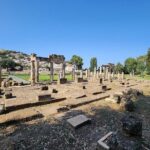
Kerameikos Cemetery: ancient Athens starts before the big monuments
The tour begins by cycling toward Kerameikos Cemetery, which is the first ancient site on the route. This is a smart start because it sets the tone early. You move from modern streets into an ancient landscape, and you start building a mental map of what ancient Athens looked like outside the famous core.
Practical perk: by the time you reach the bigger Acropolis area stops, you are not just seeing ruins, you are placing them. That makes later explanations easier to follow.
You can also read our reviews of more historical tours in Athens
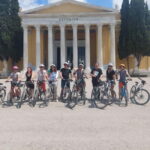

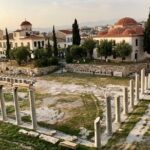


Psirri get-lost lanes and Varvakios Market: real Athens between temples
Next comes a section designed for getting a little lost, meaning Psirri streets instead of only main roads. You also pass by Varvakios, described as the traditional and biggest food market of Athens.
This is where the tour feels like more than a highlights reel. Markets give you a sense of what the city does day to day. If you plan to eat in Athens later, this area helps you understand what neighborhoods lean foodie and which streets feel lively.
Consideration: market areas can mean more people on foot and occasional slower moments. You will ride, but you should expect a denser feel than the open stretches near major landmarks.
Plaka cobblestones and Syntagma Square: postcard views plus political center
From Psirri, you cycle through Plaka, the area known for its historic streets and classic views. Then you reach Syntagma Square, where you see the Greek Parliament.
Two reasons this segment works. First, Plaka is visual, and you get that classic Athens look early enough to enjoy it. Second, Syntagma Square anchors you in modern Athens, so the monuments are not floating in your mind.
Drawback to know: Plaka’s streets can feel more uneven than bike lanes. If you are sensitive to cobblestones or vibration, just take it slow when the guide signals you to.
National Gardens, Zappeion, and the jump to the Panathenaic Stadium
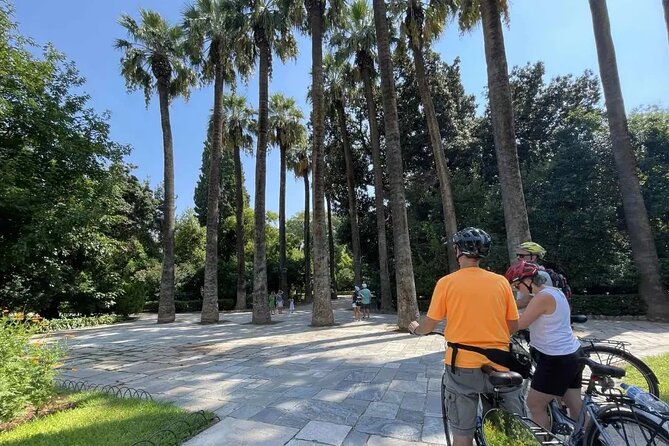
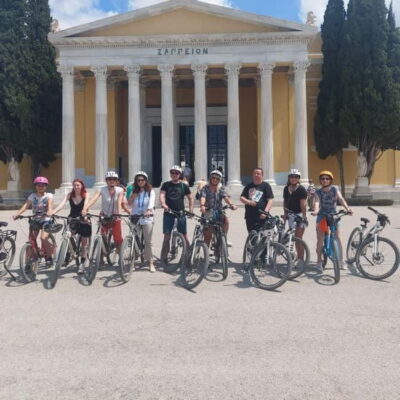
After Syntagma Square, you ride through the National Gardens toward Zappeion Hall. From there, you continue toward the Panathenaic Stadium, also called Kallimarmaro.
This is a great sequence because it gives you three moods in a row:
- Open green space
- Grand institutional architecture
- A stadium tied to the Olympics and Athens identity
You also get the benefit of variety in your riding experience. Gardens and open areas often feel easier to pedal than dense old streets, which helps you manage energy for the later ancient stops.
Temple of Olympian Zeus and Hadrian’s Arch: scale you can feel
Next you move to the Temple of Olympian Zeus and Hadrian’s Arch. These stops are about scale. Even if you know the legends, standing near the massive ruins changes how you picture the ancient city.
If you like your history anchored in big physical impressions, this part delivers. The guide explanations help connect what you see to why these sites mattered.
Museum of Acropolis area and Parthenon rock views: context without a long museum day
The route includes a stop near the Museum of Acropolis, located right under the sacred rock area of the Parthenon. You also get a break at Filopappou Hill with a visit to Pnyka, where you get panoramic views over Athens.
This is a strong mid-tour payoff. You get both the visual connection to the Acropolis area and a viewpoint moment that helps your brain connect ancient sites to modern neighborhoods below. It also gives you a physical break from nonstop riding.
Heat and pacing tip: you are still outdoors and still moving, so treat the viewpoint break as an intentional rest. Even if you feel energetic, drink your included water and reset.
Ancient Agora and Roman Agora: where you feel the city’s daily rhythm
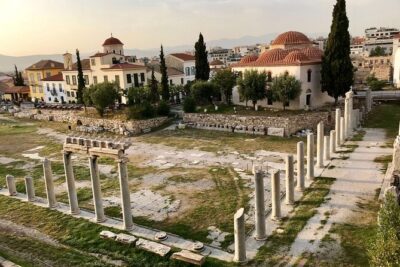
Then you reach the Greek Ancient Agora and the Ancient Roman Agora. These areas make Athens feel lived-in, not just impressive. The Agora is where the city’s daily stuff happened, so it is a natural match after the market-like modern sections.
This stop is usually where people start noticing details they would miss if they only saw monuments from far away. The guide connects the ruins to how Athens evolved across time periods.
Monastiraki open market and Thiseio back streets: the city comes alive on the return
After the ancient areas, you cycle through the Monastiraki area, including the open market vibe of modern Athens. Then you ride through Thiseio via paved streets, cycling back toward Petralona.
This closing stretch is valuable because it ties everything together. You see daily city life again right after the ancient zones. That contrast helps you remember the tour as a story, not just a checklist.
How safe and how hard is it really?
This tour is designed for most travelers, with a typical rating leaning toward confidence. The ride is described as safe, with the guide managing crossings through busy streets and foot traffic. In multiple rides, people specifically call out how the route avoids the worst congestion and how the guide keeps everyone comfortable.
The effort level is generally reasonable. You will pedal for about 2.5 hours, and there are a few short hills mentioned in experiences. The guide also adjusts to rider pace and interests, which matters if you are not a daily cyclist.
If you are brand-new to bike riding, bring realistic expectations. You are not doing a casual walking tour. But you do get structure, helmets, and a guide who takes safety seriously.
The guide makes the difference: Stavros and the Athens story you remember
The standout theme is the guide. You get Stavros, and people consistently highlight his English and his ability to explain history at each stop in a way that makes ruins feel connected to the city’s growth.
What I like about this kind of guiding is the balance. You get facts, but you also get the “why it matters” layer. The tour does not treat the ancient world as a separate planet. It ties it to streets you are riding on now.
You also get practical local flavor. In some rides, the guide adds off-route suggestions like food stops, including a nod to classic local grill options for souvlaki. Even if you do not follow every suggestion, it helps you travel like someone who understands where to eat and what areas feel right.
Bikes, helmets, and pacing: comfort details that affect your whole day
The included gear makes a difference. You do not need to hunt for a rental shop. You start with a trekking bike, wear a helmet, and roll out with a bottled water you can count on.
Bike condition matters too, and the experiences mention bikes being in good shape and comfortable. That cuts down on hassle, like wobbly handling or weird braking surprises. For a city ride, that peace of mind is huge.
Pacing is also part of comfort. The tour is small group, and the guide typically takes time at stops, so you are not getting squeezed into a fast slideshow.
Price and value: what $41.03 buys you in Athens
At $41.03 per person for about 2 hours 30 minutes, this is priced like a well-structured city orientation. The value is boosted because several essentials are included:
- Trekking bike
- Helmet
- Bike guide or leader
- Bottled water
- All fees and taxes
What is not included is also clear: hotel pickup and drop-off, plus snacks or drinks. So if you tend to snack often, plan on eating before or after. The water helps, but it does not replace a full meal.
For first-timers, the main value is that you leave with a mental map of central Athens. For repeat visitors, it is still useful because you get a fast loop across neighborhoods and monuments that you might otherwise only visit one at a time.
Weather and timing: how to pick your start time without stressing
This experience requires good weather. If weather turns, the plan can change, with an alternate date or a full refund offered if canceled due to poor conditions.
Choose a start time that matches your cycling comfort. If you do not love heat, consider a time earlier or later in the day when streets feel more manageable. You also get several convenient start times, which is useful if your hotel location or other activities make the morning tricky.
Who should book this bike tour?
Book it if you want:
- A small-group Athens orientation in one day
- A route that combines ancient Athens with modern neighborhoods and markets
- A guide who explains what you are seeing at each stop, including Syntagma Square, Olympian Zeus area, Acropolis area viewpoints, and the Agoras
- A safer-feeling city ride with helmets and bike lanes
You might skip it if:
- You do not want to cycle for 2.5 hours
- You need hotel pickup, because this one starts at a specific shop location and ends there
- You are traveling with a pace requirement that makes street riding stressful
Should you book this Athens Historical Centre by Bike tour?
Yes, if this is your first time in Athens and you want a smart, efficient loop that still feels human-sized. The small group limit and the attention to safety, plus Stavros’s style of storytelling, are the main reasons people come away with a clear sense of the city.
It is also a good choice if you like variety. You get ancient ruins, big landmarks, viewpoints, and market neighborhoods in one ride. Just be ready for real cycling, bring your comfort mindset for city streets, and plan food timing since snacks are not included.
FAQ
Where do I meet for the Athens bike tour?
You meet at Flat Tyres Psycling Club, Thessalonikis 140, Athina 118 53, Greece.
How long is the tour, and where does it end?
The tour lasts about 2 hours 30 minutes, and it ends back at the same meeting point.
How big is the group?
The tour has a maximum group size of 10 travelers.
What bike and safety gear are included?
A 28-inch trekking bike and a helmet are provided, along with a bike guide or leader.
Is bottled water included?
Yes, bottled water is included.
Is the tour offered in English?
Yes, the tour is offered in English, and you receive a mobile ticket.
What happens if the weather is poor?
This experience requires good weather. If it is canceled due to poor weather, you will be offered a different date or a full refund.
More Historical Tours in Athens
More Cycling Tours in Athens

More Tour Reviews in Athens
- All Day Cruise -3 Islands to Agistri,Moni, Aegina with lunch and drinks included
★ 5.0 · 4,958 reviews





Not for you? Here's more nearby things to do in Athens we have reviewed







Historical Tours, compared.
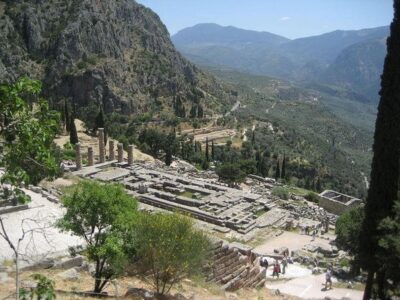 ★ 4.5Historical Delphi One Day Tour with Arachova Stop & Expert GuideFrom $341,247 reviews
 ★ 4.9Historic Athens: Small Group Electric Bike TourFrom $50740 reviews
 ★ 5.0The History of Athens: Greek Mythology Private TourFrom $199138 reviews
 ★ 5.0Athens Highlights by E-Bike: Small-Group Historic TourFrom $54131 reviews
 ★ 4.9Small-Group E-Bike Tour of Historic HighlightsFrom $43119 reviews
 ★ 5.0History of Rebellion Walking TourFrom $44110 reviews
 ★ 5.0Half Day Historical Athens City Private Taxi Service TourFrom $11079 reviews
 ★ 5.0Half day tour to Acropolis and the must-see historical sites and downtownFrom $18069 reviews
Browse the lists this tour appears in