
Reviewed · TOURS
Small Group Tour: Balkans & Central Europe from Athens to Vienna
You start in Athens, then keep moving until Vienna. What makes this tour feel special is the sheer geographic range, plus the fact that you do it with a small group and a guide who handles the heavy lifting. You see UNESCO sites, historic towns, and the everyday culture that lives in bazaars, mosques, churches, and lakeside viewpoints.
I especially like the private transportation and hotel plan. Instead of hopping between rental cars, you stay on one organized flow, with pickup in Athens and drop-off in Vienna, and you get breakfast included each morning. That matters on a 21-day trip, because your time and energy are the scarce resources.
One thing to consider: you will be traveling a lot, and lunches and dinners are not included. So this works best if you are comfortable budgeting meals and staying flexible with a packed schedule.
Key strengths at a glance
- Max 10 travelers: small-group touring with less waiting around and more real conversations.
- Guide-led coverage of UNESCO highlights: Delphi, Meteora, Ohrid Lake, Kotor, Mostar, Sarajevo, Belgrade Fortress area, Buda Castle, and more.
- Transport plus entry fees included: package covers private transport, tourist taxes, and entry tickets for the sites marked included.
- Built-in time to wander: several towns include meaningful free time, not just a photo stop parade.
- Cultural variety across 10 countries: Greece, North Macedonia, Albania, Kosovo, Montenegro, Bosnia and Herzegovina, Serbia, Hungary, Slovakia, and Austria.
- 3-star hotel comfort with breakfasts included: practical, consistent lodging for a long overland run.
Small group size, private cars, and what you stop worrying about
On a long Balkans to Central Europe route, the difference between a good trip and a painful one is usually logistics. This is set up so you do not need to plan transit between countries, chase tickets, or guess where the meeting point is each day. You get hotel pickup in Athens and hotel drop-off in Vienna, which makes the first and last days less stressful.
The tour also runs with a maximum of 10 travelers. That small size is not just a marketing line. It tends to mean fewer people to corral at viewpoints, less time stuck in a crowd photo, and more chances to ask your guide why a place looks the way it does. When you are moving through regions with layers of Ottoman, Austro-Hungarian, Byzantine, and local traditions, those explanations help.
Price-wise, you pay for convenience. The package includes private transportation, professional tour leadership, tourist taxes, and entry tickets for the sites visited. You still handle lunches, dinners, drinks, and personal spending, but the core structure is handled for you.
You can also read our reviews of more tours and experiences in Athens.


Price and value: what the $7,734 covers, and what it does not
The listed price is $7,734.19 per person for about 21 days. That is a high number, so here is the value math in plain terms.
What you are paying for:
- A long route across multiple countries with private transport
- 3-star hotels with breakfast included for all overnights
- Entry tickets for the sites included in the program
- Tourist taxes and road-related costs covered
- Athens pickup and Vienna drop-off
What you are not paying for:
- Lunches, dinners, drinks, snacks
- Souvenirs and personal spending
The realistic takeaway: this price tends to make sense if you want a guided, door-to-door style trip where you can spend your mental energy on places, not planning. If you like doing things independently and your time is flexible, you could build a cheaper route yourself. But if you want the Balkan highlights stitched together without the admin, this is the “pay more to travel easier” option.
Athens to Delphi to Meteora: big Greek icons with smoother timing
Day 1 starts in Athens. You do not have to solve arrival logistics. Your tour leader picks you up at your hotel, and you begin with classic Greece in a way that keeps momentum. Then you drive to Delphi, a UNESCO World Heritage site that feels like a concentration of Greek mythology, stone, and scale. Delphi is all about key monuments such as the Temple of Apollo and the Treasury of the Athenians, plus the museum and standout sculptures like the Charioteer. The practical bonus here is that admission is handled for the stop.
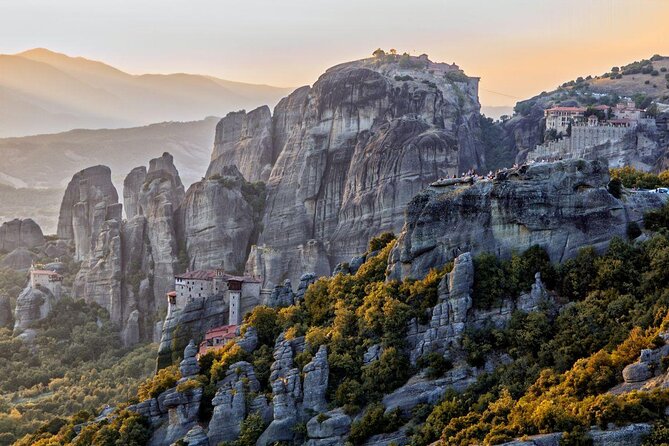
After Delphi, you head to Meteora. The monasteries perched on rock formations are one of those places where a description can never fully prepare you. You get time to see the setting and watch for sunset colors, which is usually when Meteora earns its reputation. You should go with comfortable shoes, because even short walks around viewpoints can add up.
A small caution: these are high-demand sites in a short span. You will be grateful for the guide and transport, because trying to do Delphi and Meteora on your own in the same window often becomes a timing puzzle.
Ioannina to Gjirokaster: Ottoman streets, fortress towns, and stone-city drama
From Greece you move into the Ottoman-flavored layers of the region. Ioannina is a great early pick because it is not only a pretty old town. It is built on visible history, Byzantine and Ottoman architecture, and a maze-like feel in the streets. You also get a castle visit at Ioannina Castle, plus time around City Hall and local cafes. The walking is the point here.
Then you go to Albania’s “Stone City,” Gjirokaster. This is one of the most memorable style-of-place moments on the route. Gjirokaster looks like every house is a fortress, and you feel the defensive logic of the town layout as you move through it. You get bazaar time and a visit to Skenduli House, described as one of the best-preserved homes with original details. That matters because houses like this are where you understand daily life, not just big monuments.
If you enjoy craft, you will like Gjirokaster’s medieval bazaar energy, where handmade goods and local producers are part of the flow.
Berat and Onufri: living UNESCO, not a museum postcard
Berat is known as the town of “1001 windows,” and the name fits. The medieval old houses stack up on steep hills, and the view gives you an instant sense of how people shaped their homes around terrain. This stop is also a reminder that UNESCO places can still be lived-in towns, not sealed-off attractions.
You visit Berat Castle, where residents still live inside the walls. That is a powerful difference from many heritage sites that are purely preserved. You also cover the National Iconographic Museum Onufri, tied to a painter whose work includes a distinctive reddish color. If you care about art and icons, you get more depth here than you would from a quick exterior photo run.
The main practical tip for Berat: bring a plan for heat and stairs. The town is best when you slow down, but the streets are steep and uneven.
- All Day Cruise -3 Islands to Agistri,Moni, Aegina with lunch and drinks included
★ 5.0 · 4,958 reviews
Drilon, St Naum, and Ohrid: lake air, monastery calm, and UNESCO validation
You start shifting toward North Macedonia with a couple of nature breaks. At Drilon National Park, the focus is a lake-like spring with willow trees and quiet green surroundings. It is not just a scenic pause, it helps reset your pace after big city and fortress days.
Then comes St Naum (Monastery of Saint Naum) at the border area, positioned by the source of the River Crni Drim. The setting feels special because it is tied to water, protected nature, and a monastery complex. Entry here is marked included, so you do not need to sort that part out.
Finally, you reach Ohrid. Ohrid Lake and the city are UNESCO, and the stop is long enough to feel like you are in the place, not just passing through. You visit viewpoints such as the Church of St John, then the Church of St Nicolas, and also the mosque Halveti Hayati Tekke. Ohrid’s reputation for Orthodox churches is not marketing fluff on this route. The mix of religious sites gives you visible layers of history in one place.
A timing note: Ohrid gets three hours, which is good. You can wander, visit key landmarks, and still have time to sit by the lake feel.
Tirana and Albania’s food culture: bazaars, bunkers, and practical local tastes
In Albania, the tour adds a different kind of energy. Tirana includes a local companion time and a food-forward approach. You stop at Tregu Çam for Byrek and breakfast-style local food. You also move through marketplaces like Pazari i Ri, including the Bicycle bazaar and the New Bazaar area for lunch tasting, with Qofte and bread plus the option for vegetarian Gjize.
This is where you get a sense of Albania not just as a historical stop, but as a daily culture with flavors, habits, and even bargaining rhythms. You also taste Albanian Raki, which is part of the social fabric in a way that a restaurant alone often cannot capture.
Finally in Tirana, you visit Bunk’Art 2, a museum housed in a former nuclear bunker. It is a short visit, but it adds emotional weight, because it connects the Cold War fear to actual Albanian life. Even if you are not a history fanatic, it helps you understand why so many Balkan societies remember the 20th century so directly.
Kruja to Kosovo’s Prizren: medieval bazaars and fortress views
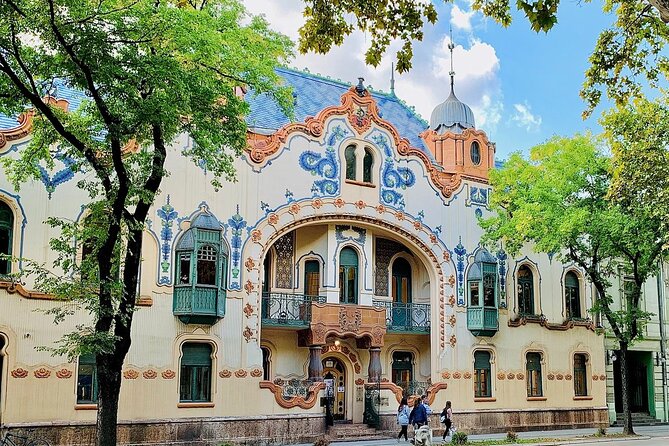
You continue to Kruja, a symbolic town for Albanian resistance in the 15th century. You get time around the old bazaar, including craft shopping and the vibe of wooden houses. Then you visit Kruja Castle, positioned strategically on a rocky hill with hidden paths described for escape during siege times. It is the kind of defensive architecture that teaches you how geography influences human decisions.
After Kruja, you cross into Kosovo and head to Prizren, a cultural capital known for religious tolerance and layered empires. The old town runs along a river with multiple bridges, so wandering is natural. You also get a visit to Sinan Pasha Mosque, with its arabesque colors and patterns, and time at the Kalaja Fortress for views over town.
If you like browsing craft and seeing metalwork skills in action, Prizren’s artisanal culture is one of the better matches on this route.
Monasteries in Kosovo and Shkodra: Decan frescoes, slow food, and Venetian influence
In Kosovo you visit Gjakova, where the bazaar is the star. Even though it faced destruction in major conflicts, it has been rebuilt. You get a chance to look at shops selling traditional handmade crafts and enjoy a meal or browse stores.
Then comes Deçan (Monastery of Decan). The highlight here is UNESCO listing tied to frescoes, plus the fact that Orthodox monks still inhabit the monastery and make fresh organic food such as cheeses. That living aspect matters. It is not just an art stop, it is a functional religious community.
You also drive through the Rahovec Valley, described as a center of viticulture. If you time your day right, you can pair vineyard scenery with the idea of centuries of grape growing, with viticulture evidence stretching back a long time.
Later, you visit Mrizi i Zanave, a slow food agro-tourism farm. The tour is about how the farm preserves regional bio fresh local products and how a family business adapted older communist buildings for storage. You also have free time for a traditional lunch or to buy produce. This is one of the best “taste the place, not just see it” moments on the whole trip.
Finally you reach Shkodra (Shkoder) and visit Rozafa Castle, with views over the lake and three rivers melting together. Shkodra’s Venetian influence is mentioned, and it is easy to spot through architecture and details. If you have any love for “border city” stories, Shkodra fits the theme.
Coast to Old Town: Budva, Kotor, and Mostar’s Old Bridge area
In Montenegro, you start at a viewpoint near Sveti Stefan, a historic fishing town that is now an exclusive resort. You can still enjoy the coastal picture and the feel of the setting, but you should understand that the island itself is not visitable.
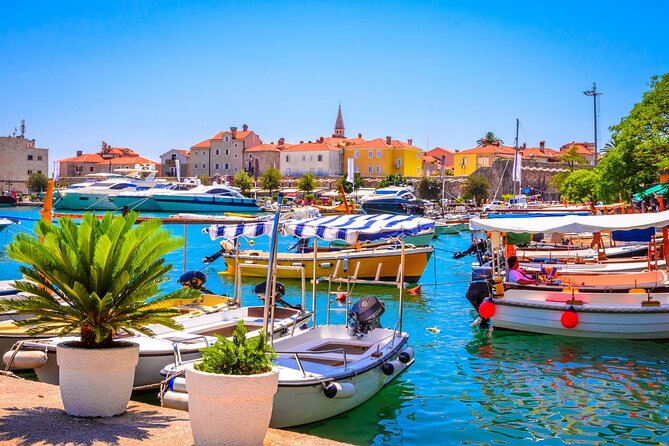
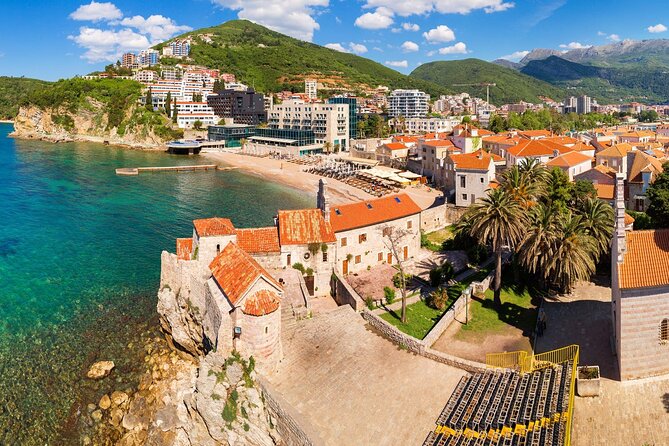
Then you reach Budva. You get Old Budva time, including St Ivan church and the medieval old town streets, separated from the newer parts. It is a solid balance of historic center and modern resort energy.
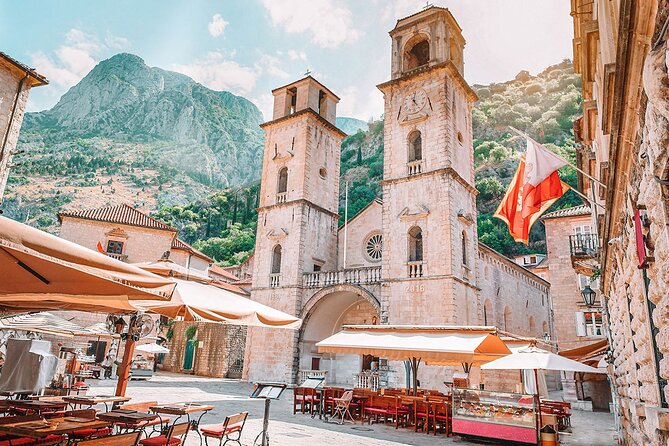
The real UNESCO win in Montenegro is Kotor. Kotor’s old town is described as a maze of narrow cobblestone streets, and it is a city built to confuse intruders. You visit Saint Luke’s church, and the stop is a good blend of architecture and local meaning.
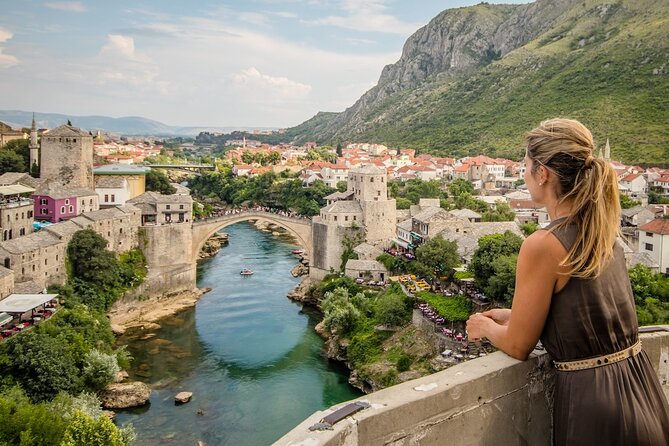
Then you cross into Bosnia and Herzegovina for Mostar. You see the iconic Stari Most (Old Bridge), UNESCO, built in Islamic architectural style in the 16th century. After that, you wander the Old Bazaar area with colorful streets, plus memorial stones labeled Don’t Forget. You also visit Blagaj tekija, a monastery by blue waters at the base of a cliff. Even with limited time, Blagaj gives you a calm contrast to the busy historic cores.
Sarajevo to Belgrade: layered empires, wartime scars, and a big city reset
From Mostar, you go to Sarajevo, and this is not a fluffy stop. You walk on uneven terrain and see ruins and reminders of the Yugoslav War, including bullet holes and cannon marks. You also get the Ottoman and Austro-Hungarian parts of the city, with markets, bazaars, mosques, churches, and synagogues. Sarajevo is often described as a meeting place, and in-person walking makes that idea tangible.
You also visit the Latin Bridge, tied to the story of how World War I was triggered. That connection gives the bridge a weight beyond a postcard. You then get free time in Sarajevo for traditional dishes and desserts, which is the right kind of breathing space after serious history.
Next is Serbia, with a stop in Zvornik on the Drina River before reaching Belgrade. Zvornik is more relaxed. It gives you lunch time and a chance to slow down, which helps before the big city.
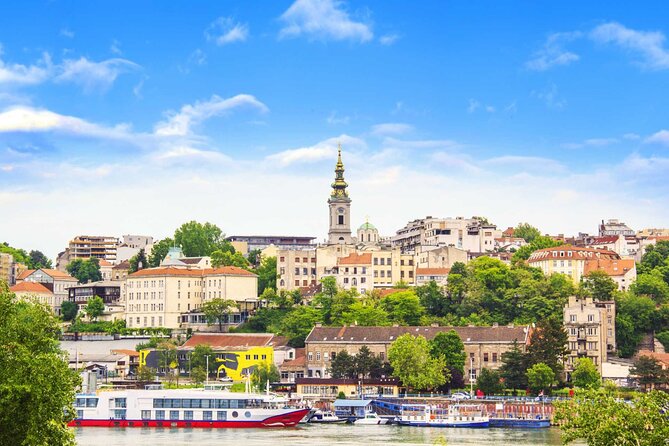
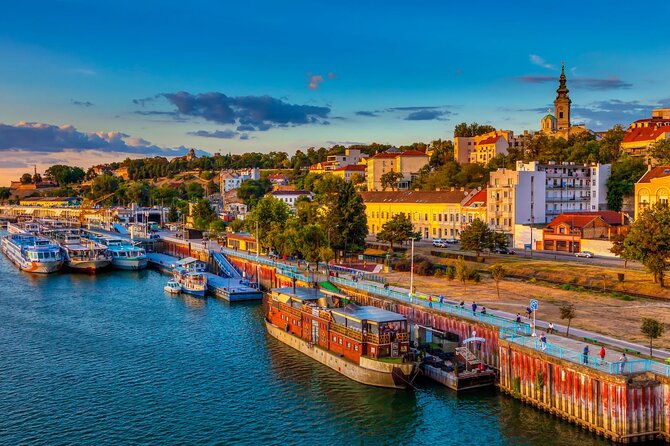
In Belgrade, you visit Belgrade Fortress and Kalemegdan Park, then walk Knez Mihailova and reach Republic Square. The fortress views are a highlight because you can see Belgrade from above, and it is easier to understand the city’s river geography from that vantage point.
Serbia wine towns to Hungary’s Danube icons: Novi Sad, Subotica, Budapest, Győr
The route moves to wine culture in Sremski Karlovci, where the town feels like a museum town with a Baroque center and cellar traditions. You even get the legend of the Four Lions fountain, tied to returning and getting married there. It is a fun local story that gives your wandering a bit of personality. You also get free time to taste wine specialties with vineyard views.
Then you reach Novi Sad, the northern Serbia cultural capital. You see Austro-Hungarian and Ottoman influences side by side, plus Baroque architecture. You visit Petrovaradin Fortress, also called the Gibraltar on the Danube, and you stroll the pedestrian streets through areas like Zmaj Jovina and Dunavska. Overnight in Novi Sad is built in, which is a nice rhythm shift.
Next is Subotica. The highlight here is architecture, multicultural spirit, and a city center where the square and city hall are the focal point, not one single dominating church. You get time to walk and taste local cuisine and quality wines.
Then you cross into Budapest. The tour covers Saint Stephen’s Basilica, a stroll along routes to highlights like Heroes’ Square and Fisherman’s Bastion, and a visit to Buda Castle UNESCO included. You also get a free evening to explore Budapest at night, which is when the Danube views start to feel cinematic.
From there you head to Győr. You visit the town hall and the Cathedral of the Virgin Mary, then walk to the synagogue with its large grey dome. The pedestrian street Baross Gabor is for cafes and food, including a mention of famous blueberry beer. Even on a short stop, this is a good taste of Central European city charm without big-tourist overload.
Bratislava and the final Vienna drop-off: Danube time to exhale
On your way to Vienna, you stop in Bratislava, Slovakia’s Danube city. You tour parts of the old town, then visit Michael’s Gate, the only preserved medieval gate. You walk up to Bratislava Castle for the view, then return to the city center.
Bratislava’s old town coffee culture is a named highlight, so this is a good moment to slow down with a cup, before the final run to Vienna.
On the last day you arrive in Vienna, and your tour leader drops you at your hotel. It is a clean finish after weeks of moving through different languages, faiths, and architectural styles.
Who this tour fits best, and who should rethink it
I think this tour is ideal for you if:
- You want a guided, small-group route that covers 10 countries
- You care about UNESCO sites but also want everyday city time in bazaars and old streets
- You like structure on long trips, especially when crossing borders
You might want to rethink it if:
- You hate a fast pace and prefer deep stays in fewer places
- You want fully independent dining every day, since lunches and dinners are not included
- You are sensitive to walking on uneven ground and hills, which shows up in towns like Ohrid, Sarajevo, and fortress areas
FAQ
How many travelers are on the group?
The tour has a maximum of 10 travelers.
What does the tour include for lodging and meals?
Accommodation and breakfast are included for all overnights in 3-star hotels. Lunches, dinners, drinks, and snacks are not included.
Are entry tickets included?
Entry tickets are included for the sites marked as will be visited in the program, along with tourist taxes.
Do you get pickup in Athens and drop-off in Vienna?
Yes. There is hotel pick up in Athens and hotel drop off in Vienna.
Is there a single room option for solo travelers?
Single room occupancy is possible for an extra charge of 45 Euros per night per person in a 3-star hotel.
Is the tour refundable if I cancel?
This experience is non-refundable and cannot be changed for any reason.
Should you book this Athens-to-Vienna small-group tour?
If you want one organized Balkan-to-Central-Europe journey that mixes UNESCO highlights with real town wandering, this is a strong choice. The value is in the package structure: transport, hotels with breakfast, entry fees for key stops, and a small group that keeps things manageable for a 21-day run.
Book it if you like the idea of seeing lots of countries in one shot and letting a guide handle the day-to-day. Skip it if you want long, slow stays and you prefer to build your own route from scratch.
More Tours in Athens
More Tour Reviews in Athens
- All Day Cruise -3 Islands to Agistri,Moni, Aegina with lunch and drinks included
★ 5.0 · 4,958 reviews
Not for you? Here's more nearby things to do in Athens we have reviewed



Tours, compared.
 ★ 4.8Acropolis, Parthenon & Acropolis Museum Guided TourFrom $409,316 reviews
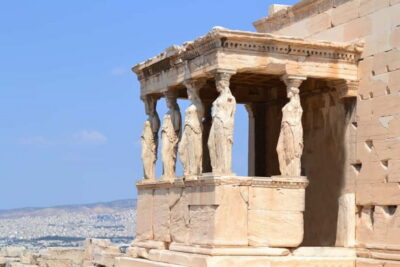 ★ 4.6Acropolis and Parthenon Guided Walking TourFrom $385,882 reviews
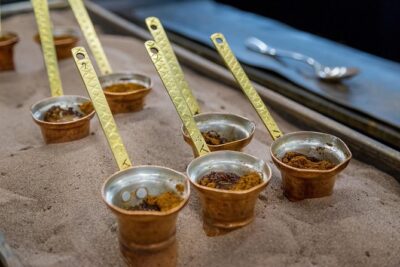 ★ 5.0Greek Food Walking Tour in AthensFrom $874,740 reviews
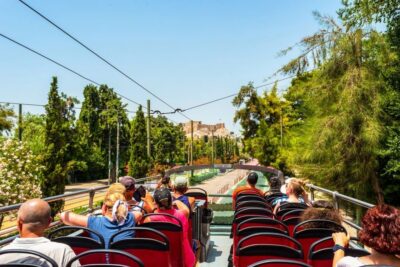 ★ 4.3City Sightseeing Hop-On Hop-Off Bus TourFrom $254,520 reviews
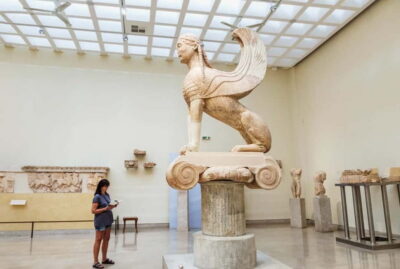 ★ 4.6Mythology of Delphi, Museum and Arachova Guided TourFrom $314,008 reviews
 ★ 5.0Best of Athens Half Day Private TourFrom $913,714 reviews
★ 4.8Acropolis, Parthenon & Acropolis Museum Guided TourFrom $413,579 reviews
★ 5.0Best of Athens Half Day Private TourFrom $913,714 reviews
★ 4.8Acropolis, Parthenon & Acropolis Museum Guided TourFrom $413,579 reviews
 ★ 4.7Acropolis: Acropolis and Parthenon Guided Walking TourFrom $363,442 reviews