
Reviewed · PRIVATE
Semi-Private Balkans Tour; From Athens to Sarajevo or Belgrade
Two weeks is a lot, but in the Balkans it feels right. This semi-private West Balkans tour strings together seven countries with a small group, professional guiding, and the kind of UNESCO stops that make you blink twice. I love that the itinerary handles logistics for you, with hotel pickup in Athens and private transportation between cities. I also love how personal the pace stays with a maximum of 10 travelers, so you can ask questions instead of just following a crowd.
One thing to know up front: the days are full, with long drives and frequent walking. If you’re the type who likes to linger for hours in one place, you may feel a bit rushed, especially once you hit cities like Ohrid, Tirana, and Sarajevo. Also, since dinners are not included, you’ll want to budget for meals as you go, and wear shoes ready for uneven terrain, particularly in Sarajevo.
Key Highlights You Will Feel Immediately
- Small-group size (max 10) keeps the sightseeing conversational, not cattle-car style
- Private transportation means fewer transfers and less waiting around
- UNESCO heavy itinerary, from Delphi and Meteora to Ohrid, Kotor, Mostar, and more
- Local food moments like byrek in Tirana, Qofte lunch tastings, and slow food farm time
- Strong guiding reputation, with names like Ervin and Julian noted for helpful, fluent guidance, and Sirma praised for responsiveness
From Athens Hotel Pickup to Day One at Delphi and Meteora
The tour starts with a straightforward plan: you meet at 9:00 am, and your guide comes to pick you up from your Athens hotel. That matters more than it sounds. When you are traveling with a tight route, you want your day to begin clean, not with a scavenger hunt for transit tickets and meeting points.
Your first major stops are Delphi and Meteora, both UNESCO sites. Delphi gives you the ancient “wow” factor, while Meteora turns that excitement into a view you remember. If you like travel days that feel like a movie montage, this start hits the mark fast.
The only downside of this style is obvious, you spend less time resting and more time doing. Still, with a professional guide and private transport, it feels organized rather than frantic.
You can also read our reviews of more private tours in Athens


Delphi’s Sacred Site Energy, Plus Museums Worth Your Time
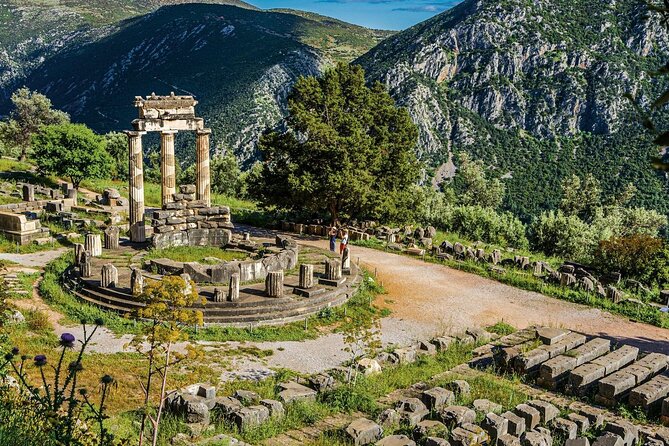
Delphi is one of those places where you can see why people made pilgrimages for centuries. You’ll visit major landmarks tied to ancient Greek culture, including the Temple of Apollo, the Treasury of the Athenians, and the theatre. The site also includes the Stadium and the Museum, which is where you get added context and see important statuary like the famous bronze Charioteer (dated to 475 B.C.).
What I like about building Delphi into the schedule is that the tour does not just throw you at ruins and send you off. You have enough structure to connect the names, then you can wander with a clearer head.
If you have a knee or mobility issue, treat Delphi like you would any ancient site: expect uneven ground and stairs. Plan for a slower pace inside the museum sections and bring sun protection in warm months.
Meteora Monasteries and the Sunset Moment That Actually Delivers
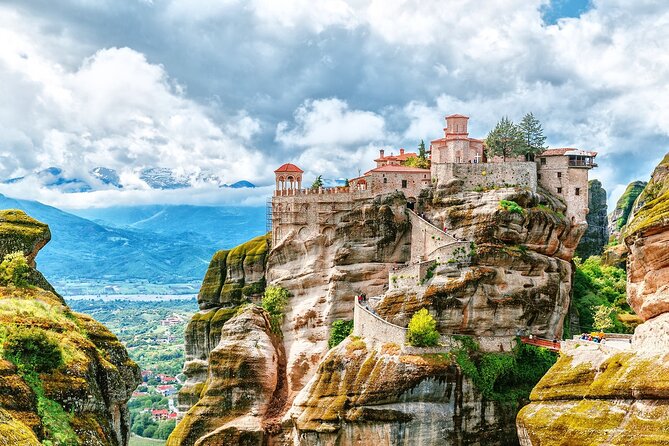
After Delphi, the tour drives to Meteora, another UNESCO World Heritage site. These monasteries sit atop huge rock formations from the 14th and 15th centuries, and the scale is the first shock. Then the details take over, because the monasteries are not generic viewpoints. They feel like places built for purpose.
The itinerary also builds in time for what people come for: a sunset. The idea is simple, you watch the sky change over the rocks and monastic silhouettes. This is one of those moments where a guided trip beats planning it yourself, because the timing is harder to nail when you’re learning the logistics from scratch.
Practical note: sunset plans can get weather dependent. Even so, Meteora is worth visiting as a day stop, and you will still get strong views before dusk.
Ioannina to Gjirokaster, Old Town Corners and the Stone City Mood
From Delphi and Meteora, the route shifts into quieter, less rehearsed Greece and Albania. Ioannina in Greece brings you into a more lived-in old town. You’ll walk cobbled streets, see architecture shaped by Byzantine and Ottoman eras, and spend time around Ioannina Castle, with its maze-like internal streets and historic buildings.
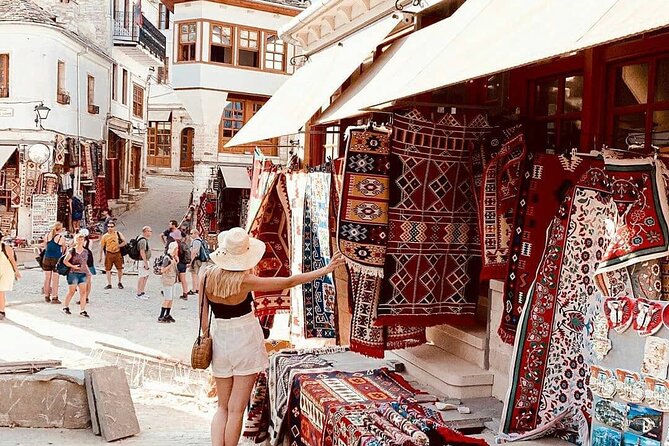
In Gjirokaster, the vibe changes. It’s often called the Stone City, and the feel is real. The townspeople built houses that look like fortifications, and the castle anchors it all. You’ll also experience the old bazaar area right before reaching the castle, so you get both story and texture, stone alleys, craft shops, and the practical rhythm of local commerce.
If you want one takeaway from this stretch, it’s how quickly the region’s architecture evolves while keeping a shared Balkan thread. Greek stone and Ottoman-influenced city shapes transition into Albanian medieval preservation in a way that feels natural rather than forced.
Gjirokaster Castle, Bazaar Time, and Skenduli House
In Gjirokaster, the tour includes multiple layers instead of a single quick stop. You’ll visit the castle and then spend time with the bazaar, where handmade crafts and local goods take center stage. It’s the kind of place where you can browse without feeling pressured, and you can look for items that have real local identity.
You’ll also visit Skenduli House, one of the best-preserved houses in the town, with details described as original and authentic. That kind of stop is valuable because it changes you from spectator to observer. You start imagining how daily life worked, not just what walls looked like from the outside.
The main consideration is time. This day stacks several stops, so you’ll want to pace yourself. Take breaks when you can, especially during summer heat.
- All Day Cruise -3 Islands to Agistri,Moni, Aegina with lunch and drinks included
★ 5.0 · 4,958 reviews
Berat’s 1001 Windows and the Mix of Churches, Mosques, and Museums
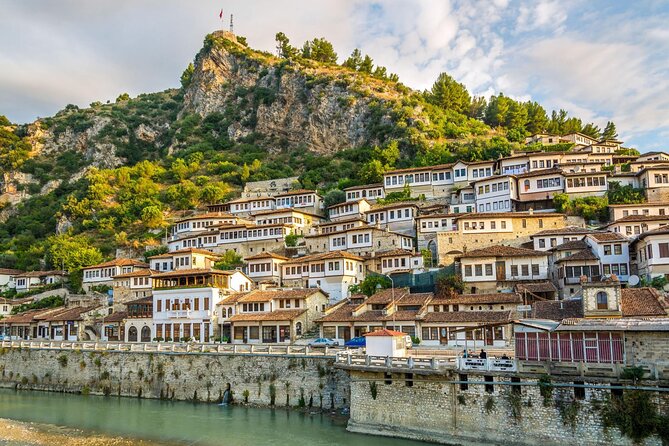
Berat is famous for its old-town terraces and those stacked window views, often called the town of 1001 windows. Walking the narrow stone streets gives you constant visual angles, and it’s one of the clearest “why UNESCO” moments in Albania. You’ll also see that Berat was historically shaped by Illyrian roots, then later became a castle city, and today some residents still live within castle walls.
The tour includes Berat Castle plus key cultural stops like the Onufri iconographic museum and the Gorica Bridge area. There’s a nice balance here between architecture and art history. Onufri is described as the painter connected to a distinctive reddish color used in churches across the Balkans, and that kind of museum stop helps you read religious art with better context.
A practical advantage of Berat on this route is pacing. The day feels more “walk and absorb” than “rush and pose,” even if you still cover multiple sites. If you enjoy photography, you’ll find lots of natural angles without needing constant museum breaks.
Drilon National Park and St. Naum, Then Ohrid’s UNESCO Lake World
Crossing into North Macedonia adds a lush, calm interlude between big cities. At Drilon National Park, the tour focuses on springs that form a small lake surrounded by greenery, with weeping willow trees lining the shoreline. The stop is about resetting your head before more historic towns take over again.
Then comes St. Naum, located near the source area of the River Crni Drim flowing into Lake Ohrid. You’ll see the monastery complex in a protected park setting, with clear spring water and views over mountains and greenery. This is one of the most serene stops in the whole itinerary, and it’s strategically placed so you do not burn out.
Ohrid is the payoff. You’ll explore the city’s UNESCO setting and the lake area, described as among the oldest human settlements in Europe. The tour includes key religious sites and viewpoints, like the church of St. John, the church of St. Nicolas, and the Halveti Hayati Tekke mosque. It also highlights the idea of Ohrid having many Orthodox churches, often repeated as 365 churches for each day of the year.
Ohrid is special because it feels layered. You get Byzantine Orthodoxy in view, Ottoman-era city growth in the shape of parts of town, and enough local life that it does not feel like an outdoor museum.
If you have only one concern here, it’s that Ohrid is easy to over-plan. This itinerary gives you a solid guided introduction, then you may want extra unstructured time on your own if you enjoy slow lake evenings.
Tirana Food Walks with a Local Companion, Plus Bunk’Art 2
Tirana is where the trip shifts from stones and towers into daily life. The tour includes time with a local companion, with stops designed around food and neighborhood streets instead of only major monuments.
You’ll try byrek with a described local breakfast moment, with a stop at Tregu Çam. Then there’s time at the Çam bazaar, tied to the Çam community, with shopping opportunities and a chance to bargain like locals do. Later, you’ll connect the day through coffee culture, joining locals at a cozy café to taste traditional Albanian coffee.
The itinerary also takes you to Pazari i Ri, described as the bicycle bazaar, plus the New Bazaar for tastings like Qofte (with vegetarian options mentioned) and a chance to taste Albanian raki. Whether you drink or not, these food stops help you understand Tirana’s pace and comfort level with daily rituals.
End of day history comes through Bunk’Art 2. It’s housed in a former nuclear bunker linked to the communist leadership, and it was converted into a museum. Even if you are not a politics fan, it gives you a tangible way to understand how the country processed Cold War fears and how those memories turned into public storytelling.
Kruje and Prizren: Resistance-Era Forts, Ottoman Faith, and Hill Views
Kruje begins with the theme of resistance, and it shows in how the old town is organized. You’ll spend time in the Medieval Old Bazaar, described as one of the biggest and oldest in the Balkans. Then the castle stop adds the defensive logic to the story, including mention of hidden paths locals used during periods of siege.
Kruje is also a great place to buy souvenirs that feel more like craft than mass production. If shopping matters to you, this is where the trip gives you the time to do it.
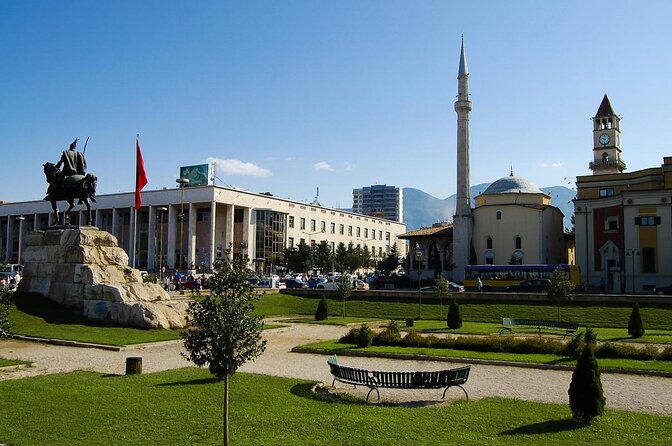
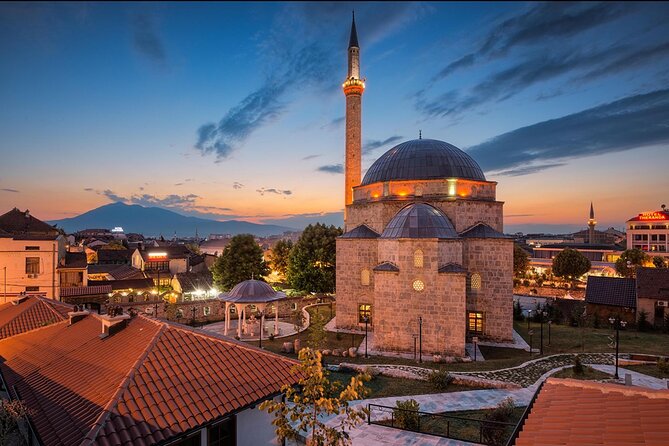
After that, the route moves to Prizren, Kosovo. Prizren is described as a cultural capital with religious tolerance, historic crossroad layers, and a river running through the old town with multiple bridges. The tour includes the Sinan Pasha Mosque, the Kalaja fortress for views, and time to wander in a city where architecture signals both Ottoman and older influences.
If you travel in August, the program notes that Dokufest takes place, which can shape the atmosphere of Prizren. If crowds are not your thing, consider that seasonal factor when you plan.
Kosovo Monasteries and Wine Valley Time: Decan and Rahovec
The next day leans into UNESCO-grade faith art and rural production. Gjakova brings bazaar life and traditional craft shops, and you’ll also hear about how the bazaar was rebuilt after conflicts. It makes the place feel resilient rather than purely picturesque.
Then you visit the Monastery of Decan, UNESCO listed for frescoes dating to the 14th century and tied to the Palaeologan renaissance. The tour also highlights that Orthodox monks still inhabit the monastery and produce organic food like cheeses. That detail matters because it turns a monastery visit into something more like a living operation, not just a photo stop.
Finally, Rahovec adds a different kind of story, viticulture. The vineyards sit on soft hillocks at specific altitudes, and the itinerary notes a wine festival in September. Even if you are not there in festival season, the valley stop gives you a sense of why the region has a reputation for wine.
Slow Food Farm in Mrizi i Zanave, Then Shkoder and Rozafa Castle
Montenegro and coastal views are coming later, but Albania keeps going with slow food first. At Mrizi i Zanave, the tour includes a farm tour and information on how the business created jobs in the surrounding area, plus how they preserve regional bio products. You’ll have some free time for traditional lunch or for buying fresh produce products.
This is one of the best “real life” breaks in the whole schedule. It gives you time with fewer cameras out and more time talking to the people running the food system.
Then you head to Shkoder and Rozafa castle for views. The tour connects Shkoder’s long habitation to Illyrian and Roman-era references, and it describes Venetian influence in architecture. It also mentions Rozafa castle’s scenery over the lake and rivers melting toward the Adriatic. You might also catch carnival references in February, including mention of Venetian masks made in Shkoder.
Budva and Kotor: Coastal Old Towns and the UNESCO Maze Effect
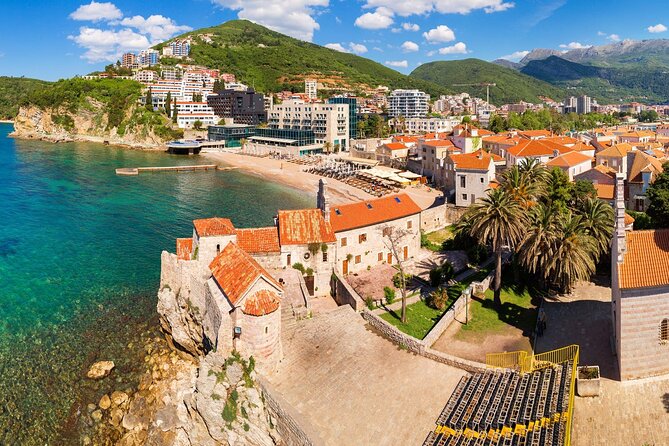
Budva starts the Montenegro stretch. You’ll make a stop at a viewpoint near Sveti Stefan. The island itself is described as an exclusive residential resort, so you stand outside and soak in the coast. Even from the viewpoint, it’s a strong “postcard meets reality” moment.
Budva’s old town is split from newer areas, and the tour focuses on the historic center, including stops like the St. Ivan church and smaller churches in the old area. It’s not just a beach stop. You get the built history.
Then Kotor arrives, and this is where the UNESCO label turns practical. The old town is described as a maze of narrow cobblestone streets. The city’s layout historically served as a defense against intruders, and today that same layout still defines how it feels to walk through. You’ll visit Saint Luke’s church, noted as significant to locals.
If you hate tight streets, this part may be a lot. But if you like wandering without needing a map, Kotor is worth every extra minute.
Mostar’s Stari Most and Blagaj Tekija, UNESCO by Water and Stone
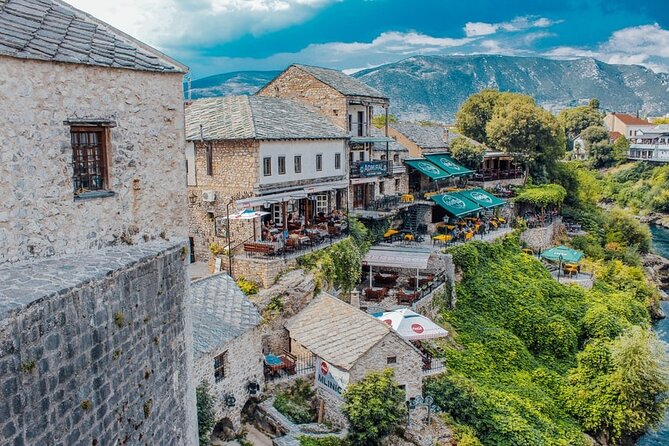
From Montenegro, you cross into Bosnia and Herzegovina and land in Mostar. The Old Bridge, Stari Most, is a UNESCO site built in the 16th century, with an Islamic architectural style. The tour also includes Old Bazaar time with colourful streets, lively atmosphere, and a focus on remembering the city’s past, including mentions of Don’t Forget commemorative stones.
After Mostar’s urban energy, Blagaj tekija is a quieter nature break. You visit the monastery complex at the foot of a cliff with blue waters in front, described as an Ottoman medieval town area with a spring of the river Buna. This is a classic “two moods in one day” combo, city on one side, water and cliff views on the other.
A practical thought: you will do lots of walking on cobblestones and uneven ground across these days. Shoes with traction help more than you’d think.
Sarajevo Footsteps, Latin Bridge, and the City That Holds Multiple Empires
Sarajevo is the finale in Bosnia, and it is also the place that asks you to pay attention. The tour includes walking on uneven terrain and mentions visible reminders of the Yugoslav War, like bullet holes and cannon marks. You also cover Ottoman and Austria-Hungarian parts of the city, plus medieval Bosnian Kingdom origins.
One guided stop you should not treat as optional is Latin Bridge. The tour connects it to the story of how World War I was triggered at that location, with details about naming and which city quarters it connected. Even if you know the basic timeline, a guided explanation here turns the bridge into a real marker in your understanding of modern European history.
Then you get a practical free-time block in the old town for traditional dishes and desserts. This is one of the best places on the route to eat slowly, because the city makes you want to slow down.
Wrapping Up in Sarajevo Airport or Continuing to Belgrade
Day 14 is built around your choice. After breakfast, the tour transfers you to either Sarajevo Airport or onward into Serbia. The tour notes that airport drop-off in Sarajevo is free of charge only on the last day. If you prefer Belgrade, you get a transfer based on preference, with the note that it is a hotel drop-off.
This matters because it changes how you plan your last night. If you fly from Sarajevo, you want to keep your packing simple. If you continue to Belgrade, you get a chance to extend the trip’s city energy without having to coordinate extra ground transport yourself.
Price and Logistics: Does $5,142.79 Feel Worth It?
The headline price is $5,142.79 per person for a tour that runs about 14 days. That’s roughly $370 per day on paper, but the real question is what you’re buying.
Here’s what is included: 3-star hotels with breakfast, private transportation, a professional tour guide, hotel pickup in Athens, entry tickets for sites that are visited, tourist taxes, and road costs including petrol and international car insurance. It also includes breakfast across the days listed and tourist-related fees, so you are not constantly dealing with small add-ons.
What is not included: lunches, dinners, drinks, snacks, and personal spending. That means you will still spend money daily, even though the big ticket costs are handled.
So does it feel like value? For me, it does if you want a structured introduction to the Balkans and you like covering many UNESCO sites without doing the planning. If you’d rather move at your own speed, or you want to maximize restaurant time, the “included” structure may feel too limiting.
Who This Tour Fits Best (And Who Might Feel Cramped)
This works best for you if you want a guided sampler that still leaves room for personal wandering. The max group size of 10 is a sweet spot for people who like conversation, questions, and faster decisions. It also helps if you are not keen on multi-country driving, border timing, and figuring out which entrances charge which fee.
You might feel cramped if you are the type who wants 3 to 4 hours in one museum or one neighborhood. This itinerary stacks highlights tightly, and travel time is part of the deal, not a break from it.
Also plan for mixed terrain. The tour mentions uneven walking terrain in Sarajevo, and ancient sites tend to involve steps, slopes, and cobblestones.
If you bring good walking shoes and a flexible attitude, you’ll probably love the rhythm. If you bring a strict schedule mentality, the Balkans will happily bend it.
Final Decision: Should You Book This Athens to Sarajevo or Belgrade Tour?
I’d book it if your goal is a well-supported, UNESCO-heavy Balkans overview with small-group comfort and less stress. You’ll see major sites from Delphi and Meteora to Ohrid, Tirana, Kotor, Mostar, and Sarajevo, with built-in context from a professional guide. The guiding quality shows up in the way named guides like Ervin and Julian were praised for going beyond on special requests, and the team leadership style associated with Sirma is repeatedly noted for responsiveness.
I would hesitate if you want lots of downtime, you hate long drives, or you want all meals included. In that case, you might be happier building a shorter route and adding self-guided days.
If you want a big-picture Balkans “starter pack,” this is a strong pick, especially when you value organization and a calm small-group feel.
FAQ
Where does the tour start and when do we meet?
You meet starting at 9:00 am. The tour also offers hotel pickup in Athens.
Is the group size small?
Yes. This tour has a maximum of 10 travelers.
Does the price include hotels?
Yes. It includes BB, meaning accommodation and breakfast, in 3-star hotels for all overnights.
Are entry tickets included?
Entry tickets are included for the sites that will be visited.
Are meals like lunch and dinner included?
No. Lunches, dinners, drinks, and snacks are not included.
Is transportation private?
Yes. Private transportation is included.
What is included for taxes and driving costs?
The tour includes tourist taxes, road taxes, petrol, and international car insurance.
How does the end of the trip work, Sarajevo or Belgrade?
On the last day after breakfast, you are transferred to either Sarajevo Airport, or to Belgrade in Serbia based on your preference.
Is Sarajevo airport drop-off always included?
The tour notes that Sarajevo airport drop-off free of charge is only possible on the last day (day 14).
What happens if I need to cancel or change my booking?
This experience is non-refundable and cannot be changed for any reason.
Is the tour physically demanding?
The info says most travelers can participate, but the program includes walking in cities and uneven terrain in Sarajevo, so comfortable walking shoes are a good idea.
More Private Tours in Athens


More Tours in Athens

More Tour Reviews in Athens
- All Day Cruise -3 Islands to Agistri,Moni, Aegina with lunch and drinks included
★ 5.0 · 4,958 reviews
Not for you? Here's more nearby things to do in Athens we have reviewed





Private, compared.
 ★ 5.0Best of Athens Half Day Private TourFrom $913,714 reviews
 ★ 5.0Athens Full Day Private TourFrom $2442,903 reviews
 ★ 4.5Athens Airport Private Arrival Transfer with Meet & GreetFrom $491,495 reviews
 ★ 5.0Athens Airport to Athens Hotels Private Arrival TransferFrom $42947 reviews
 ★ 5.0Athens Greece Full Day private tourFrom $683785 reviews
 ★ 5.0Private Biblical Tour Ancient Corinth & Isthmus Canal from AthensFrom $301762 reviews
 ★ 5.04 Hours – Athens & Acropolis Highlights Private TourFrom $181681 reviews
★ 5.0Athens Full Day Private TourFrom $205667 reviews
★ 5.04 Hours – Athens & Acropolis Highlights Private TourFrom $181681 reviews
★ 5.0Athens Full Day Private TourFrom $205667 reviews