
Reviewed · FOOD & DRINK
Premium Greek Honey Tasting with Yogurt & More
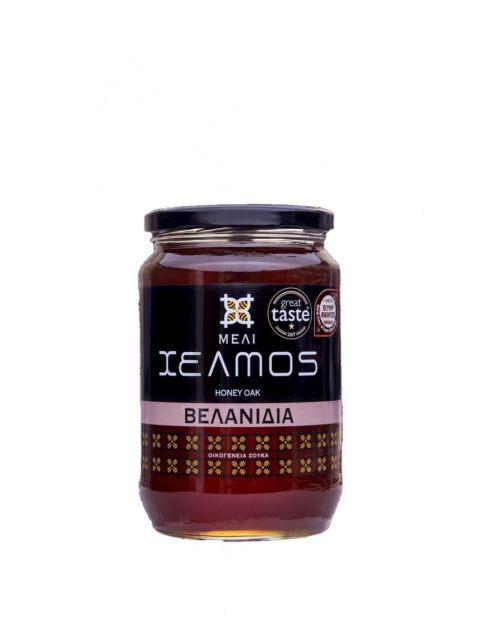
Honey tasting turns out to be a full-on lesson, not a sweet side quest. In Central Greece, this Premium Greek Honey Tasting pairs a short 40-minute masterclass with samples, serving ideas, and even an ancient wine tasting, guided in English by Anton Lianoudakis.
I love that you taste Greek honey as a set of distinct flavors, not one generic jar. And I like the practical part, you learn how to combine your favorite honey with yogurt, cheese, and dried fruits, so you can recreate the pairings later.
One thing to keep in mind is the time limit. At 40 minutes and around $23 per person, it is a compact experience, so if you want a long, slow food evening, plan this as a focused stop rather than your whole night.
Key things I’d bet on
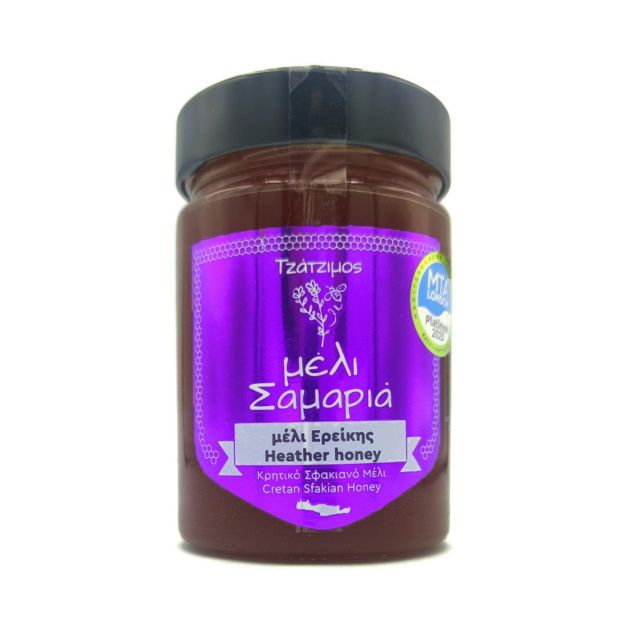
- Multiple honey regions and styles, so you can compare flavors in a short time
- Hands-on serving ideas with yogurt, cheese, dried fruits, and more
- English instruction from Anton Lianoudakis, with room for questions
- Ancient wine tasting as a bonus pairing lesson
- A chance to buy honey products on site, so the experience can stick with you
Honey, Cheese, and Wine in Central Greece, in Just 40 Minutes
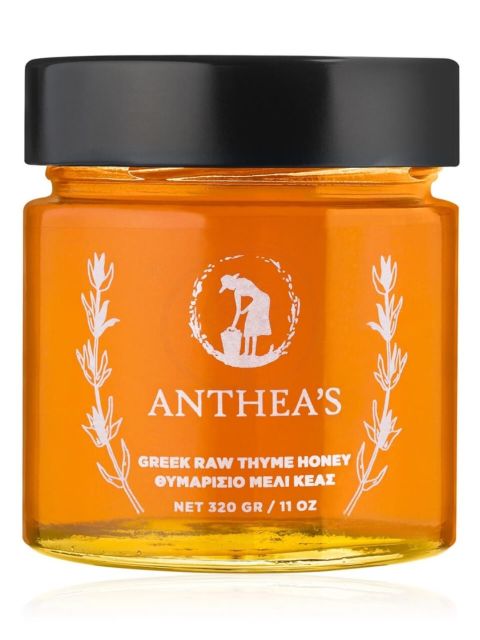
If you think honey is just sweet, this experience quietly proves you wrong. The format is simple: you sample premium Greek honeys, learn what makes each one different, and then you practice pairing them with foods that Greek kitchens use all the time.
The sweet spot here is pacing. Forty minutes is long enough to taste, talk, and get ideas, but short enough that it fits into a travel day without wrecking your schedule. You also get the comfort of an English instructor, so you are not stuck guessing what you are tasting.
And yes, there is an ancient wine component. It is not treated like a lecture on grapes. It is used as another flavor lens, helping you think about why honey can work so well with food beyond pancakes.
You can also read our reviews of more food & drink experiences in Athens

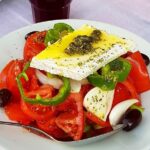
What You Actually Taste: Four Flavors, Six Honeys, Many Regions
Here is the first detail that helps you set expectations. The experience is described as trying four Greek honey flavours, but the included list says you also get six honeys from different regions and styles.
So what should you expect on the ground? Expect multiple samples across regions, enough variety to notice differences in aroma, sweetness, and finish. Even if the exact count feels like it depends on the flow of the session, the core goal is consistent: you come away with more than one honey in your head, and a sense of which style you prefer.
This matters because honey is not one uniform flavor. It shifts with the plants bees visit, the landscape, and the way the honey is handled and aged. When you taste several types back-to-back, you can finally tell why one honey tastes floral and another tastes deeper, more herbal, or more mellow.
Pairing Honey Like a Greek Kitchen Habit
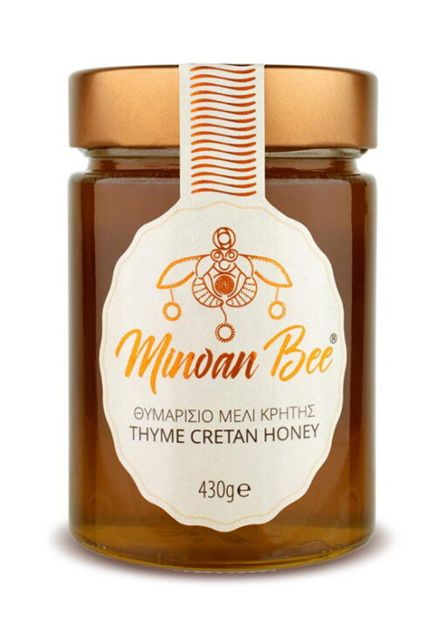
The best part of this tasting is not the spoonfuls, it is the pairing logic. You get to combine your favorite honey with foods like yogurt, cheese, and dried fruits. That is a small instruction, but it changes how you eat honey at home.
Here is how you can use the pairing ideas right away:
- With yogurt, look for balance. Creaminess softens strong notes and makes honey feel rounder.
- With cheese, think contrast and sweetness. Some honeys cut through saltiness and bring out nutty or milky flavors.
- With dried fruits, honey acts like a glue. It echoes the fruit sweetness while adding floral or herbal edges.
You also get samples of fruits and more, so you are not stuck pairing only in theory. It becomes a tasting worksheet you can actually eat.
One extra practical advantage: after the session, you can buy honey products on site. That turns your new pairing ideas into something you can use immediately, not just remember.
Masterclass Moves: How to Taste Without Overthinking It
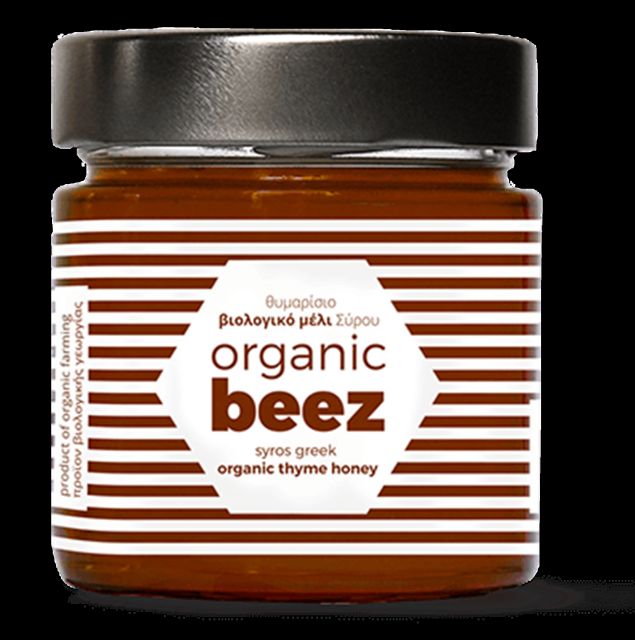
The masterclass approach is what makes this more than a simple sampling. The host, Anton Lianoudakis, is described as passionate and personable, and that tone matters. When the guide explains how to notice differences in honey, you stop treating it like candy and start treating it like a flavor ingredient.
In a tasting like this, the key is learning the habit of tasting:
1) smell first, 2) taste a small amount, 3) notice the finish, 4) then compare against the next honey.
That “compare” part is where you gain real value. If you only taste one honey, your brain labels it as good or bad. But when you taste several honey styles, you learn what each one does, and you can start predicting what it will work with.
The session also leaves room for questions. That is huge if you care about details like how honey styles differ or why one pairing just makes sense. You are not forced through a one-way script.
Why Greek Honey Gets So Serious, From Antiquity to Research
This experience spends time on the reputation of Greek honey, and it gives you context that actually helps with the tasting.
The story starts in antiquity. Honey-making in Greece goes back to ancient times, and Greek honey has been praised for both flavor and medicinal use. The Romans, according to the session’s background, even lifted honey to something close to worship, including uses tied to military wound treatment.
That history can sound dramatic, so the masterclass keeps it grounded in what you can taste and why it might matter. The session also references more recent scientific findings, noting that premium herbal honey from Greek islands has antibacterial and anti-inflammatory properties, sometimes matching or exceeding the reputation of Manuka honey from New Zealand.
Now, a practical note for you: scientific claims are not the same as a medical guarantee. But the takeaway is still useful. It helps explain why honey appears in Greek culture as both comfort food and a serious ingredient.
It also explains why the tasting focuses on premium styles, not generic supermarket honey. When the honey is higher quality and more characterful, the tasting lessons land harder.
- All Day Cruise -3 Islands to Agistri,Moni, Aegina with lunch and drinks included
★ 5.0 · 4,958 reviews






Ancient Wine Tasting as a Flavor Mirror
The ancient wine tasting is the bonus that makes the session feel broader than “honey class.”
Wine and honey can seem unrelated, but they overlap in one important way: both can be about aroma and structure. Honey brings floral or herbal notes and a thick sweetness. Wine brings acidity, fruitiness, and bite. When you taste them together or in the same session, you start noticing how honey can react to different flavor profiles.
You do not need to be a wine expert to enjoy it. The value is that it teaches you how to think about food pairing as a system: sweetness plus texture, aroma plus finish.
If you already like Greek wine, this part can feel like a quick bridge from what you know into something new. If you do not care about wine, it still adds variety and keeps the session lively.
The Instructor Experience: Anton Lianoudakis and Practical Explanations
A honey tasting lives or dies by the guide. Here, the guide is Anton Lianoudakis, and the consistent theme in how the session is described is his passion plus his teaching style.
What I find useful in this kind of instructor-led tasting is the tone. When the host is friendly and curious with the group, you pay attention to the details without feeling judged for asking basic questions.
The session also sounds like it balances flavors and practical use. Not just “this honey is great,” but which honey pairs well with which kind of ingredient. That is the kind of guidance you can actually act on later when you are buying honey at a store or putting together a snack board.
And if you want to take something home, you are not just leaving with memories. There is an on-site purchase option for honey products, which is perfect for converting curiosity into a real pantry item.
Price and Value: Is $23 Worth It?
At $23 per person for a 40-minute session, you should evaluate value in terms of what is included and how much you learn in that time.
You get:
- samples of multiple honeys from different regions and styles
- samples of yogurt and fruits
- pairing ideas you can use right away
- a masterclass format in English
- an ancient wine tasting component
That is a lot for one stop, especially because it is not just a tasting. It is also a mini workshop. When you leave with clearer pairing instincts, it is easier to buy the right honey for the way you eat.
The biggest “value check” for you is your travel style:
- If you like hands-on tastings, short classes, and practical takeaways, this price feels reasonable.
- If you only want one sweet bite and nothing else, you might find it slightly “too educational.”
The good news is that it is brief enough that even if it is not your favorite thing in Greece, it does not eat your entire evening.
Timing and Logistics: Easy to Fit, Easy to Follow
The session is listed at 40 minutes, with multiple starting times depending on availability. That short format is helpful if you are bouncing between sites in Central Greece.
It also includes skip the ticket line, which is a small detail, but it can save time when schedules are tight. In a tasting experience, time matters. You do not want to lose half your session just finding the right counter.
Language is English, so you can follow along without relying on translation apps. That is especially important for a masterclass, since the tasting experience depends on understanding what the instructor is pointing out.
One more thing: the session has age limits. It is not suitable for children under 7, and it is not suitable for people over 95. If you fall into those categories, look for another activity option.
Who This Honey Tasting Is Perfect For
This experience is a great match if you want Greece in a more specific, food-focused way.
You will likely enjoy it if:
- you like learning through taste, not just reading about food
- you enjoy pairing foods, snacking, and building flavor combinations
- you want an easy stop that still feels special
- you care about ingredient quality, not just sweetness
You might want to skip it if:
- you dislike food classes or prefer unguided wandering
- you need a long, slow dining experience instead of a fast tasting
- you have strict dietary restrictions and want a fully customized menu (the session includes yogurt and fruits, so allergies would need careful consideration)
Should You Book Premium Greek Honey Tasting?
If you are choosing between one quick food experience and another, I would book this one. The reason is the combination: premium honey samples, a real pairing focus, and the bonus of an ancient wine tasting. It is not only about sweetness, it teaches you how Greek honey works as an ingredient.
Book it if you want value you can use later. The pairings with yogurt, cheese, and dried fruits are the kind of ideas that stick, especially because you can also buy products on site.
Pass if you want a long meal or a purely historical tour. This is practical and sensory, and it moves fast by design.
FAQ
How long is the Premium Greek Honey Tasting?
The experience lasts 40 minutes.
Where does the experience take place?
It is located in Central Greece, Greece.
How much does it cost?
The price is $23 per person.
What will I taste during the session?
You try Greek honey samples, and you also get samples of yogurt and fruits. The experience also includes an ancient wine tasting.
How many honey flavours or honeys are included?
The experience description mentions trying four Greek honey flavours, and the included details say six honeys from different regions and different styles.
Is the instructor available in English?
Yes, the instructor teaches in English.
Can I ask questions during the session?
The format is instructor-led, and you are able to engage with the instructor during the experience.
Is the experience suitable for children?
No, it is not suitable for children under 7 years old.
Is there an upper age limit?
Yes, it is not suitable for people over 95 years old.
Is free cancellation available?
Yes. You can cancel up to 24 hours in advance for a full refund.
More Food & Drink Experiences in Athens


More Tour Reviews in Athens
- All Day Cruise -3 Islands to Agistri,Moni, Aegina with lunch and drinks included
★ 5.0 · 4,958 reviews
Not for you? Here's more nearby things to do in Athens we have reviewed











Food & Drink, compared.
 ★ 5.0Greek Food Walking Tour in AthensFrom $874,740 reviews
 ★ 4.9Street Food Tasting TourFrom $672,557 reviews
 ★ 5.0Small Group Greek Traditional Food Tour in Athens 20+ TastingsFrom $841,759 reviews
 ★ 4.9Food Market Visit and Cooking Class with WineFrom $811,087 reviews
 ★ 5.0Athens Authentic Greek Food Walking Tour (Small Group)From $83809 reviews
 ★ 5.0Athens Greek Food Tour Small-Group ExperienceFrom $107802 reviews
 ★ 5.0Athens Evening Food TourFrom $96766 reviews
 ★ 5.0Get a Taste of Athens Food TourFrom $89624 reviews
Browse the lists this tour appears in